

The species most in danger of extinction.
Endangered!


Why does extinction matter?
Read about it here!
(Sources for photos and information are at the bottom of each species page.)
Endangered!
-
![]()
Tasmanian Devil
Endemic to the Australian island of Tasmania, this hypercarnivore is known for its bone-breaking bite and a transmissible form of face cancer that is ravaging the species.
-
![]()
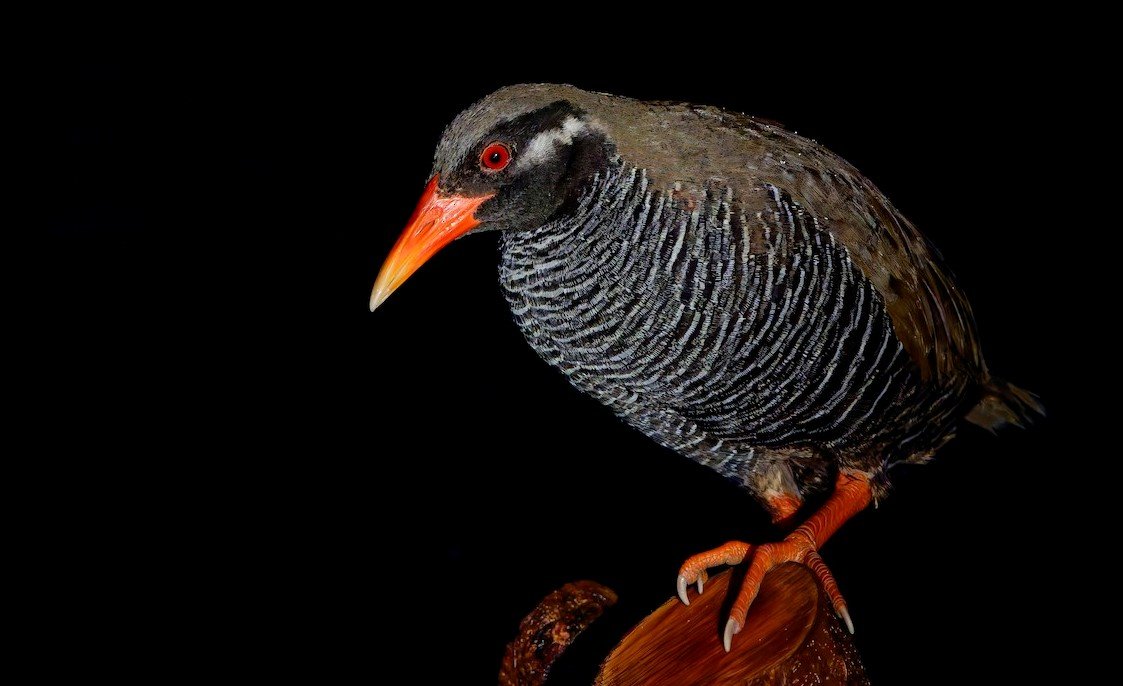
Okinawa Rail
A flightless rail from the subtropical Japanese island of Okinawa. So elusive, it was only officially discovered in 1981.
-
![]()
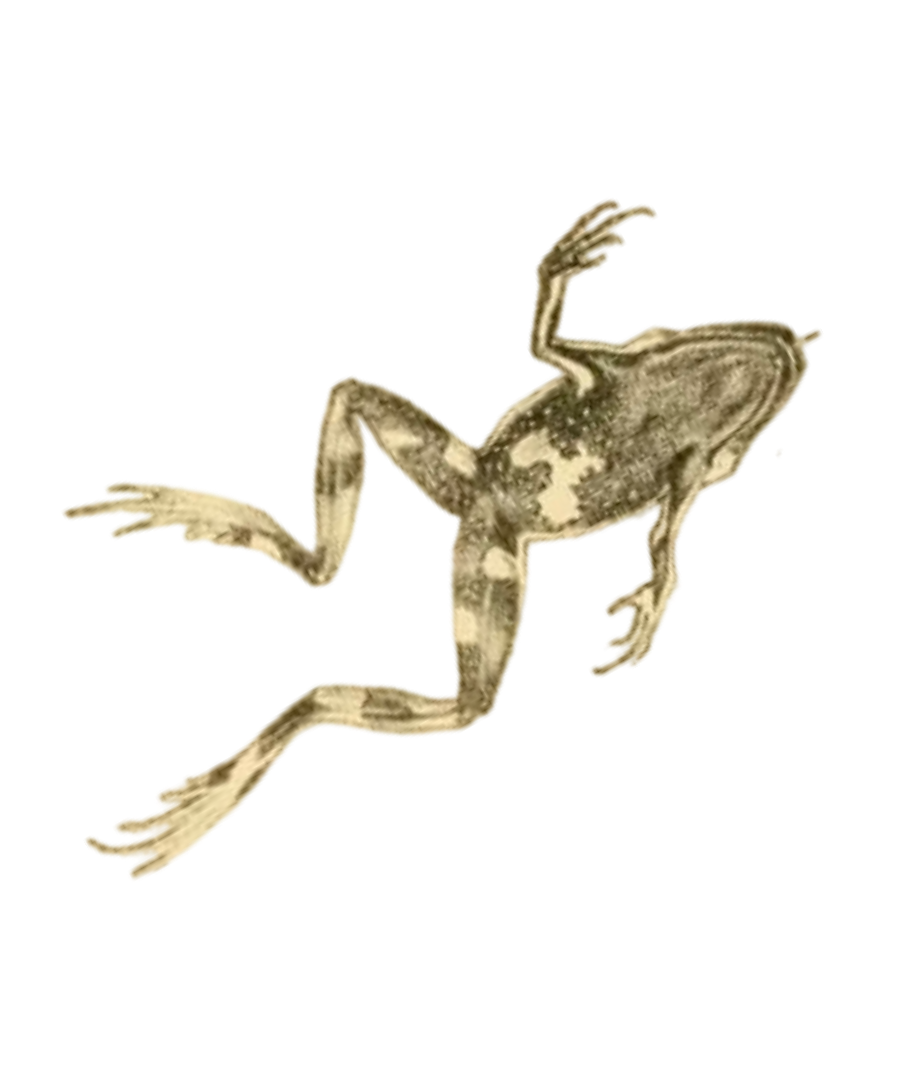
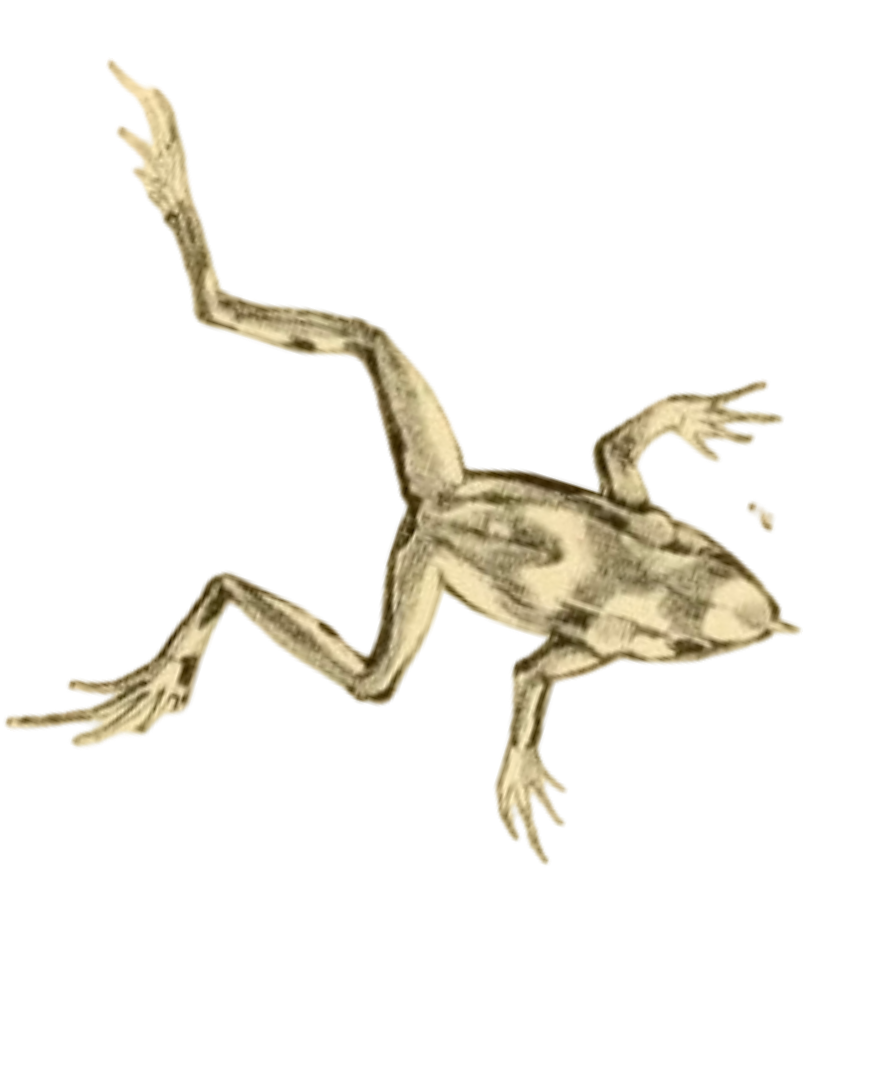
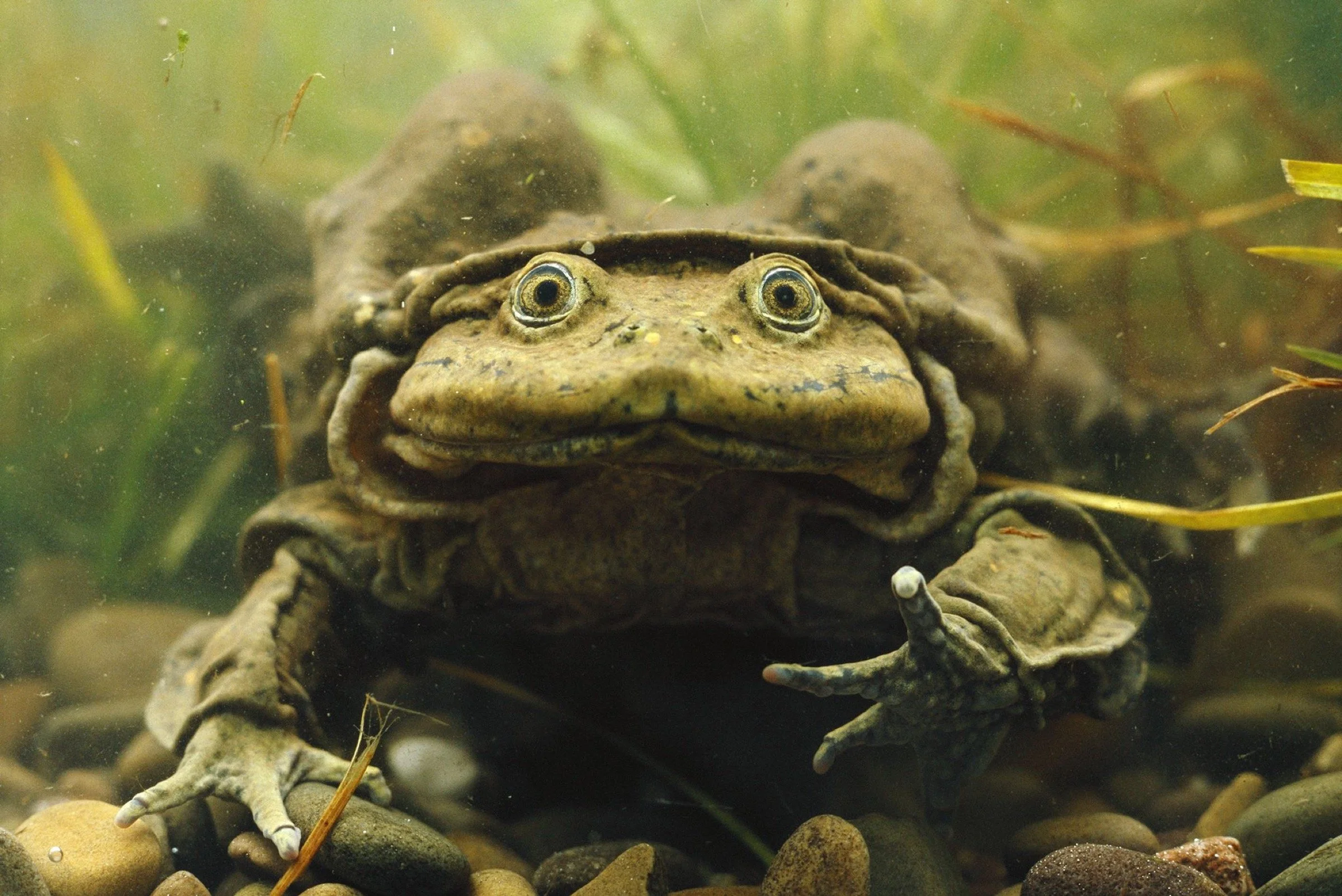
Titicaca Water Frog
The Titicaca water frog lives solely in the depths of Lake Titicaca in the Andes mountains at elevations of 3,810 metres (12,500 feet). It is threatened by pollution and being turned into “frog juice”.
-
![]()
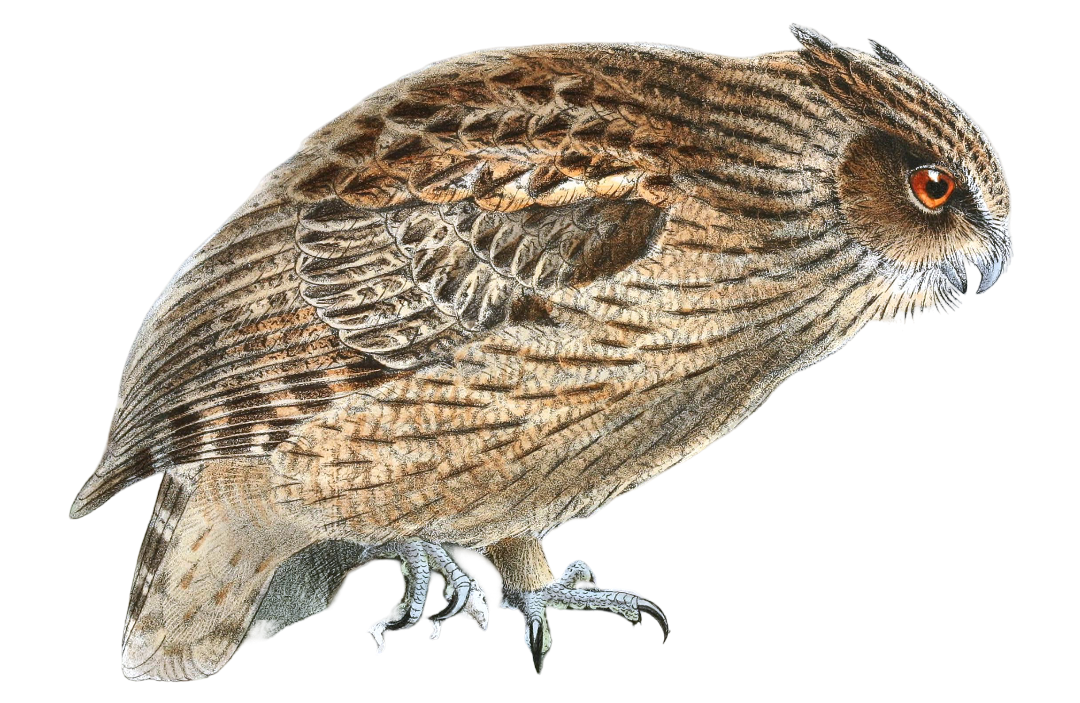
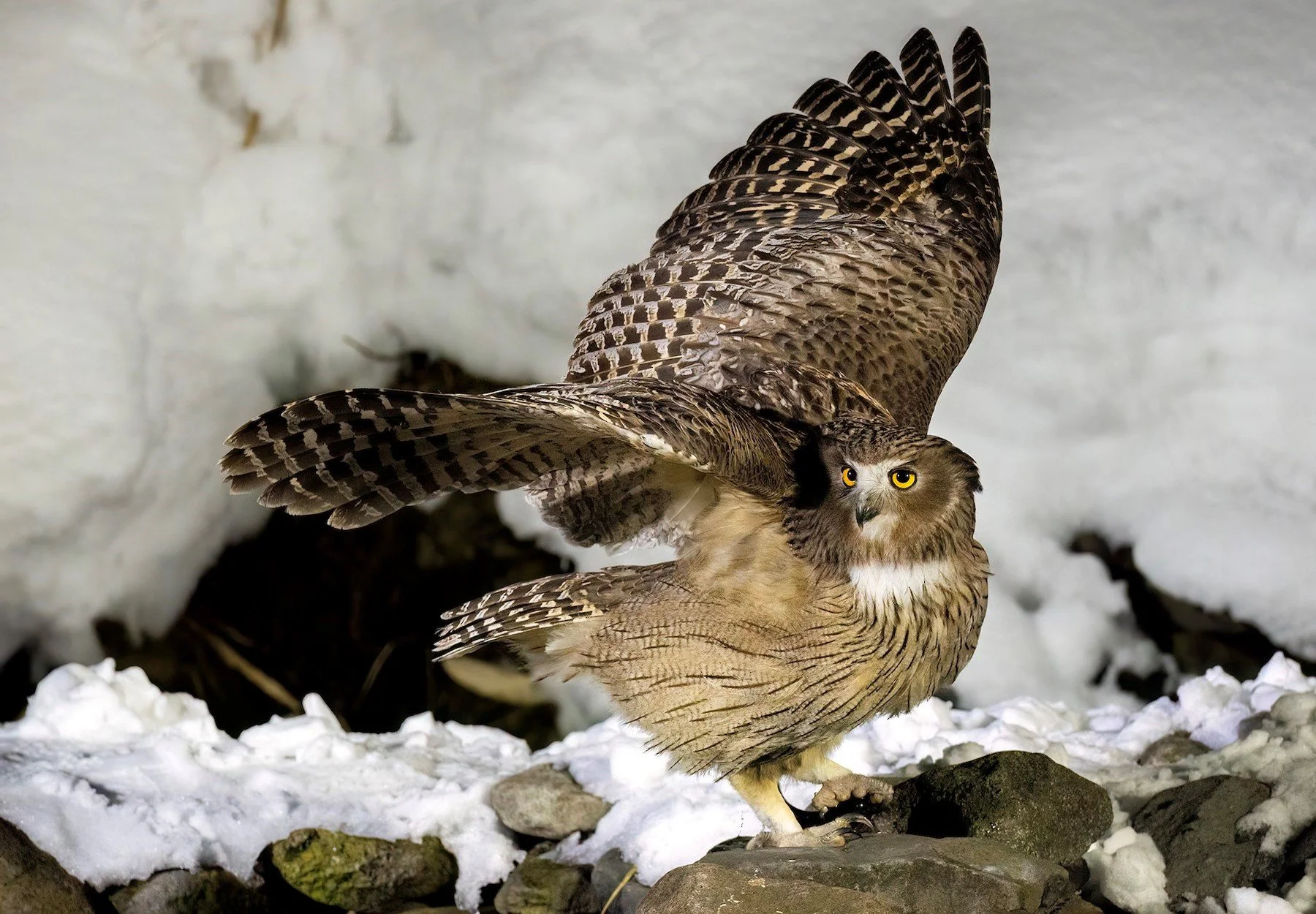
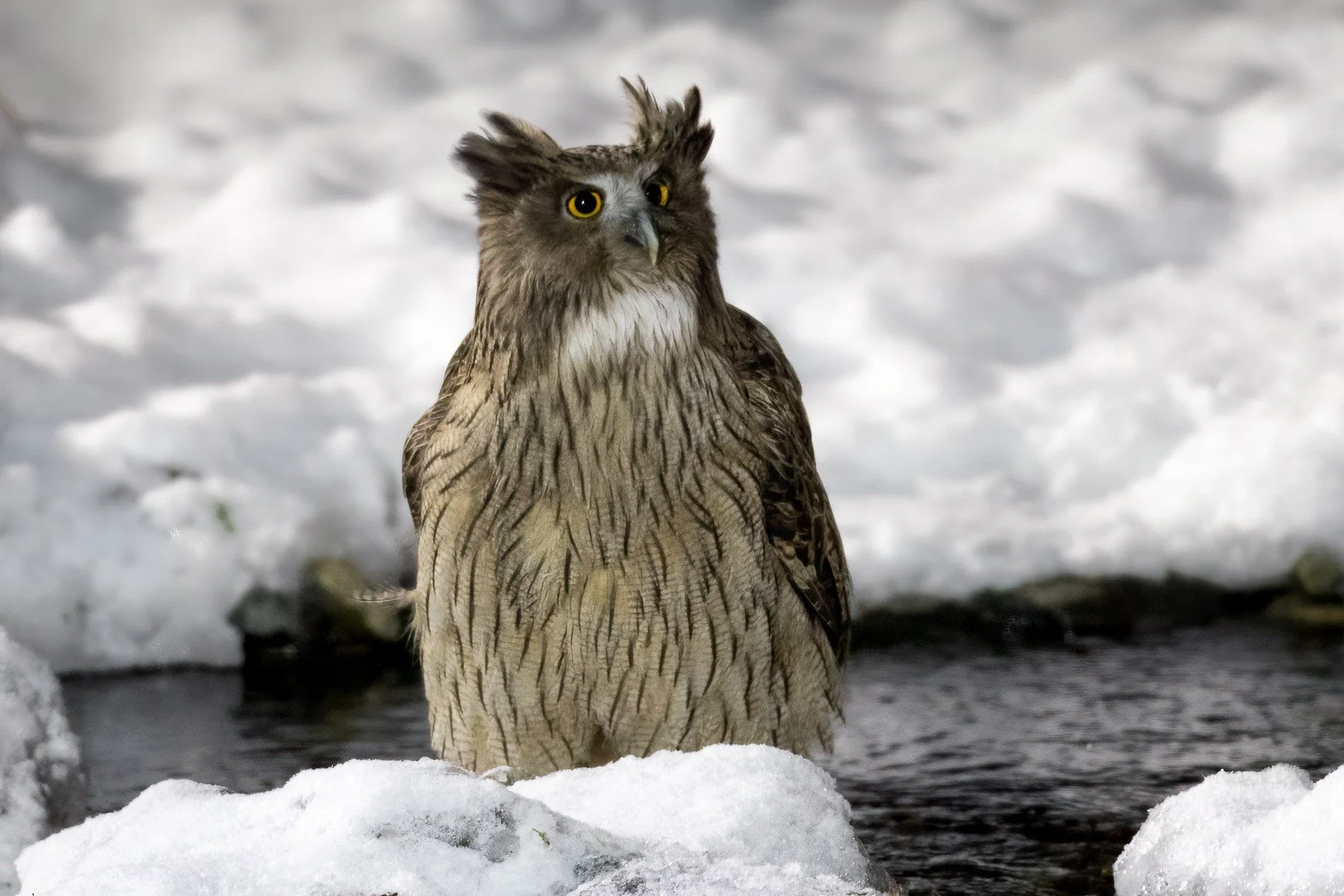
Blakiston's Fish-Owl
Losing old growth trees in both the Russian Far East and Japanese island of Hokkaido, this largest of owls is running out of places to nest.
-
![]()
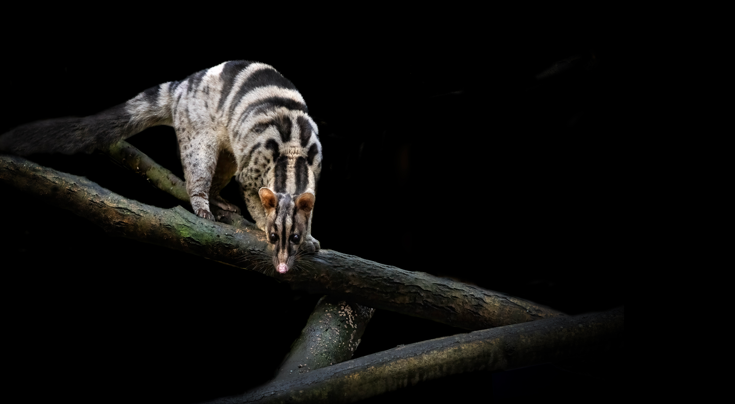
Owston's Civet
A cryptic creature from the Annamite Mountains, straddling the border of Vietnam and Laos. Threatened by poaching for its fur, the pet trade, and civet coffee.
-
![]()
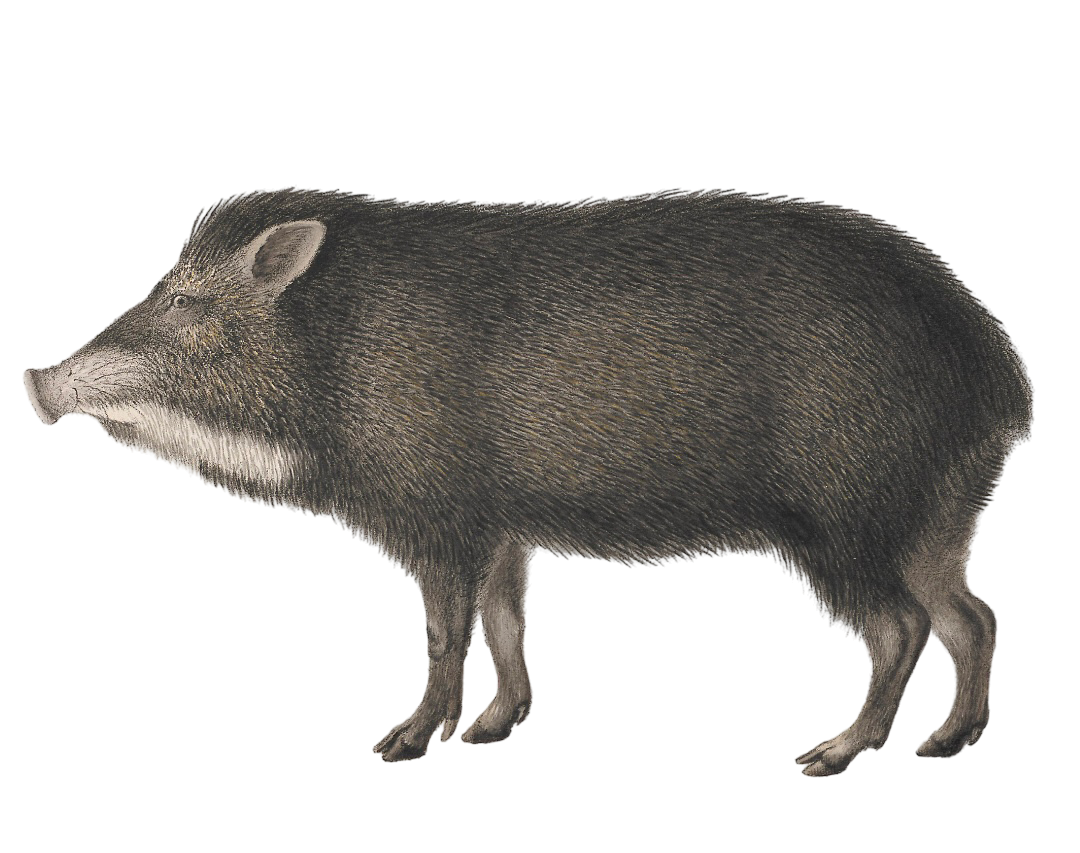
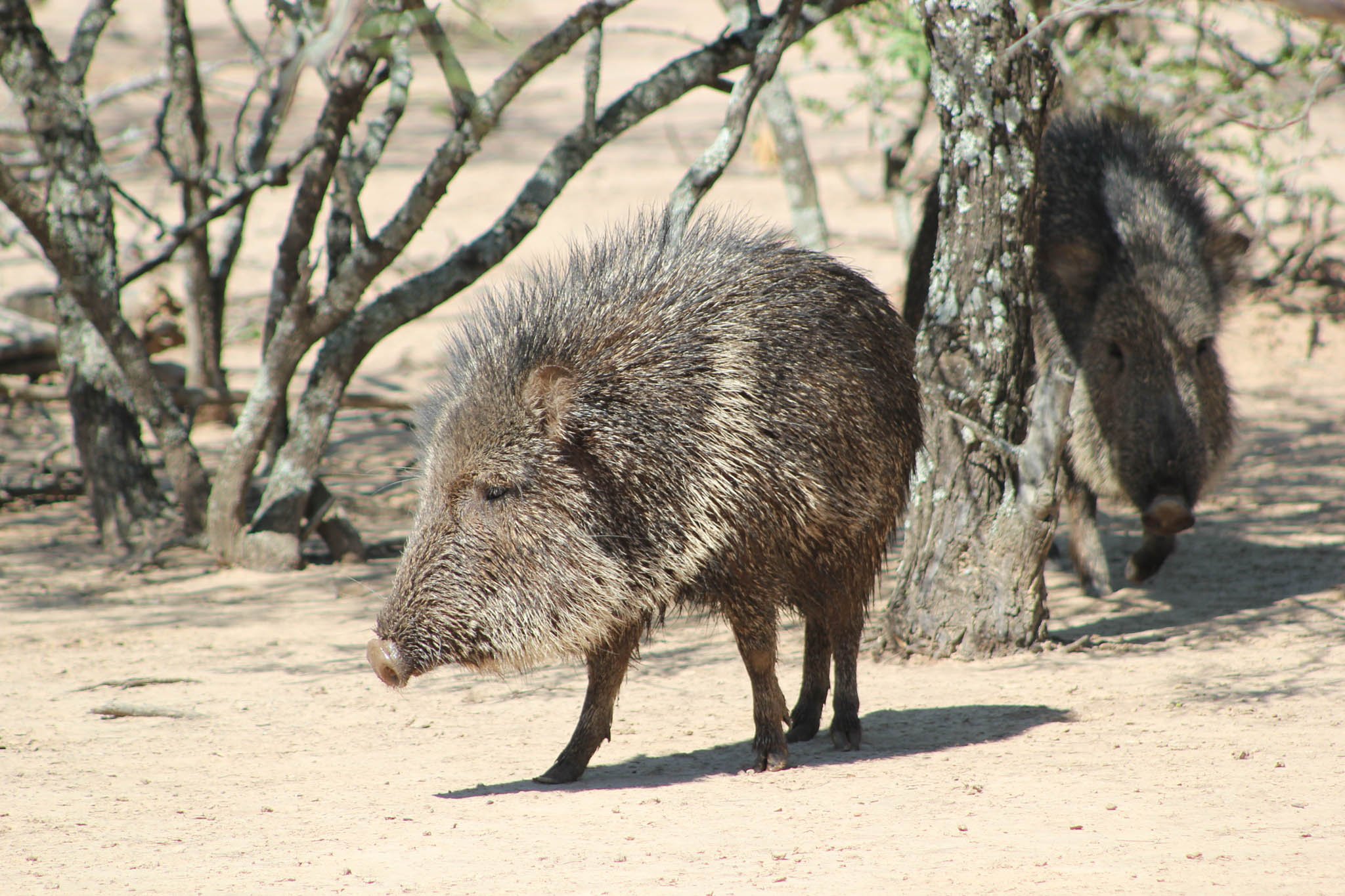
Chacoan Peccary
The Chacoan peccary was initially described as an extinct species from fossils discovered in 1930. In the early 1970s, a living population was found in an isolated area of Paraguay — in a region known as the Gran Chaco. This species is the largest and rarest of the three living peccaries.
-
![]()
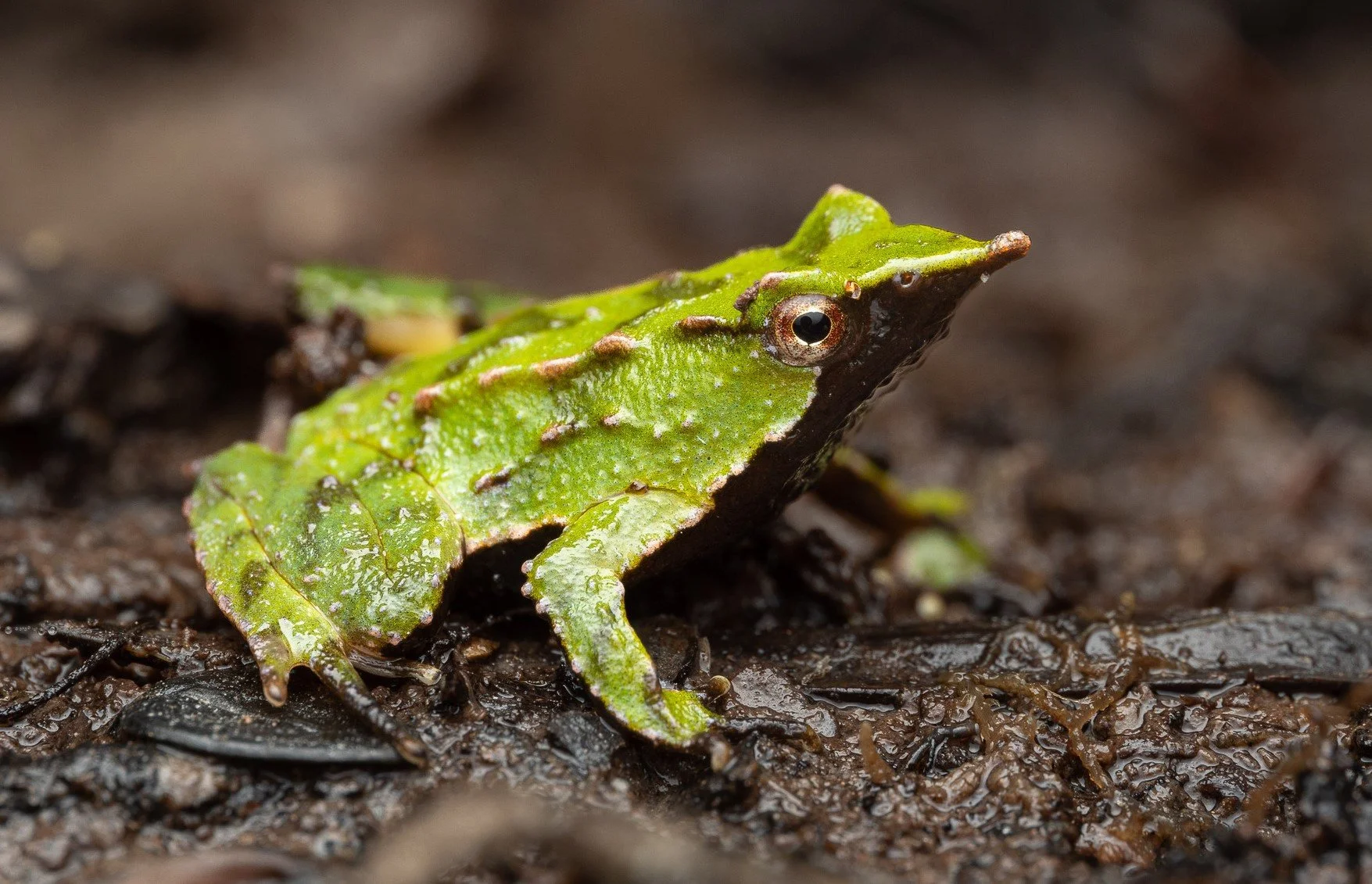
Darwin's Frog
This tiny frog — known for the male’s habit of carrying eggs and tadpoles in his vocal sac — was hit by chytrid fungus in 2023, resulting in a death toll of some 1,300 frogs, or around 90% of the monitored population.
-
![]()
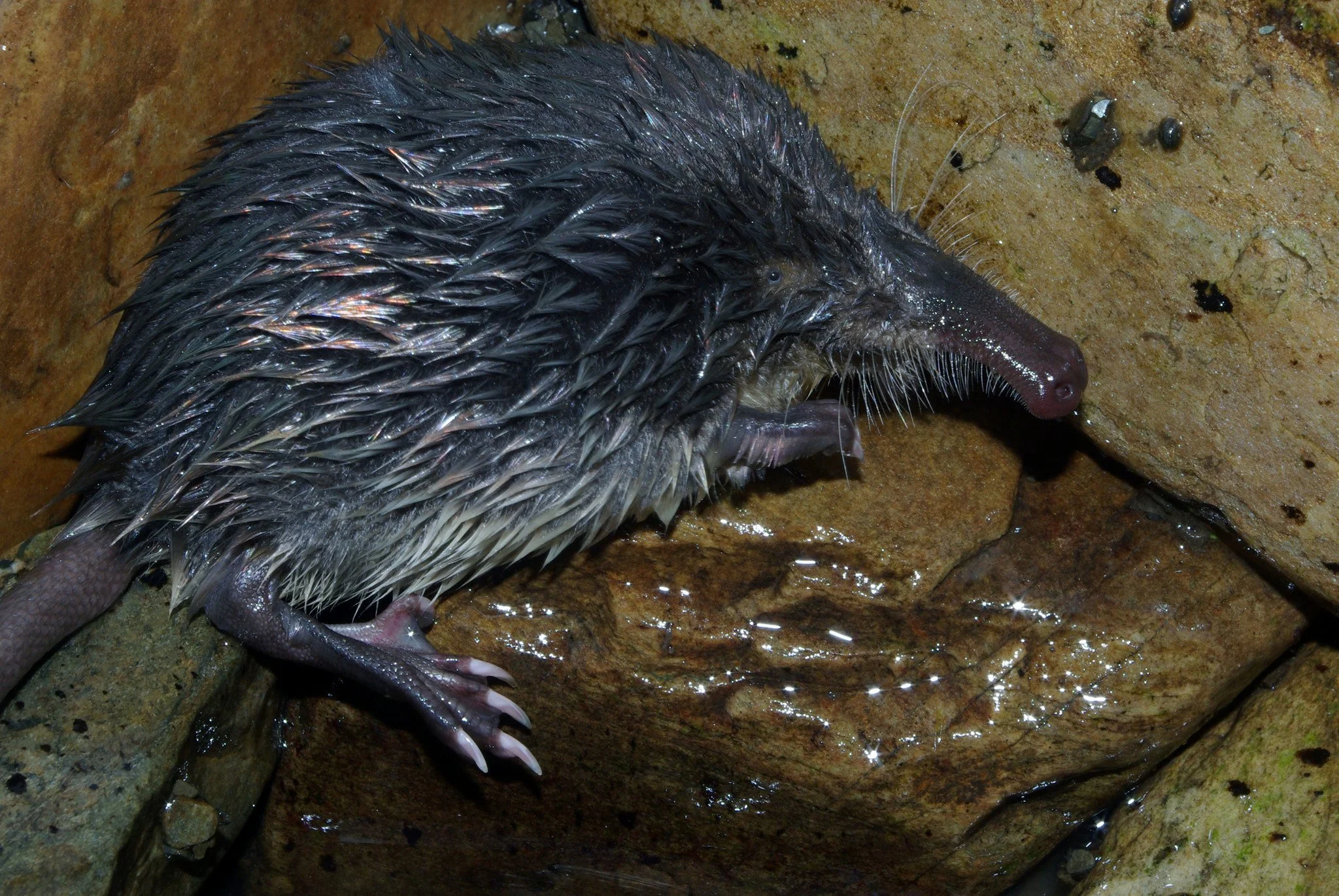
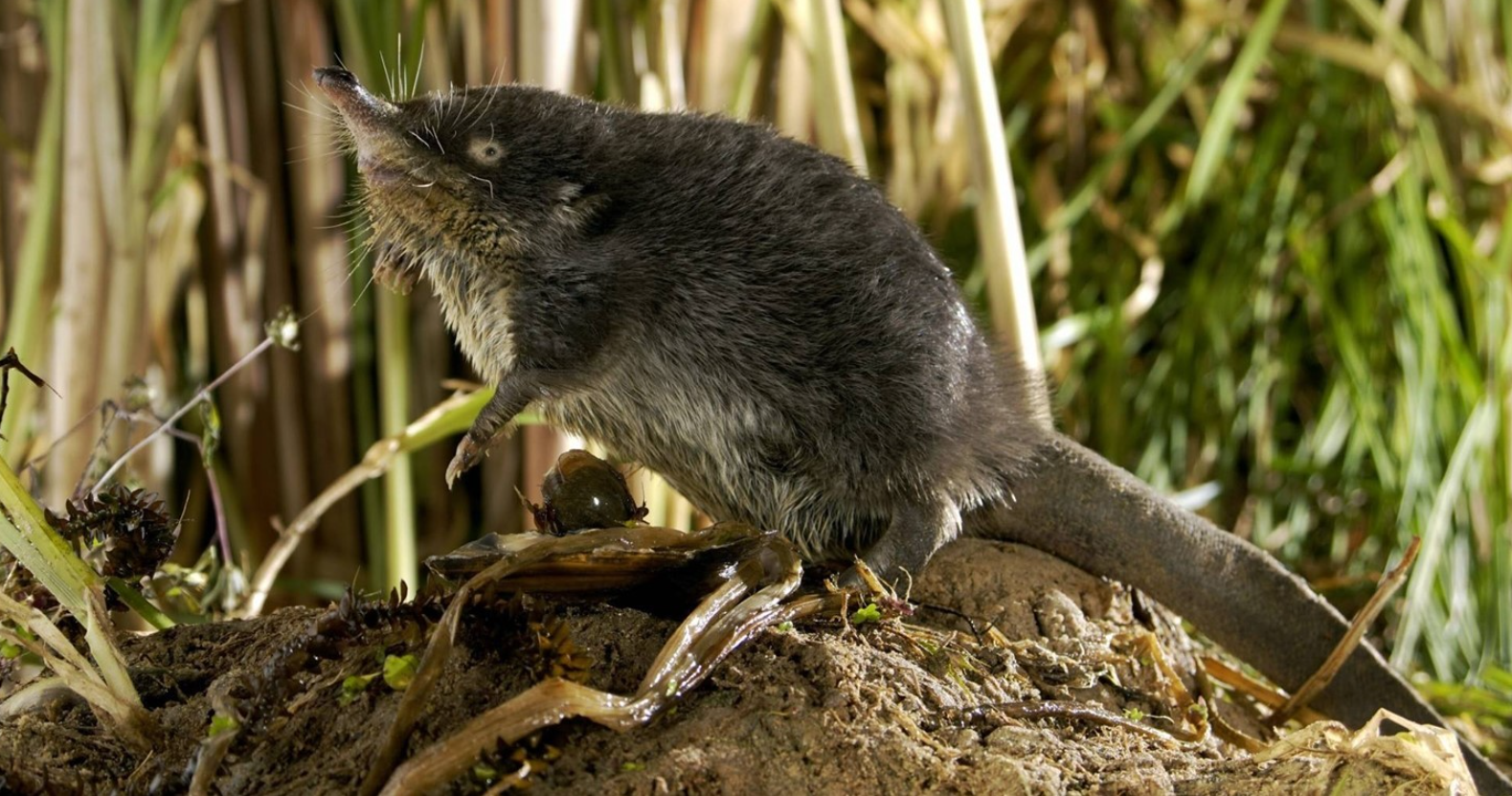
Pyrenean Desman
Desmans were more numerous once. Today, however, the Pyrenean is one of only two species left. It lives near fast-moving, mountain streams — diving in their currents to find aquatic insects with its sensitive snout.
-
![]()
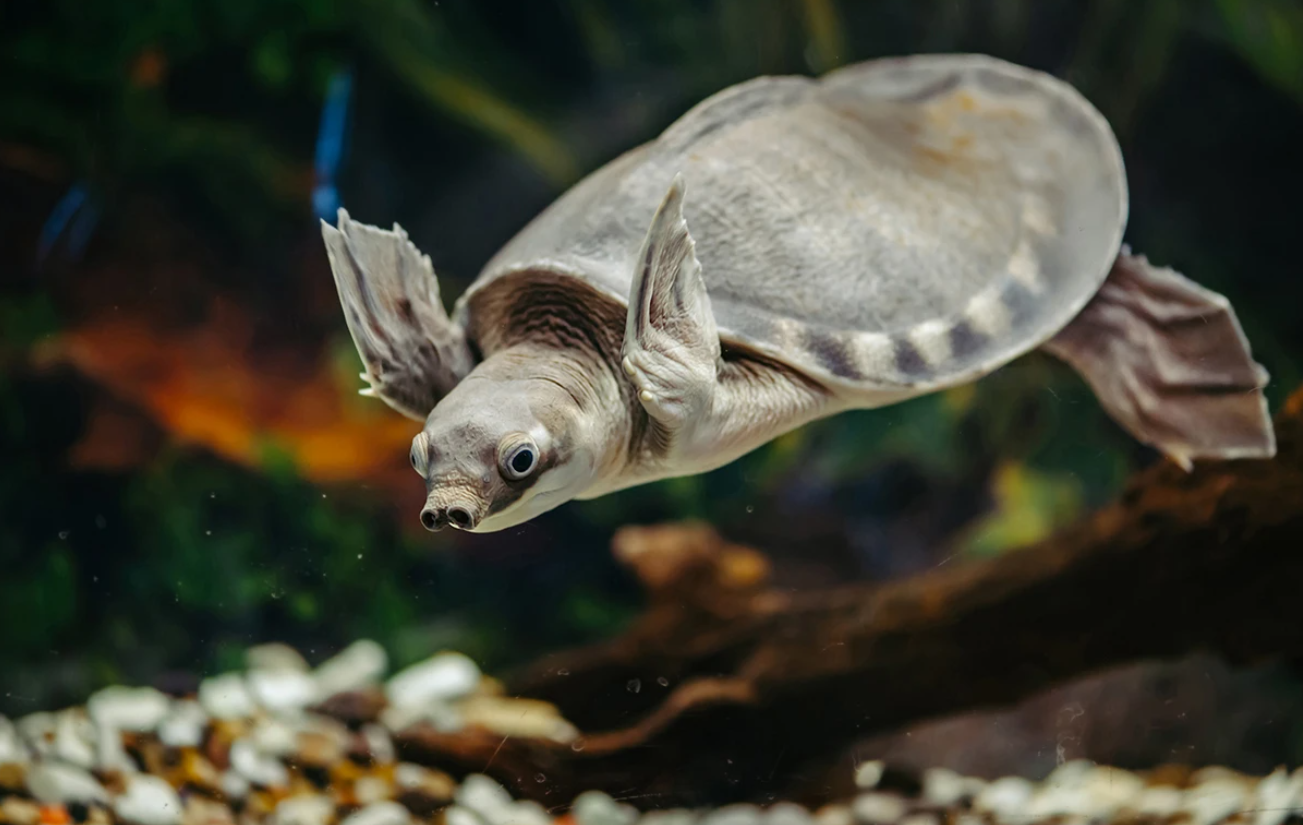
Pig-nosed Turtle
The pig-nosed turtle is the sole surviving species in its family. It lives in the rivers of northern Australia and southern New Guinea, where overharvesting of adults and especially eggs has greatly reduced its populations.

Critically Endangered!!
-
![]()
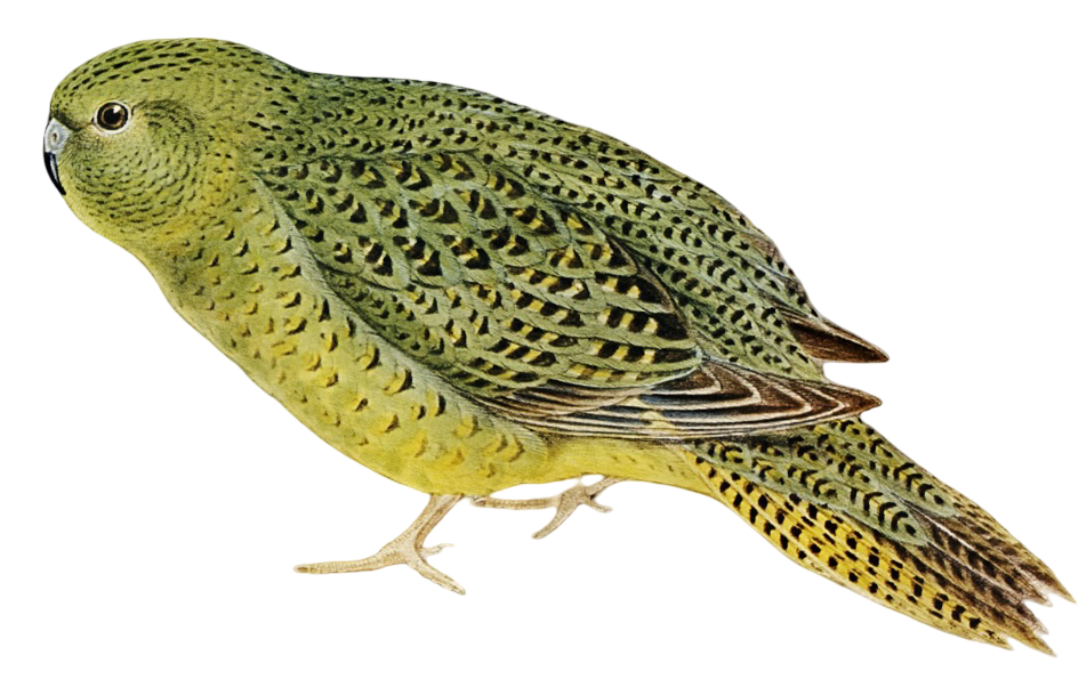
Night Parrot
This Australian parrot spends most of its time on the ground and hiding within spinifex grass. It is so elusive that it was believed to be extinct for almost 80 years.
-
![]()
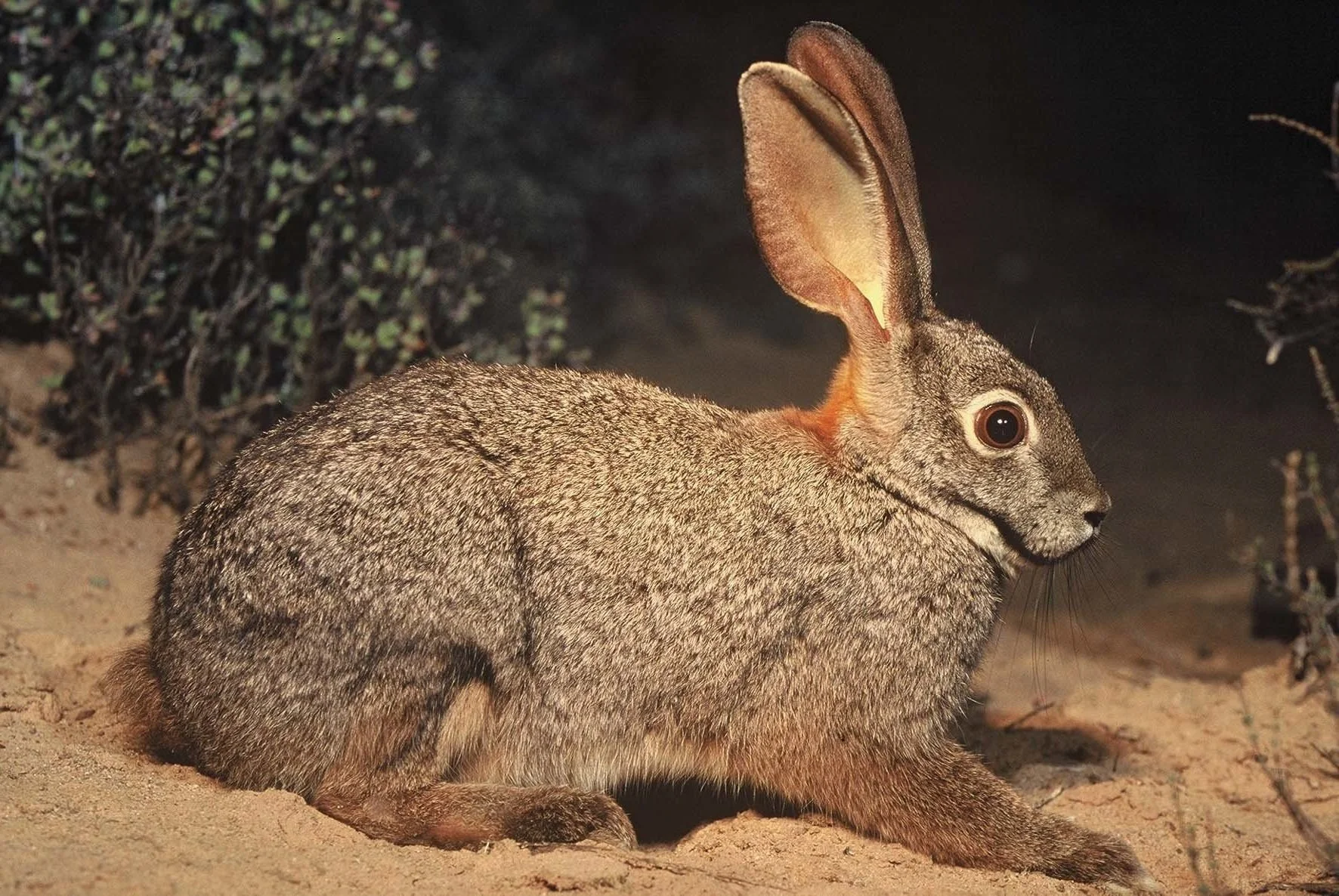
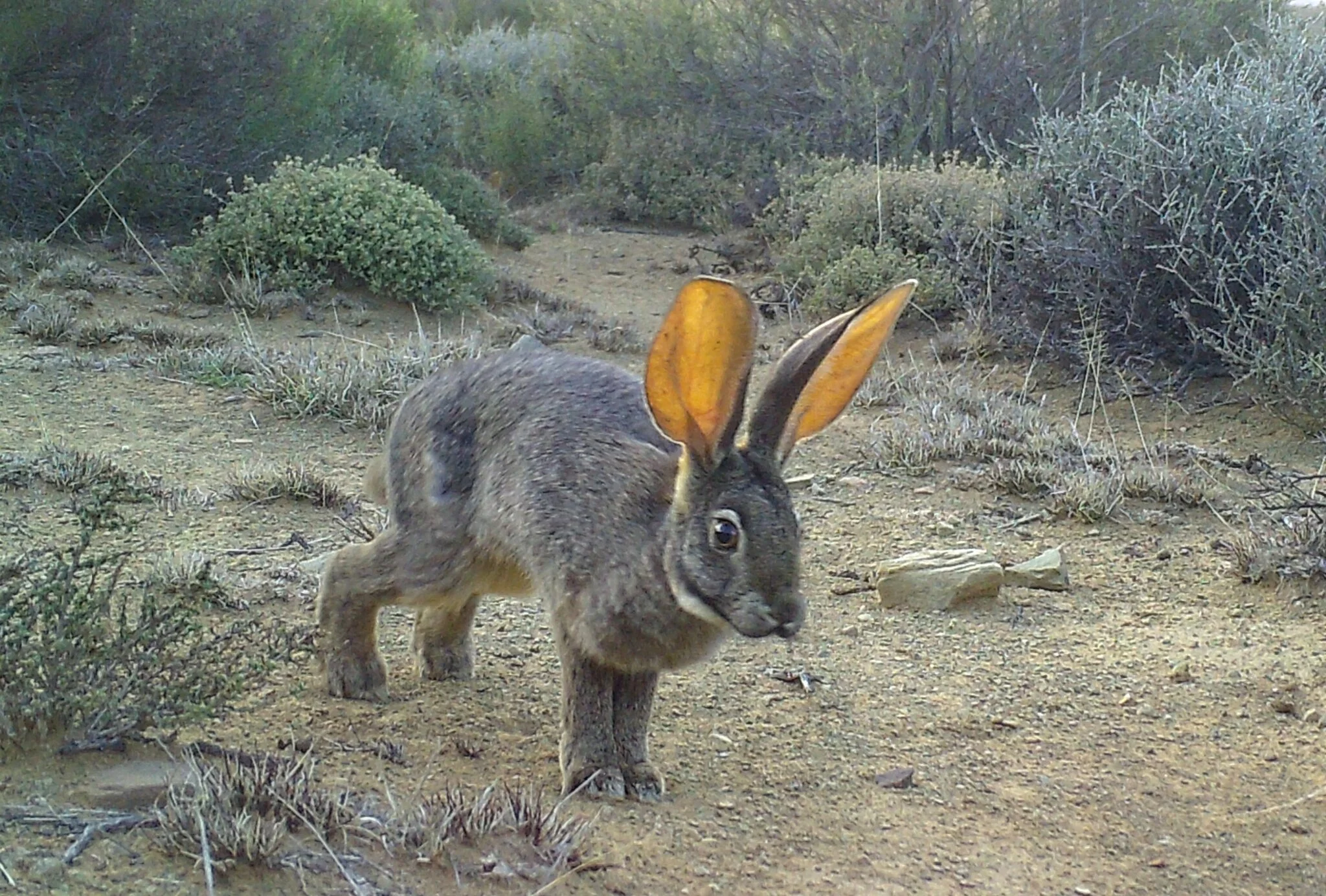
Riverine Rabbit
The riverine rabbit is among the rarest rabbit species in the world. Only around 250 individuals survive in a few areas of the Karoo Desert in South Africa — where they typically live along seasonal rivers.
-
![]()
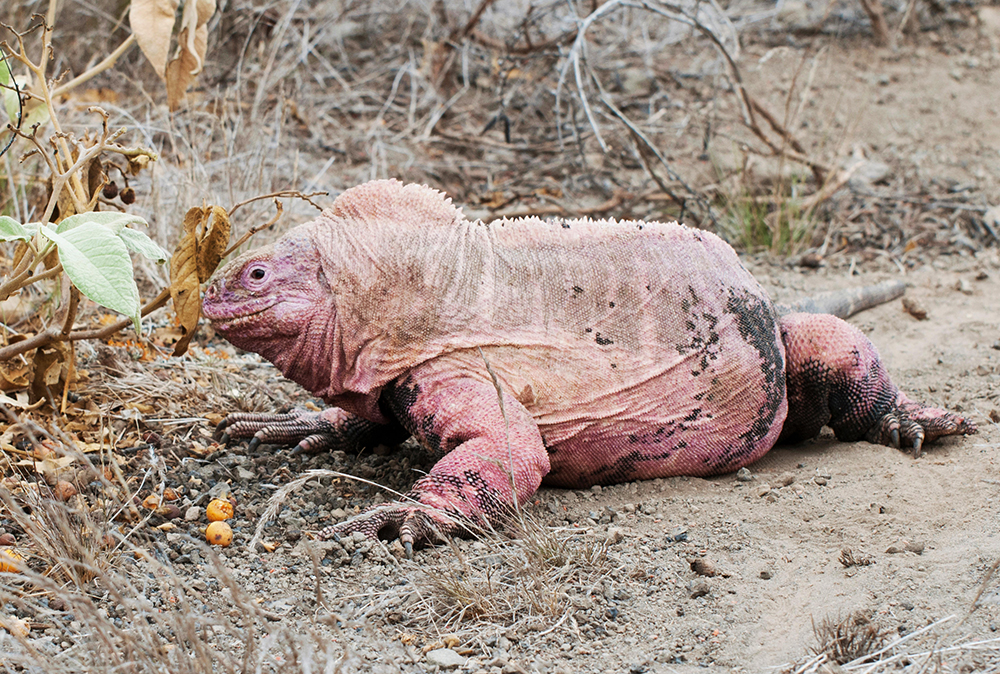
Galápagos Pink Land Iguana
This rosy iguana is found only on the slopes of a single active volcano on one of the Galápagos Islands. There are fewer than 200 left.
-
![]()
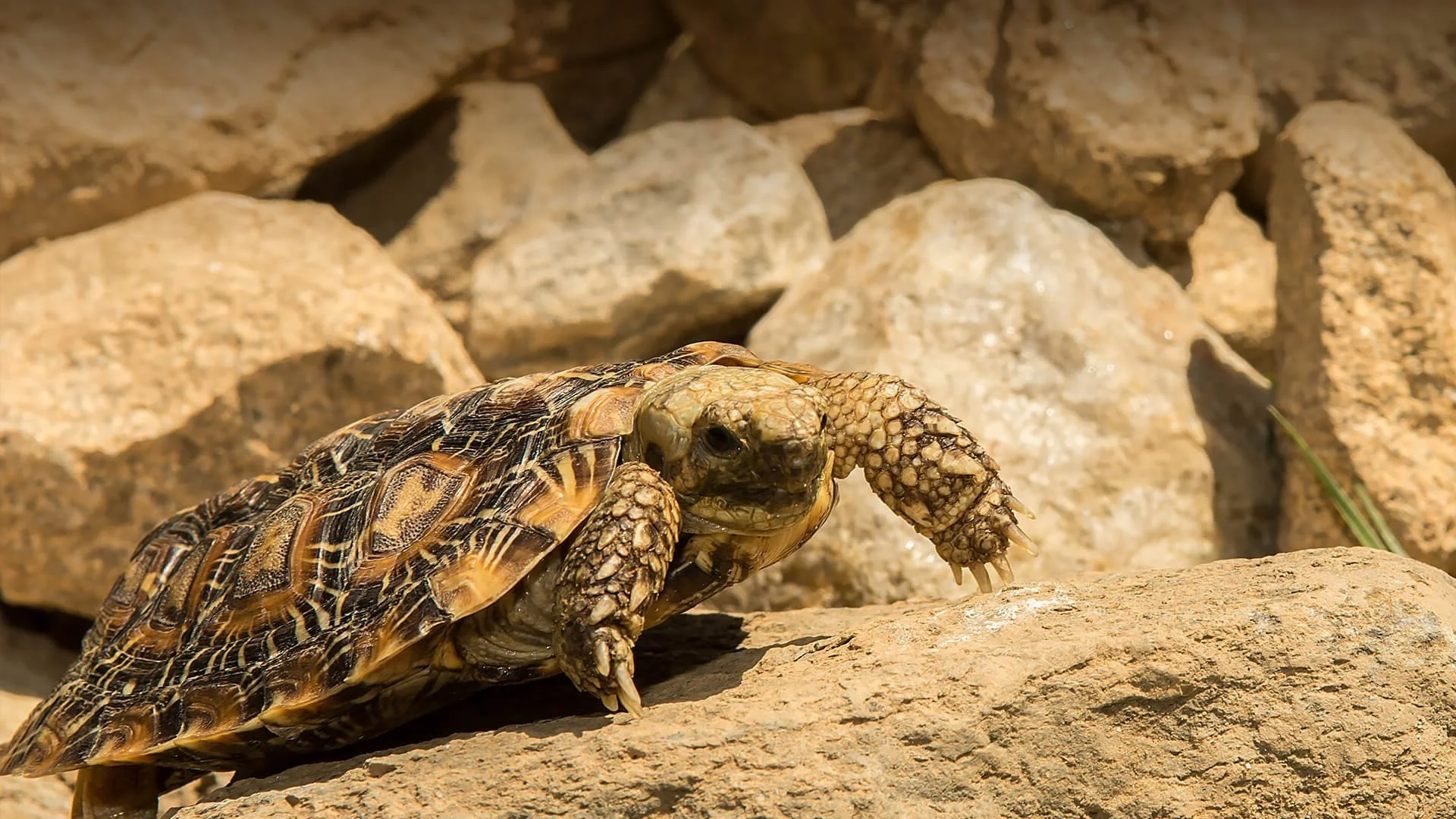
Pancake Tortoise
This flattened tortoise, known to wedge itself between rocks when threatened, suffers from habitat destruction and the illegal pet trade.
-
![]()
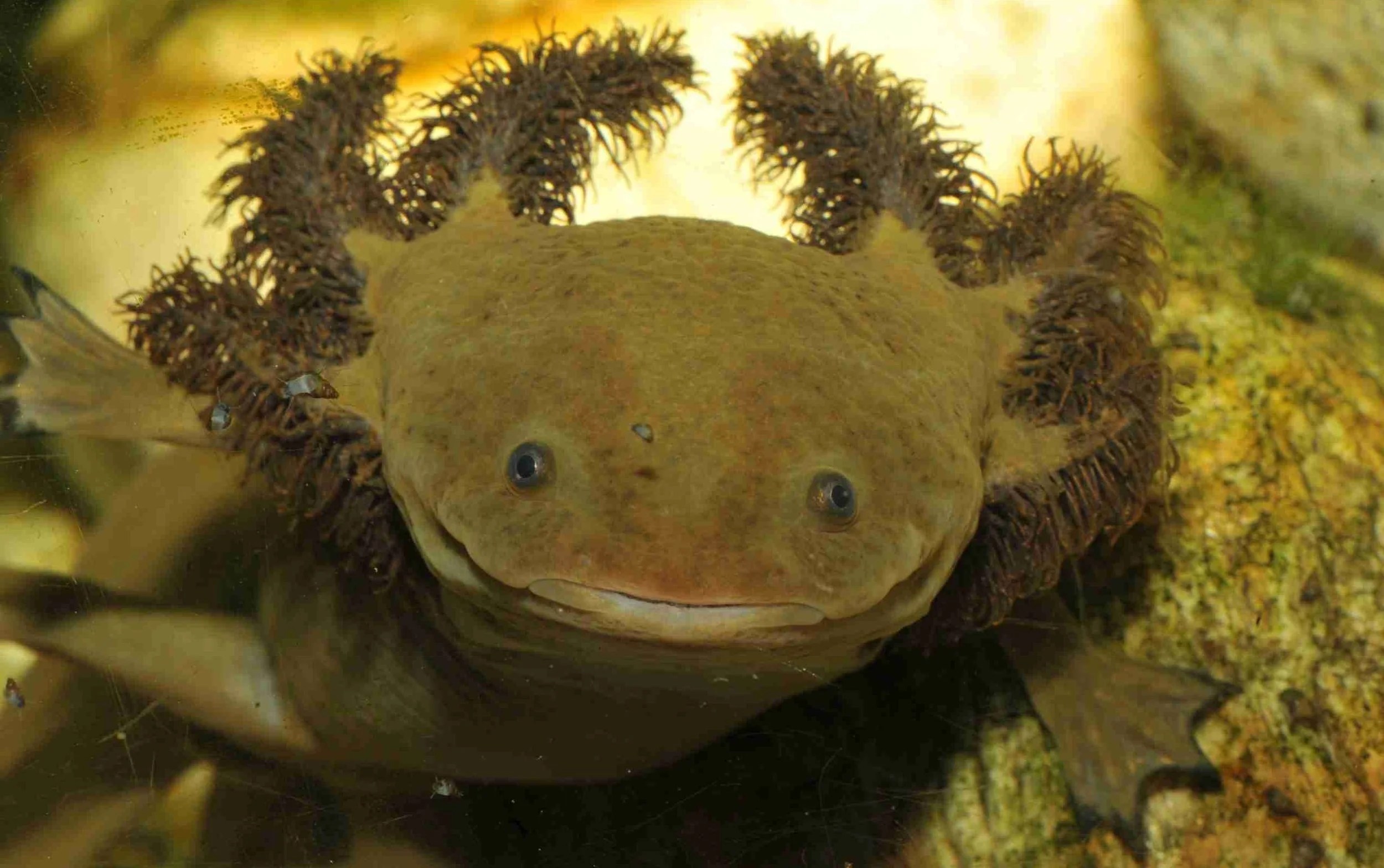
Lake Pátzcuaro Salamander
This salamander lives solely in its namesake lake in the high mountains of central mexico, with an estimated population of less than 100 in the wild. For 150 years, nuns in a nearby convent have been raising a population in captivity — keeping the species alive, but using them in "cough medicine".
-
![]()
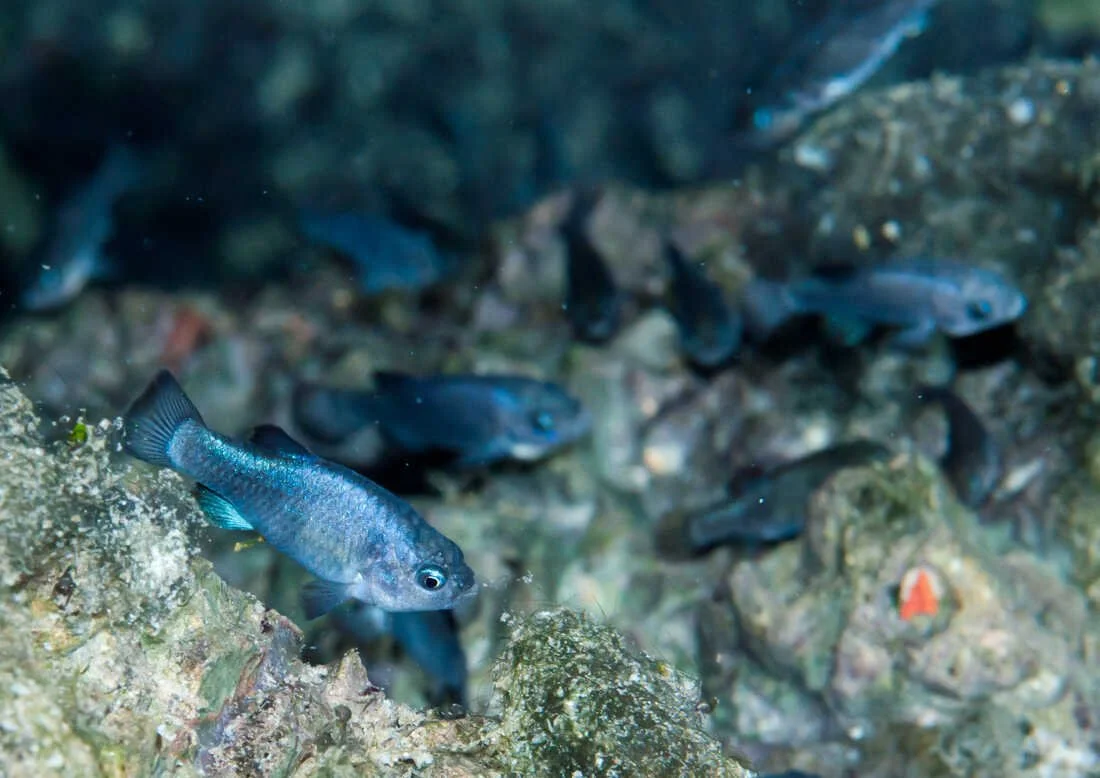
Devil's Hole Pupfish
The Devils Hole pupfish is perhaps the rarest fish in the world. It lives in the desert; its entire population is found in one 33.8°C (93°F) pool — mostly on a 3.5 by 5 m (11 by 16 ft) rock shelf — inside a cave in Death Valley, Nevada.
-
![]()
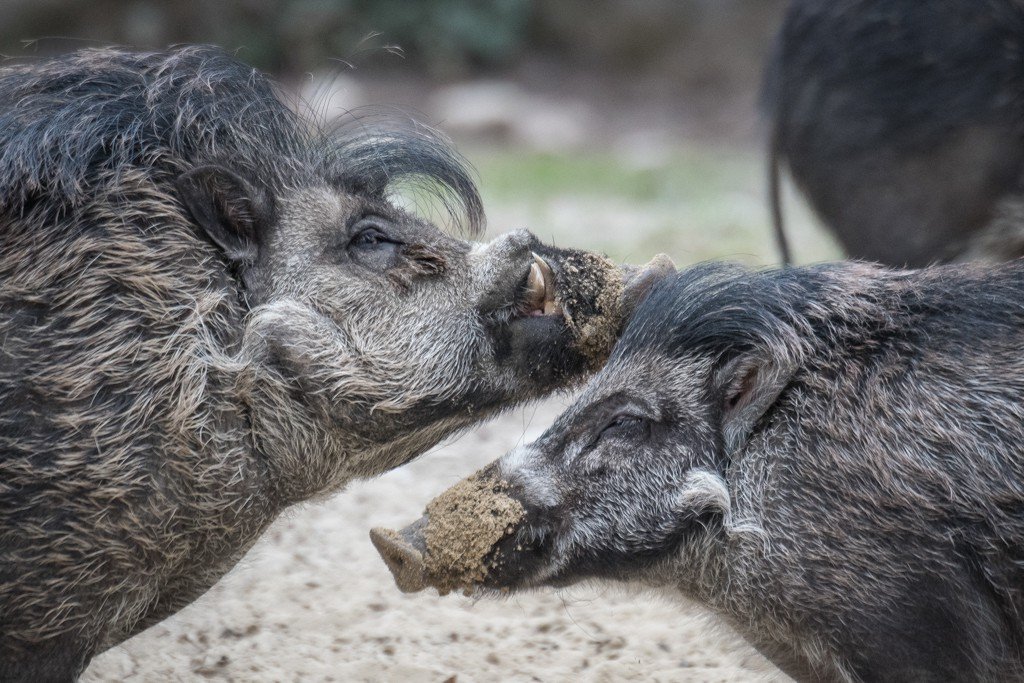
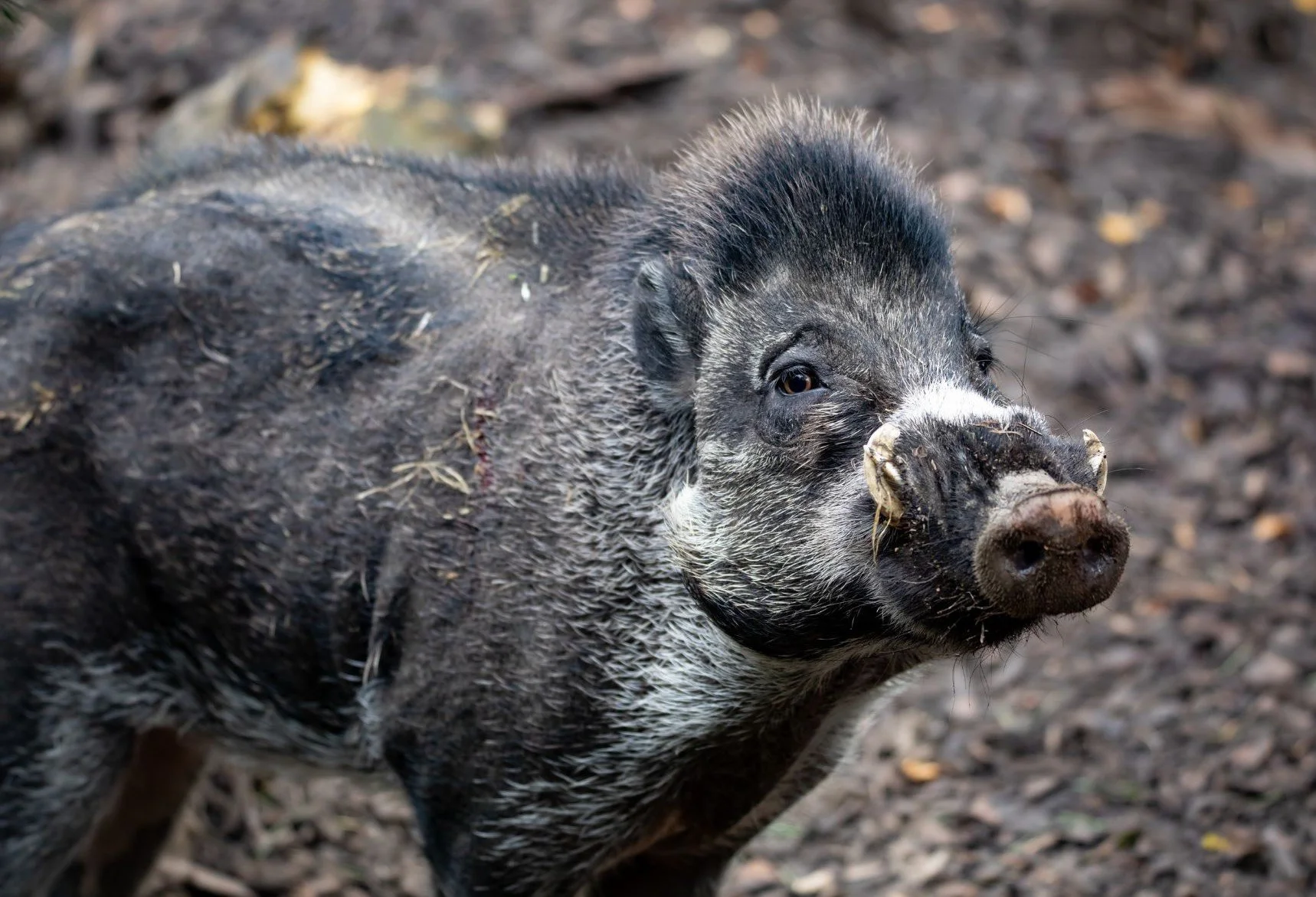
Visayan Warty Pig
This stylish pig species is only found on two Philippine islands, where only 2% of its natural habitat remains.
-
![]()
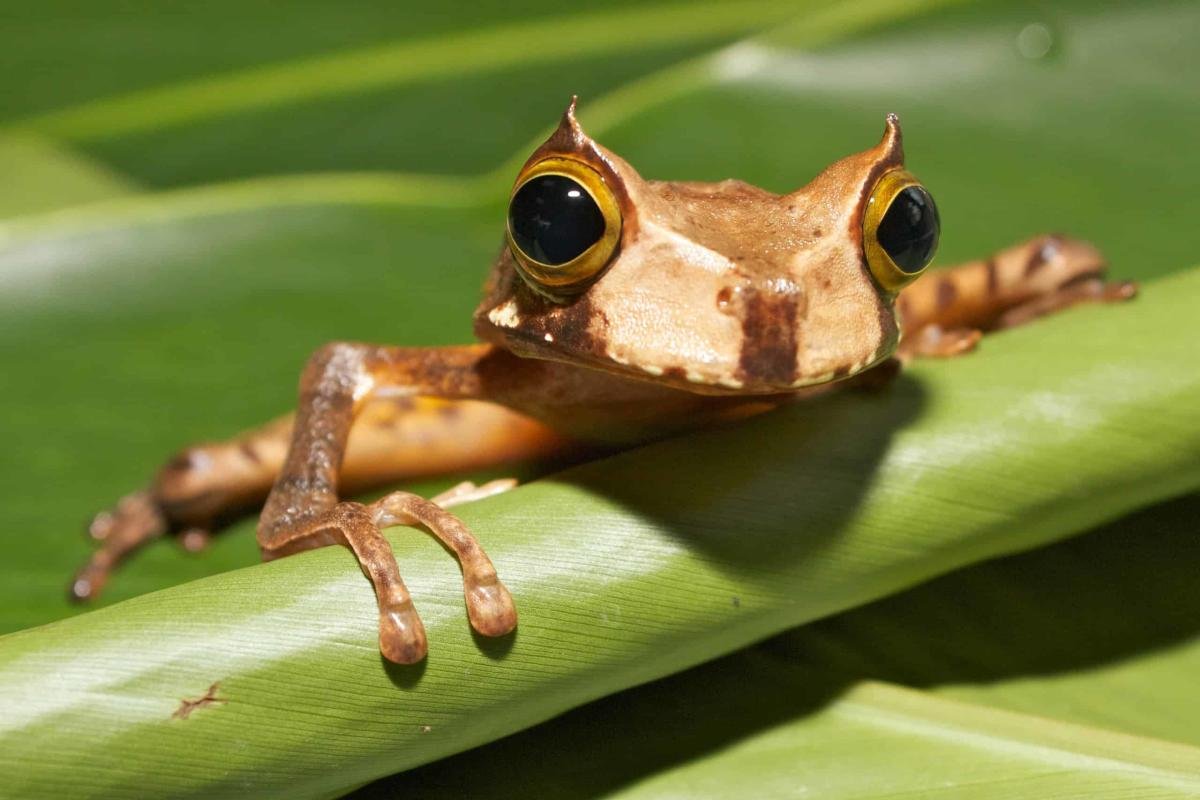
Horned Marsupial Frog
This South American frog carries its massive eggs inside a pouch on its back. In several countries, its population has declined by over 80% in the past 15 years.
-
![]()
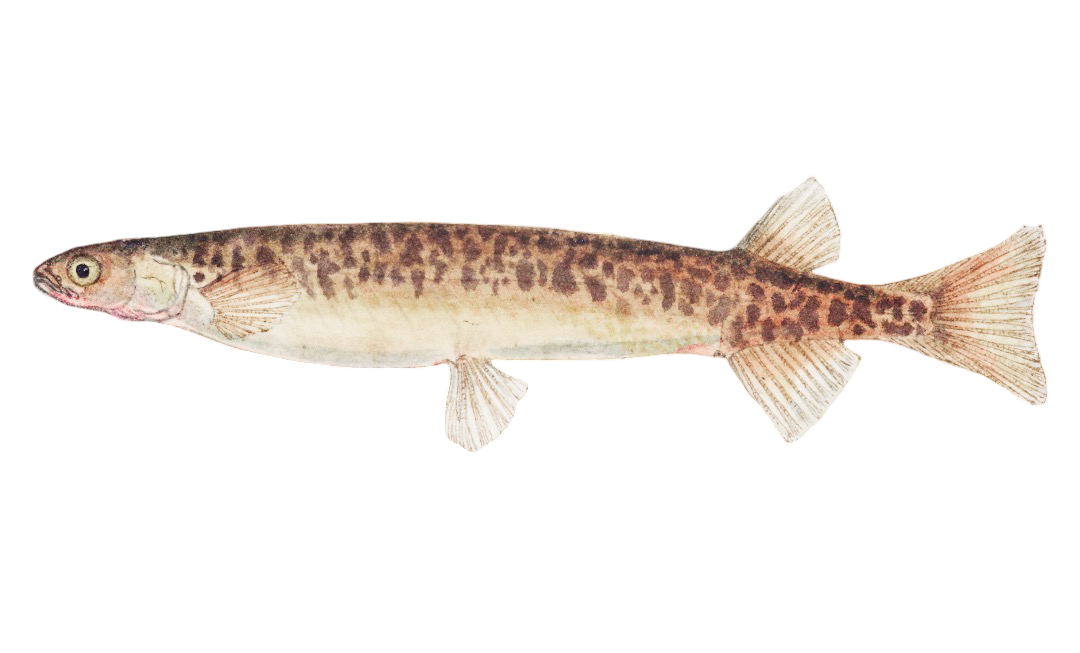
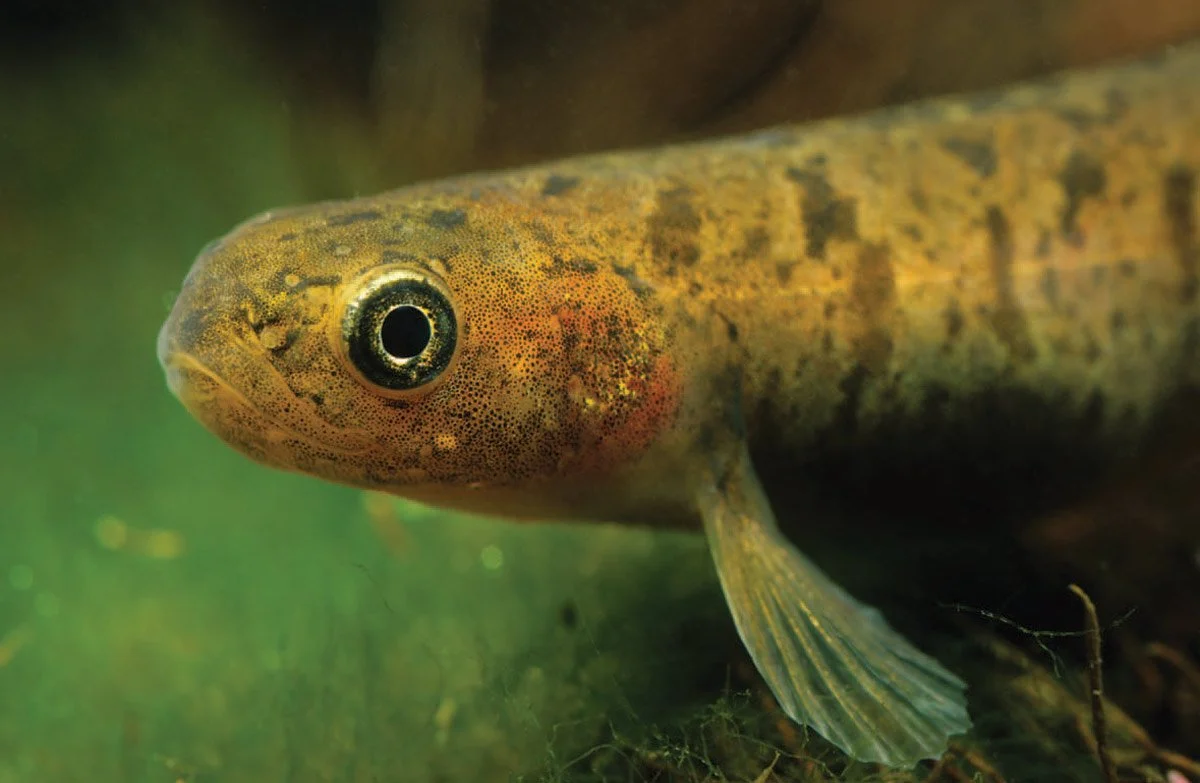
Gollum Galaxias
Named for the Tolkien character, this freshwater fish from New Zealand is considered 'Threatened – Nationally Vulnerable' and, on a global scale, 'Critically Endangered', with its population decreasing.
-
![]()
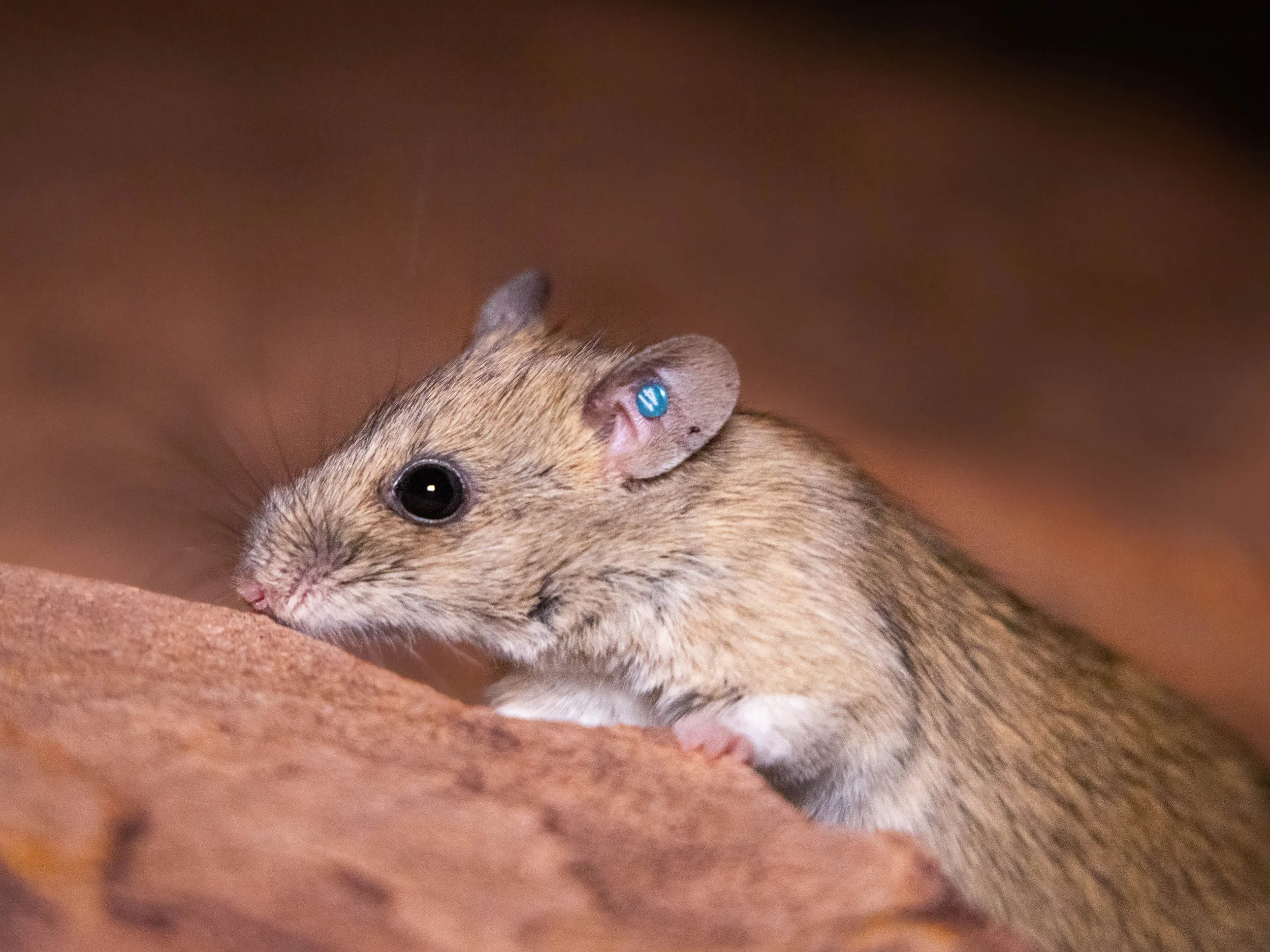
Central Rock Rat
The central rock rat lives in central Australia around and among rocks — sheltering in crevices during days that can reach a blistering 50°C (122°F). Threatened by bushfires and invasive predators, its range has shrunk by around 95%.
-
![]()
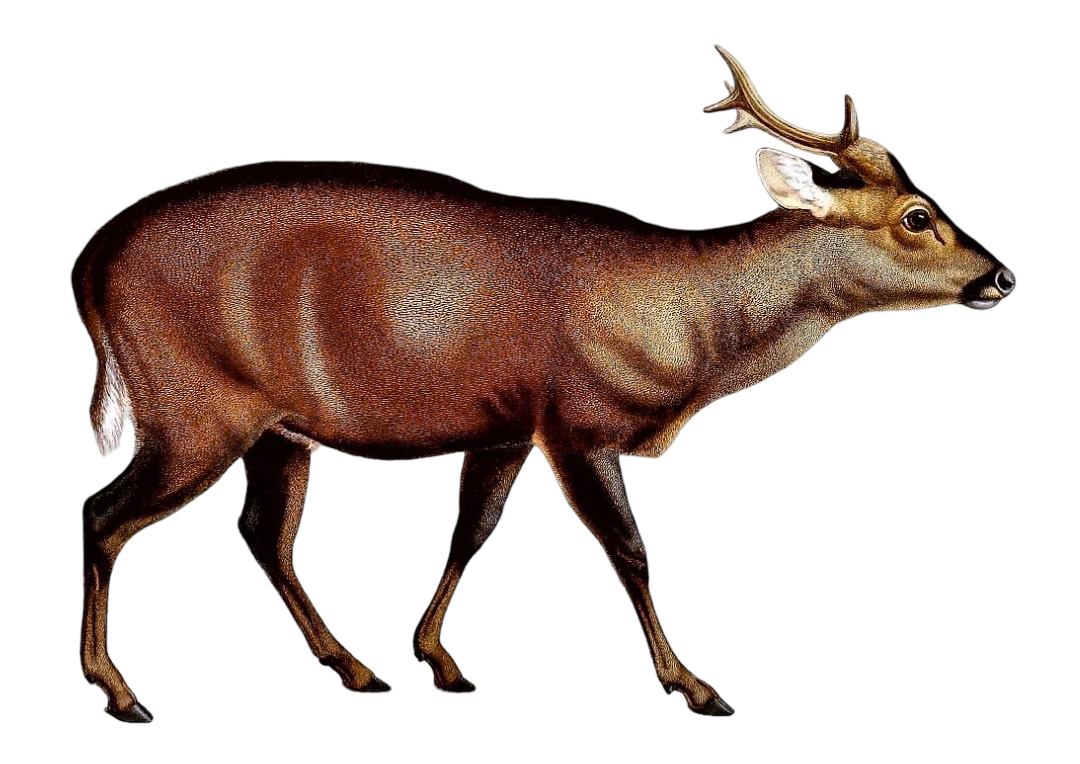
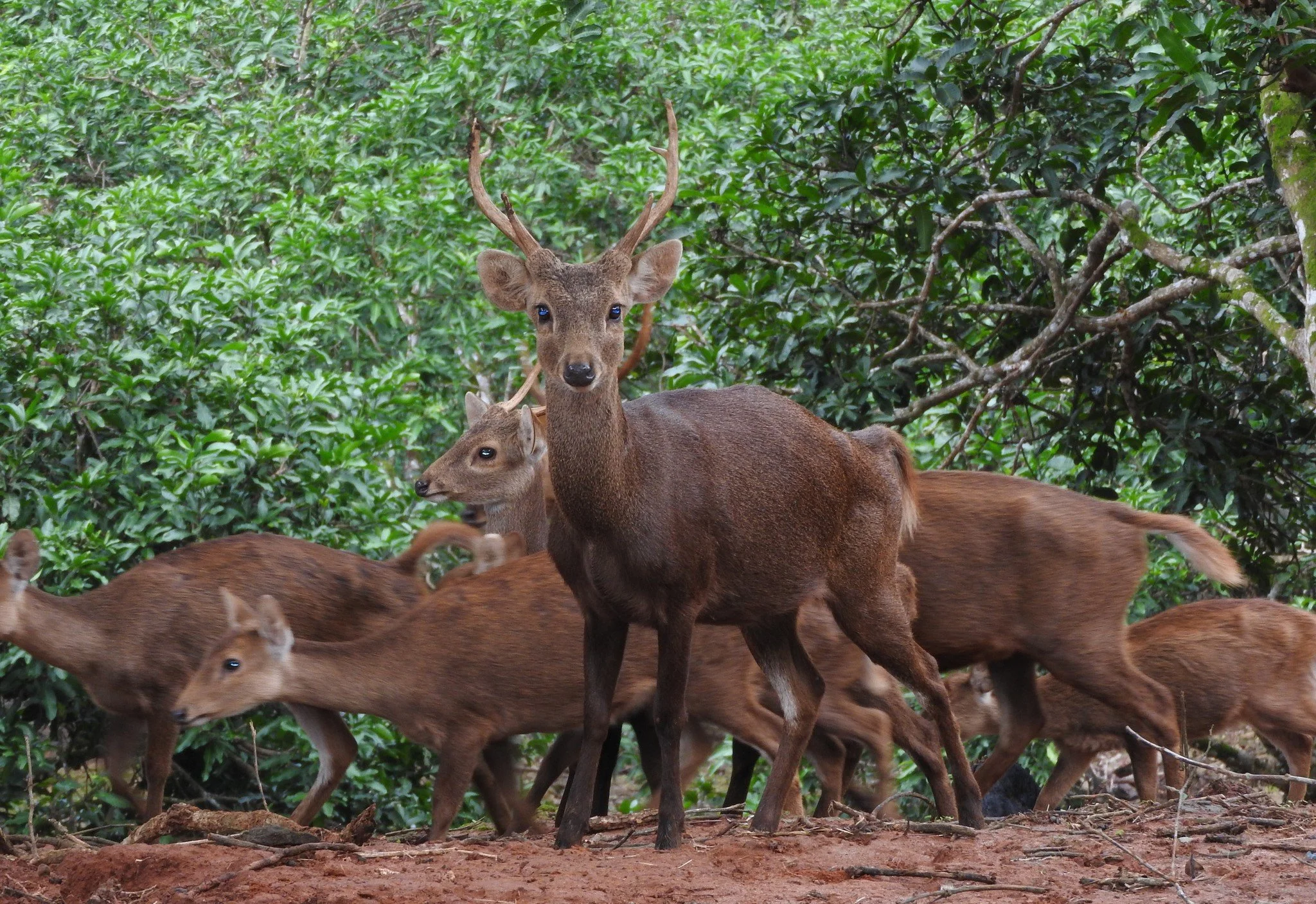
Bawean Hog Deer
The Bawean hog deer is the rarest deer in the world. It's only found on the small Indonesian island of Bawean and is considered 'critically endangered' — with an estimated population of fewer than 300 individuals.
-
![]()
Russian Desman
Desmans were more numerous once. Today, however, the Russian is one of only two species left. It lives near slow-moving waters and builds complex burrows with multiple exits in case of flooding.

Threats To
Endangered Species
Riverine Rabbit
Visayan Warty Pig
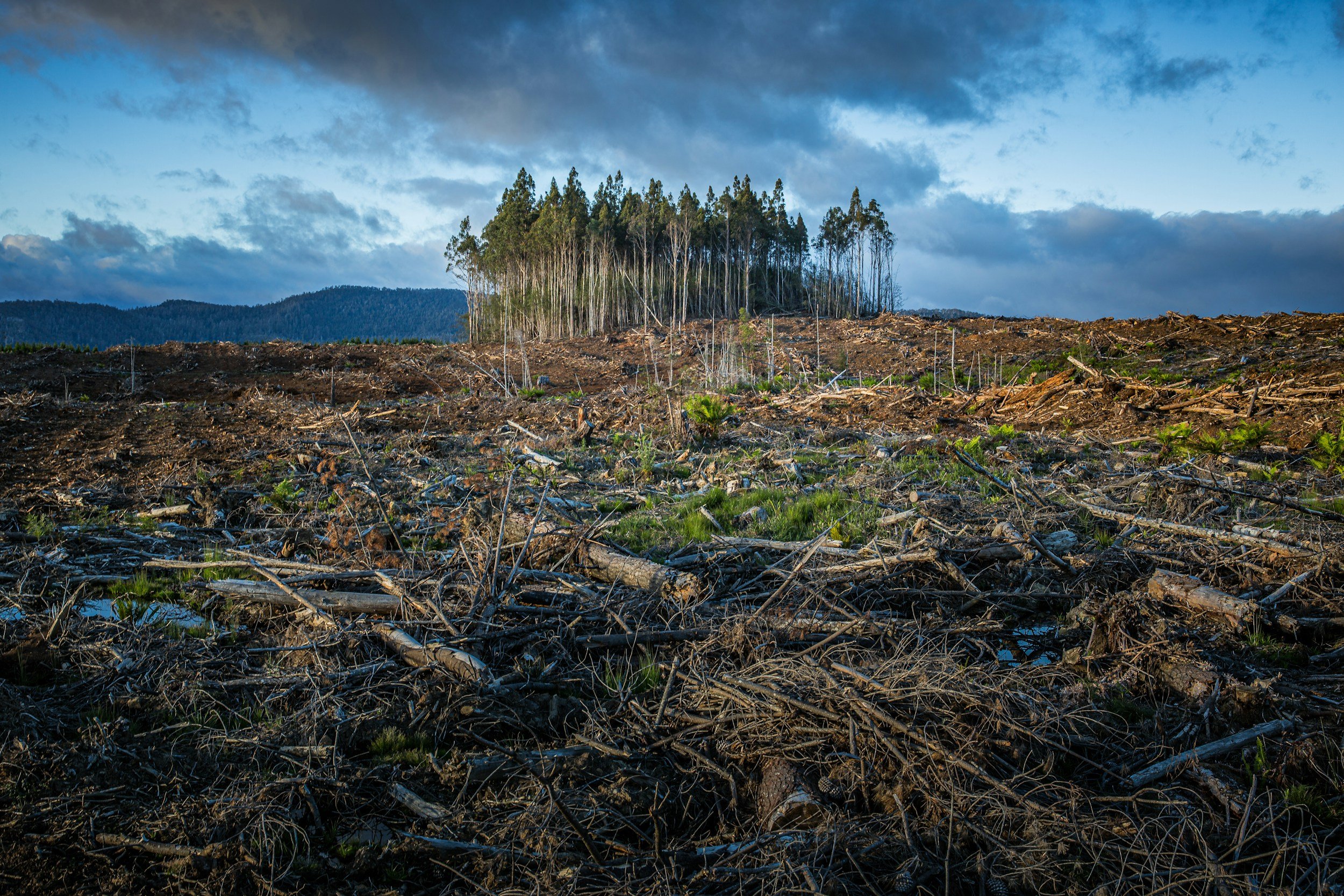
Habitat Destruction
Habitat destruction is the single biggest threat to endangered species worldwide.
Blakiston’s Fish-Owl
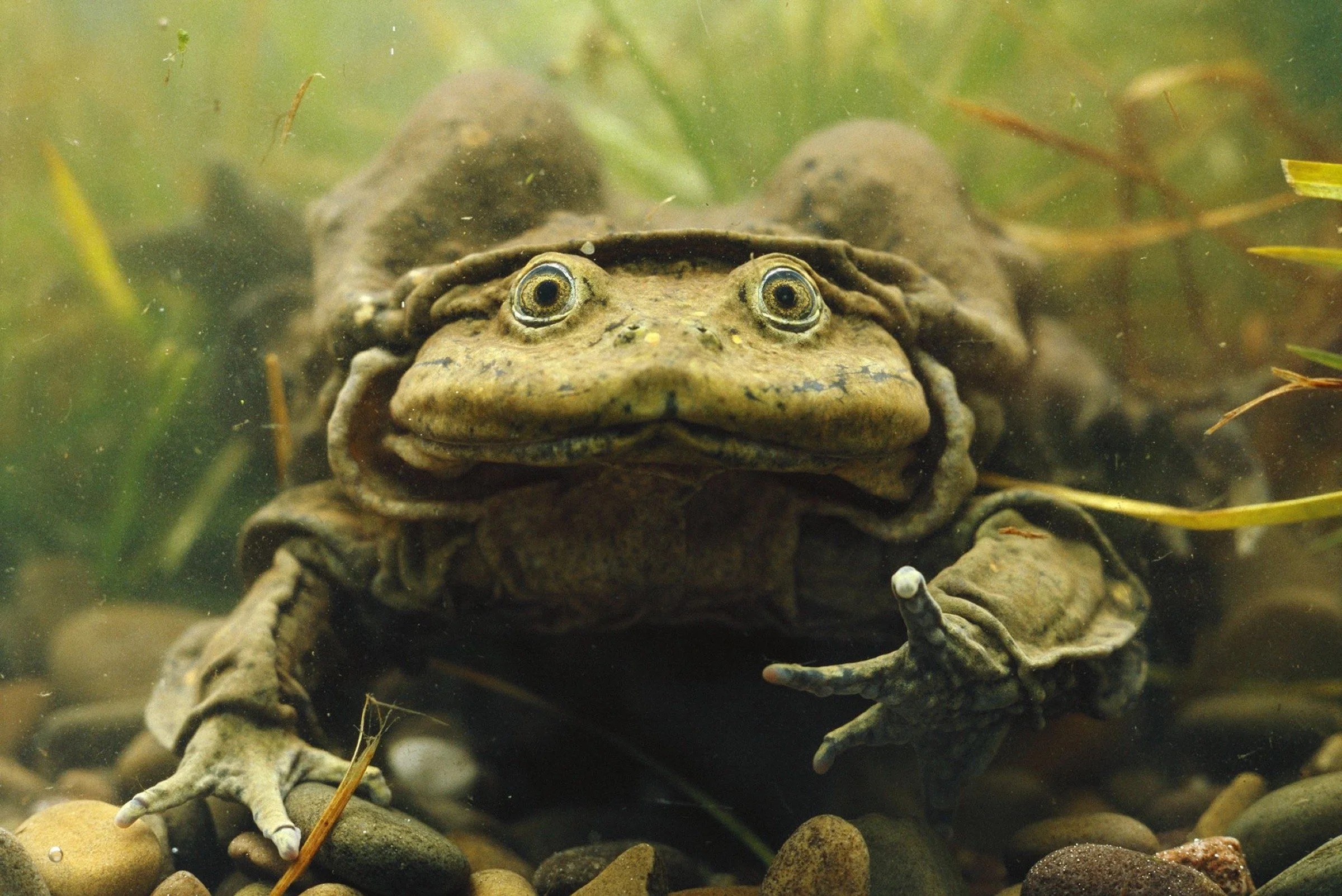
Titicaca Water Frog
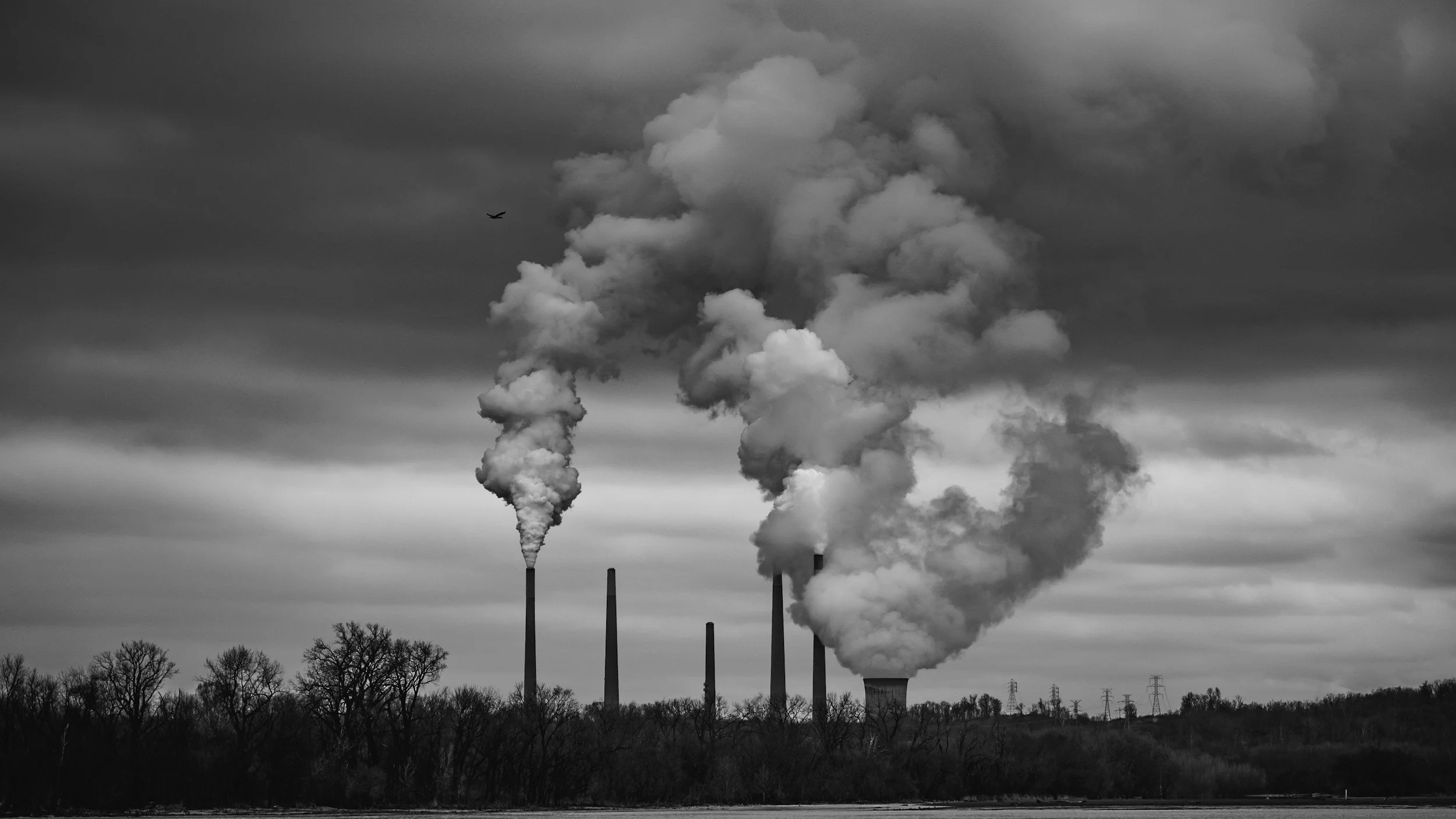

Pollution
Pollution of air and water kills millions of animals — from whales to birds to frogs — every year.
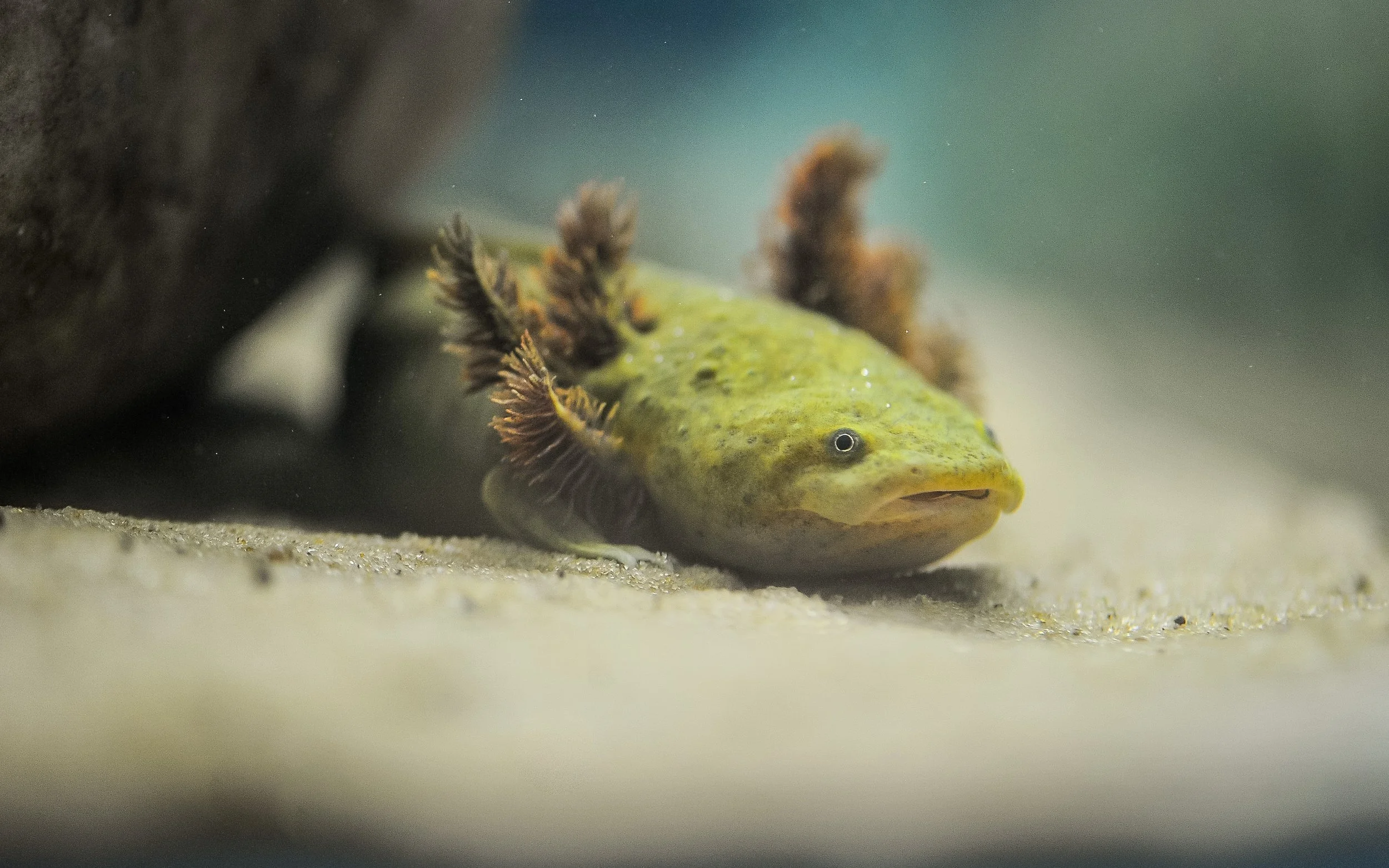
Lake Pátzcuaro Salamander
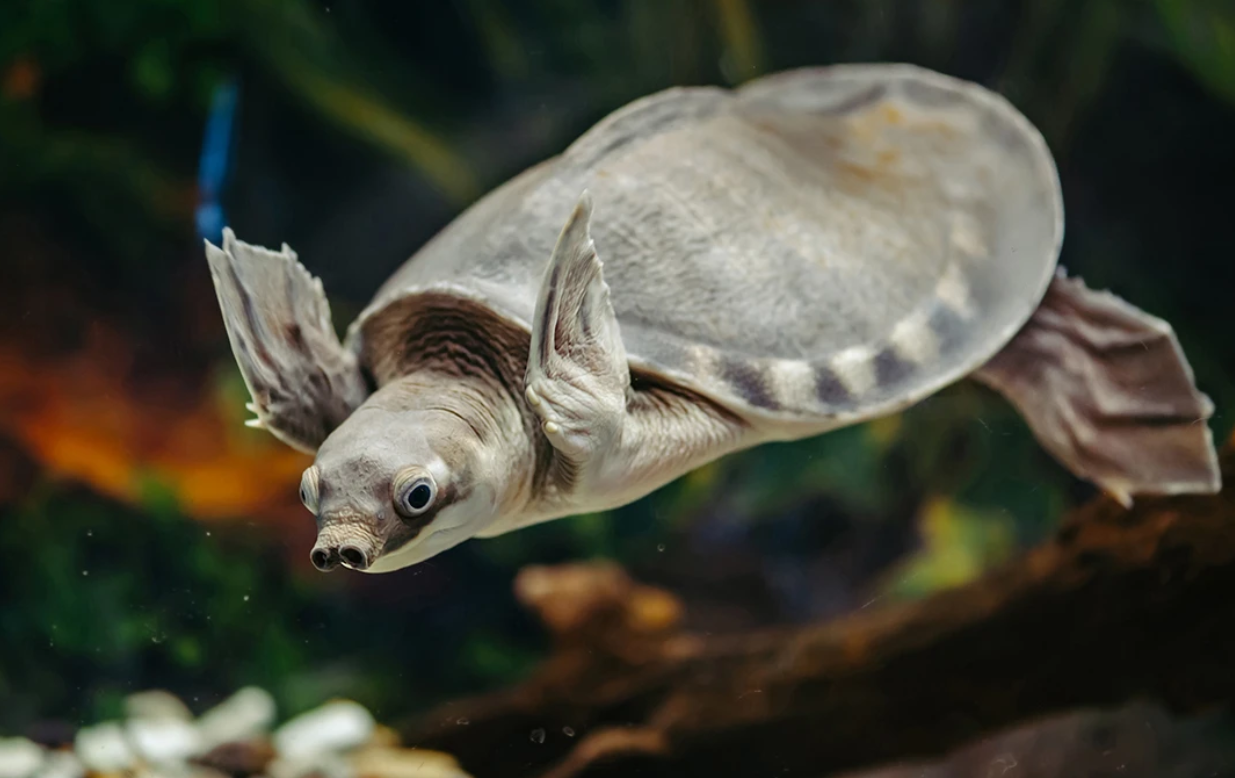
Pig-nosed Turtle
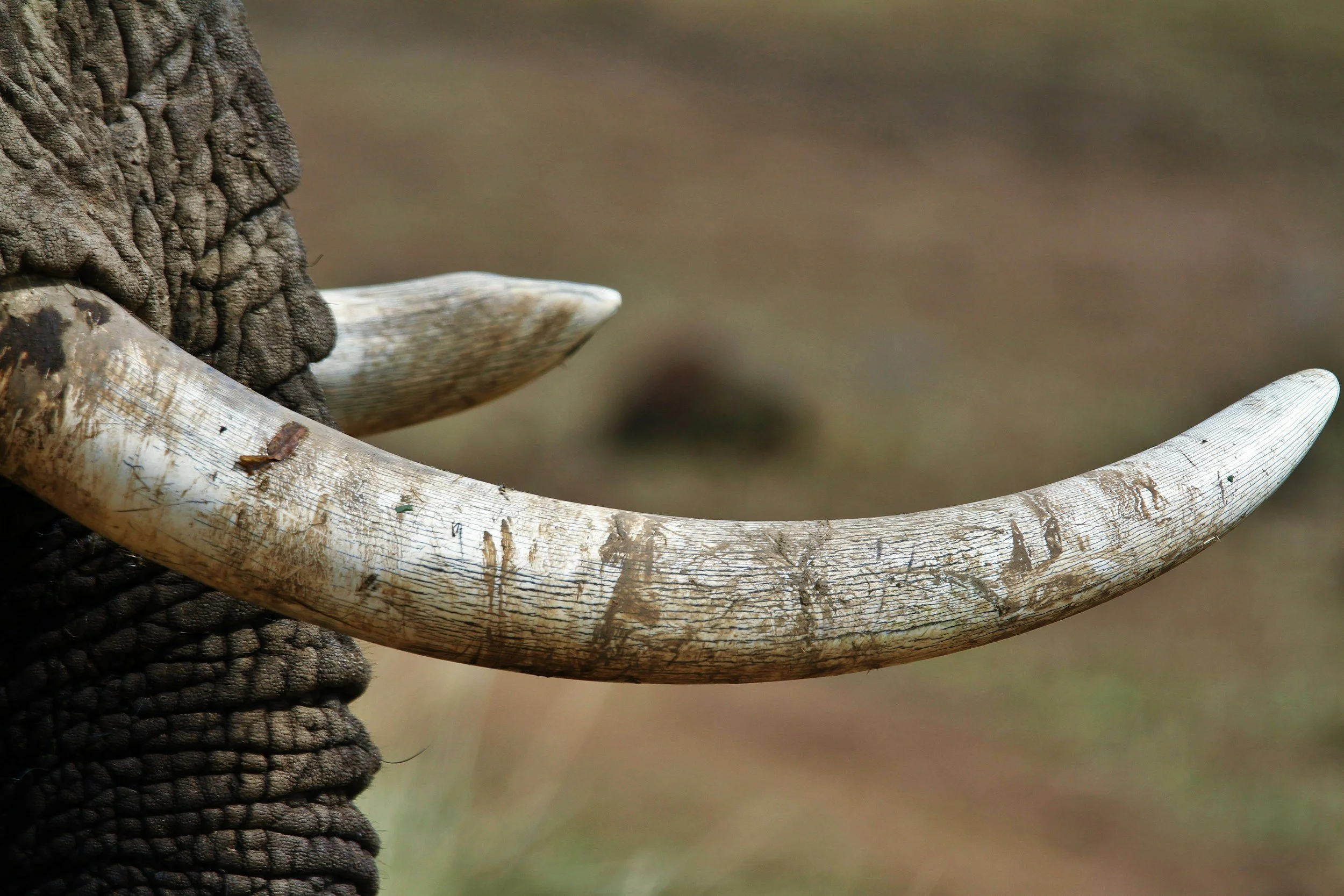
Poaching / Overharvesting
From elephants to pangolins, dazzling birds-of-paradise to odd turtles; we are losing some of our most intelligent, charismatic, beautiful, and unique creatures to poaching.
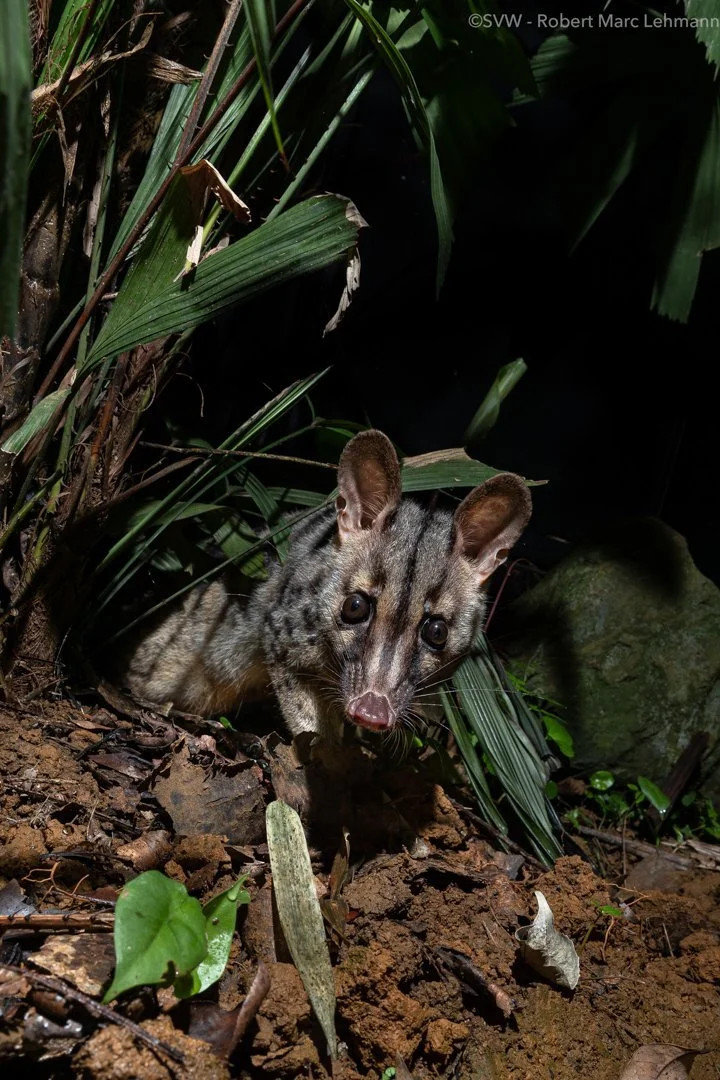
Owston’s Civet
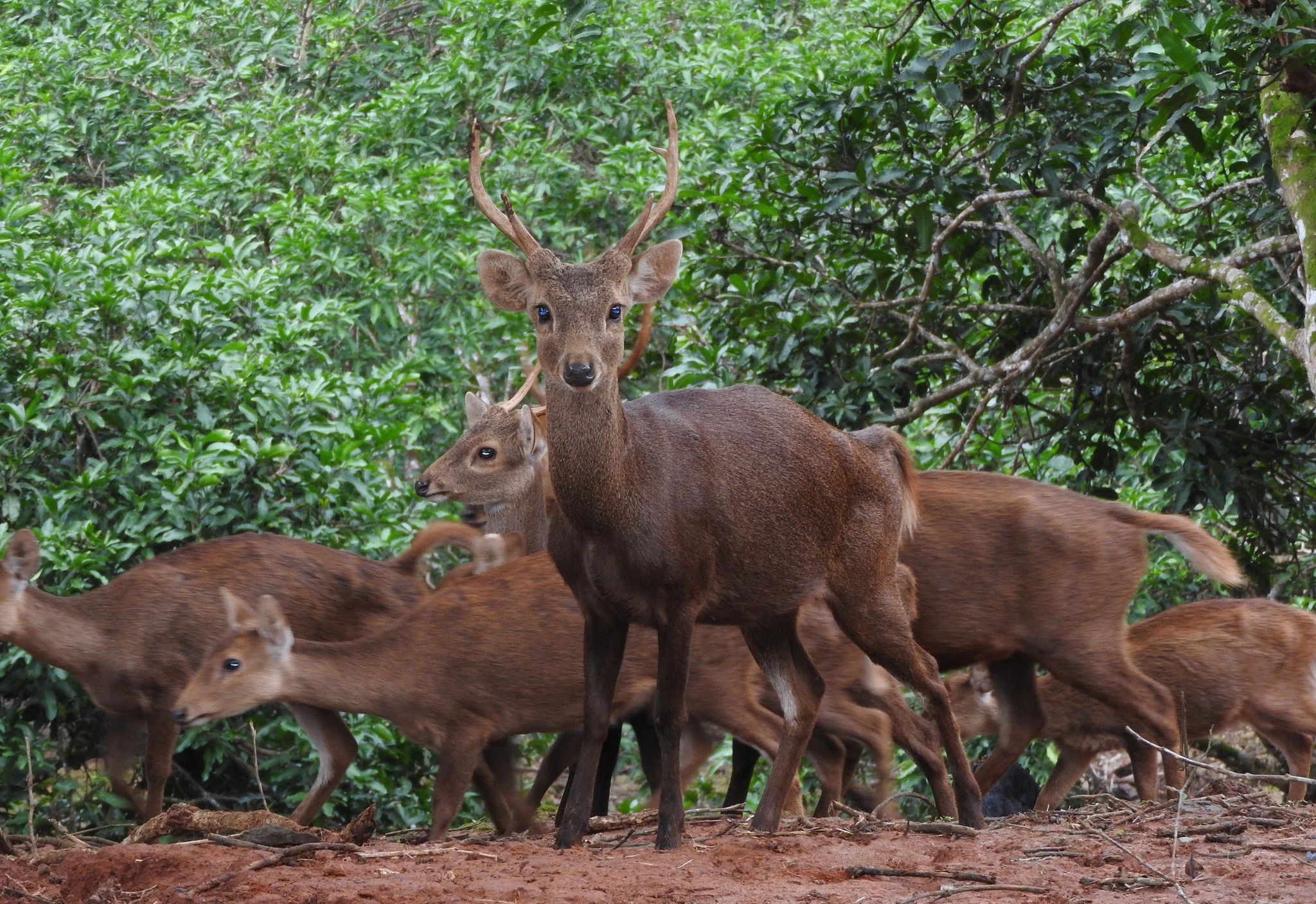
Bawean Hog Deer
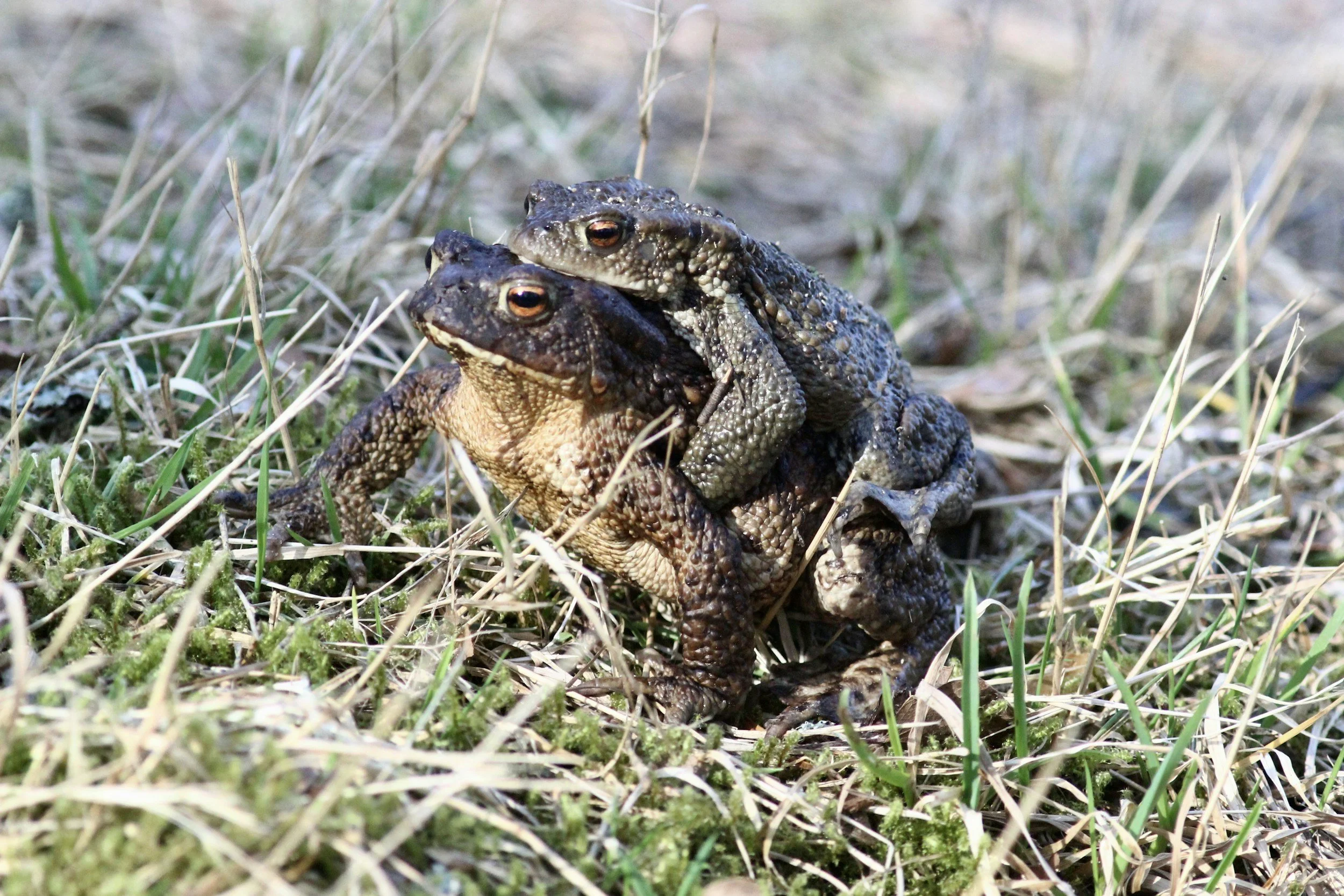
Invasive Species
An estimated 42% of the world’s threatened or endangered species are at risk from invasive species.
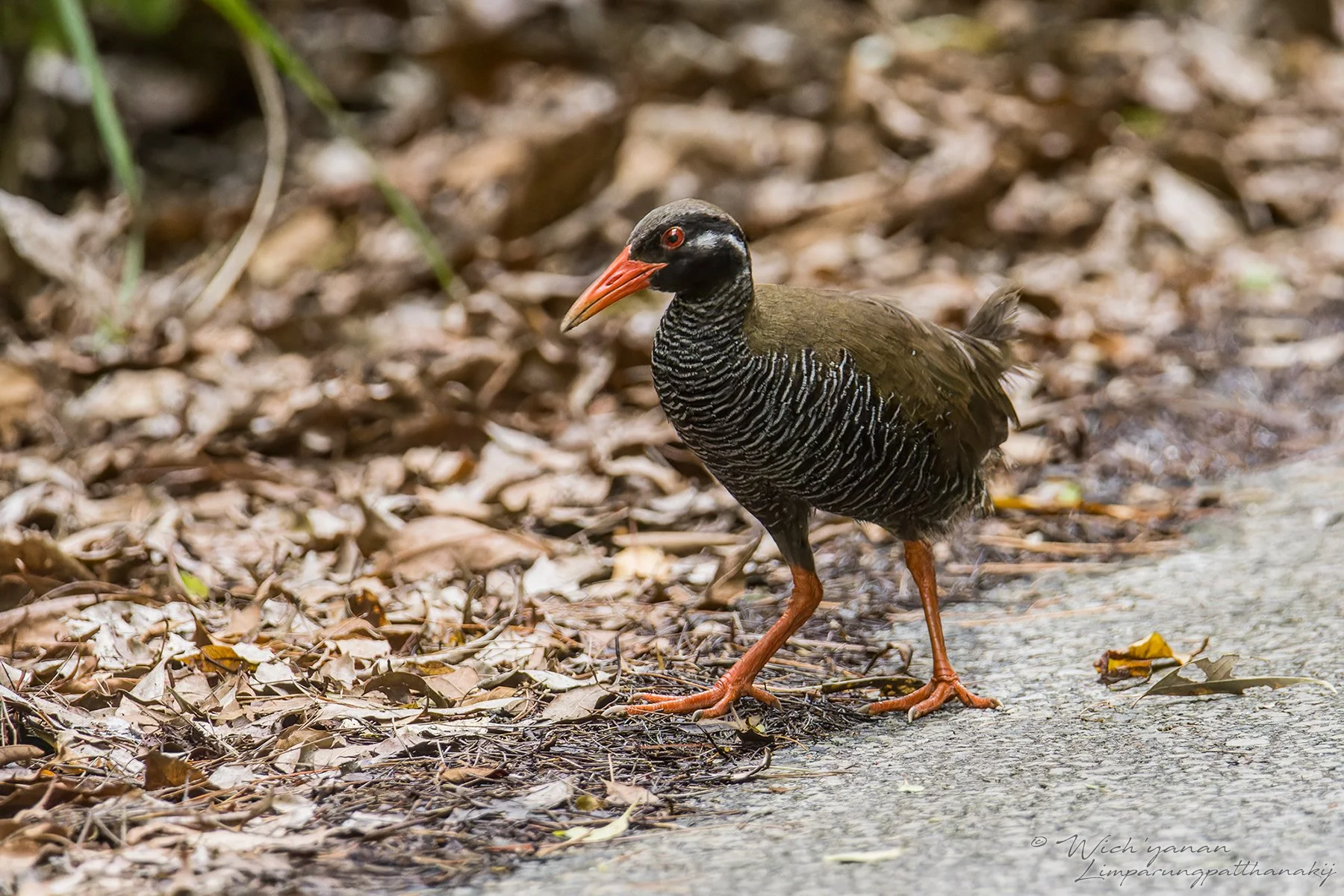
Okinawa Rail

Tasmanian Devil
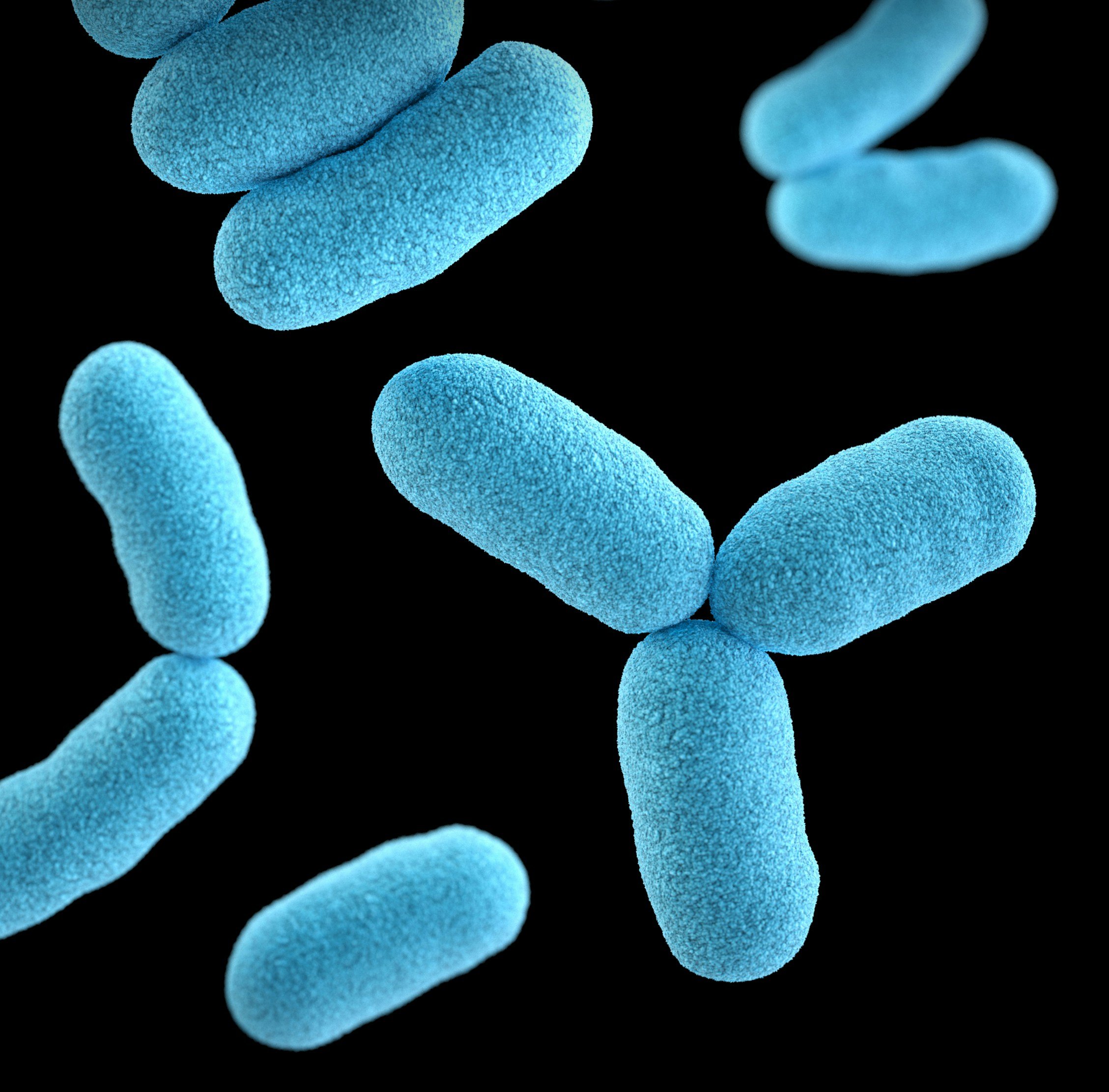
Disease
For certain species and groups — Tasmanian devils, koalas, Hawaiian honeycreepers, and amphibians — disease is a major driving threat.
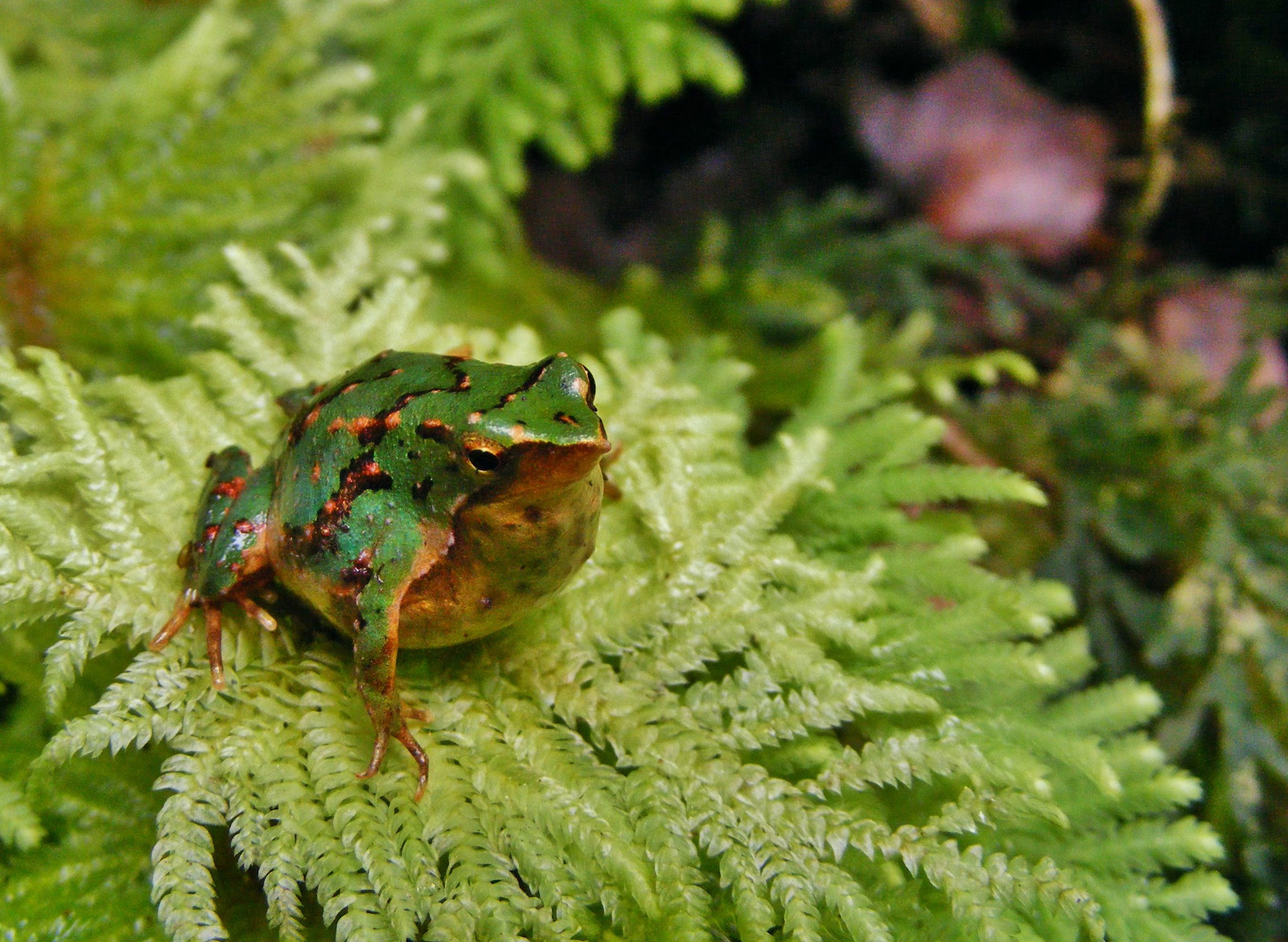
Darwin’s Frog
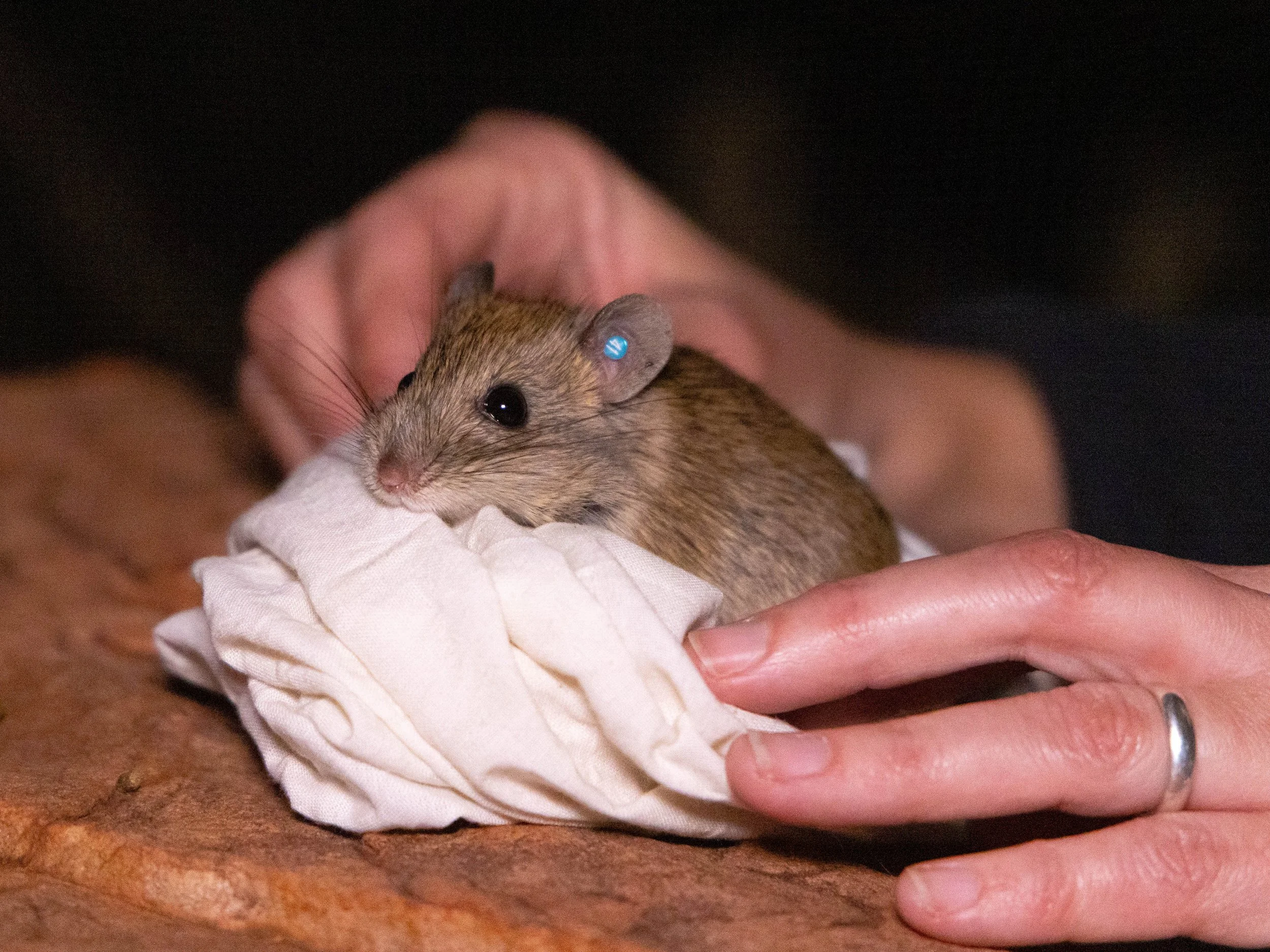
Central Rock Rat
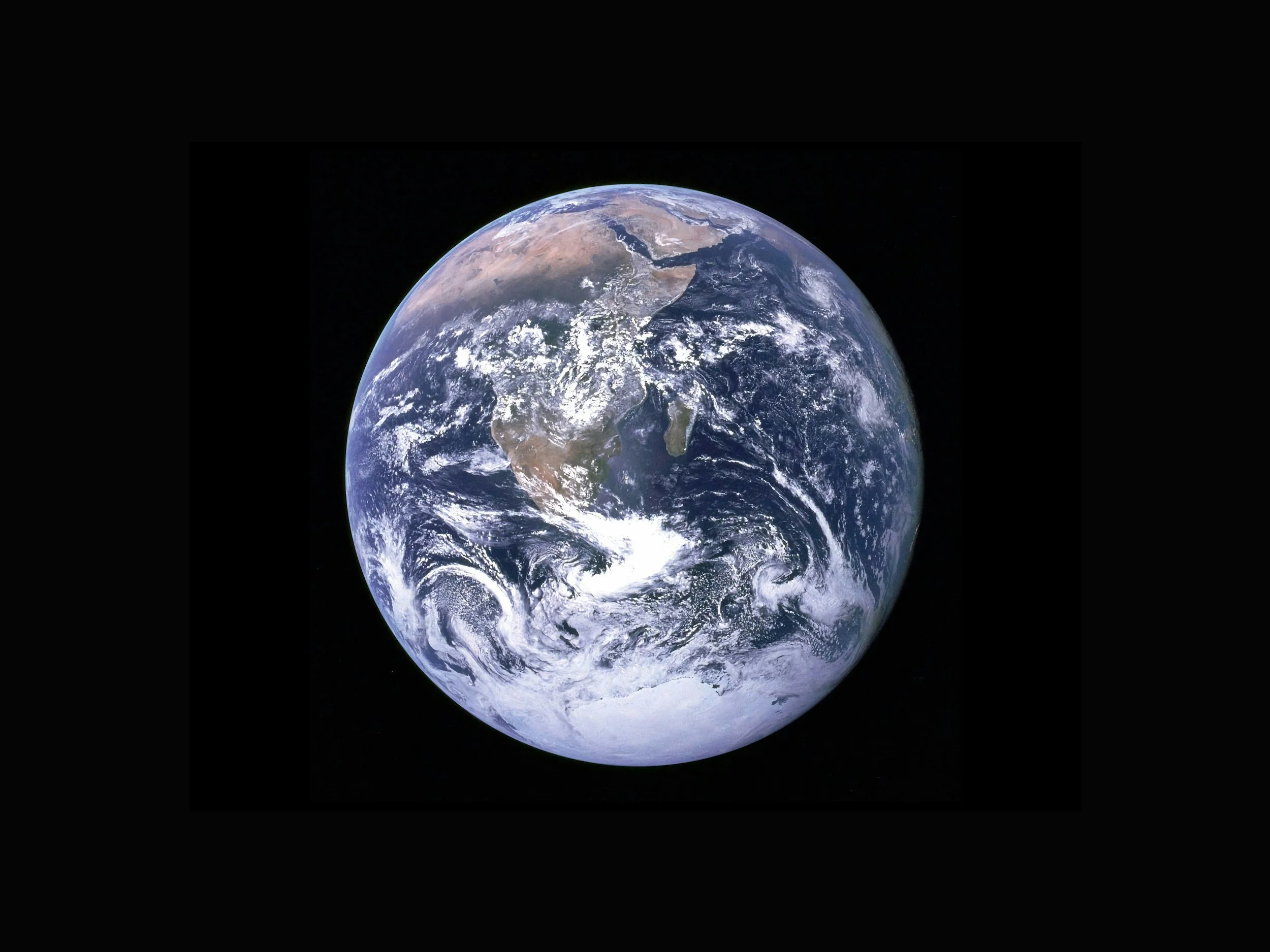
Climate Change
If climate changes proceed as expected, one in six species could face extinction.
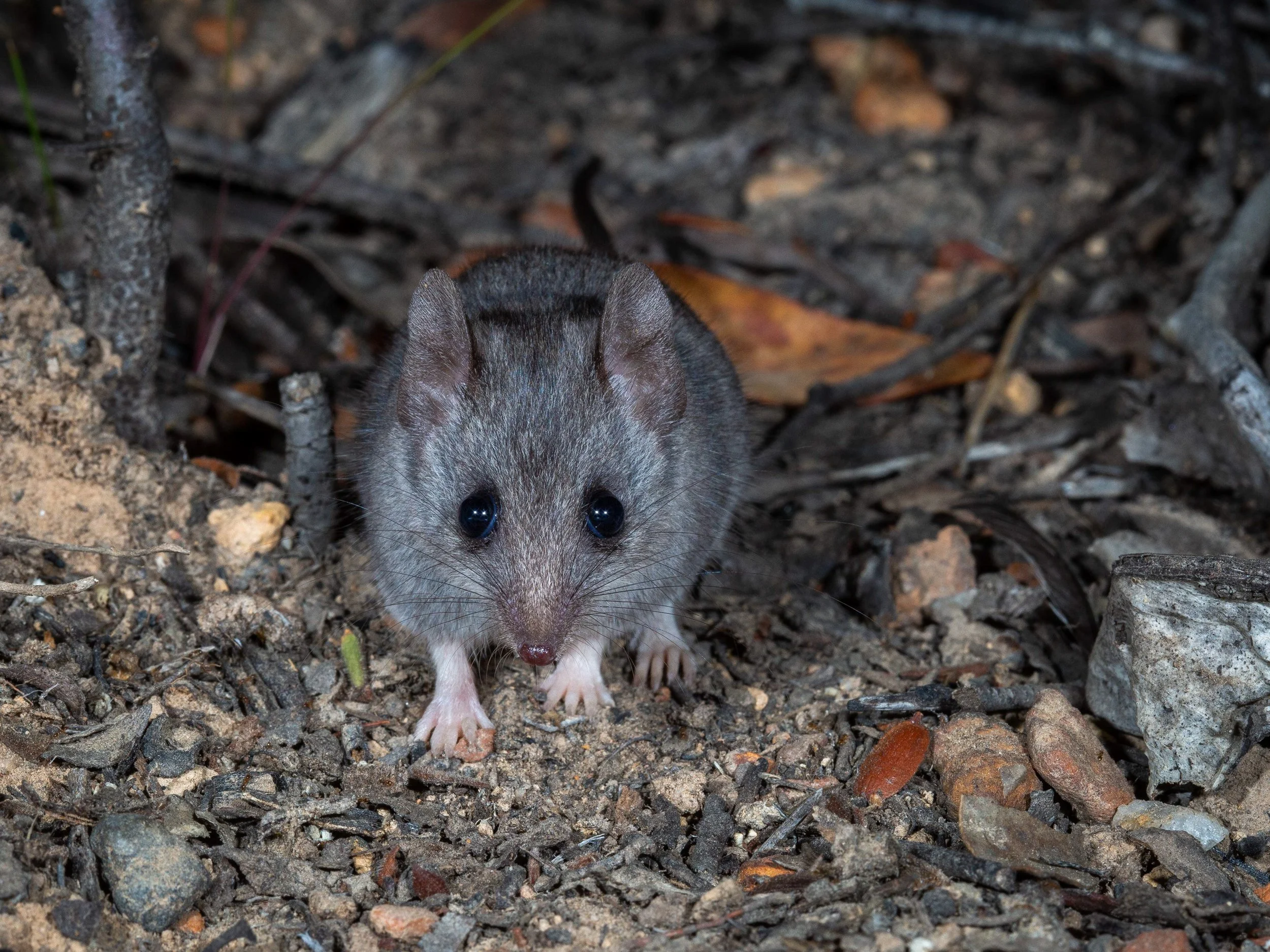
Kangaroo Island Dunnart
FAQs
-
The International Union for Conservation of Nature (IUCN) is the most widely-recognized authority on endangered species, with its Red List of Threatened Species (established in 1964) being the most comprehensive list of endangered species found worldwide.
It divides species into nine categories: Not Evaluated, Data Deficient, Least Concern, Near Threatened, Vulnerable, Endangered, Critically Endangered, Extinct in the Wild and Extinct.
Currently, there are more than 169,000 species on The IUCN Red List, with more than 47,000 species threatened with extinction, including 44% of reef building corals, 41% of amphibians, 38% of trees, 37% of sharks and rays, 34% of conifers, 26% of mammals, 26% of freshwater fishes and 12% of birds.
-
Endangered (EN) species on the IUCN Red List meet one or more of the following criteria:
A 20% or higher chance of becoming extinct in the next 20 years or five generations
2,500 or fewer mature individuals in total
250 or fewer mature individuals per subpopulation
A continuing population decline of 20% or more in five years or two generations
An extent of occurrence (EOO) of less than 5,000 square kilometers (3,100 square miles)
An area of occupancy (AOO) of less than 500 square kilometers (310 square miles)
A population reduction of 70% or more over the past ten years or three generations
-
A species that is critically endangered is more likely to face extinction than one that’s simply endangered.
To qualify as critically endangered (CR) on the IUCN Red List, a species must meet at least one of the following criteria:
A 50% or higher chance of becoming extinct in the next ten years or three generations
250 or fewer mature individuals in total
50 or fewer mature individuals per subpopulation
A continuing population decline of 25% or more in three years or one generation
An extent of occurrence (EOO) of less than 100 square kilometers (62 square miles)
An area of occupancy (AOO) of less than 10 square kilometers (6 square miles)
A population reduction of 70% or more over the past ten years or three generations
-
As of 2025, there are over 19,100 species listed as endangered on the IUCN Red List, over 6,853 of which are animals.
It's important to note that the total number of critically endangered species can fluctuate due to ongoing assessments and changes in species' conservation statuses. For the most current and detailed information, you can refer to the IUCN Red List's summary statistics.
-
As of 2025, there are over 10,400 species listed as critically endangered on the IUCN Red List, over 4,161 of which are animals.
-
Threats to endangered species could range from globe spanning issues like climate change to highly specific illnesses like the Devil Facial Tumour Disease (DFTD), a contagious cancer that has devastated Tasmanian devil populations. But a few threats are responsible for placing the overwhelming number of species on the Red List.
The largest threat today is habitat loss and deterioration (deforestation, clearing of habitat for agriculture, industry, or urban developments).
Climate change…
The black market for illegal wildlife products is worth up to USD 20 billion per year, and poaching is a serious threat to animals ranging from elephants to pangolins to “scrotum” frogs.
There is also legal exploitation of wildlife for resources, chiefly overfishing, which can wreak havoc on marine ecosystems.
Speaking of wreaking havoc on ecosystems, invasive species — cane toads, lionfish, rats, domestic cats, etc. — put an estimated 42% of the worlds threatened or endangered species at risk.
Diseases…
Many of the most endangered species fall victim to more than one threat on this list.
Explore Further
-

International Union for Conservation of Nature (IUCN)
-
International Fund for Animal Welfare (IFAW)
-
World Wildlife Fund (WWF)
-

EDGE of Extinction
-

Convention on International Trade in Endangered Species of Wild Fauna and Flora (CITES)
-

Wildlife Conservation Society (WCS)
-
BirdLife DataZone
-

Mongabay