


JOURNAL
JOURNAL
*Sources for information & photos are at the bottom of each article.
It Only Takes One Cave
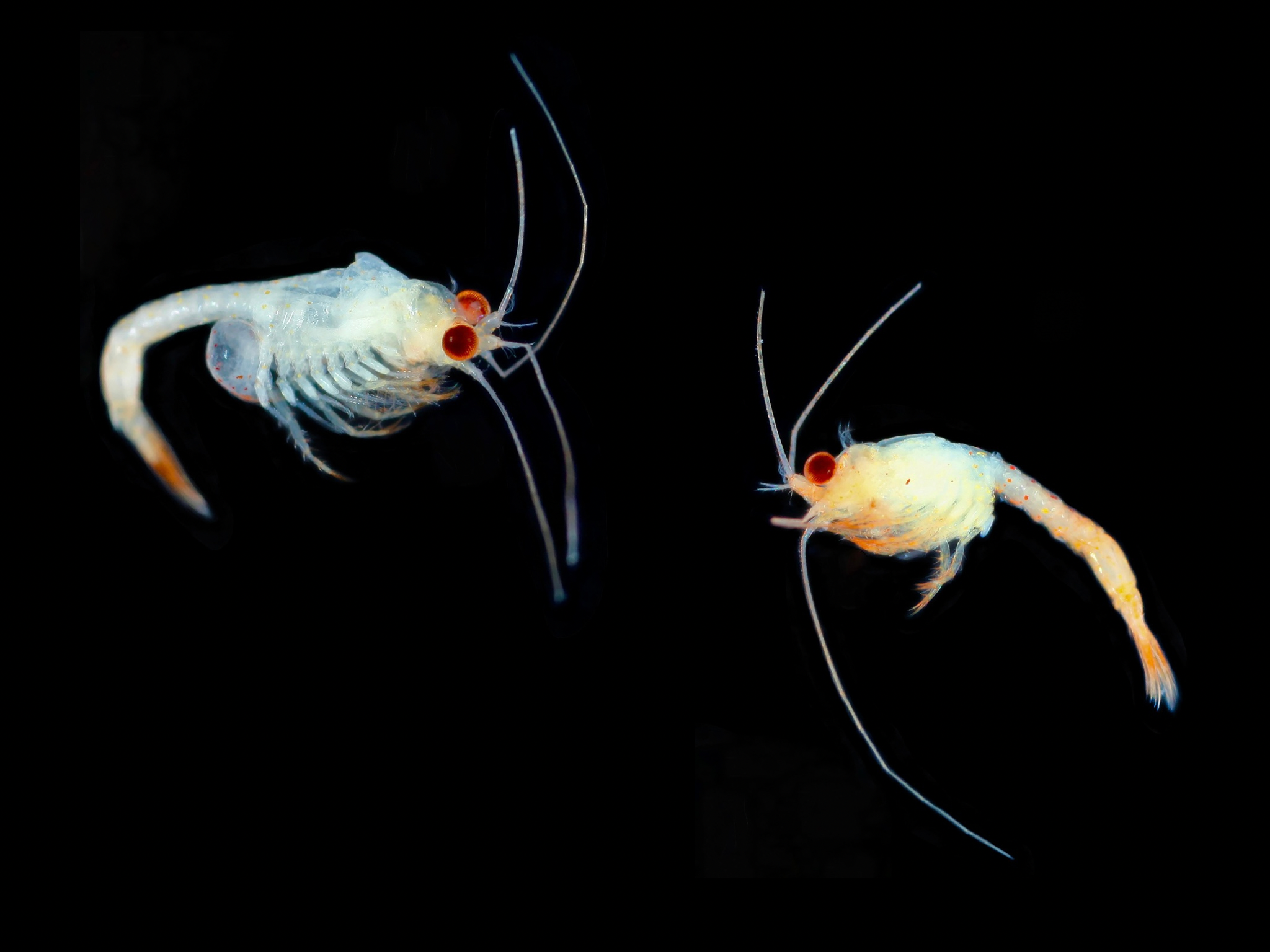
The mystery of cave-dwelling opossum shrimp found half a world apart
Economies of Illness
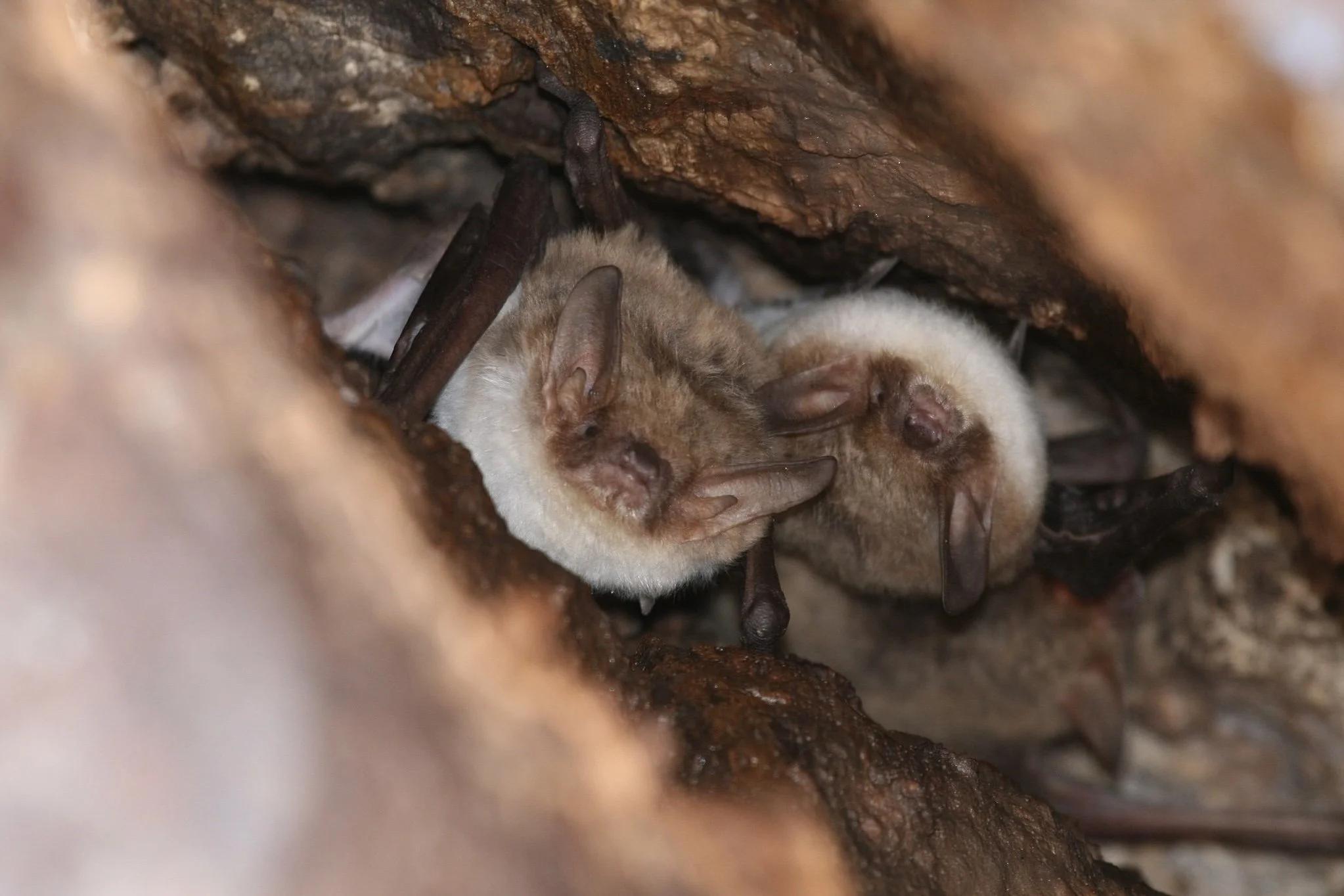
From bats living paycheck-to-paycheck to elephant seal billionaires — which species can afford to act sick, which cannot, and why?

A Golden, Day-loving Moth Named After a Greek Goddess of Night
Stygioides hecate, or the Hecate moth, is a new species of diurnal moth whose females are covered in golden scales.

Madagascar to Sweden to France: A New Species of Hooktail Dragonfly
Paragomphus matroka, the dark hooktail, is known from three specimens: one caught in the wild, one found on the internet, and one unearthed in a museum archive.

A Popular Aquarium Goby Turns Out to be Two Species
Rhinogobius mengyangensis, a new species of goby previously thought to be the “yellow type” of R. szechuanensis.

A Ghost in the Dumbara Mountains
Mus dumbara, a new species of spiny mouse and micro-endemic from the Dumbara Mountains of central Sri Lanka.

The Nagao Odorous Frog
Odorrana nagao, a new species of odorous frog from karst forest in Vietnam.

The “Sesame Seed” Sea Slug
Thecacera sesama, a new nudibranch species discovered off the coast of Taiwan, measuring less than 3 mm (0.1 in) long — about the size of a single sesame seed.

Description Before Extinction — A New Malagasy Millipede
Alafanahydesmus lavasoa, a new millipede species from vanishing forest fragments in Madagascar.

An Exceptionally Perfect Wasp-Mimic
Pseudodelta melas, a new clearwing moth that mimics Africa’s black mud wasp.

Alfred Russel Wallace “Adopts” an Orangutan
“I was now in hopes that I had made the little orphan quite happy; and so it seemed for some time, until it began to remember its lost parent…” — Alfred Russel Wallace, The Malay Archipelago (1869)

The Fluid Border Between Plants and Animals
“The change from plants to animals…is gradual… For a person might question to which of these classes some marine objects belong…” — Aristotle, History of Animals (c. 350 BCE)


The Break-bones, the Sea-vulture, the Stinker
“At Port St. Julian these great petrels were seen killing and devouring young gulls.” — Charles Darwin, The Voyage of the Beagle (1839)
