A Popular Aquarium Goby Turns Out to be Two Species
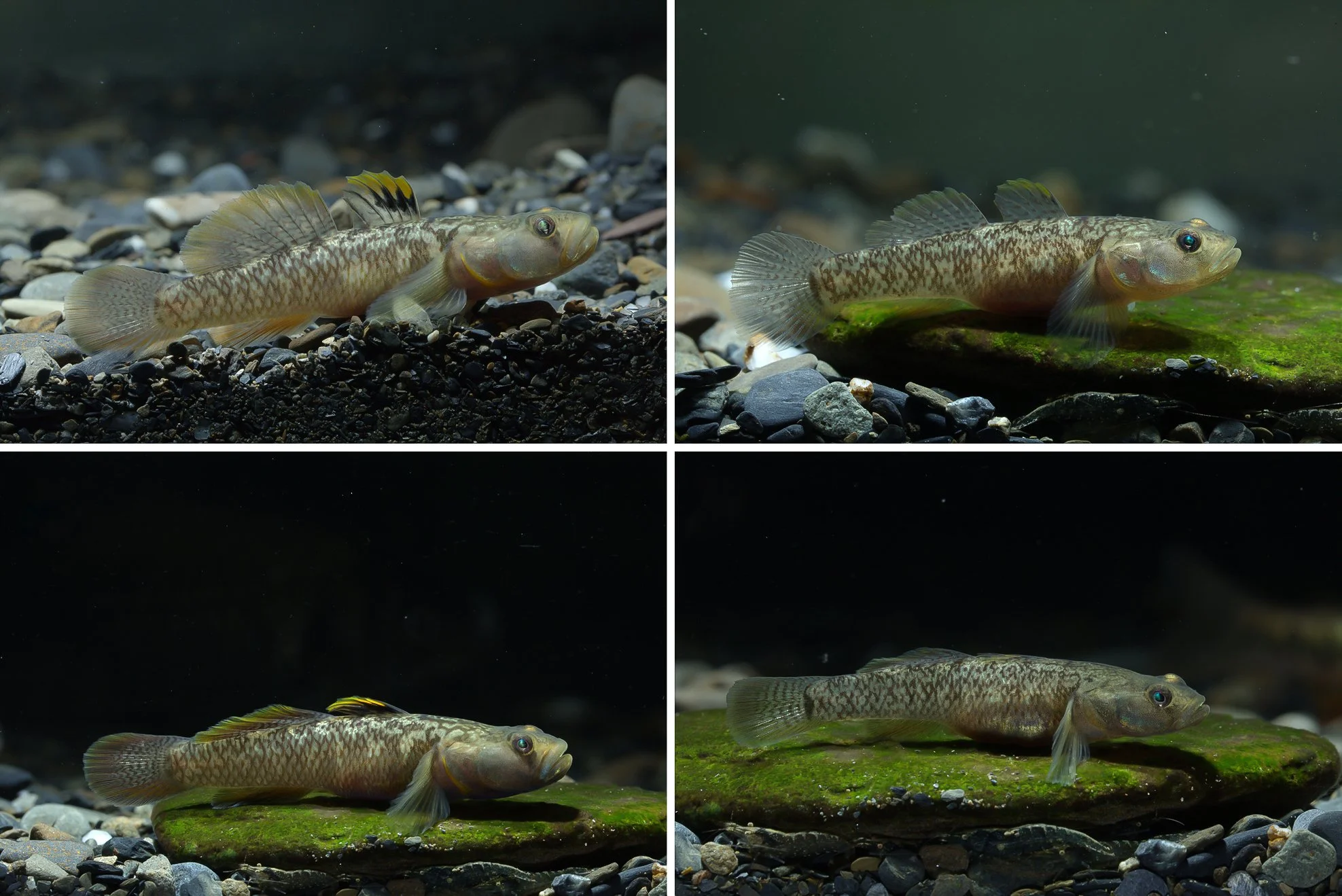
Rhinogobius mengyangensis, a new species of goby previously thought to be the “yellow type” of R. szechuanensis.
Liu X, Chen Z-G, Shu Y-F, Huang J-H, Liu K, Yu Y (2026) Rhinogobius mengyangensis: a new species of freshwater goby (Teleostei, Gobiidae) from Sichuan Province, southwestern China. ZooKeys 1280: 333-347. https://doi.org/10.3897/zookeys.1280.188225
Rhinogobius is the most diverse genus of freshwater goby on mainland China, with more than 50 valid species and new species being “constantly described.”
Rhinogobius szechuanensis is a popular fish among aquarists in China thanks to its vibrant colours and variation.
This goby was known to come in two morphs: one red type and one yellow type. Both were small-bodied, benthic fish — typically reaching lengths of 70 millimetres (2.75 inches) or less — that lack the sensory pores and canals on their heads commonly found in other gobies. Their most defining shared characteristic was a striking net-like pattern across their bodies, created by the dark brownish edges of their scales. As for their differences, the former red type had blue spots across its second dorsal fin and a white or blue throat, while the latter yellow type had a yellow-edged, brown-lined second dorsal fin and a yellow throat.
But the “yellow type” of R. szechuanensis would prove not to be a different morph at all.
This popular aquarium species was actually hiding a whole other species all along.
———
In a paper published on 28 May 2026, the authors describe Rhinogobius mengyangensis sp. nov. “The new species,” they write, “was considered to be a yellow type of R. szechuanensis.”
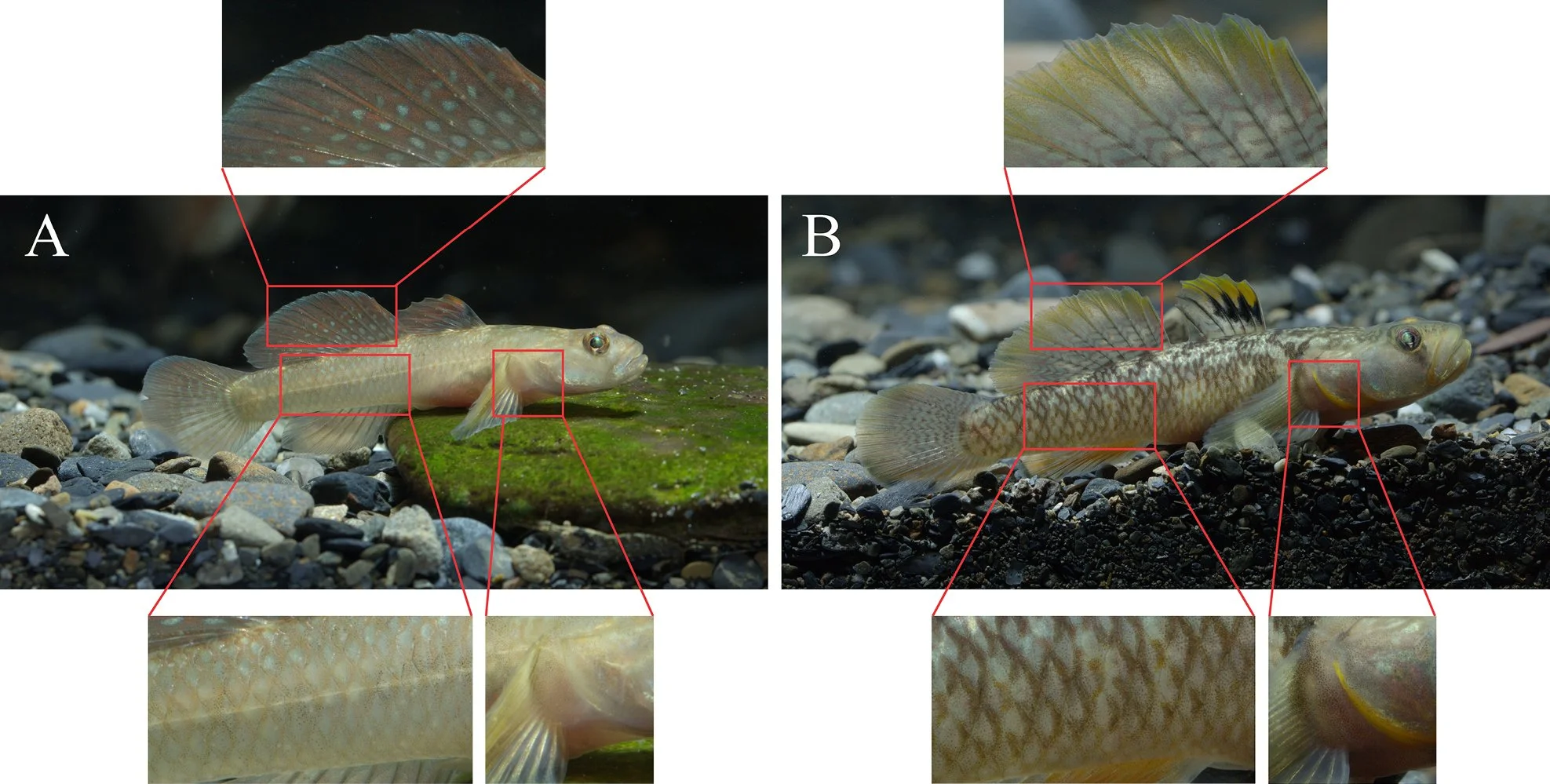
“Comparison of the coloration between Rhinogobiusszechuanensis and Rhinogobius mengyangensis sp. nov. A. Rhinogobius szechuanensis; B. Rhinogobius mengyangensis sp. nov.‘
Why did it take so long to recognise them as separate species?
For one, it’s not uncommon for a single fish species to exhibit multiple distinct appearances. It also didn’t help that characters of the historical type specimen (the original fish used to name the species) were “obscured by dehydration during preservation,” making it harder to parse the exact morphological differences between the gobies.
The two “types” were separated because of the obvious morphological differences already described, among others.¹ But a major factor in the split was also genetic analysis: using the cytochrome b (Cyt b) gene, the researchers found a genetic distance of 0.07 (7%) between the two — distant enough to support their status as separate species.
———
In the wild, “yellow” R. mengyangensis and “red” R. szechuanensis live alongside one another in the upper Changjiang River. Their exact current distribution, along different tributaries of the Changjiang River, tells a story of historical isolation and a recent reunion.
R. szechuanensis is endemic to the Minjiang River drainage and has never been recorded in the Tuojiang River basin. R. mengyangensis, meanwhile, is primarily found in the Tuojiang River and the Qingyijiang rivers.
However, R. mengyangensis was also found in the Minjiang River, but only in one specific locality, and this outside its main range. The researchers believe its presence there is likely due to a recent connection between the Minjiang and Tuojiang Rivers, implying that, while they now live together in that specific area, they likely evolved their distinct traits in isolation before the rivers connected.
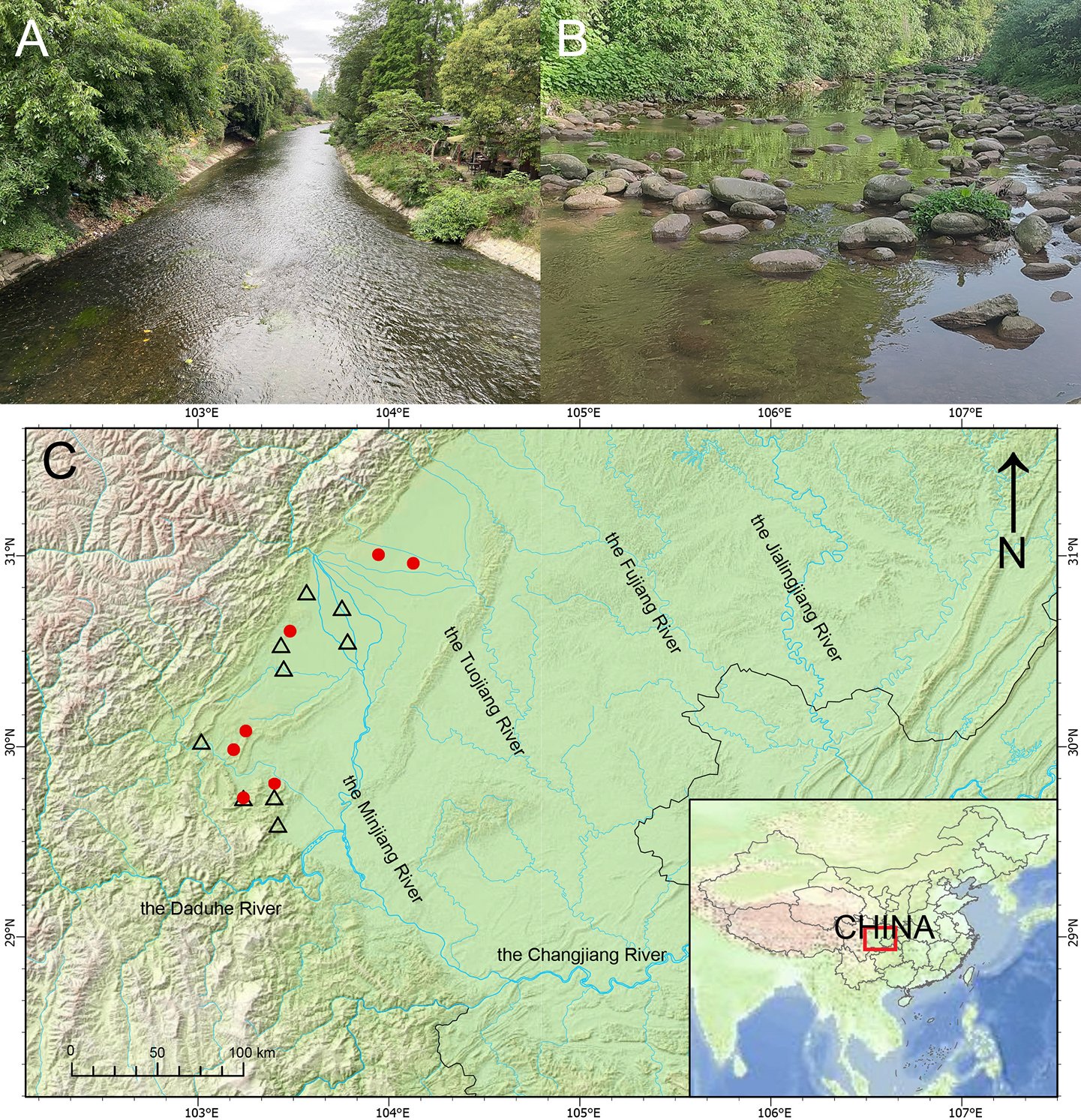
“Distribution and habitat of Rhinogobiusmengyangensis sp. nov. and Rhinogobiusszechuanensis. A. The Mengyang River at Hengyang Town, Tuojiang River basin; B. The Mingshanhe River at Mingshan District, Qingyijiang River basin; C. Circles represent the distribution sites of Rhinogobius mengyangensis, while triangles represent the distribution sites of Rhinogobius szechuanensis.”
Given their status as closely related “sister species,” the authors suggest that they likely exhibit "microhabitat differentiation" to avoid direct competition and so coexist in the same river system — as most sympatric freshwater gobies tend to do.
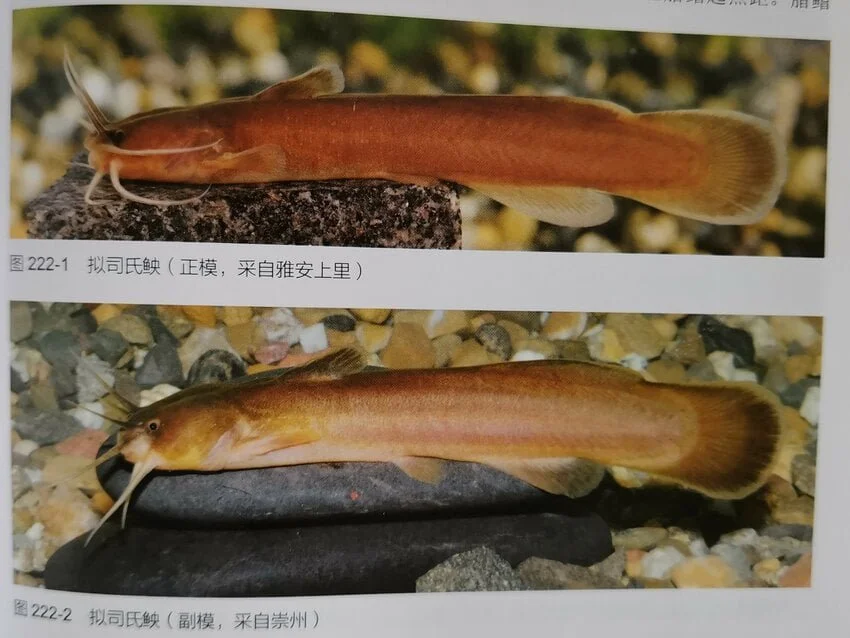
R. szechuanensis is noted for its “extensive adaptability,” inhabiting a wide range of environments, including mountain streams, plain creeks, and the main streams of the Minjiang River basin. The newly described R. mengyangensis, on the other hand, is more specialised to “pebble-bottomed sections of cold, flowing rivers.”² To support their theory, the authors also point to a “similar sympatric sister pair” found in the same region: the torrent catfishes Liobagrus pseudostyani and L. brevispina.
———
The type specimen of R.mengyangensis was found in the Mengyang River, at Mengyang Town. This, the paper notes, is the same “type locality of two other recently described freshwater fish species” — Acheilognathus mengyangensis, a bitterling described in 2021, and Yunnanilus jiuchiensis, a stone loach described in 2018.
In fact, the area has been a wellspring of new species in recent years. In a 2022 paper describing Liobagrus chengduensis, a new species of torrent catfish from the upper Changjiang River, the authors note that “following in-depth investigations and field surveys, many new fish species, such as Yunnanilus jiuchiensis [2018], Rhodeus cyanorostris [2020], Acheilognathus mengyangensis [2021], and Liobagrus pseudostyani [2021], have been discovered in this region” — stone loaches, bitterlings, and catfish (as well as a new species of mussel, Pseudocuneopsis sichuanensis, in 2022).
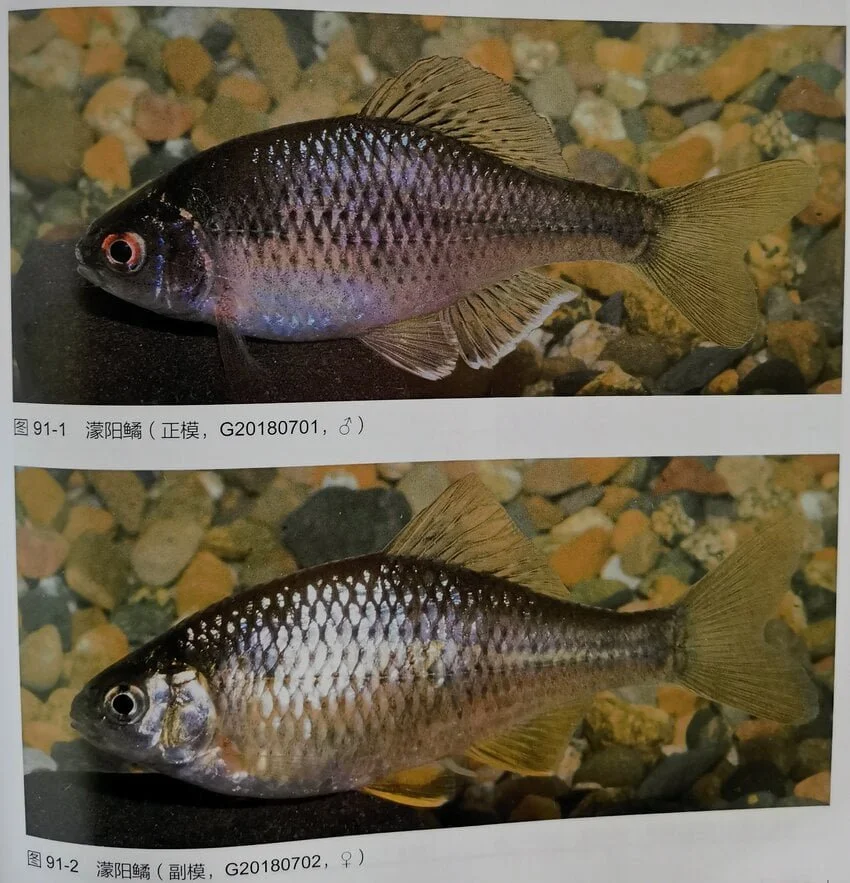
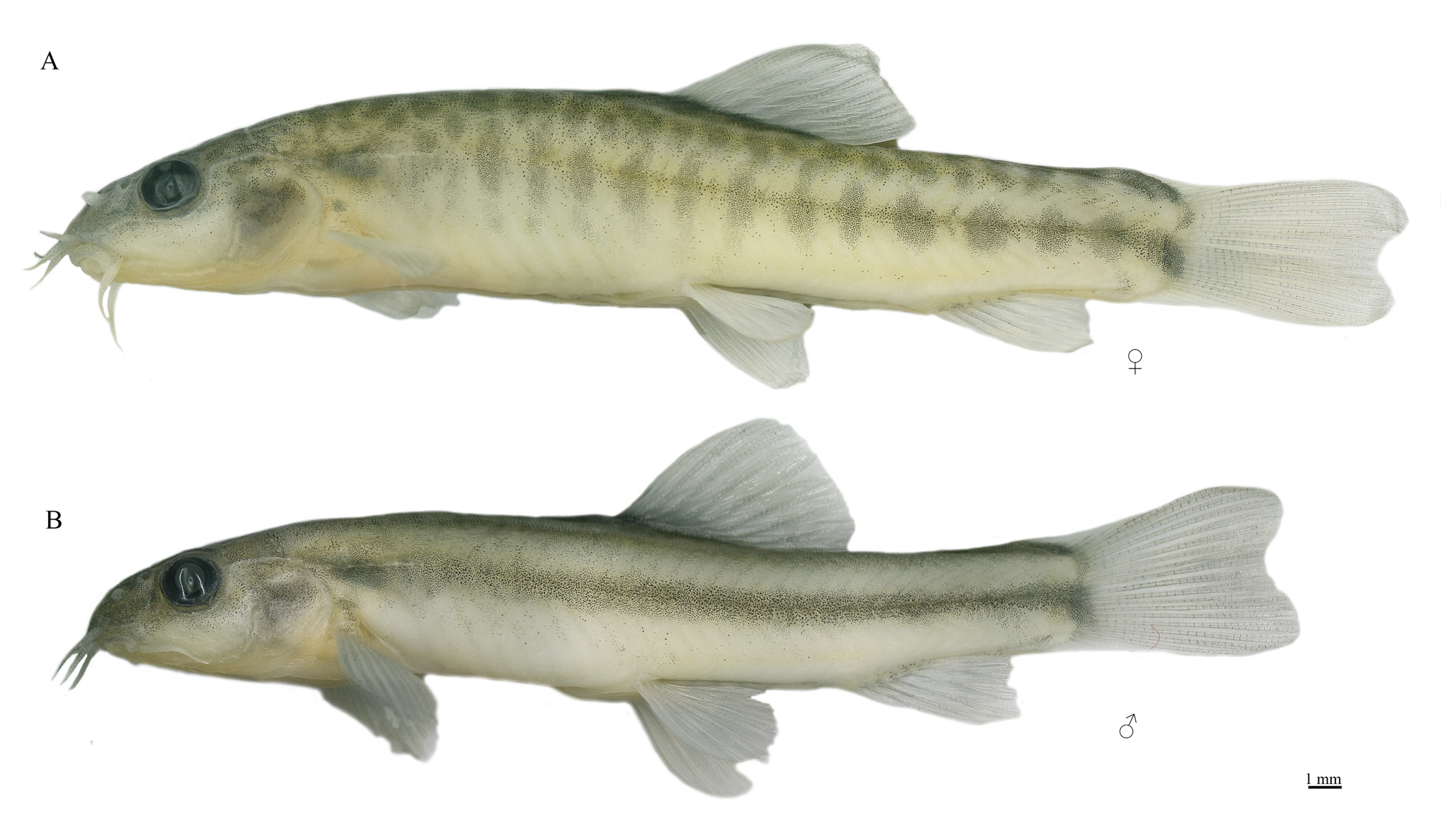
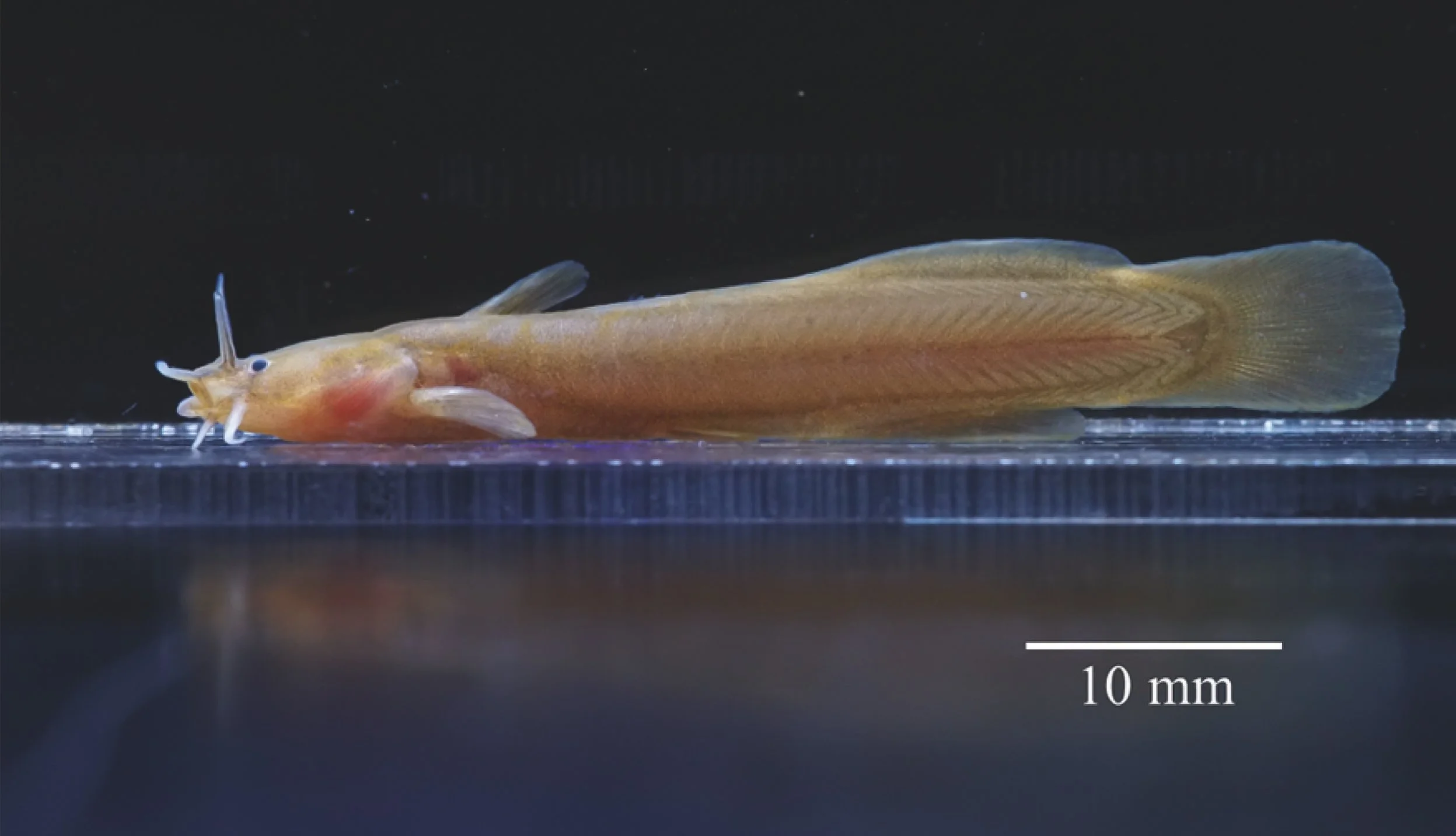
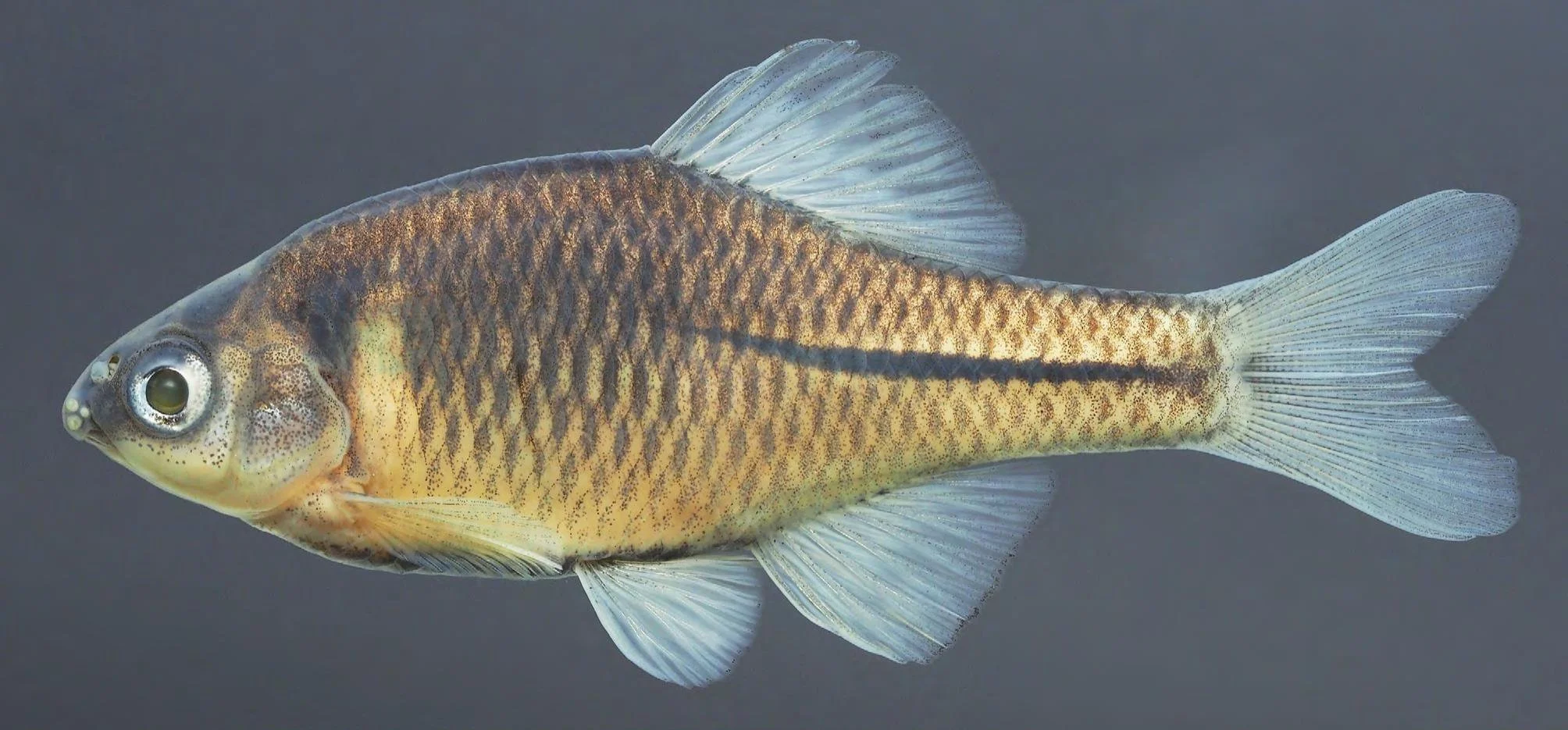
The authors of the 2026 paper state that “at present, the riverine ecosystems in the Chengdu region are highly susceptible to degradation.” They also note that the “freshwater biodiversity in this area has been underestimated.” That means potentially undiscovered species vanishing before we can describe them. To prevent that from happening, they cite an “urgent need for effective conservation strategies to protect these waterways.”
R. mengyangensis was not hiding in some remote or poorly sampled corner of the world. It was living in rivers near a major Chinese city, a popular aquarium fish admired for its colours. Whether we’re talking about a river basin or a specific species of fish, when we take a closer look, we often find unexpected diversity.
¹ While both species share the striking reticular (net-like) pattern, the sources offer a specific diagnostic detail: in the original "red type" (R. szechuanensis), every scale on the side of the body has a complete brownish edge, creating a perfect net. In the newly described "yellow type" (R. mengyangensis), these brownish edges are incomplete, particularly on the flank scales located below the second dorsal fin.
As for the patterns on their second dorsal fins, R. szechuanensis is defined by blue spots that sometimes coalesce into vertical bars, while R. mengyangensis is recognized by its 9–11 longitudinal rows of inverted V-shaped or dash-like markings.
Lastly, in populations from the Chengdu region, R. mengyangensis typically has 19–21 pectoral fin rays, whereas R. szechuanensis typically has 17 rays.
² Alongside other species like Acheilognathus mengyangensis, Gobiocypris rarus, Yunnanilus jiuchiensis, Opsariichthys chengtui, and Belligobio pengxianensis.
-
Liu X, Chen Z-G, Shu Y-F, Huang J-H, Liu K, Yu Y (2026) Rhinogobius mengyangensis: a new species of freshwater goby (Teleostei, Gobiidae) from Sichuan Province, southwestern China. ZooKeys 1280: 333-347. https://doi.org/10.3897/zookeys.1280.188225
Chen, Zhongguang & Guo, Yanshu & Wu, Jiayun & Wen, Anxiang. (2022). Liobagrus chengduensis, a new species of torrent catfish (Teleostei: Siluriformes: Amblycipitidae) from the upper Changjiang River basin in southwest China. Zoological Research. 43. 10.24272/j.issn.2095-8137.2022.114.