Hawaiʻi ‘i: An Ecological Tragedy

Contents
Islands Within Islands
Molten Genesis
Honeycreepers, Eyeless Spiders, and Humuhumunukunukuāpuaʻa
The ʻApapane & the White-eye
A Vampiric Plague
An Ecosystem of Invaders
A Pacific Epic
The Second Wave
The World Comes to Hawaiʻi
The Birds Have Flown to Kahiki
The Meaning of Loss
Making Islands
The Vulnerability of Islands
Man-made Islands
Studying the Pieces
Making them Better
The Tale the Nēnē Tells
Islands Within Islands
The Hawaiian Archipelago comprises eight large islands, over 100 smaller ones, and a constellation of islets and atolls. Within these islands, scattered across mountains, lakes, caves, and underwater reefs, there are countless islands more.
High on the slopes of Mauna Kea, alpine honeycreepers and flightless wēkiu bugs inhabit isolated sky islands thousands of metres above sea level. Lake Waiau, Hawaiʻi‘s highest lake, is an island for its minuscule rotifer and crustacean populations, while Halulu Lake, the largest permanent lake in Hawaiʻi, is a wet island sanctuary for ʻalae keʻokeʻo (Hawaiian coots) and aeʻo (Hawaiian stilts). The subterranean lava tubes that hollow out the Hawaiian Isles are themselves dark islands for eyeless cave spiders and their blind amphipod prey. Offshore, the crescent-shaped Molokini Crater, a true oceanic islet, is rimmed by a shallow reef that shelters over 250 marine species, including the humuhumunukunukuāpuaʻa (Hawaiʻi’s state fish). That reef is an underwater island amidst a deeper, deader sea.
These are islands in an atypical sense: ecological islands, defined by their isolation. Like oceanic islands, they often result from geological processes — mountains risen towards the sky, lakes hollowed by glaciers, caves excavated by flowing water or bubbling lava. Most take millennia to form. Yet, on occasion, they can be created in the blink of an eye.
———
Molten Genesis
To understand a place like Hawaiʻi, we must understand the circumstances of its birth and the forces that forged it. Let's start at the beginning.
One Hawaiian tale tells of Maui, a young Polynesian demi-god, casting his fishing line and accidentally hooking the seafloor. He reels in, undeterred by the strong resistance, and drags up chunks of seafloor to the surface. These would become the islands of Hawaiʻi. A different story concerns the volcano goddess Pele, who fled her family across the Pacific until she reached the westernmost Hawaiian islands. As her sister gave chase, Pele travelled from island to island, using her primordial powers to sculpt them into volcanic isles. Moving southeastward along the chain, she eventually reached the last and largest island, that of Hawaiʻi, where she made her permanent home.
There is some geological truth in both of these tellings. The Hawaiian Islands did indeed rise from the sea, rather than break away from the mainland, and they were formed by volcanic forces — “sculpted” from molten rock — a process that began during the last mass extinction, some 65 million years ago.
At the western end of the chain are the oldest bits of land still above water: the Kure and Midway atolls, forged some 30 million years ago, now eroded to almost nothing. Meanwhile, the oldest of the main islands, Kaua’i, is only 5.1 million years old. The youngest islands are to the east; one of which is the island of Hawaiʻi (also known as the “Big Island”), less than half a million years old and still in its growing phase.
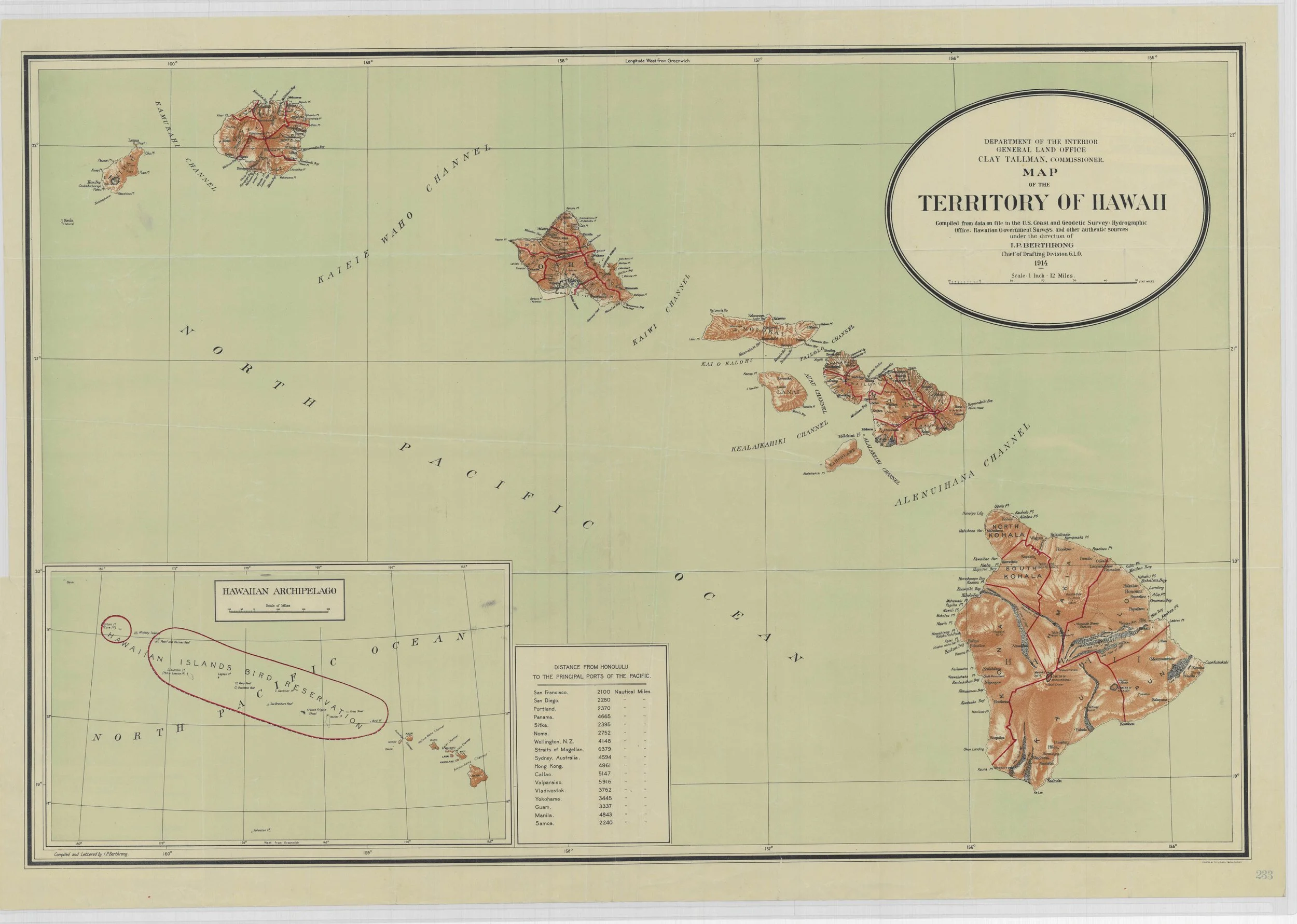
A 1915 map of Hawaiʻi by cartographer I. P. Berthrong, depicting eight of the Hawaiian Islands: Hawaii, Maui, Kahoolawe, Lanai, Molokai, Oahu, Kauai, and Nihau.
The Hawaiian Isles weren’t “born” the way they are now, and they won’t look the same in a few million years. They grow as molten rock is pushed up from the seafloor and shrink as they’re eroded by bashing waves. Their shorelines fluctuate as sea levels rise and fall. Where there was once — some one or two million years ago — a single large landmass known as “Maui Nui” (or “Big Maui”), there are today the separate islands of Maui, Molokaʻi, Lanaʻi, and Kahoʻolawe. To the southeast of Hawaiʻi is an active seamount with its summit 1,000 meters (3,200 ft) below the ocean’s surface. Known as Loihi, it is set to become a new island between 10,000 and 100,000 years from now.
The isles migrate across the Pacific like some giant sea serpent as their mother plate moves over a hot spot in the mantle, out of which spews molten rock that rises above the sea like the primordial ooze from Hawaiʻi’s creation myth: “The slime, this was the source of the earth.”¹
These same volcanic forces, which created the archipelago itself, continue to create new islands within those islands.
———
A volcano’s magma chamber begins to bulge, filling up with molten rock that was once part of the Earth’s mantle. Immense pressure builds as trapped gases accumulate. Then a portion of the chamber's wall gives in — or rather, blows out — and the trapped gases, now freed, hurl chunks of mountainside into the air. Then comes the magma, pouring out onto the surface to become lava. Anything in its path is swallowed, melted and burned. It surges down the slope like a torrent from a broken dam in slow motion, or a river escaping its banks. And like a river, it meanders, flowing where there is least resistance. Encountering a hill or ridge, the lava flow diverges, splitting into two arms and tracing the margins of the high ground before converging again downhill. Just as a delta creates islands between its watery limbs, a lava flow creates islands between its molten tendrils. These untouched pieces of forest, sanctuaries in a sea of fire, are called kīpuka.
From a birds-eye view, a kīpuka looks like an oasis in a desert of black sand.
A desert oasis typically forms in a low-lying area, given life by underground water trapped near the surface by impermeable rock. Around this fresh spring sprout palms and reeds, and life flocks from across the wastes to enjoy its bounties. The birth of a kīpuka is far more dramatic. The world literally burns around it. Its inhabitants are like the creatures on Noah’s ark, watching as all else is engulfed.
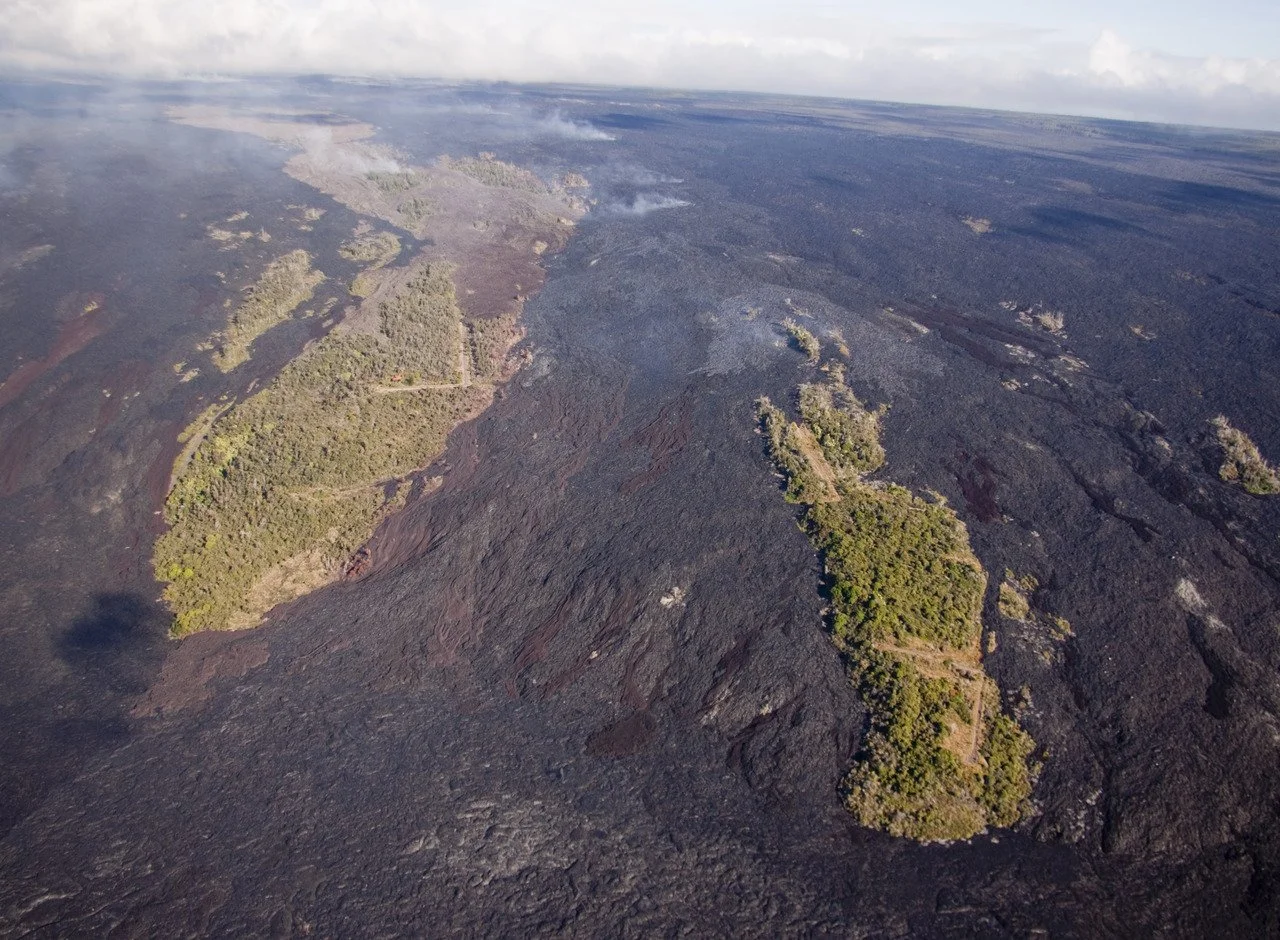
Kīpuka created by flows from the Puʻuʻōʻō cone of Kīlauea volcano, Island of Hawaiʻi.
Each kīpuka ends up with its own unique set of residents. To the ecologist, these newly made islands are microcosms of the grander ecosystem, tiny ecosystems in their own right, and natural laboratories wherein secrets are unveiled through simplicity. A kīpuka’s inhabitants represent a sampling of the species — endemic, native, and invasive — found across the rest of the isles.
Let us meet them first, before seeing how they come together to form Hawaiʻi’s complicated biotic web.
———
Honeycreepers, Eyeless Spiders, and Humuhumunukunukuāpuaʻa
“Islands are havens and breeding grounds for the unique and anomalous. They are natural laboratories of extravagant evolutionary experimentation.” — David Quammen, The Song of the Dodo
Once upon a time, not too long ago, the Hawaiian Islands were home to an astounding array of honeycreepers. This is a group of birds that deserve as much attention as Darwin’s finches, if not more, for while the Galápagos finches radiated from a single common ancestor into eighteen different species, the honeycreepers of Hawaiʻi, likewise descended from a single species, radiated into over fifty. The Galápagos finches, with their variable beaks, famously showcase how species adapt to particular niches. The beaks of Hawaiian honeycreepers are even more diverse.
The yellow-grey palila has a thick parrot-like bill for cracking open the immature seeds of the māmane tree that make up 90% of its diet, while the kiwikiu (Maui parrotbill) uses its brutish beak to tear away tree bark in search of hidden insect larvae. The ʻakiapōlāʻau is far more methodical; its extremely specialized beak consists of a straight and thick lower mandible, which it uses to hammer at bark like a woodpecker, and a thin, decurved upper mandible, which it inserts beneath the loosened bark to extract grubs. The ʻalawī (Hawaiʻi creeper), meanwhile, with its straight sharp beak, simply gleans insects and spiders off leaves and branches. The 10-gram (0.5 oz) ʻanianiau — the smallest honeycreeper — has a similarly shaped bill, but uses it to poke small and stringy flowers for their nectar. In contrast, the vermillion-coloured ʻiʻiwi has an extremely long and decurved, pink bill which it plunges deeply into all kinds of flowers and, using its tubular tongue equipped with a brushy tip, extracts their sugary drink. And finally, the ʻamakihi, with its sharp-pointed beak — not too long, not too curved — is the ultimate generalist, eating insects and fruit, nectar and tree sap.
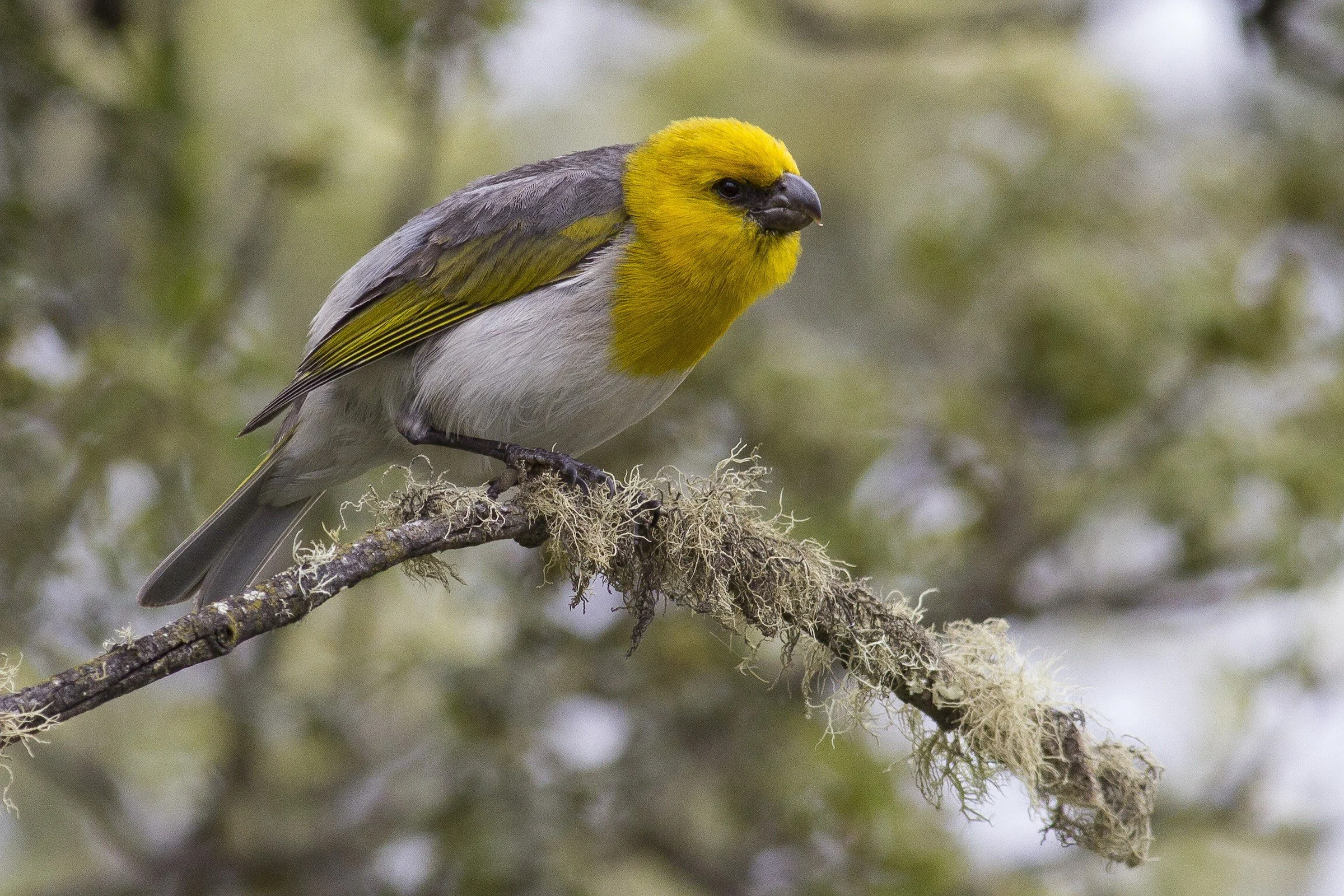
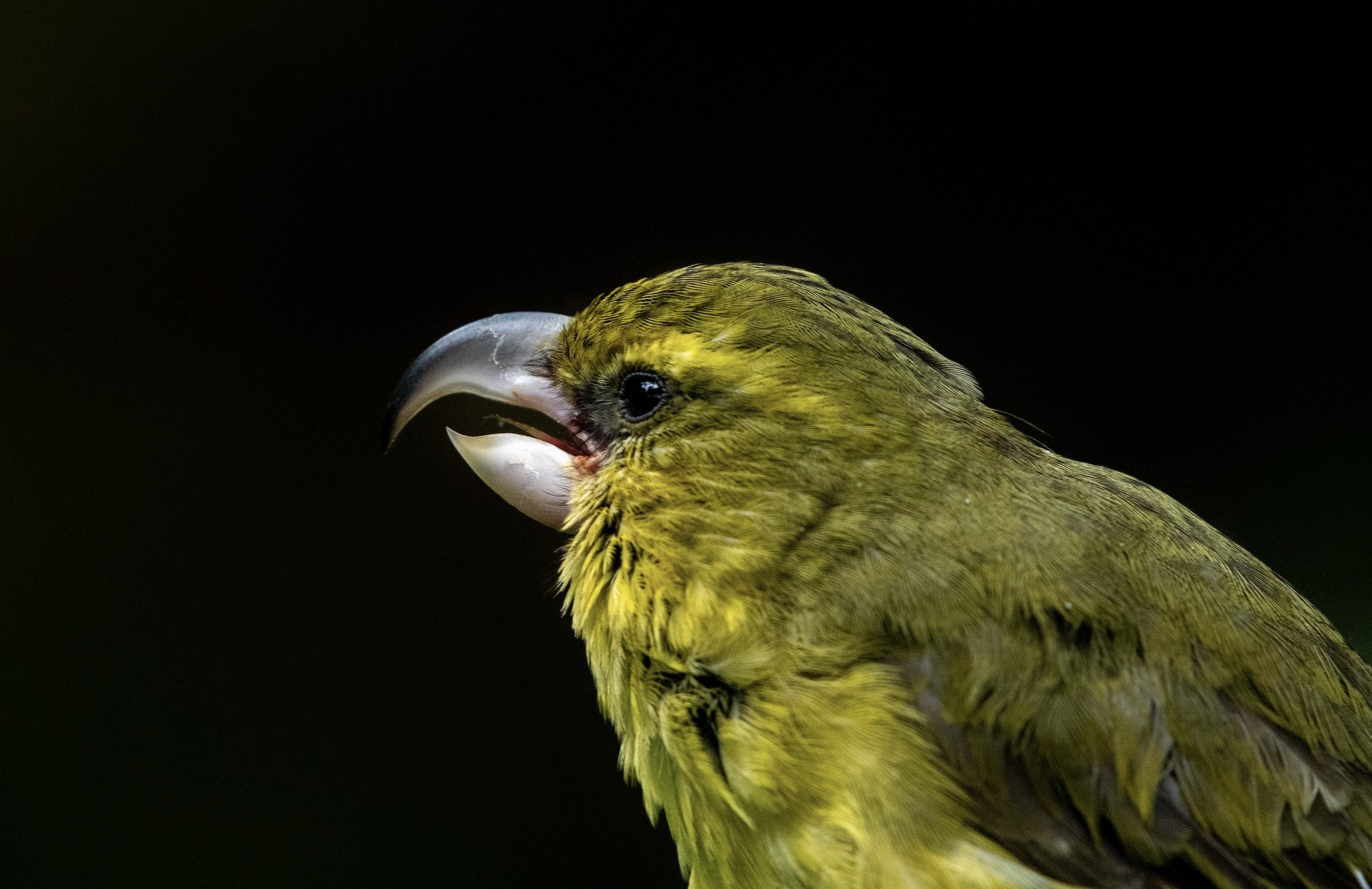
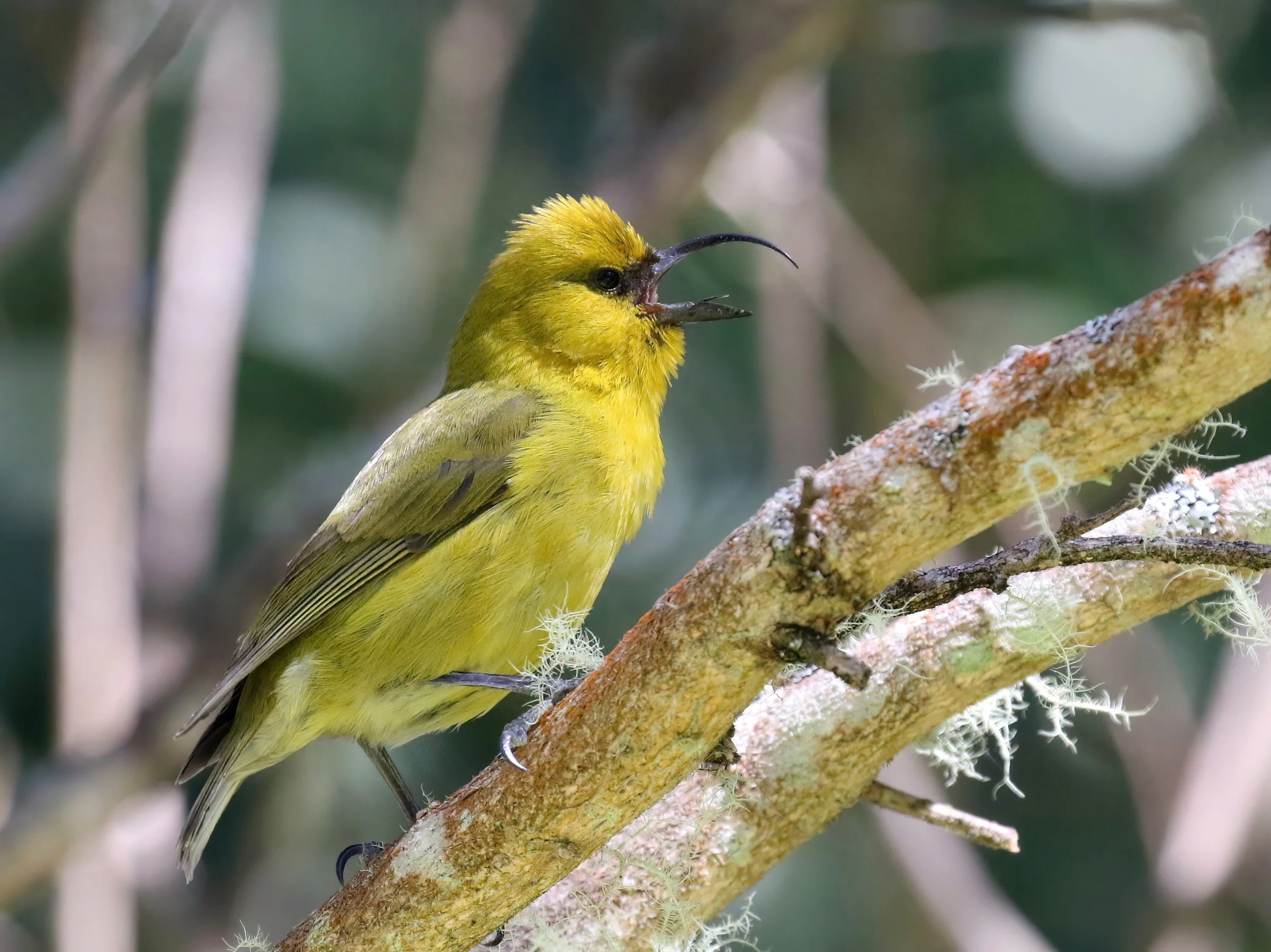
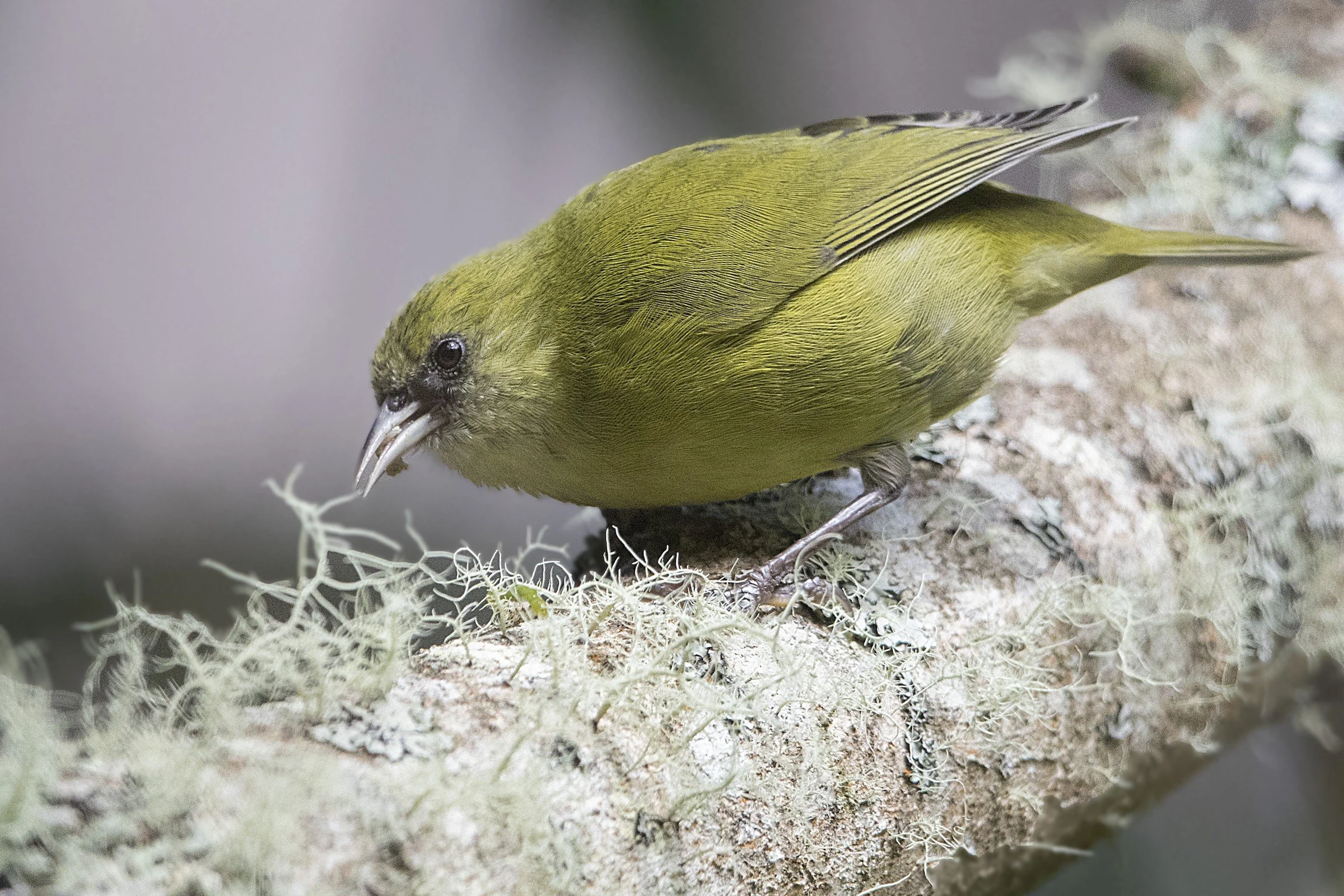
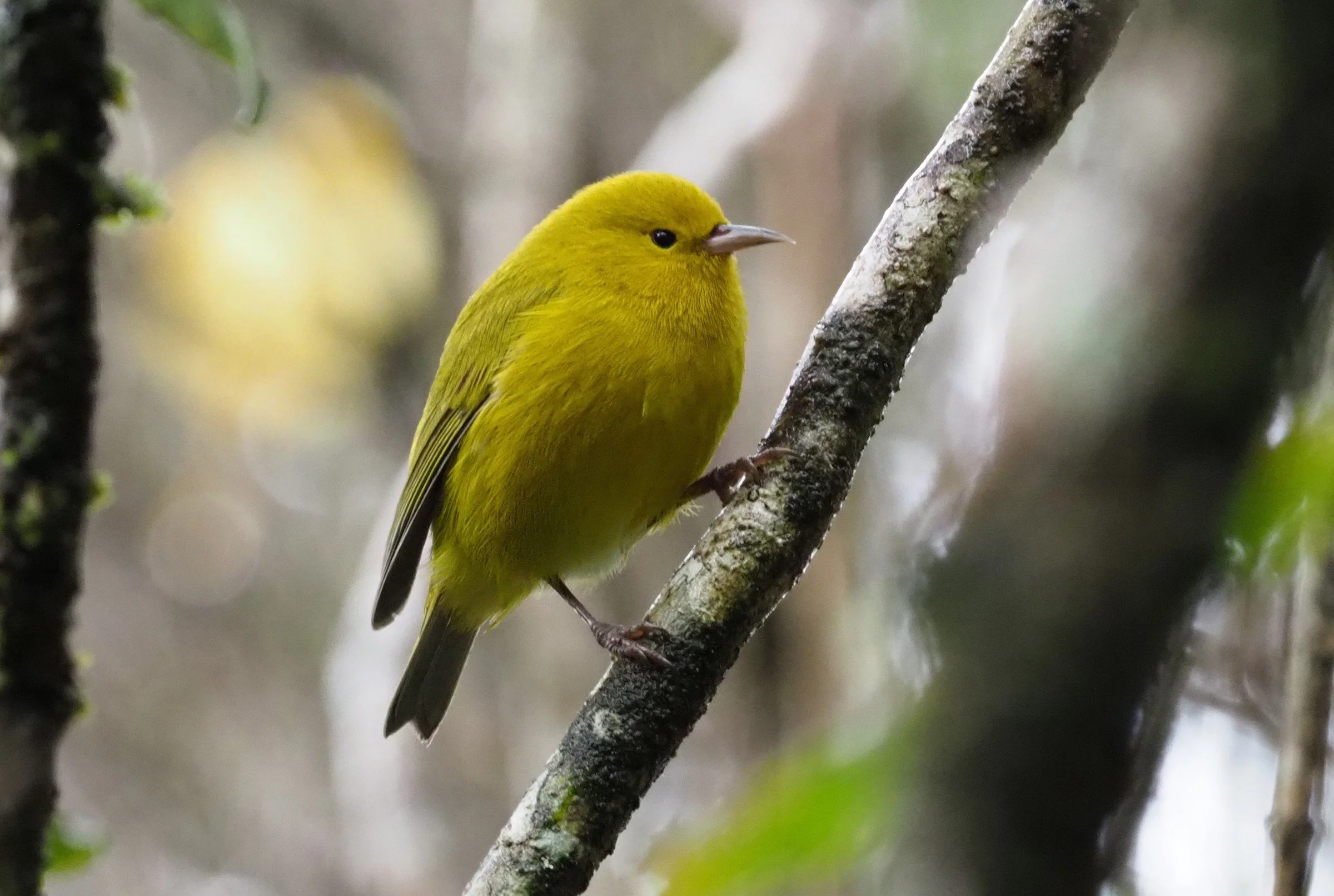
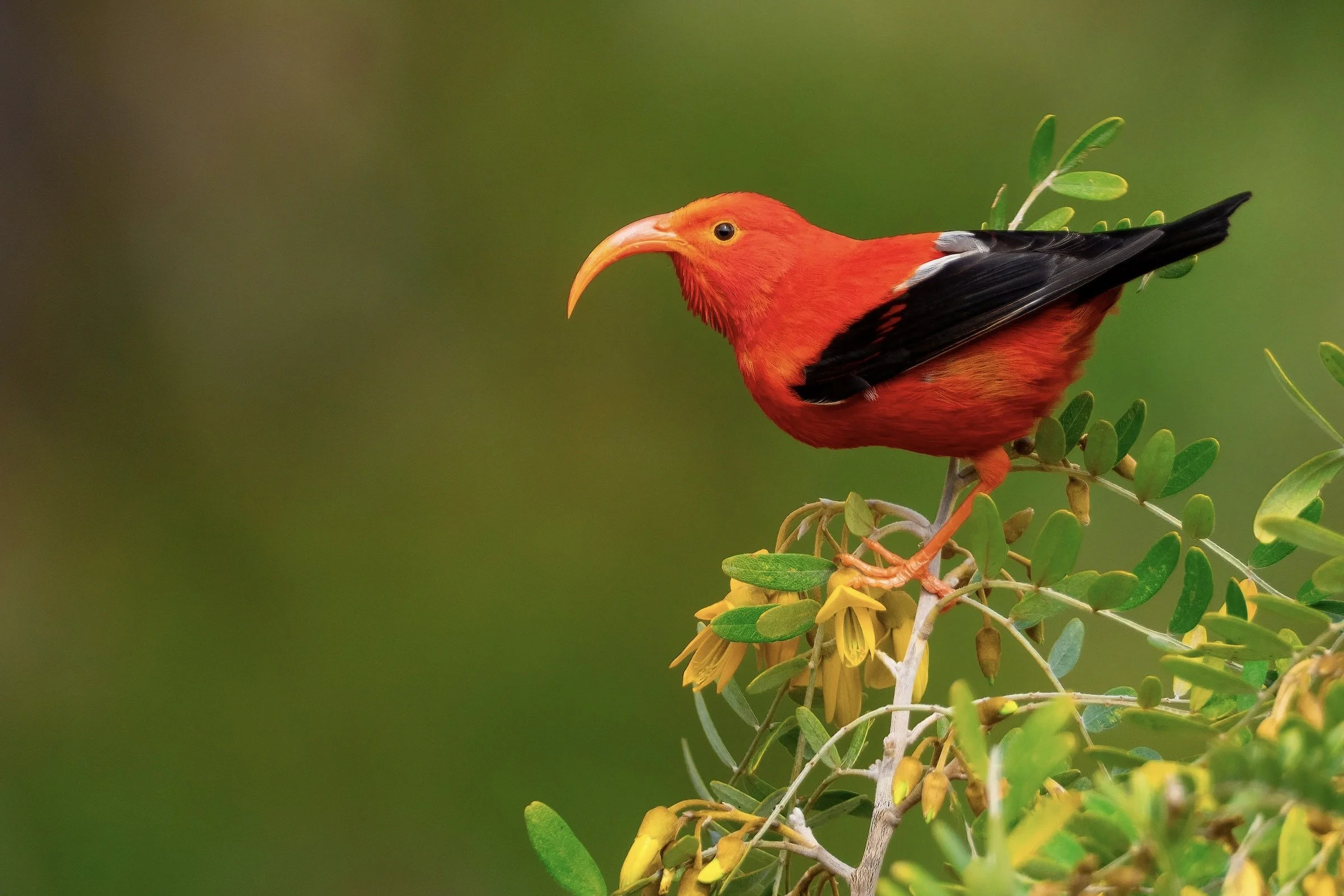
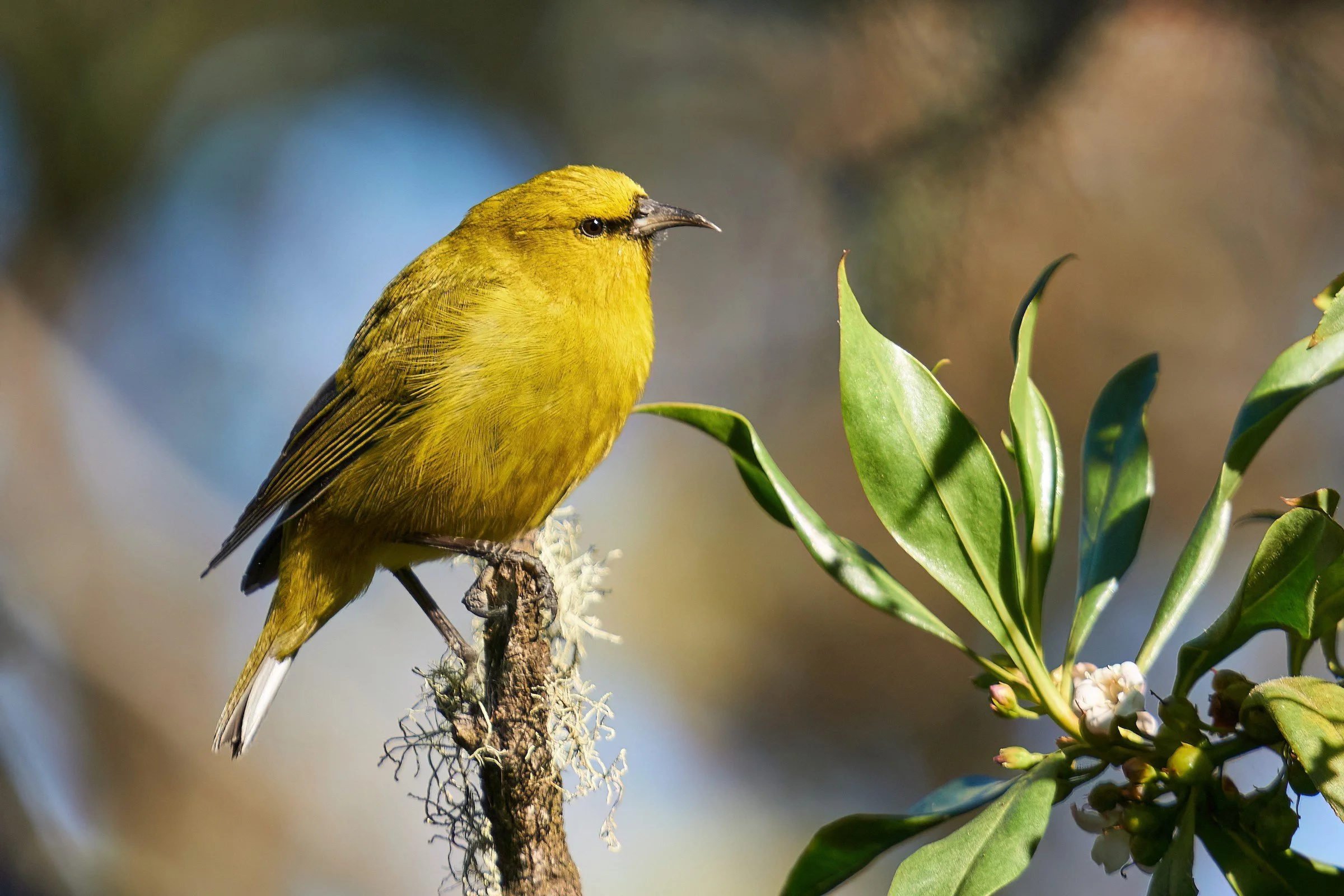
How and why did the honeycreepers of Hawaiʻi explode into such a diversity of species, above and beyond what we see with the Galápagos finches?
The Galápagos are located 1,000 kilometres (~600 mi) off the coast of Ecuador and cover a total land area of around 8,000 km² (~3,000 mi²). The Hawaiian Islands are more than twice as big and nearly three times as isolated: around 3,000 kilometres (1,860 mi) from North America, the nearest mainland. What does this mean for its inhabitants?
Quite a bit, actually.
Somewhere between 5 and 7 million years ago, a flock of rose-finch-like birds were caught in a storm, swept from Asia, and hurtled out into the open ocean. These kinds of events happen not infrequently, and in almost every instance the castaway birds either drown or die of dehydration. This flock didn’t. By some wild bit of luck, a one-in-a-million (perhaps several million) chance, these birds were blown, or managed to navigate to a chain of volcanic islands in the Pacific. These islands would have looked very different then: most of the land was in the northwestern chain (now little more than islets and atolls), Kauaʻi and Ni'ihau were only just being born, and the other major islands were still bubbling below the ocean's surface. When they landed, the wayward rose-finches encountered few other birds living on the islands — the archipelago’s isolation meant that few creatures had yet to make their way. These newly-formed (and still forming) islands created new frontiers, ready to be colonised.
Upon their arrival, the finches found a wealth of empty niches to exploit.
Travelling Hawaiʻi from the highest peaks to the coast, you'll descend from the seasonal snowfields that cap giants like Mauna Kea and Loa. You’ll cross volcanic rock, alpine tundra, and high shrublands. You’ll trek through montane forests where ʻakiapōlāʻaus hammer bark for grub, down to tropical rainforest where ʻiʻiwis drink nectar from brush-like ōhiʻa lehua flowers, and then lowland dry forest where jack-of-all-trades ʻamakihis flit about in the remnants of twisted wiliwili trees. Eventually, you’ll stroll across coastal grasslands, with bunchgrasses lying low against buffeting winds, before reaching a coastal strand of dunes and sandy beaches, where bushes of beach naupaka sprout white fanflowers under the salt spray of the sea. And, finally, you'll feel the lap of the waves on your sore feet.
To go further, you’d need a snorkel or diving gear — out there lie Hawaiʻi’s coral reefs. These are marine reflections of the rich forests you journeyed through to get here, where humuhumunukunukuapua’a produce underwater music like living piscine instruments, grinding their teeth and grunting, snapping with their jaws and drumming with their fins.
Thanks to its varied topography (high mountains, steep valleys, and low coastal plains), its tropical position (on the same latitude as Mexico City and Mumbai), and its relatively large size (a total land area of 28,311 km² or 10,931 mi²; about the size of Albania or the state of Maryland), Hawaiʻi currently contains 10 of the world's 14 climate zones. Each climate zone not only features a different climate (no duh), but unique assortments of flora, food, and other resources. The available niches are multiplied.
Crucially, the islands of Hawaiʻi are near enough to one another to allow occasional migration events, enabling honeycreepers to colonise all the major islands. Yet they remain isolated enough to prevent frequent interbreeding between populations on different islands, keeping gene pools separate and allowing new species to form.
Over time, thousands of pioneering creatures reached the isolated islands, settled, and changed; becoming distinct from their mainland ancestors and modern counterparts.
One group of birds made landfall some 14–17 million years ago, and diversified to become the Mohoidae family: the honeyeaters. Around the same time, we see the first bird-pollinated plants blooming across the islands — a plant lineage that would become very successful, and eventually feed the many honeycreepers that, at this point, had yet to arrive and evolve. Curiously, despite their earlier arrival, the honeyeaters only radiated into some five species of sleek-bodied nectarivorous, boasting long magpie-like tails, known as kioeas and ʻōʻōs.
Millions of years after the honey-eaters and -creepers, flocks of very different birds arrived. Stranded on Hawaiʻi, odd owls grew stilt-like legs that they used to snatch up honeycreepers. A wayward flock of crows evolved even greater intelligence than usual in their isolation, picking up the use of tools in the process. Geese from the mainland grew into flightless giants and partially lost the webbing on their feet to better waddle across volcanic flows.
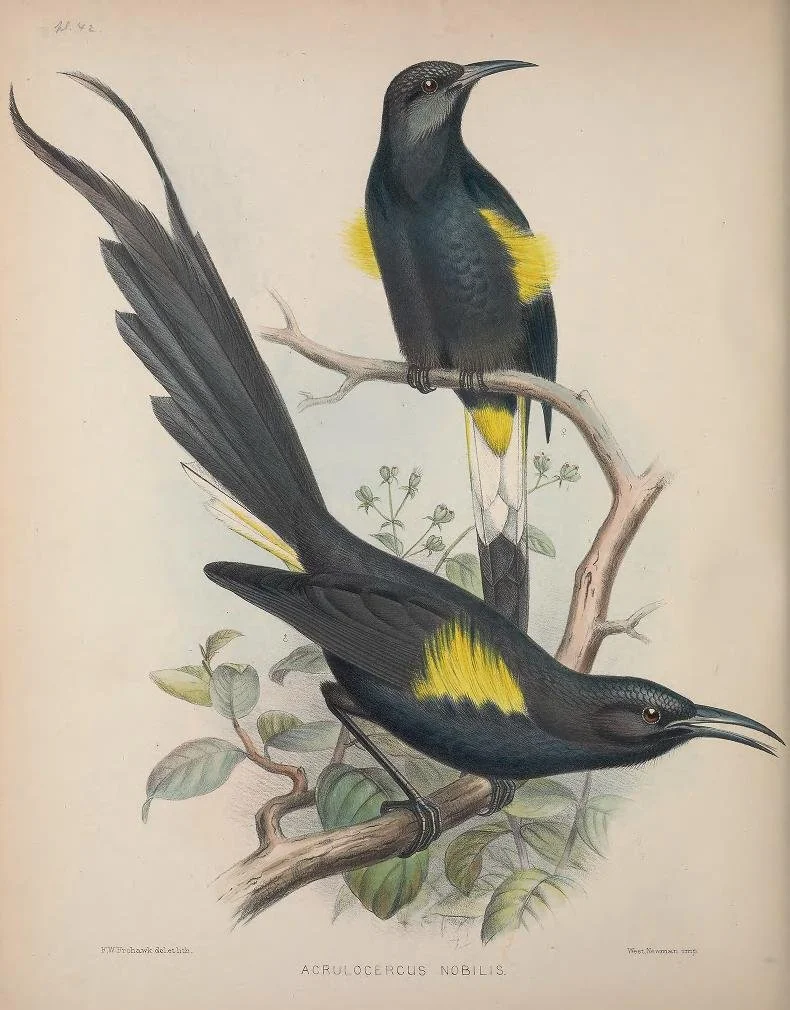
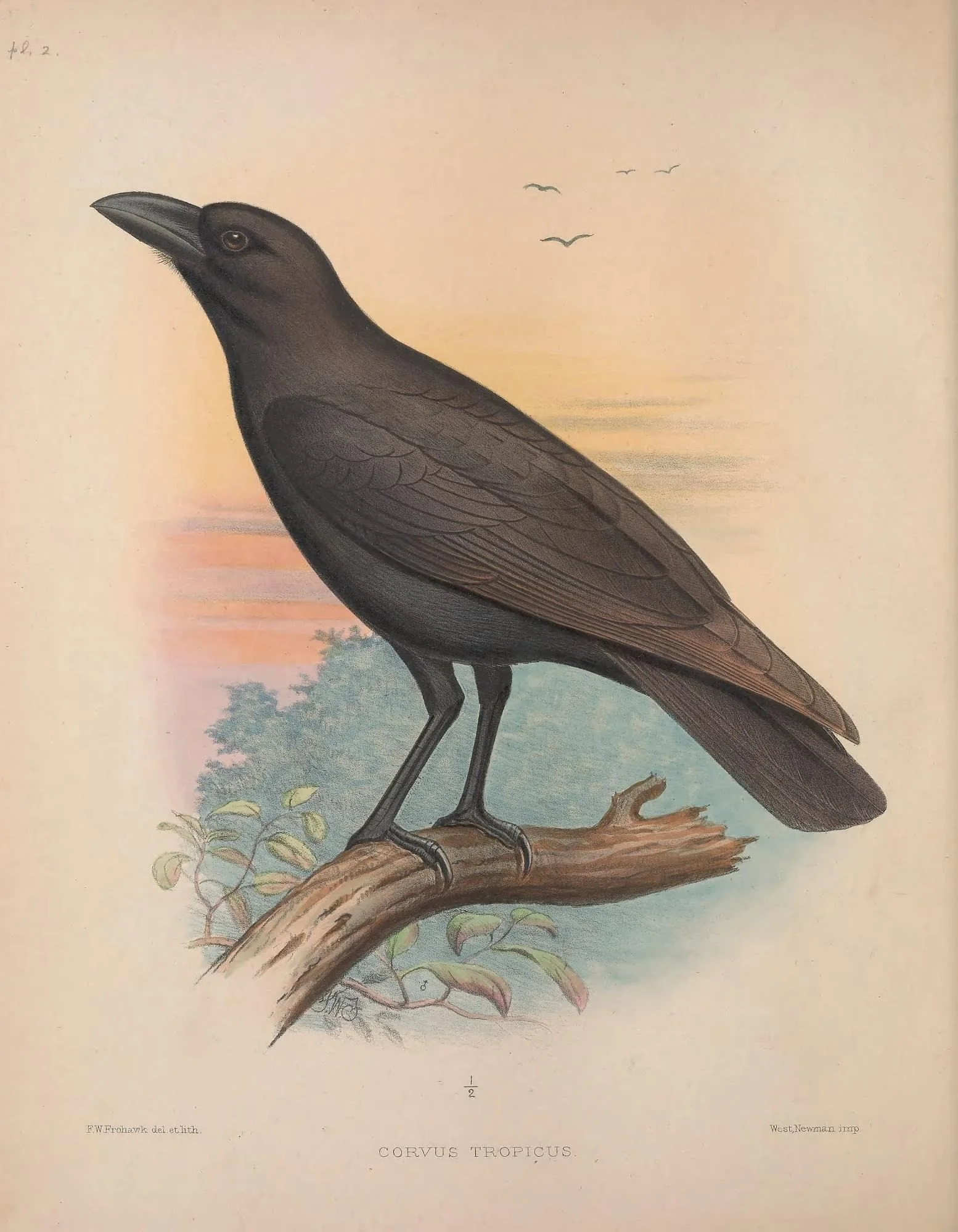
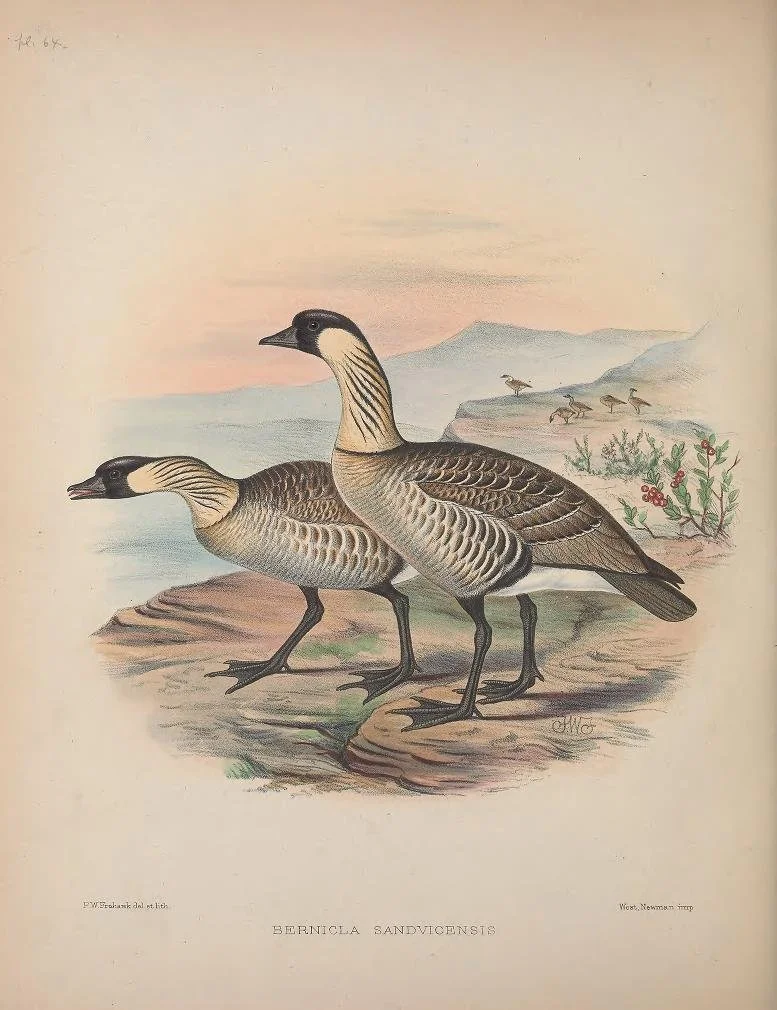
Islands can breed variety — as vividly demonstrated by the Hawaiian honeycreepers — but that variety comes from a rather limited, initial stock of species. Numerous among that stock are usually insects, carried by winds or wings, as well as reptiles swept to sea on uprooted tree-rafts, and, of course, the most mobile class of animals: birds. What islands usually lack are amphibians, whose sensitive skin can’t handle the salty spray, freshwater fish, who cannot swim through the salty water, and terrestrial mammals, who simply can’t survive very long stranded at sea. When it comes to mammals, however, there is one very notable exception.
For obvious reasons, bats are far more mobile than the rest of mammal-kind, so much so that they are the only native land mammals to be found on many islands.
Hawaiʻi has one bat species.
Given the archipelago’s isolation, it’s impressive that any bat — especially such a tiny bat with a high metabolic rate — managed the 3,000-kilometre (1,860 mi) journey; the longest known, naturally occurring overseas dispersal for a terrestrial mammal. The story reflects that of the honeycreeper’s arrival. Some 1.35 million years ago, a few ancestral hoary bats were torn from North America’s coast and harried across the Pacific like leaves in a storm. By the grace of Laʻamaomao, the Hawaiian wind goddess, who must have blown favourable winds from her magic gourd, the bats arrived alive in bird-dominated Hawaiʻi. And genetic evidence suggests that this improbable journey didn’t just happen once, but that the hoary bats arrived in several waves, most recently under 1,000 years ago. Once on Hawaiʻi, they shrank by about 30% and, over many generations, became Hawaiian hoary bats: the ‘ōpe‘ape‘a, or “half-leaf,” named for how their spread wings resemble a taro leaf. To this day, these hoary bats remain one of just two chiropteran species known to have made it to the islands, and the only one to have survived.
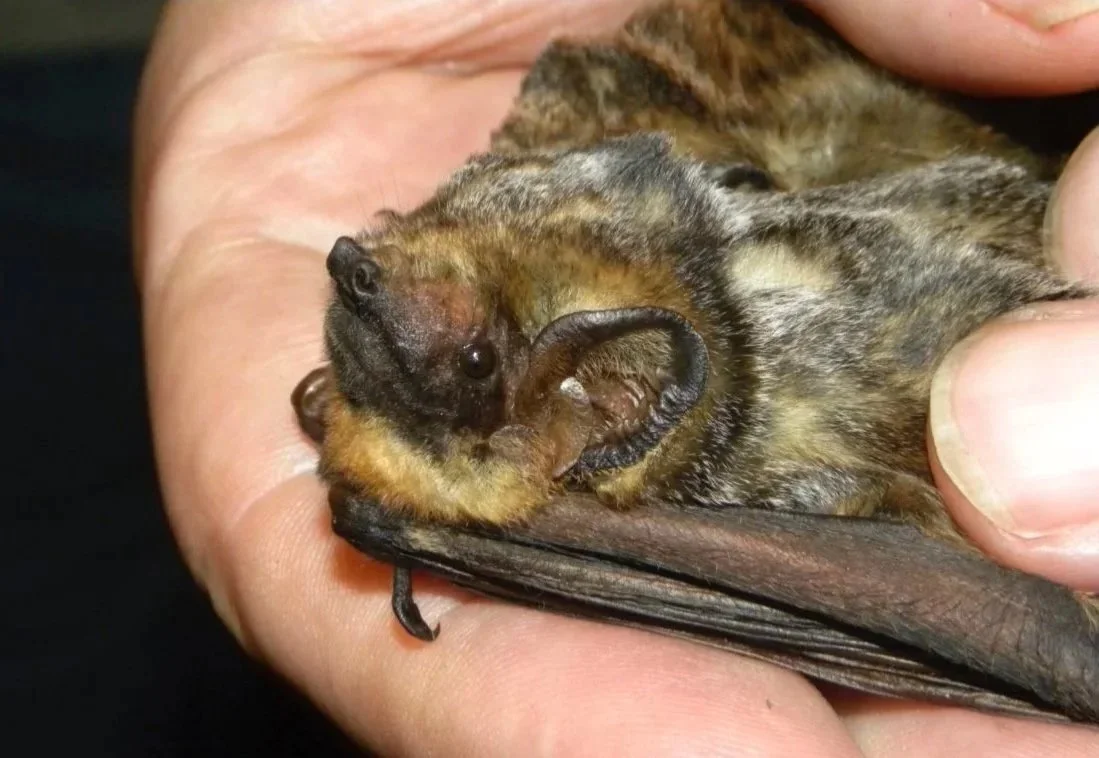
The Hawaiian hoary bat (Lasiurus semotus), or ‘ōpe‘ape‘a, the only native terrestrial mammal on the Hawaiian Islands.
But if there's one creature whose journey sounds even more miraculous than the hoary bat's, like some adventure story à la Jules Verne, it is the blind cave wolf spider of Kauaʻi. How does a wingless arachnid traverse an ocean? How did Phileas Fogg circumnavigate the world in 80 days?
Newly hatched wolf spiderlings, tiny and light, release threads of silk into the air. They're pulled skywards by these parachutes, “ballooning” using air currents, carried by the whims of the wind — tiny specks in a sea of aerial plankton. Some are inevitably swept away to float across the true sea aquatic, eventually touching down in a new place. How many millions must have landed amidst the waves and drowned? Many many more, surely, than made it to solid land.
But some did make it, all the way to Hawaiʻi. They parachuted from island to island and eventually landed on Kauaʻi, where they found tunnels beneath the ground carved out by old lava flows but long since cooled and hardened. They crawled down between the cracks, into lava tubes and caves, and they never left. They became blind, then lost their eyes completely, and now they hunt in complete darkness. As if traumatised by their ordeal at sea, these blind cave spiders of Kaua'i cut their ties to the sky so completely that they would never see it again.
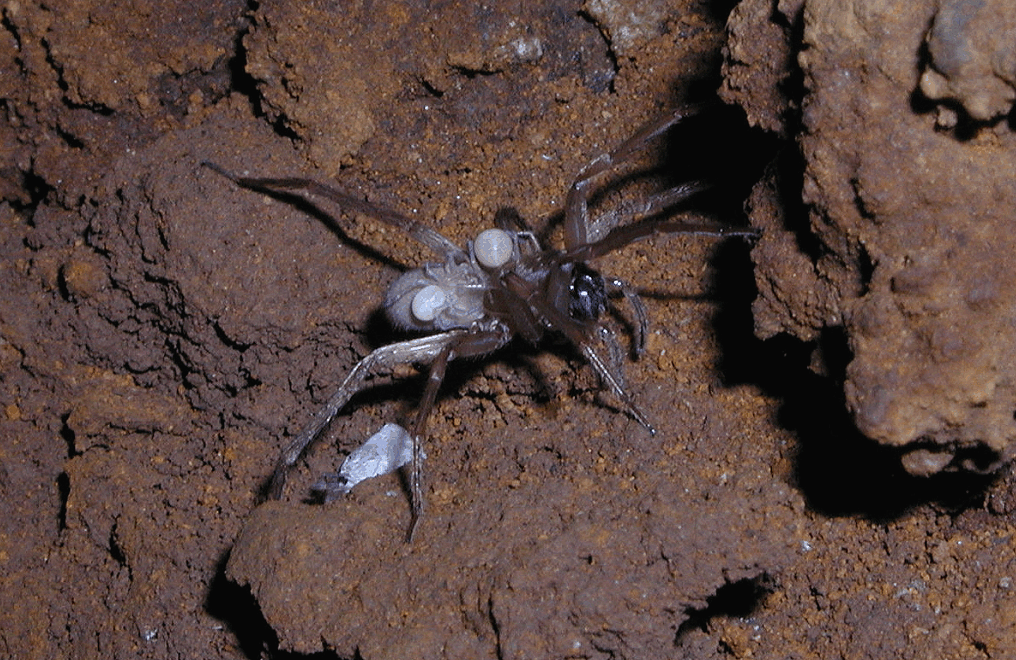
The Kauaʻi cave wolf spider (Adelocosa anops), adapted to the lightless caverns of southern Kauaʻi by losing its eyes entirely.
Endemic geese and crows, seafaring bats, eyeless cave spiders, and more creatures we've still yet to meet — life on Hawaiʻi was not born oozing from the sea, as were the islands themselves, but arrived from disparate parts at different times. Over hundreds of thousands and millions of years, this life was moulded by these isles into seemingly endless variety. But it is the honeycreepers who remain the icons of Hawaiʻi's fauna; representative of the archipelago's incredible diversity, as well as its eventual decline. Perhaps these birds, more varied in plumage and beak than the finches of the Galápagos, more dazzling by far, would have garnered more notice if most of them were still around.
When Darwin visited the Galápagos Archipelago nearly 200 years ago, he encountered the same species of finches you'd see if you visited today — in other words, none of them have gone extinct. Out of the 50 plus species of Hawaiian honeycreepers that once existed, only 17 remain, and of them, 11 are endangered.
———
The ʻApapane & the White-eye
Islands are referred to as "natural laboratories of evolution" not just for their extravagant creatures — their "experiments" — but for the fact that islands often have simplified ecosystems compared to those of the mainland, making the interactions between each component easier to study. The fewer the pieces, the easier it is to put the puzzle together.
Kīpuka are laboratories within those laboratories, ranging in size from an area not much larger than a typical backyard, to over a square kilometre (>250 acres). Unlike oceanic islands, most of whose ecosystems predate the study of ecology (and our own species altogether), kīpuka offer relatively new grounds for study. Multiple kīpuka are often created by a single lava flow, each far enough apart to be isolated, yet similar enough in their characteristics — their soil, age, and type of vegetation — to make comparison between them meaningful. (In the same way a set of beakers all share the same conditions, that is, apart from the condition whose effects you want to study.) Kīpuka can reveal what happens when a habitat is fragmented into pieces, when certain species are excluded from an ecosystem, or how species colonise new lands. One particularly pertinent and urgent topic of study, to the world at large and to Hawaiʻi especially, is the impact of invasive species.
Hawaiʻi has a few native spiders. We've met the eyeless troglodytes in their lava tubes, but the islands also host a much jollier species. The happy-faced spider is a single species that comes in an astounding diversity of colour morphs, with several morphs featuring distinctive smiley-faces on their abdomens. But, for every happy-faced or blind cave spider, you'll find ten alien arachnids.
Achaearanea cf. riparia is a comb-footed spider that lives on the island of Hawaiʻi. It is not native.
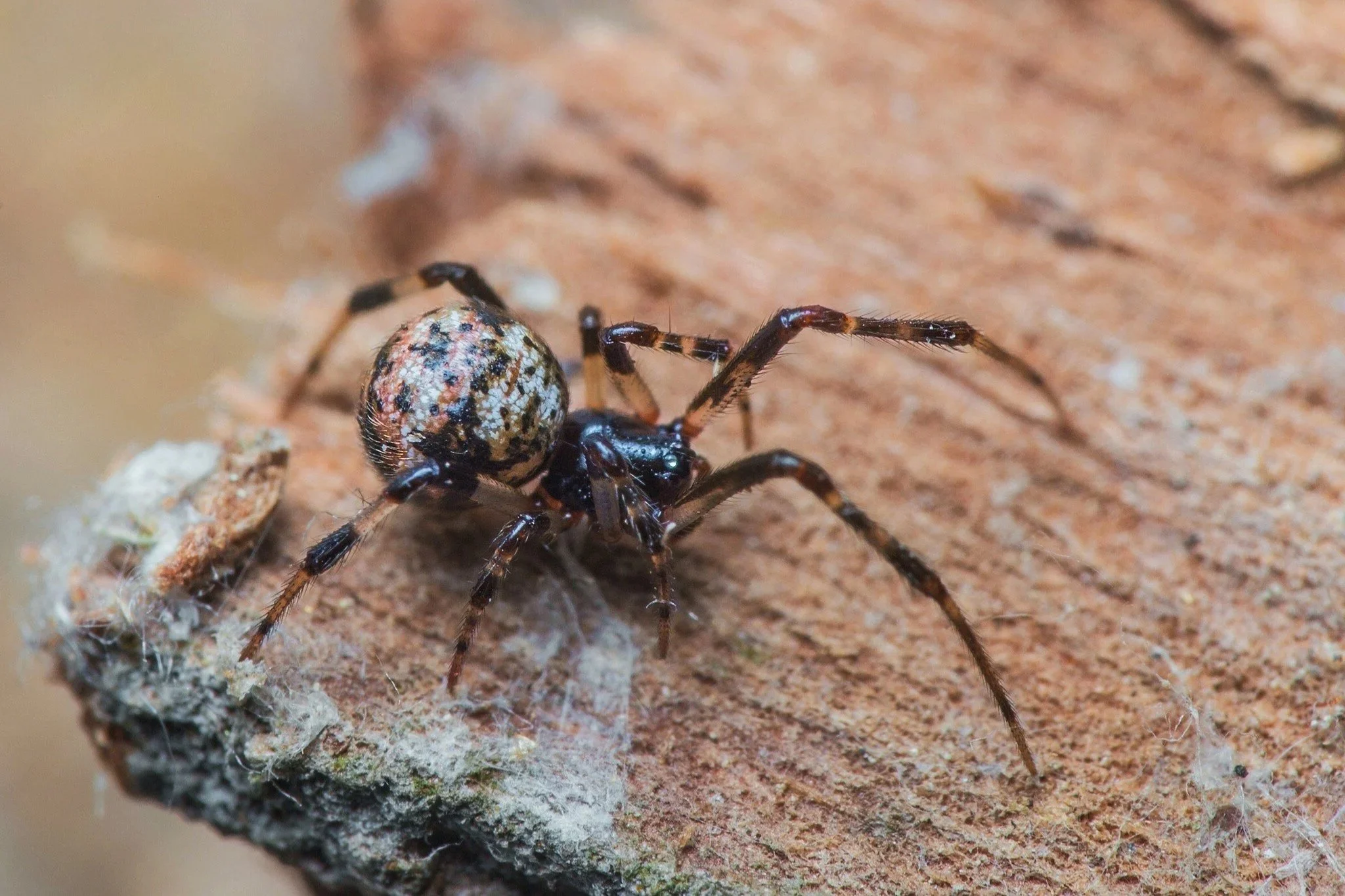
In Achaearanea cf. riparia, the “cf.” stands for the Latin confer, meaning “compare with.” It indicates that the specimen resembles that species but the identification is uncertain. So the spider being described, Achaearanea cf. riparia, looks like Achaearanea riparia, and it could well be Achaearanea riparia, but the identification is not definite. At the very least, it’s likely to be a close relative.
How did this invasive arachnid become established, and what allowed it to proliferate where other invaders failed? A 2005 study by Daniel S. Gruner from the University of Hawaiʻi sought to answer these questions, using the spider as a case study for invasive species in general, as well as focusing more specifically on the role played by birds.
On the Island of Hawaiʻi, Gruner found his laboratory amidst a historic lava flow: a chain of kīpuka created by the 1881 eruption of Mauna Loa. This particular chain of fragments — recreating an archipelago in miniature along a stretch of Saddle Road — has served as the grounds for many an ecological experiment since its hellish creation.
For his study, Gruner set up 32 twenty-by-twenty metre (66 x 66 ft) plots, each with one to six trees inside. In some plots he let the trees stand free as they normally would, allowing any birds to come and go as they please, while in others he set cages around the trees, with the effect of excluding all birds. For 33 months he waited, observed, and sampled.
His plots were located some 1,280 metres (4,200 ft) up the slopes of Mauna Kea, distributed across young, wet forest dominated by ferns and ʻōhiʻa lehua trees — evergreens that bloom with brush-like flowers, attracting pollinators like the scarlet ʻiʻiwi, with its decurved beak for reaching nectar. Sparrow-like ʻōmaʻos pluck fruit from the surrounding foliage and globular ʻelepaios snatch up insects. However, the most common native bird in the forest — and the most plentiful of the remaining honeycreepers, with a total population estimated around 1.3 million (over 80% of which live on the Big Island) — was the crimson-and-charcoal ʻapapane. While each forest species has its specialisations and preferences, most of them will, if the opportunity presents itself, catch and eat arthropods. So what happened in Gruner's plots; specifically those plots where the ōhiʻa lehua trees were caged and the birds were barred from entry?
In short, they were overrun by invasive spiders.
Gruner sampled each tree by clipping branches, and beating them against a lab table until everything clinging to them fell off. Then he sucked the shaken arthropods up with an aspirator and counted them. He found that the caged plots saw a 25- to 80-fold increase in the density of the invasive comb-footed spider species — in other words, the spider's population exploded by 25–80× in the absence of bird predation. The result itself isn't surprising. One of the most fundamental rules of ecology, after all, is that predators keep a prey population in check (remove the predators and the prey explodes in numbers). But the extent to which birds appear to control the invasive spiders is significant. To put it in perspective, say you were on an island with a healthy bird population, and on each tree you'd find around 10 spiders. Take away the birds, and each tree would now be crawling with anywhere between 250 and 800.
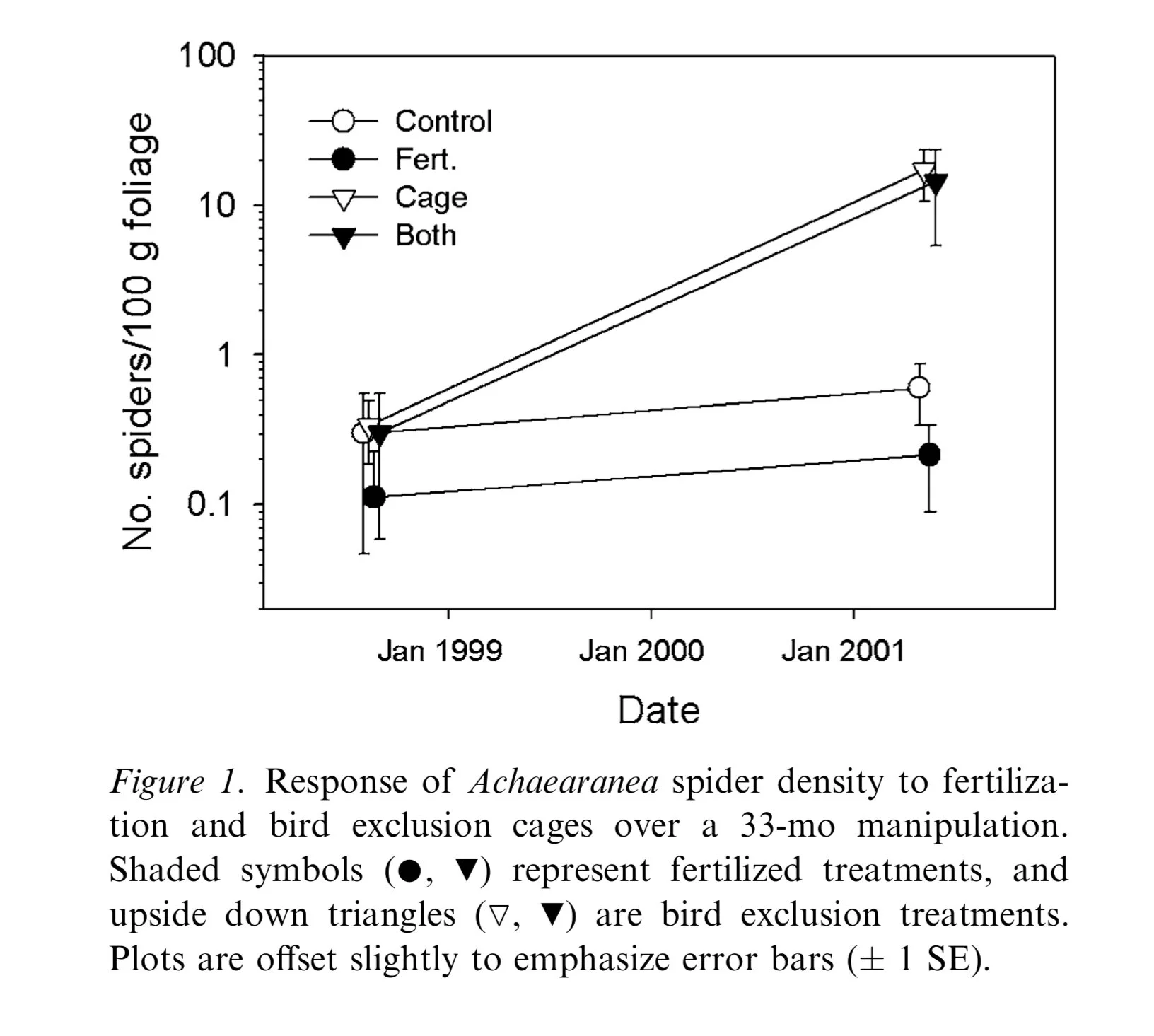
“Caging significantly increased both density and biomass of A. riparia. Average density in caged, unfertilized plots was approximately 25-fold higher relative to control plots and almost 80 times higher than in fertilized, uncaged plots (Figure 1).”
A diary entry dating all the way back to 1891 describes ʻio, or Hawaiian hawks, with legs tangled in spider webs, their stomachs and throats full of spiders — suggesting that such a spider boom may have already occurred more than a century ago.
“A strongly interacting community of native species may resist invasion, predicting species-rich communities should be more stable and resistant.” Elton (1958). The more native birds there are — the more ʻōmaʻos, ʻelepaios, and ʻapapanes — the more effectively an ecosystem can resist an invasion of arthropods, with generalist species like the ʻapapane playing an especially important role. But there was one, small complicating twist in Gruner’s study.
The ʻapapane was the most common native bird in the forest, but it wasn’t the most common bird species overall. That was the warbling white-eye, an invasive songbird from East Asia with olivine plumage and white rings around its eyes. It forages in the treetops, gleening insects and, crucially, spiders from the foliage. It’s an invasive fighting another invasive.
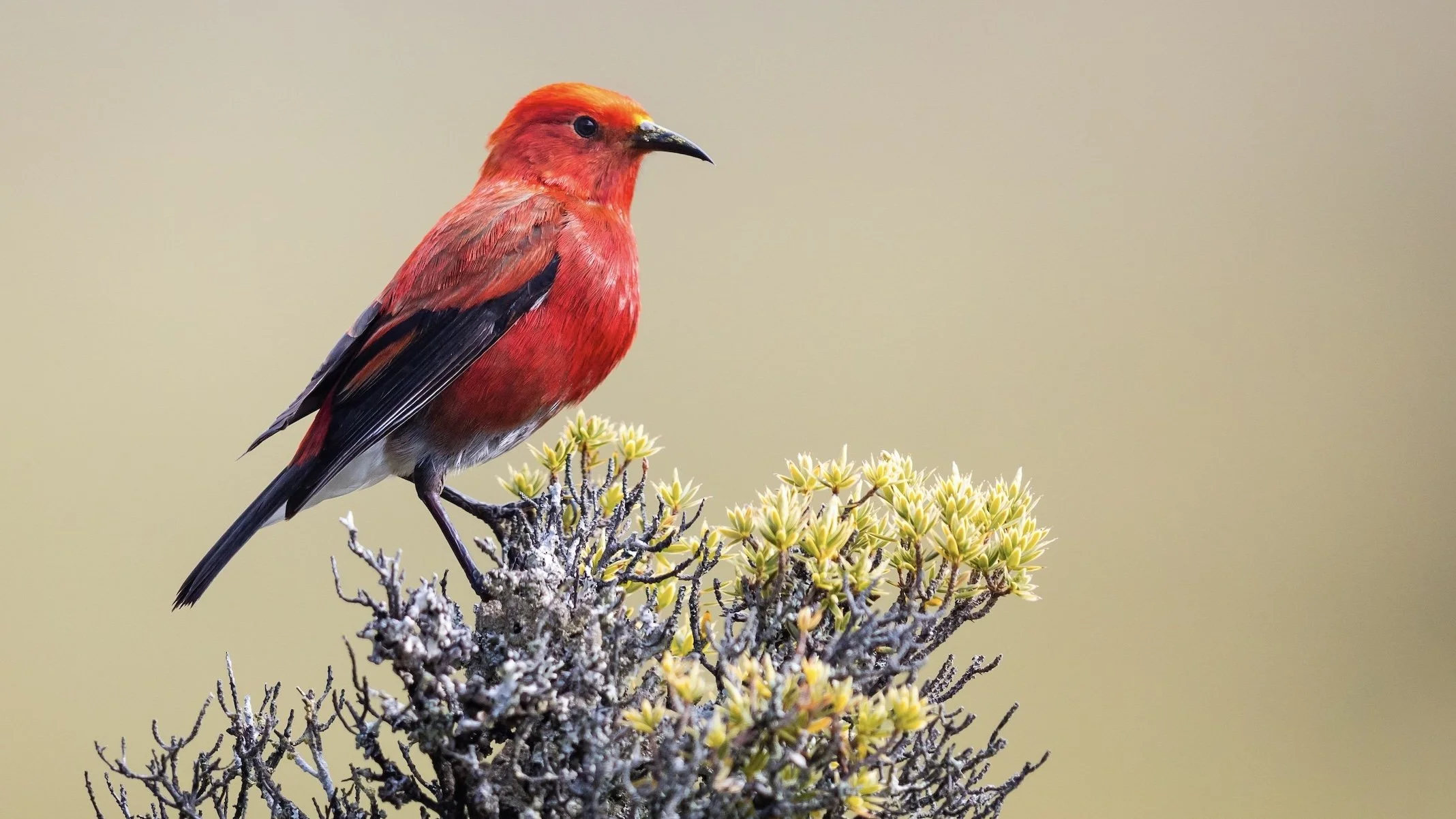
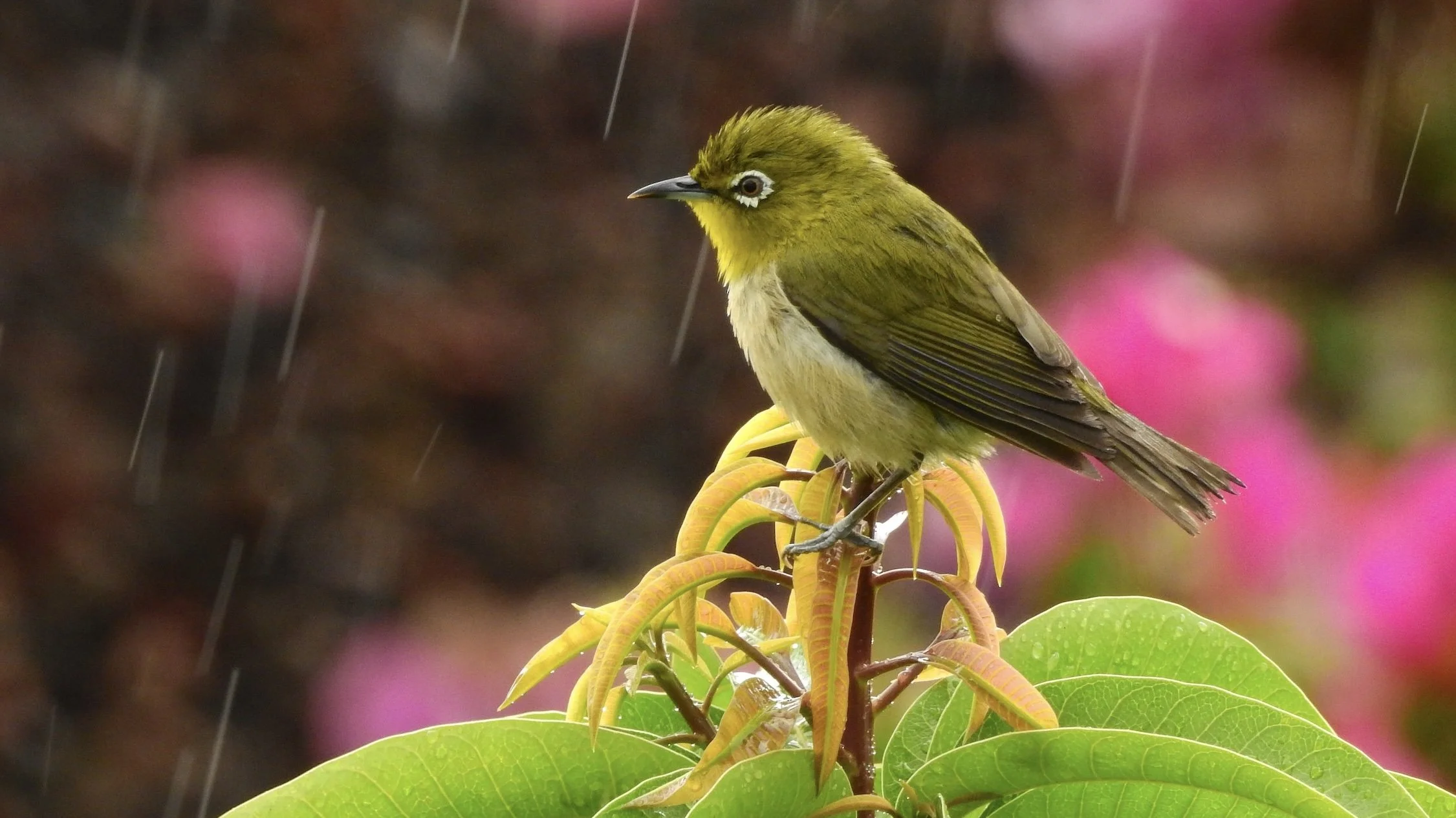
The situation isn’t unprecedented: along the northeast coast of the United States, the invasive European green crab predates upon the invasive Asian shore crab, and, in the African Great Lakes, the invasive Nile perch controls populations of invasive tilapia species. Invasive predators generally aren’t picky about who or what they eat.
Does that make the white-eye a positive presence, despite its invasive status? Well, it’s complicated.
One could take the perspective that Hawaiʻi’s ecosystems are working with the pieces they’ve got. Once upon a time, a native bird would have filled the role that the white-eye does now, but, for one reason or another — habitat destruction, disease, natural disaster, or likely some combination of threats — it went extinct. Perhaps it even perished due to competition from an invasive species, like the warbling white-eye. There’s also the fact that white-eyes “forage predominantly within tree canopies, leaving many microhabitats where these spiders and other introduced species may gain a foothold and persist in novel environments.” It’s possible that the white-eye replaced a native bird which would have done a better job of controlling the arachnid invasion. And the white-eye may well cause more harm, through competition with native species, than it does good through “pest control” — the damage European green crabs and Nile perch cause to native species certainly outweighs their positive contributions.
“A successful invasion [occurs] when an invader is able to increase from rarity. By this definition, Achaearanea riparia [the comb-footed spider] was present but not invasive until birds were excluded.” Crawley (1987).
Gruner’s study demonstrates that the presence of birds in Hawaiʻi's forest — specifically generalist omnivore species — was able to successfully stave off an arachnid invasion. How many other invasions have been stopped in their tracks, squirming in the beaks of birds, before we even took notice?
It makes one question if islands are inherently more vulnerable to invasion, as is generally assumed. Perhaps if their ecosystems weren't punched so full of holes — if so many species weren't already extinct — and their avian fauna (especially rich on isolated islands) was as numerous as the time before humans arrived, maybe then island ecosystems would be much more able to resist invasion, particularly from invasive arthropods like comb-footed spiders. But the study also presents a complicating factor: an invasive species, regardless of its other detrimental effects, can nonetheless contribute to an ecosystem's resistance by increasing predation pressure on other invasives — whether or not it does so as effectively as a native species could have. And, perhaps most crucially, the study eludes towards the dire consequences should Hawaiʻi's birds become even more diminished, or disappear all together.
An island can be a “natural laboratory,” but it's far more than that too. It's an ecosystem that has built itself up over hundreds of thousands or millions of years. We can't control all the variables that act upon its many parts — that's one reason why we study kīpuka as islands in miniature — nor can we make modifications without long-term and serious consequences. Unfortunately, we've been altering entire island ecosystems for far longer than we've been conscious of our impact. Some invasions, the birds of Hawaiʻi could not prevent.
———
A Vampiric Plague
“In the Hawaiian Islands… it was unknown up to 1826. … On the night of its arrival [of a vessel], a native informed the late Dr. D. Baldwin, the missionary in charge of the Lahaina station, that a new fly, a singing fly, had bitten him. Not long after, the missionary heard a strain which he recognized as that of the mosquito. It was the first time its sinister song had ever been heard in those Islands.” — from a 1903 issue of The Hawaiian Star newspaper.
The Hawaiian Islands were once completely free of mosquitoes. No buzzing in your ear, no itchy bites, no restless nights spent hunting the little vampires. That was before 1826, when a whaling vessel made landfall at Lahaina on Maui's western coast. Aboard it were several barrels of water, and in that water were hoards of squirming larvae. Just as Dracula clandestinely arrived on the shores of England by ship, so did the mosquitoes arrive in Hawaii. Much havoc and death followed. The islands went from zero blood-sucking insects to six biting species today. And a mosquito bite, annoying as it is, isn't nearly as bad as the ills that may follow.
The yellow fever mosquito and Asian tiger mosquito are known as day-biters, as well as the primary vectors for a slew of diseases from yellow fever to dengue, Chikungunya, and Zika. However, the most widespread and deadliest mosquito was also the first to arrive: Culex quinquefasciatus, or the southern house mosquito. It is present across all the major islands and breeds in most any kind of standing water — ditches, ponds, and stream edges, as well as artificial containers like tyres and barrels — but, unlike the day-biters, this night-biting mosquito is in the habit of migrating several miles from its breeding site to bite its victims. And while the mosquito itself isn't deadly, what it carries in its salivary glands is. In Hawaiʻi, it is the sole vector of avian malaria.
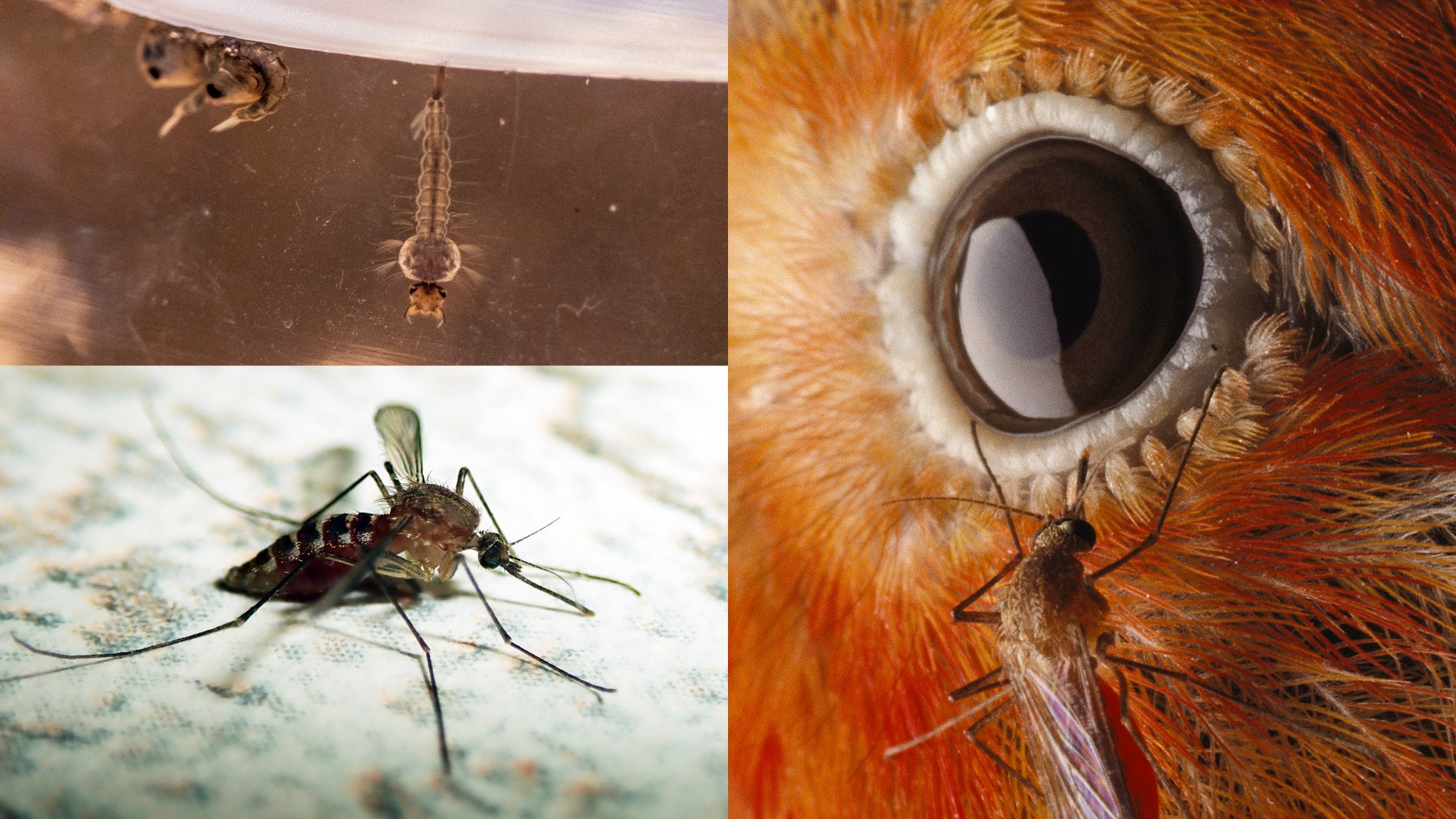
Mosquito larvae in water, an adult female, and a female sucking the blood of an ʻiʻiwi.
(© noemicav, © Jean Roger / iNaturalist, © Chris Johns/National Geographic Creative)
Malaria is a disease caused by a plasmodium: a microscopic blood parasite that infects red blood cells and ultimately destroys them. The plasmodium itself has likely been around in Hawaiʻi for many thousands of years — carried to its shores in the blood of seabirds and waterfowl from the Americas — but with no vector to transmit it, the plasmodium couldn't infect native birds. There was a bullet, but no gun to fire it. That is, until the mosquitos arrived.
Both types of malaria, human and avian, spread in the same manner (albeit through different mosquito species). And both types can be fatal, especially to those with no prior exposure and thus no resistance. It takes a single bite from a malaria-carrying mosquito to kill a honeycreeper.
The impact of invasive species like mosquitoes combines with another major threat: climate change. Together, they push the Hawaiian honeycreepers to the very edge — or, more accurately, to the very peak.
Mosquitos are warm-climate creatures, and so the fossil-fueled warming of the world, expanding their domain to new latitudes and altitudes, has served them well as it. Along for the ride are the debilitating diseases they carry, which can now infect regions and populations they'd never afflicted before.
Hawaiʻi's tropical climate is ideal for mosquitoes. The lowland forests quickly became infested with swarms of blood-suckers, and soon fell silent for lack of bird song.
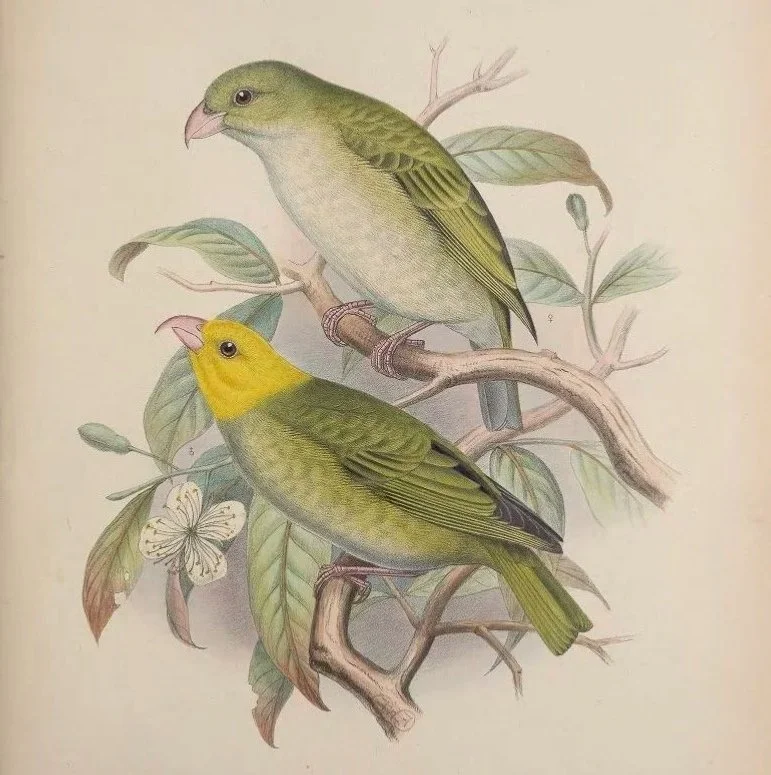
On the island of O‘ahu, the ʻōʻū — a yellow-headed honeycreeper with a finch-like beak for feeding on fruit — went locally extinct. Its habitat remained intact, branches and vines heavy with fruits. The forests were still standing, the resources still there, but the birds were gone — like a fully-stocked house, everything still in its place, except for the residents. O‘ahu, its highest point peaking at 1,227 metres (4,025 ft), is among the lower-lying of the main Hawaiian islands. When the mosquito plague arrived, the O‘ahu ʻōʻū had nowhere to flee.
On other islands, those birds that could, retreated up the volcanoes seeking higher altitudes where colder temperatures prevented mosquitoes from thriving. Then humans belched out more greenhouse gases and the mosquito front advanced up the slopes. The birds, in response, were forced to migrate higher.
The volcanoes of Hawaiʻi can be pretty tall — the tallest, Mauna Kea, stands 4,205 meters (13,796 ft) above sea level. But, as temperatures keep increasing, allowing mosquitoes to invade higher altitudes, the birds of Hawaiʻi are forced ever further up the slopes. Every advance up the tapering volcanoes means less space and fewer resources, so bird populations dwindle as they climb. The ʻōʻū eventually disappeared from O‘ahu, and from every other island; the entire species now considered extinct. If the current trend continues, the fate of all honeycreepers is obvious. Even the tallest mountains have peaks.
On the topic of global warming, there’s been much talk recently about rising sea levels and their effects on coastlines around the world. Bangladesh, a country located within the world's largest river delta, is predicted to shrink by 20% over the next thirty years if sea levels continue to rise. An even more dire example are the Maldives, comprising over 1,100 islands of which nearly 200 are inhabited. It is the lowest-lying nation in the world — its highest natural point only rises 5.1 metres (17 ft) above sea level and its average elevation is just 1.5 metres (4.9 ft). By 2050, 80% of the land could become uninhabitable. By 2100, the entire country might be submerged. As sea levels rise and the human inhabitants are forced to emigrate, all the terrestrial creatures of the Maldives — lizards and snakes, fruit bats, herons, and waterhens, butterflies, beetles, and spiders — will have to compete for dwindling space and resources. Eventually, those that can’t flee will run out of land and be swallowed by the sea.
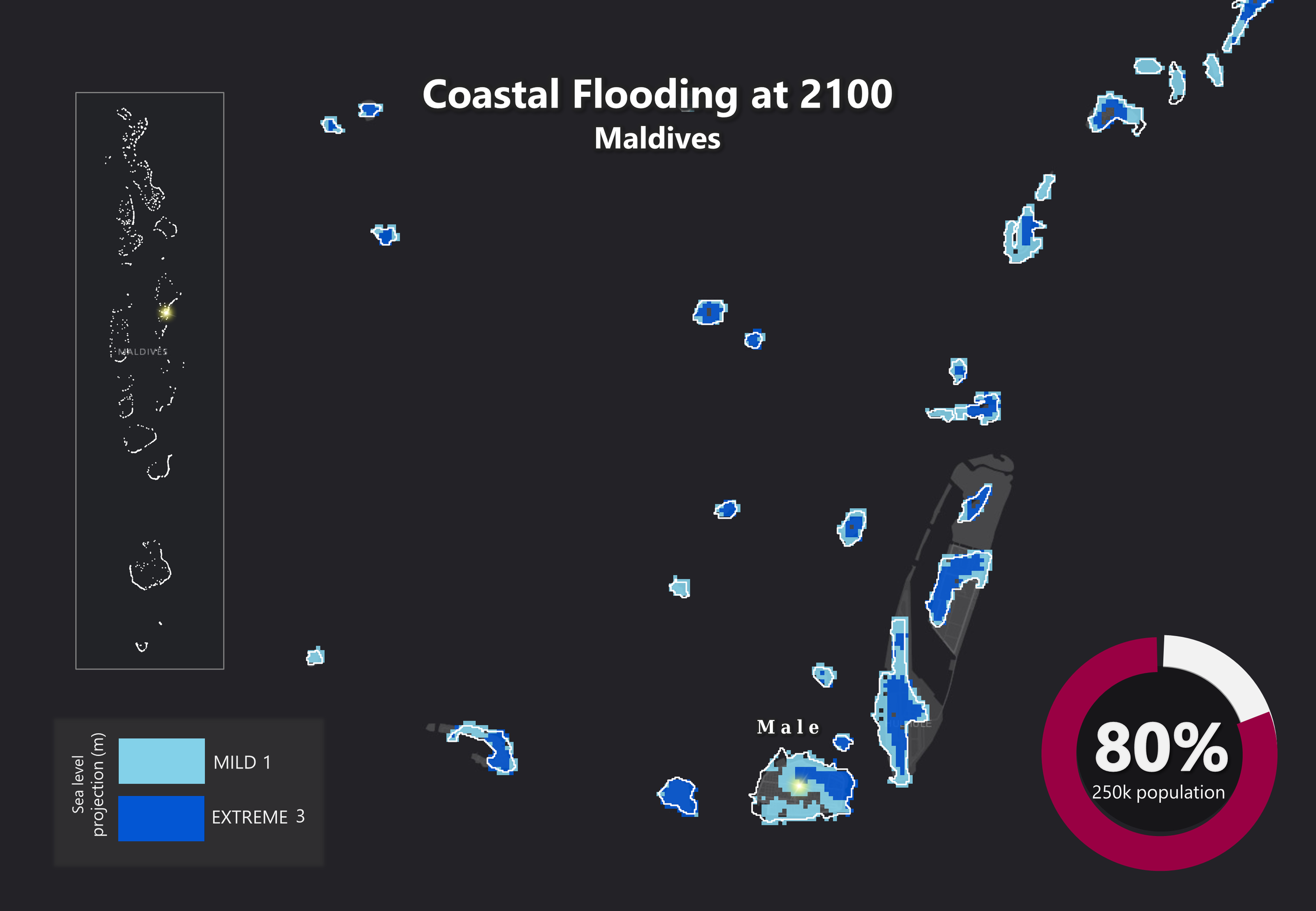
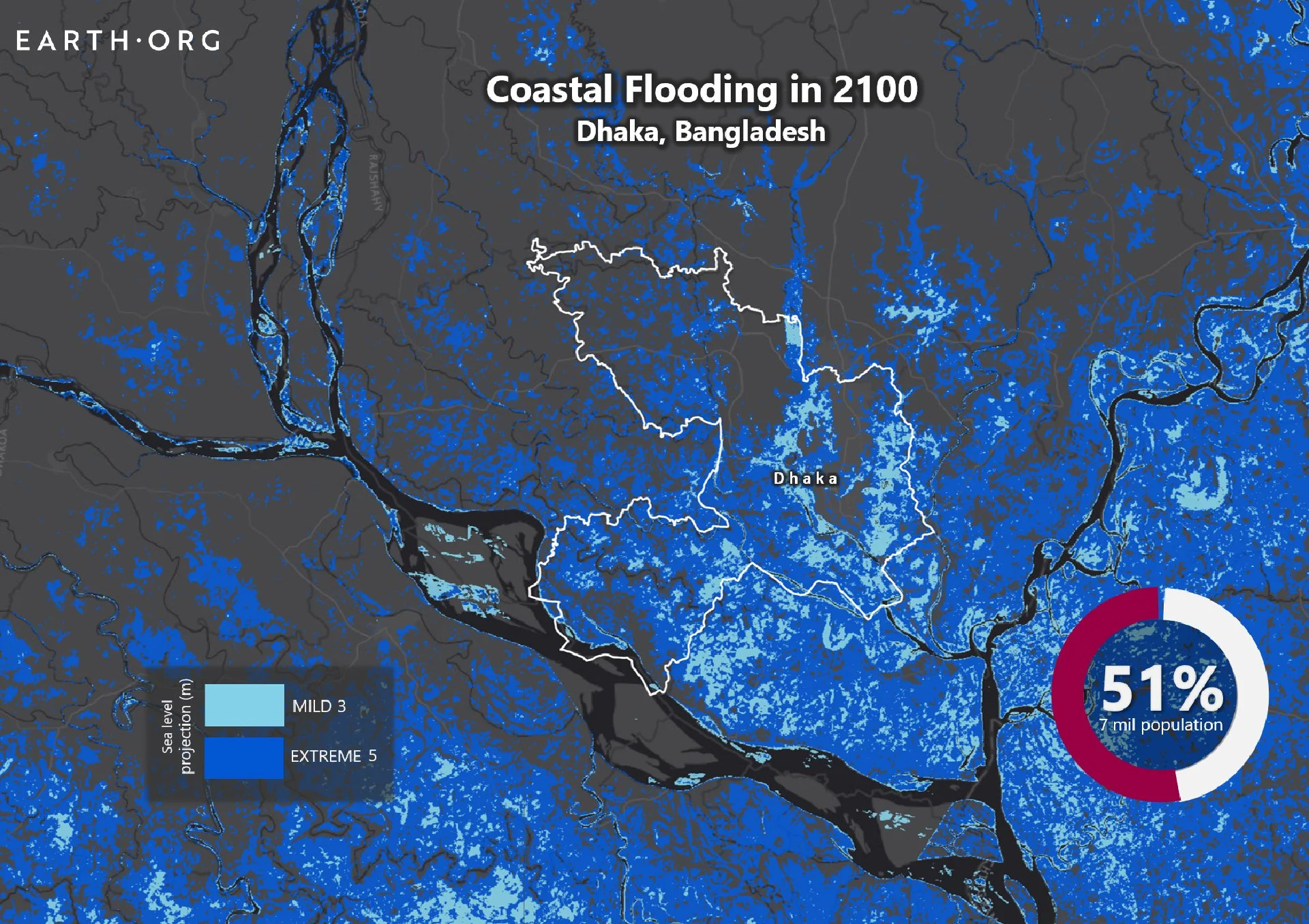
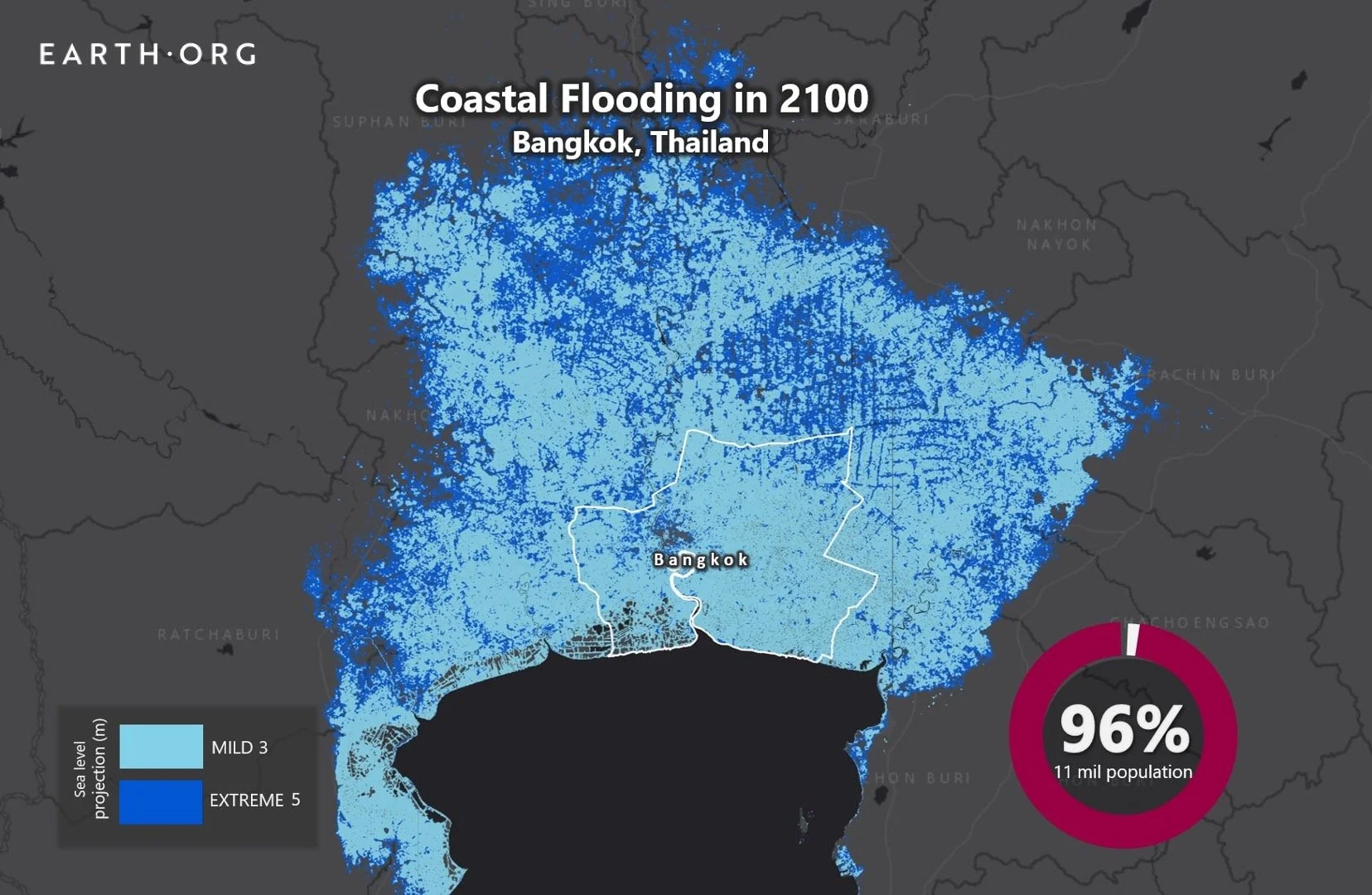
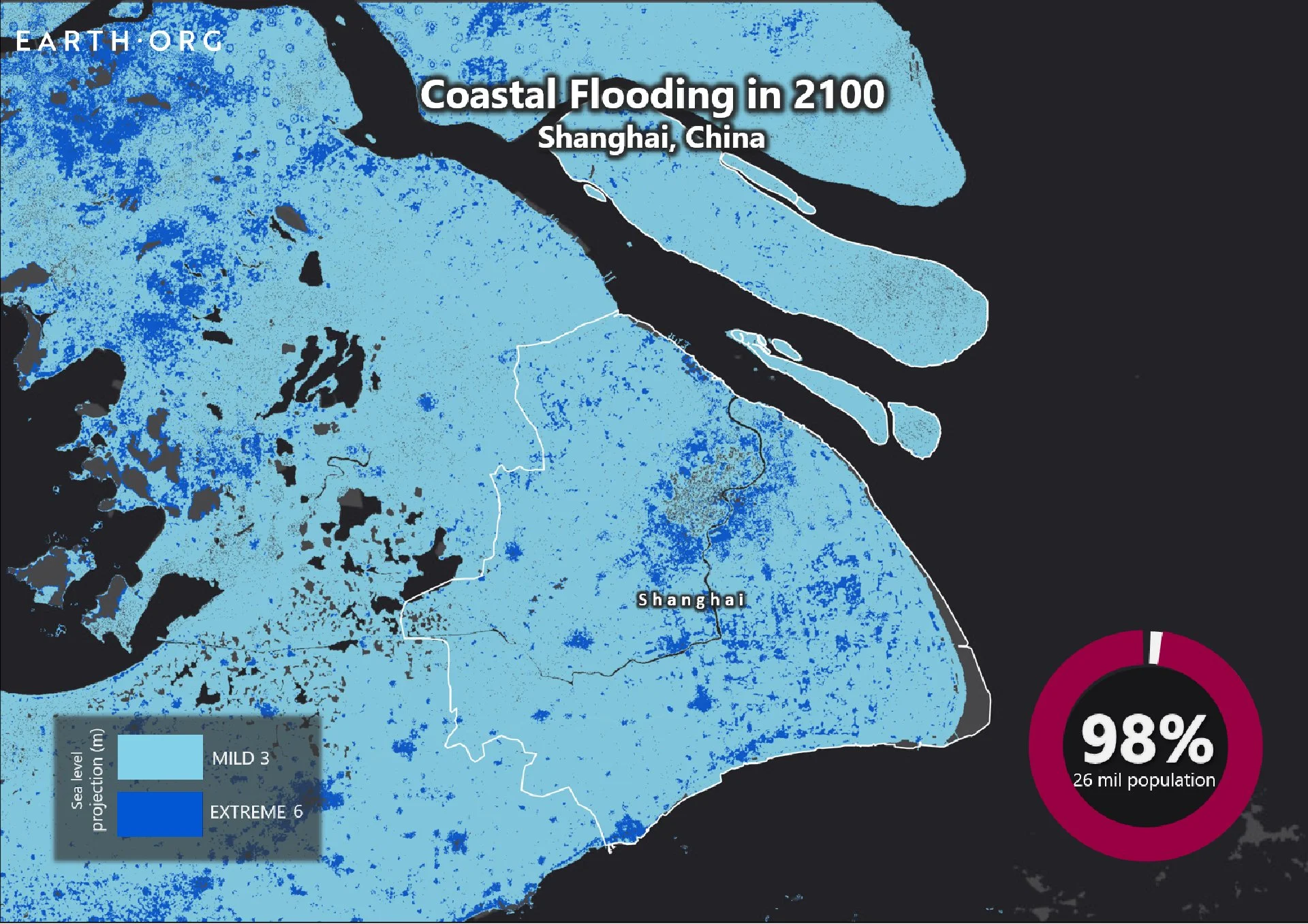
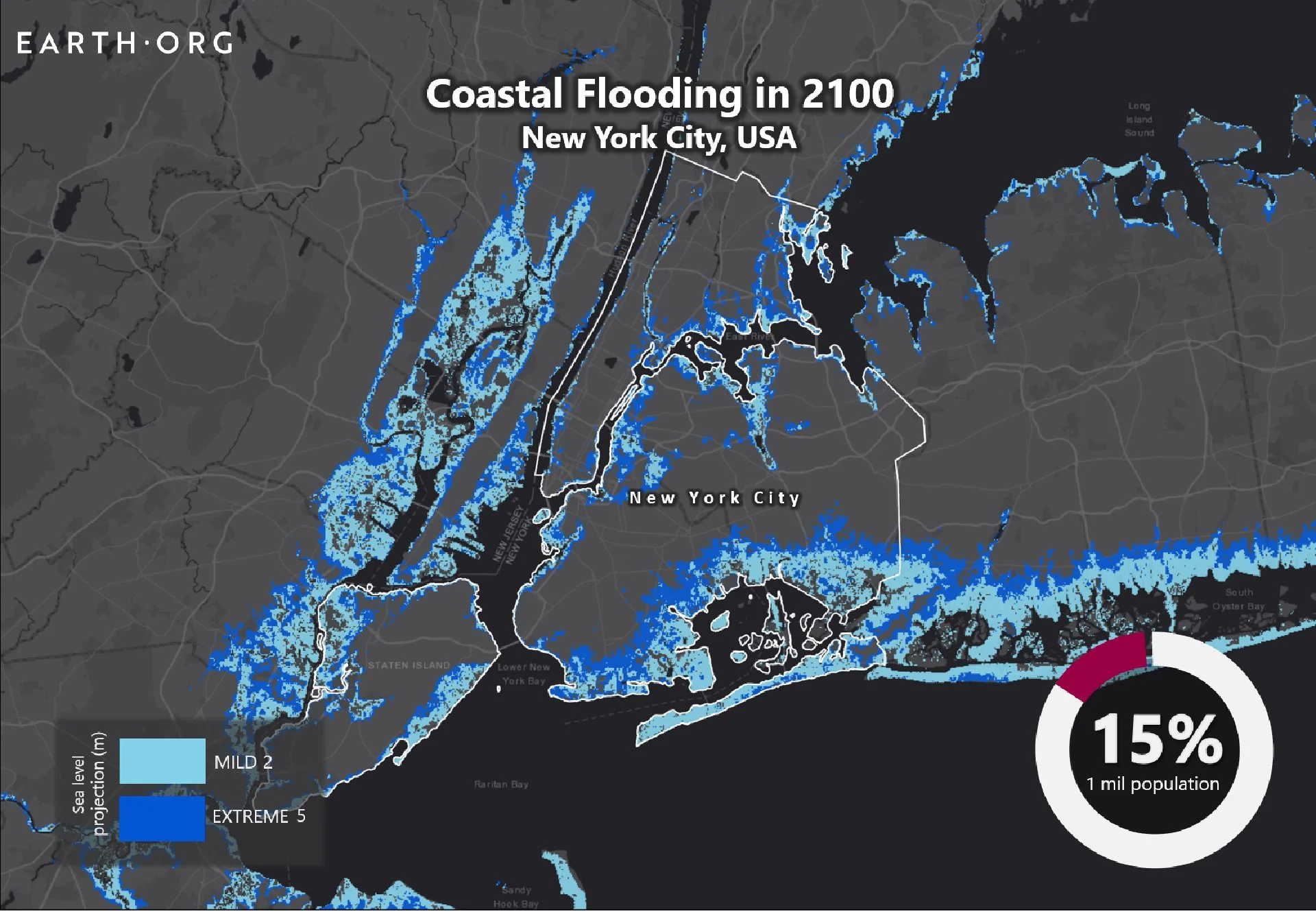
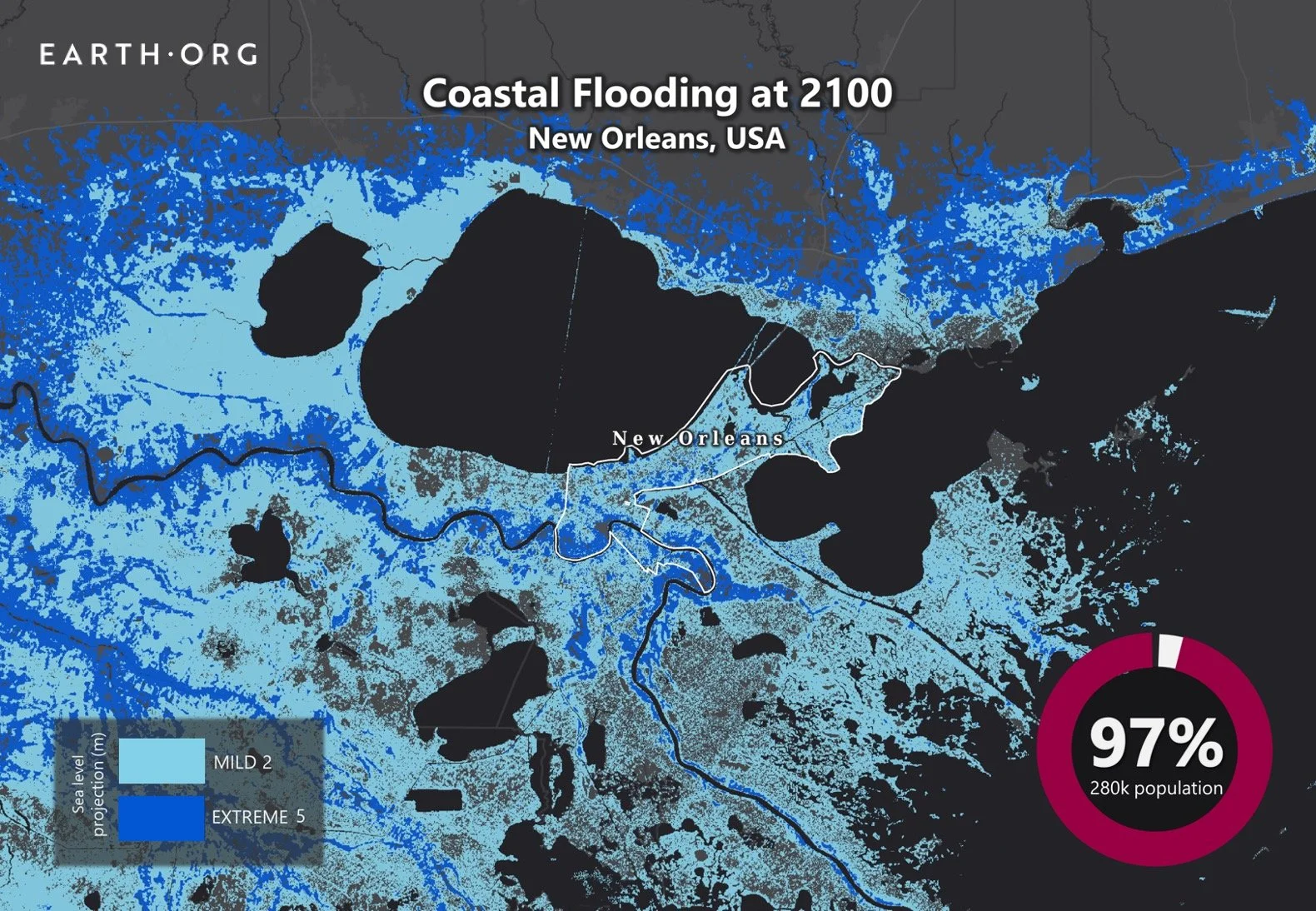
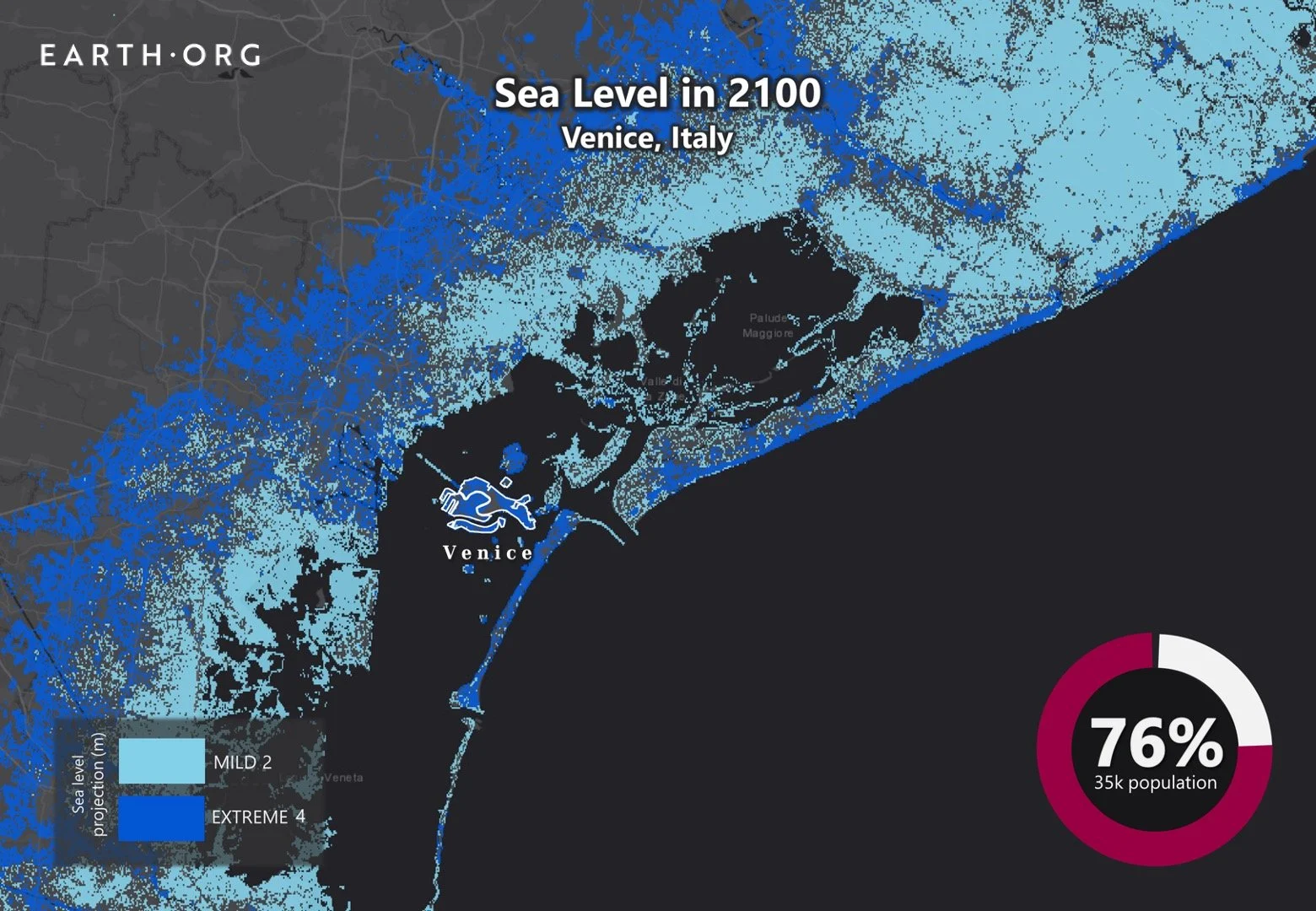
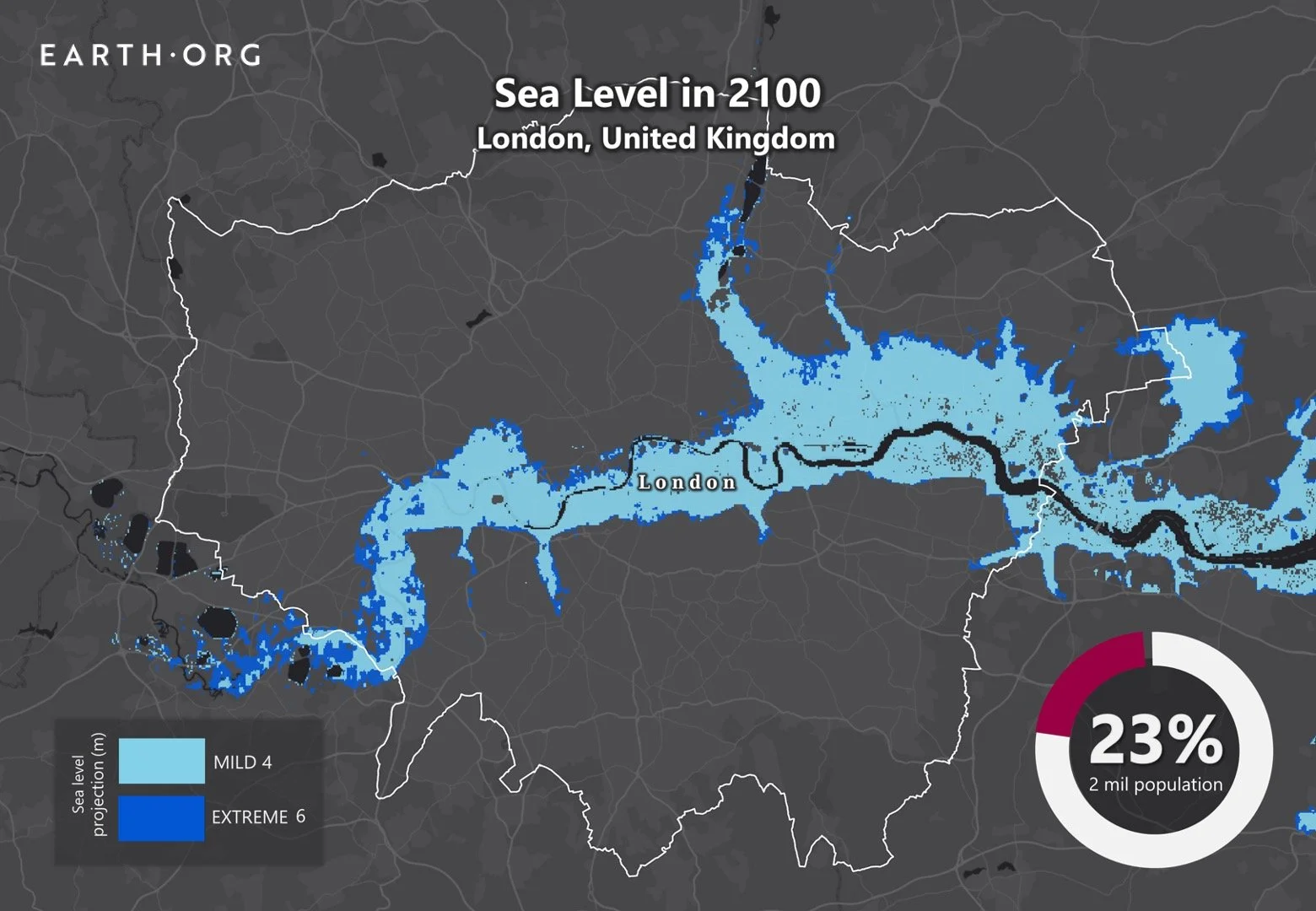
Sea level rise projections by 2100 for two scenarios with the amount of rise in meters indicated (mild = 1m; extreme = 3m). Population displacement indicated bottom right. (© Earth.org)
Like the inhabitants of a low oceanic island, surrounded by rising waters, the Hawaiian honeycreepers seek refuge among the volcano tops; on sky islands surrounded by a rising tide of disease. The the Kauaʻi ʻakekeʻe, kiwikiu (Maui parrotbill), 'ākohekohe (crested honeycreeper), and 'akikiki (Kauaʻi creeper) — all fated to be swallowed by a rising, buzzing swarm of malarial pestilence; an insectine plague, unknown to these islands until humans dumped it into their streams less than 200 years ago.
———
An Ecosystem of Invaders
Today, over 400 Hawaiian species are listed as endangered or threatened, constituting almost a third of all imperilled species in the United States. Check their list of threats and you're likely to find ‘invasive species’ near the top. The question explored by Gruner's invasive spider study — what makes an ecosystem vulnerable or resistant to invasion? — has consequences far beyond the realm of scientific curiosity.
Out of the 20 most observed bird species in Hawaiʻi, two are endemic, three are native, and 15 are invasive. The avian fauna of Hawaiʻi is not very Hawaiian anymore; it's a patchwork of invaders from North America (northern cardinal and house finch) South America (red-crested cardinal and saffron finch), Africa (yellow-fronted canary and common waxbill), and Asia (Java sparrow, zebra dove, and warbling white-eye).
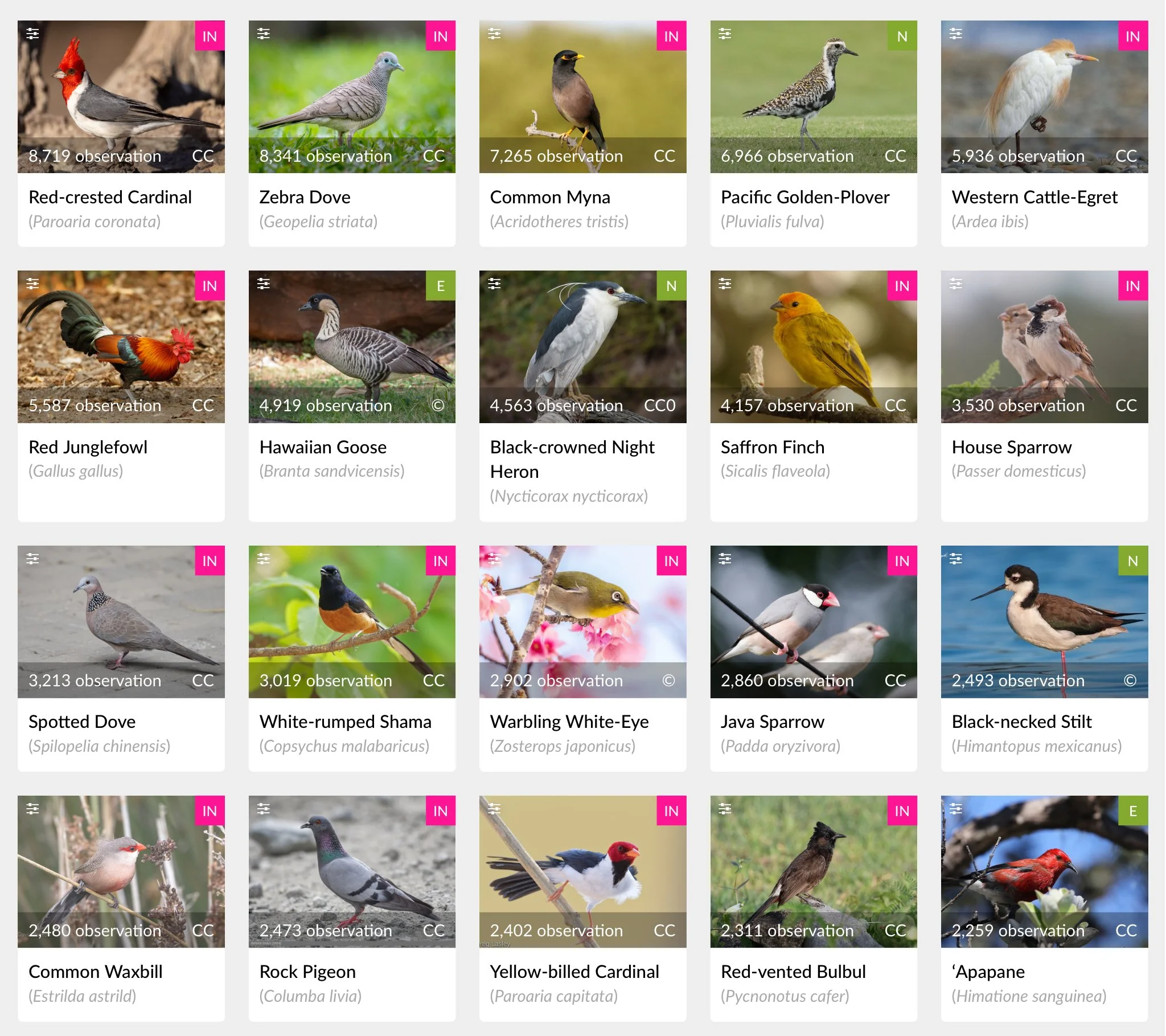
“Out of the 20 most observed bird species in Hawaiʻi, two are endemic, three are native, and 15 are invasive.”
The same goes for other animal groups too: the most common reptile in Hawaiʻi is the gold dust day gecko from Madagascar, the most common amphibian is the famously-invasive cane toad, the most common terrestrial mammal the small Indian mongoose, the most common mollusc the African giant snail, and the most common spider is the Hawaiian garden spider, which sounds like a native, but it's not (it’s actually native to East/Southeast Asia and several West Pacific islands).
This army of invasive species can only persist by finding niches to fill — niches once occupied by native (and often endemic) species, now extinct or soon to be. The invaders have won these islands through competition, predation, introduced diseases, and habitat destruction.
In their isolation, islands like those of Hawaiʻi have followed their own unique paths. They build utterly singular ecosystems out of the founding species that arrive on their shores. Each new arrival, if they successfully settle and proliferate, alters the ecosystem in some way. You could say that all species were "invasive" at some point in their history. A flock of songbirds swept to sea by a gale, lizards washed up on a log, tiny spiders descending on parachutes of silk — maybe one new species would arrive every thousand years. These were infrequent and mostly independent “invasions.” But what was once a trickle, we’ve turned into a deluge.
———
A Pacific Epic
The Polynesian settlement of the Pacific is perhaps the greatest story of human navigation and expansion never told. Had its details been written down, it would surely be an epic to rival the likes of the fictional Odyssey. With no maps and no metal tools, Polynesian voyagers crossed vast stretches of open ocean on double-hulled canoes and outrigger vessels. Using the stars, clouds, ocean swells, and the flight paths of white terns and dark noddies to guide them, they discovered almost every habitable speck of land across a third of the globe.
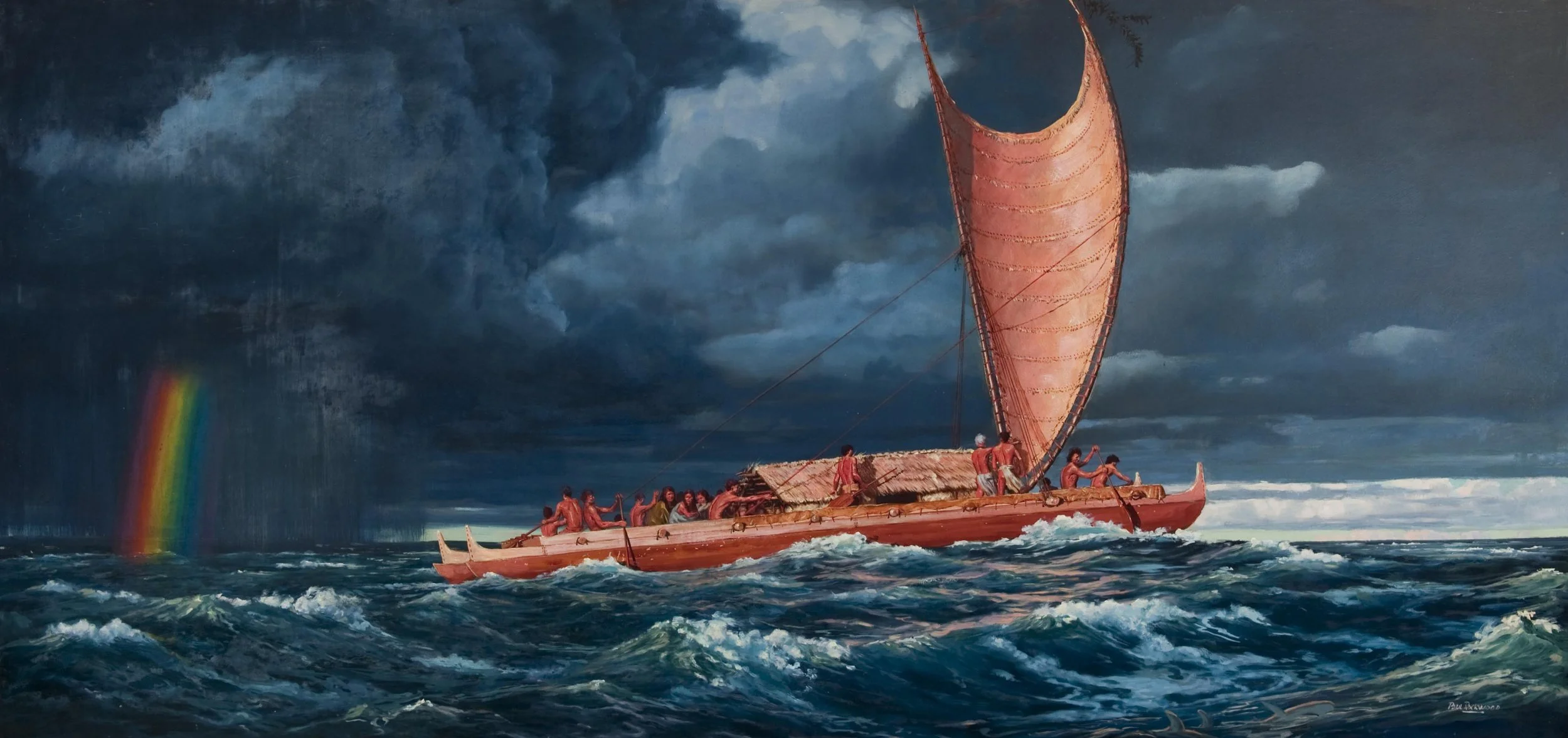
“Oil painting by Paul Rockwood representing the way in which Polynesians presumably came to Hawaiʻi. Note the sharks in the foreground, which are referenced in Hawaiian moʻolelo.”
Between 3,500 and 3,000 years ago, during the Neolithic (or "New Stone Age"), settlements of the Lapita people — ancestors to the Polynesians — spread from Papua New Guinea and the nearby Bismarck Archipelago outward to Fiji, Tonga, and Sāmoa. Some 2,800–2,500 years ago, a distinct Polynesian culture began to flourish on these isolated isles; a culture born of oceanic exploration, with wayfaring woven into the fabric of its identity. They turned their prows eastward, setting sail towards what, to them, may well have been the edge of the world or an ocean without end. Did they ever feel doubt, as they sailed towards a blue horizon that lay flat and uniform, and seemed to stretch on forever?
Voyaging across the world’s largest ocean, how would they have felt when a new speck of land appeared in the far distance, as if rising from the sea, dragged up by a demigod’s hook? Or when they became the first humans, in all the history of the world, to set foot on those shores? They reached Tuvalu and Tahiti, they discovered the Cook Islands nearly 1,000 years before Captain Cook was born, and they kept sailing eastward, eventually landing upon the Marquesas Islands. From there, several voyages diverged: some sailed southeast to discover the Pitcairns and erect megalithic statues on Easter Island, some sailed southwest, back to the Cook Islands and onwards to discover New Zealand, and some sailed further north than any Polynesians had before.
What might have spurred those voyages into the unknown north? Some say it was the kōlea, also known as the Pacific golden plover, flying northward for the winter. This small wading bird is a yearly voyager of the skies, soaring non-stop for days to reach the shores of Hawaiʻi.
The northbound voyagers of the sea, perhaps following the kōlea’s migratory route, were the first people to witness what Pele had been sculpting in the centre of the Pacific — directly beneath Hōkūleʻa (the "Star of Gladness"), a crucial celestial guide to Polynesian voyagers.
Sometime between 900 and 1200 AD, the first people arrived to the Islands of Hawaiʻi. And they didn't sail alone; with them, they brought the first wave of invaders to Hawaiʻi’s shores.
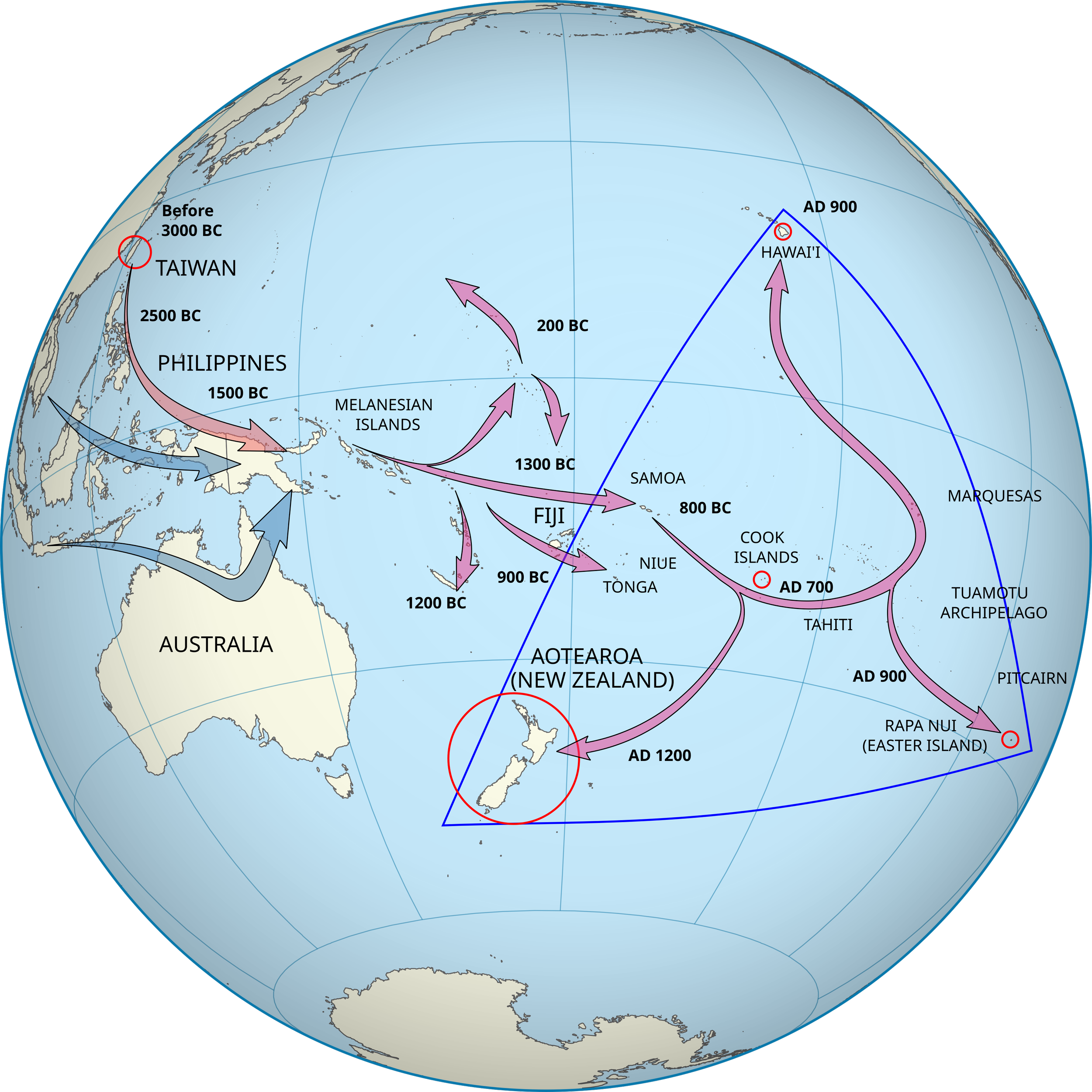
The Polynesian spread of colonization in the Pacific.
When the Polynesians made landfall, the hoary bat wasn't the only mammal they encountered.
There was one other bat species, described from fossils found in 1981 as Synemporion keana. Another mammal was the īlio-holo-i-ka-uaua, or the “dog that runs in rough water" — not a wave-treading canine, but a species of monk seal only found in the waters surrounding Hawaiʻi. That's it. Two tiny bats and a water-bound seal. No more than three mammals across an entire archipelago.
As the first humans stepped ashore, for a very brief period, likely just a few minutes, there were just four mammal species on the islands. That would very quickly change, however, when the voyagers unloaded their vessels.
No land predators prowled these islands — until dogs, true canines, arrived to hunt a naïve native fauna unprepared for such a threat. No large animals rooted through the soil — until pigs were released to tear up plants and churn the forest floor. And no furry creatures scurried through the undergrowth — until rats did, devouring everything from seeds and insects to bird eggs and hatchlings.
Early Hawaiians cleared land for agriculture, especially in valleys and coastal lowlands, replacing forest with sweet potato and taro terraces. They cleared some of the upland areas with fire, especially those composed of dry forest or grassland. They created a patchwork of human-modified landscapes interspersed with forest fragments, allowing invasives to push deeper into the islands’ interiors.
They bear the god’s ax up the mountain;
Trampling the mud, like waves from Kahiki
That beat on the rim of Kilauea.
The people with offerings lift up a prayer;
A woman strings wreaths in Olaa—
My lehua grove bordering He-eia.
And now Kukuena, mother god,
Dresses in a ti-leaf skirt;
She mounts the altar; she sits.
Here we are, your many priests.
Enter in, possess us!
Evidence from paleoenvironmental coring samples, which give access to ancient pollen and charcoal records, reveal a quick and near-complete disappearance of plants from the islands’ lowland forests. Yet there was no evidence of such widespread fires; of the slash-and-burn agricultural techniques the early Hawaiians would have used. It seems humans weren’t the fastest of the new arrivals to spread across the islands.
The first rats introduced to Hawaiʻi were not the brown and black rats so much of the world is familiar with now (those would come later), but Polynesian rats, also known as little rats, for they are relatively small. Their impact on these islands, however, was anything but. Each time humans settled a new island, a wave of rats would ripple out into the surrounding forests. They bred prolifically and penetrated further, voraciously consuming seeds, flowers, and sprouts. It may have taken just half a decade for these 50-gram rodents to wipe out most of the native lowland forests in Hawaiʻi.
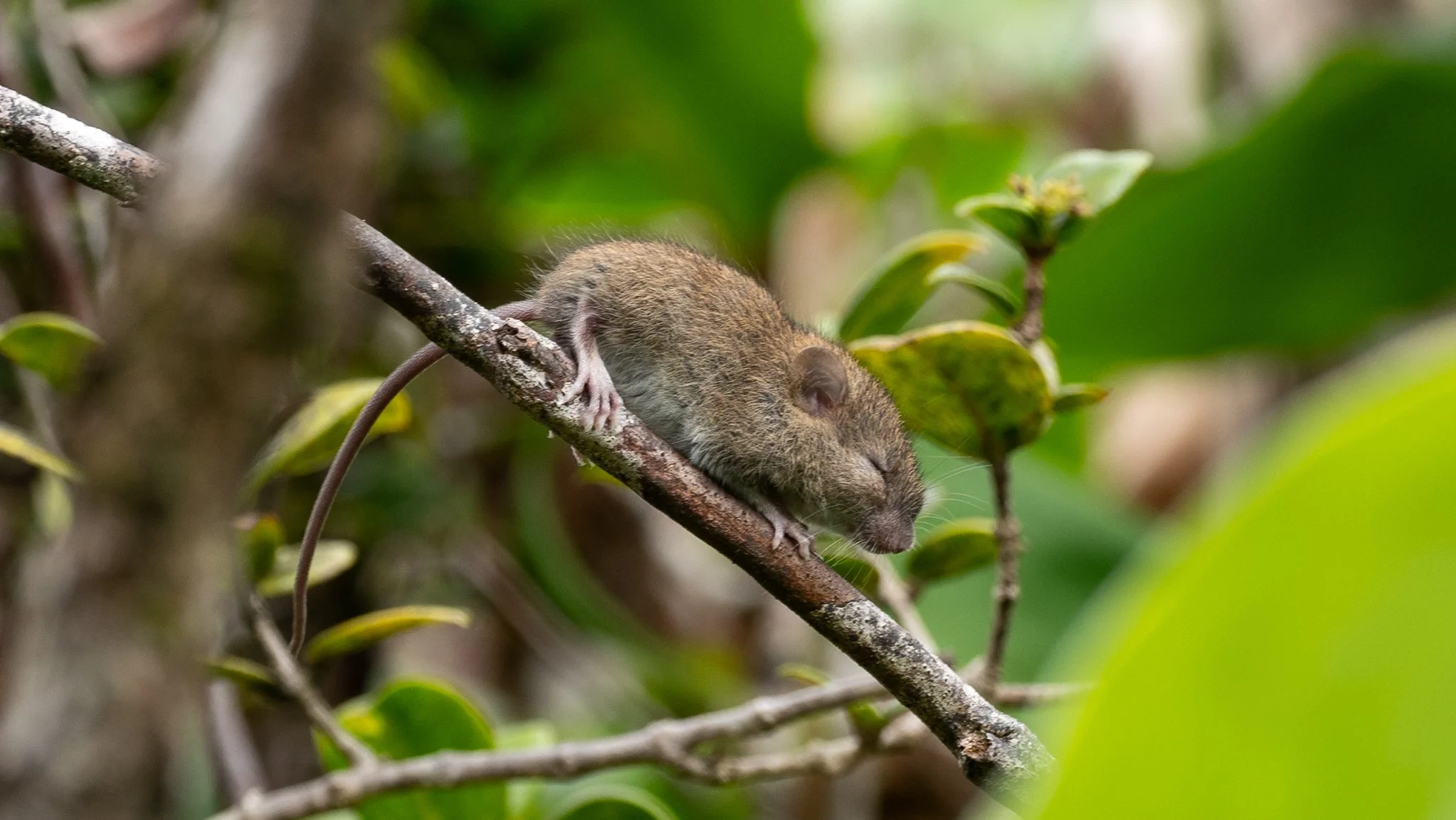
A Polynesian rat (Rattus exulans).
For 600–800 years, the long-isolated ecosystem strained under the weight of invasion, weakened further by habitat destruction for agriculture, irrigation, and habitation. Synemporion keana, one of the two Hawaiian bats, went extinct soon after the first humans arrived; perhaps coincidentally, perhaps not. The disappearance of native birds was less ambiguous. Some half of Hawaiʻi’s bird species were driven to extinction.
Then came the Europeans.
———
The Second Wave
Captain Cook was eighteen months into his third, world-spanning voyage.
Every large ship, such as Cook's Resolution, carries a kind of simple ecosystem of its own. The sailors' food supply — ship's biscuits, salted meat, sauerkraut, and sometimes fresh fruit — forms the base of the food chain. Stowaway rats, the primary consumers, feed on that supply. As a control measure, the ship carries secondary consumers, predators who eat the rats: cats. The Resolution first made landfall on Kaua’i in 1778, and some of its simple ecosystem spilled over into the grander ecosystem of the island. With a lot more space and a smorgasbord of exotic food sources, the rats and the cats did very well for themselves. By the 19th century, they were widespread across all eight major islands.
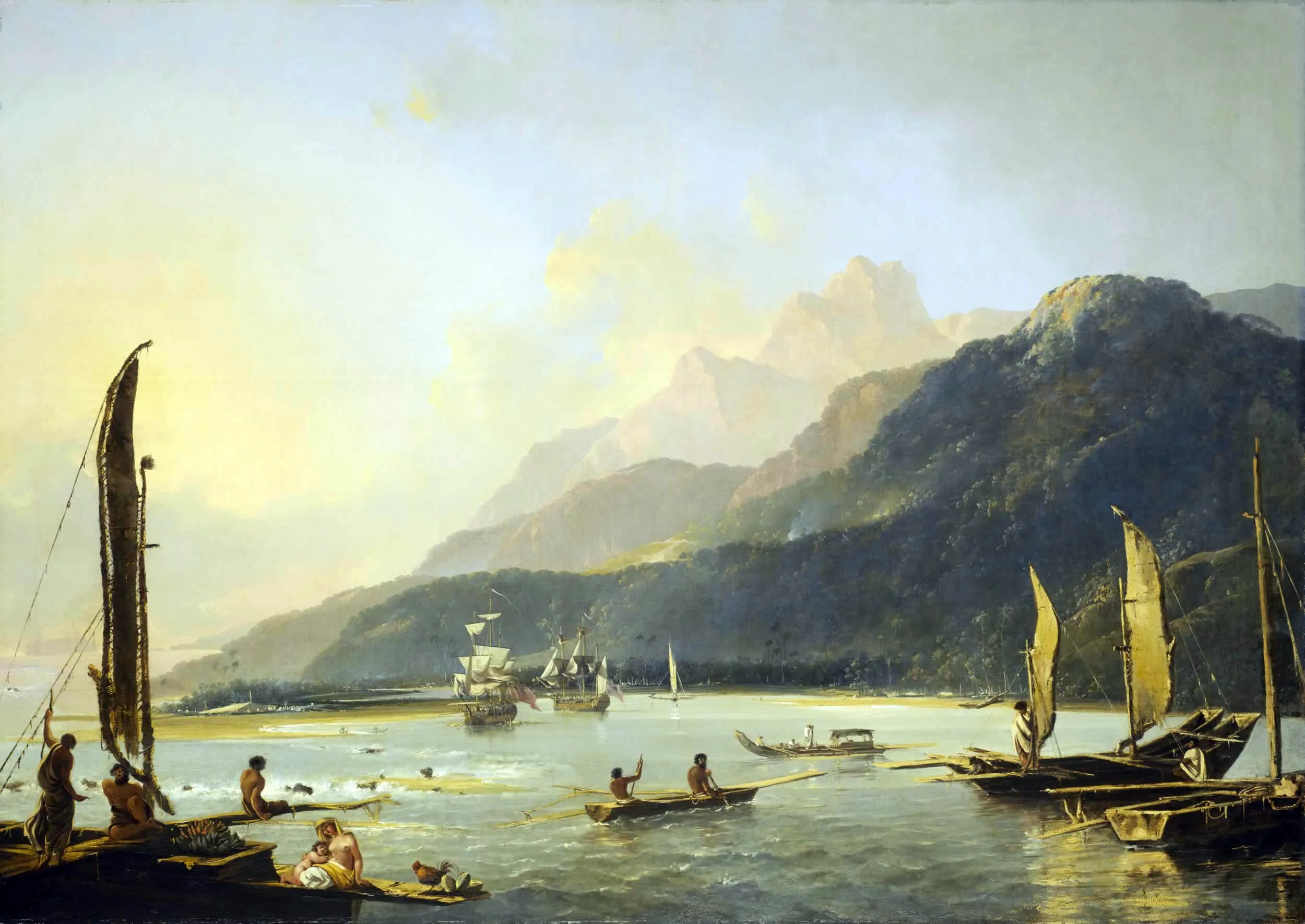
Resolution and Adventure with fishing craft in Matavai Bay, painted by William Hodges in 1776, shows the two ships of Commander James Cook's second voyage of exploration in the Pacific at anchor in Tahiti.
It's easy to think back a few thousand years and imagine a pristine paradise uncorrupted by human influence, but the archipelago wasn't an Eden where colourful birds lounged around drinking sweet, flowery ambrosia. Little birds and hoary bats still had to be wary. They kept an eye skyward for a swift-flying raptor and devoted a sharp ear to hearing its shrieks — “io, io” — lest they be snatched in its talons.
The 'io, or Hawaiian hawk, once hunted across most of the major islands and was joined, or preceded by, several other birds-of-prey (harriers, sea-eagles, and stilt-owls), who are now extinct. That is to say, Hawaiʻi has always had its share of predation and death. But it was a relatively small share. There were no voracious frogs or snakes. There were no terrestrial predators of any kind, in fact. The native raptors taught Hawaiian birds to fear danger from above and seek shelter near the ground. It was in their instincts to look up, and so the birds couldn't see their deaths coming from below.
Free-ranging cats kill around 2.4 billion birds every year in the United States. This estimate is extrapolated from continental data — based on the predation of mainland birds who are wary of prowling cats. The island birds of Hawaiʻi are not.
Cats prey on ground-nesting waterfowl, like the Hawaiian coot and Hawaiian goose (nēnē). They prey on sea birds, sneaking like hungry assassins into the burrows of endangered Hawaiian petrels and critically endangered Hawaiian shearwaters. Cats bound up trees to raid the nests of forest birds, snatching the nestlings of critically endangered honeycreepers like the ‘akikiki and palila — together with rats, cats are potentially responsible for 40% of palila nest failures. They hunt day or night, and nothing (save maybe some stray dogs) hunts them.
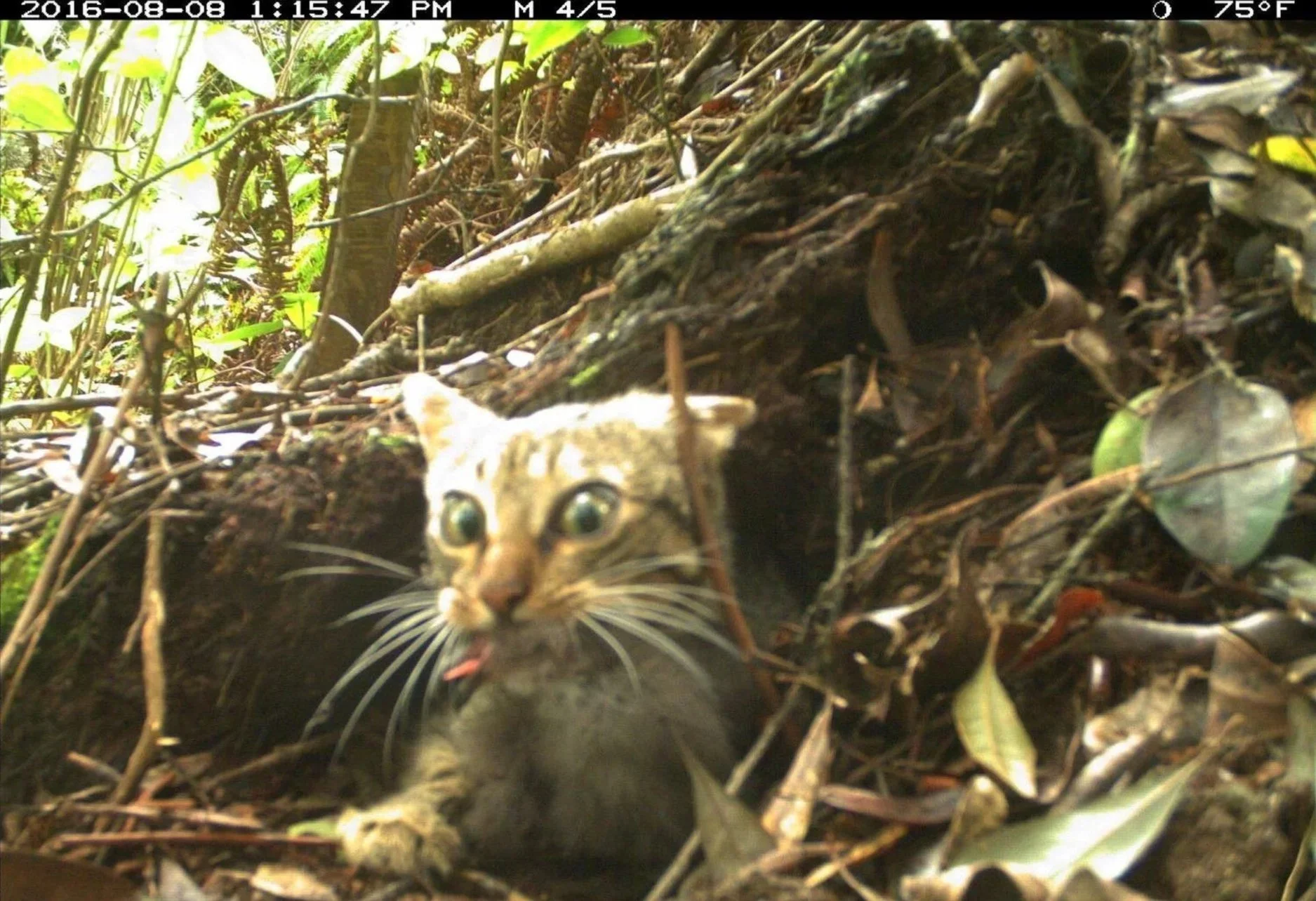
A cat captured with a trail camera, exiting the burrow of a native bird on Kauaʻi.
(© Kauai Endangered Seabird Recovery Project)
And, like mosquitoes, cats are a host and spreader of a microscopic menace: a single-celled parasite known as Toxoplasma gondii. Reproducing only in the guts of cats, T.gondii is spread not through bites or scratches but shed via faeces, causing a disease known as toxoplasmosis, whose severity varies greatly between species. It's estimated that as many as 1 in 3 people are infected with it — that's a third of the world’s entire human population — but the majority of them (or you, as there's a solid chance that you have it) won't even notice the parasite they picked up while cleaning out their cat’s litter box. An infected free-ranging cat can release T. gondii into its environment, where it can infect rodents, birds, and livestock. And if T. gondii eggs enter a sea-bound waterway, the parasite can also infect seals.
While toxoplasmosis is typically asymptomatic in cats and dogs, it isn't nearly as benign in sea puppies. Far from benign, the disease is considered a primary cause of seal death around the major Hawaiian Islands.
The seal in question is the endemic and endangered Hawaiian monk seal, one of Hawaiʻi's two extant native mammals. The first case of toxoplasmosis in the species was discovered in 2004 and was followed by 15 parasite-caused deaths. That doesn't sound like a lot, but the entire species consists of only around 1,600 living individuals (proportional to the global human population, that would be like 70–75 million people dying to disease). Consider too that the death toll only takes into account the known cases — usually discovered when carcasses wash onto shore. We don't know how many seals died of the disease (and they’re known to die quite swiftly) but were swept out to sea and never found. One of the greatest threats to this "dog that runs in rough water" is, ironically, the cat that goes nowhere near the surf.
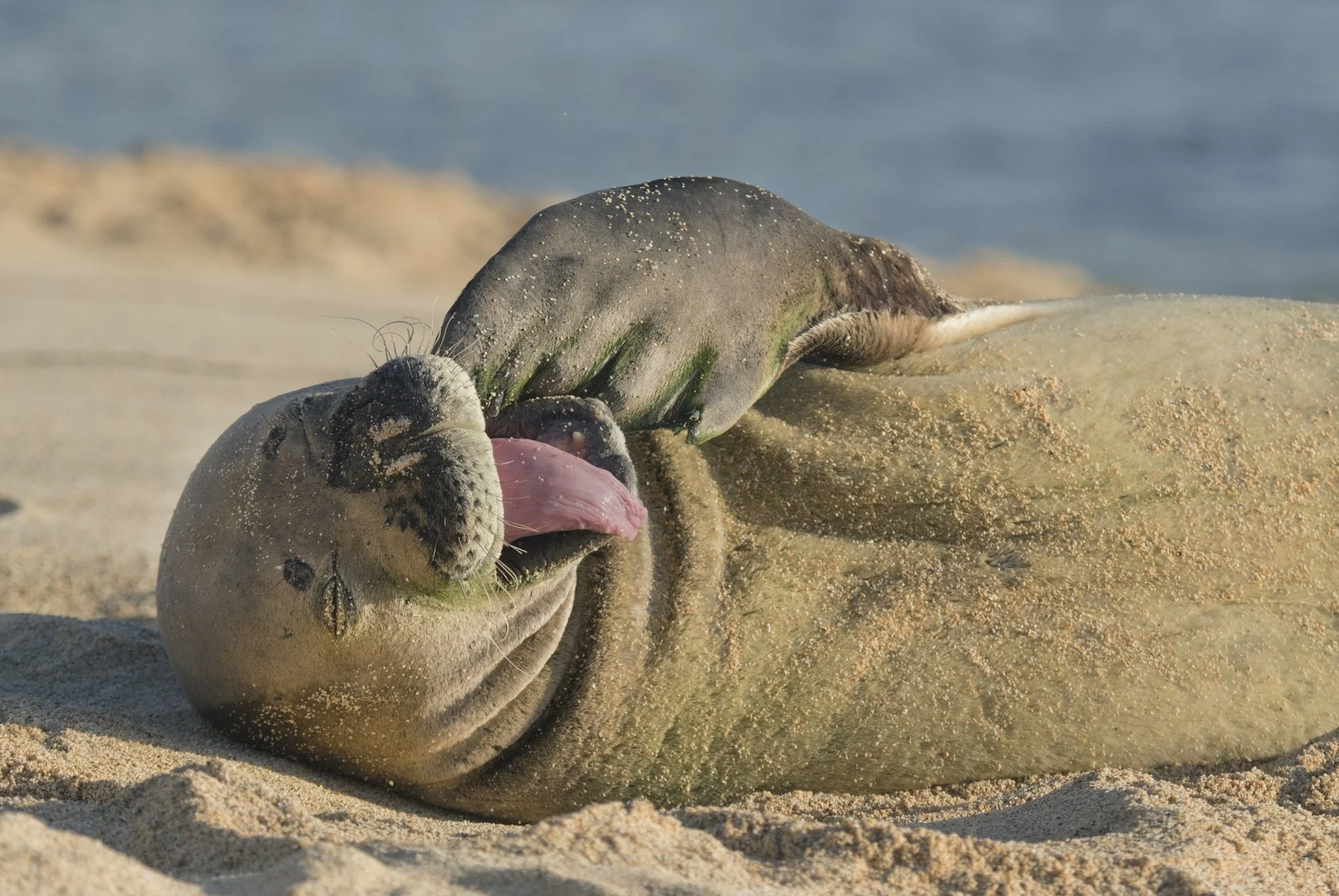
A Hawaiian monk seal, or ʻīlio-holo-i-ka-uaua (Neomonachus schauinslandi).
A gut full of parasites and a killer instinct, unleashed on an island full of naive natives. A 2011 study found that cats have contributed to the extinction of 33 species worldwide. The felines continue to rack up their kill count in Hawaiʻi.
What about their sworn enemies and shipmates?
The black rats, also known as ship rats, brought by Europeans were larger and more aggressive than the Polynesian rats introduced centuries before. Their indiscriminate food preferences, along with their vertical agility and ability to traverse small spaces — the traits that allowed them to thrive on ships — also made them a threat to almost everything on the islands of Hawaiʻi: native insects (many of which are flightless), bird eggs and chicks, both on the ground and in trees, as well as those birds living in montane habitat where cats typically don't go.
More intentionally than cats and rats, Captain Cook introduced goats, as well as a larger breed of pig to the islands. The latter would escape and go feral, reverting to a boar-like appearance, with their behaviour becoming equally boarish. The pigs' foraging destroyed the nests of Newell's shearwaters and Hawaiian petrels, their rampant digging increased soil erosion, and they went around felling small trees, opening the forest floor to unaccustomed sun. In those sunlit patches, the pigs dispensed foreign seeds in their droppings, sowing an invasion by alien plants. Today, 56% of Hawaiʻi’s forest area contains invasive plant species, and an estimated 75% of lower-elevation forests are dominated by invasive plants.
A year after his initial landfall, Cook was killed in Kealakekua Bay. But despite never returning home, his "discovery" of Hawaiʻi would shape what this archipelago would become.
News of “newly-discovered” islands in the middle of the Pacific spread. More people arrived. Sheep were introduced, as were cattle, with the latter given protection by King Kamehameha I, who placed a kapu (a "taboo") on killing them. The herds proceeded to explode in number, some escaping into the wild, grazing on native plants and opening an even greater root-hold for introduced flora. The first significant attempt at settlement by white colonists began in the 1820s when Americans set out to convert native Hawaiians to Christianity — and, on the side, commandeer the lands for the sake of profit.
Those feral pigs introduced by Cook had pockmarked the ground with crude holes, which filled with rainfall and created standing pools. When mosquitoes arrived in 1826, they found these wet nurseries ideal for their larvae, assisting their spread across the islands. Chickens had arrived with the Polynesians, but, as with pigs and rats, a new stock was added when Cook and later colonists made landfall. What was once a fairly benign avian presence, chickens would become a reservoir for diseases like avian pox and malaria, spread via the newly arrived bloodsuckers.
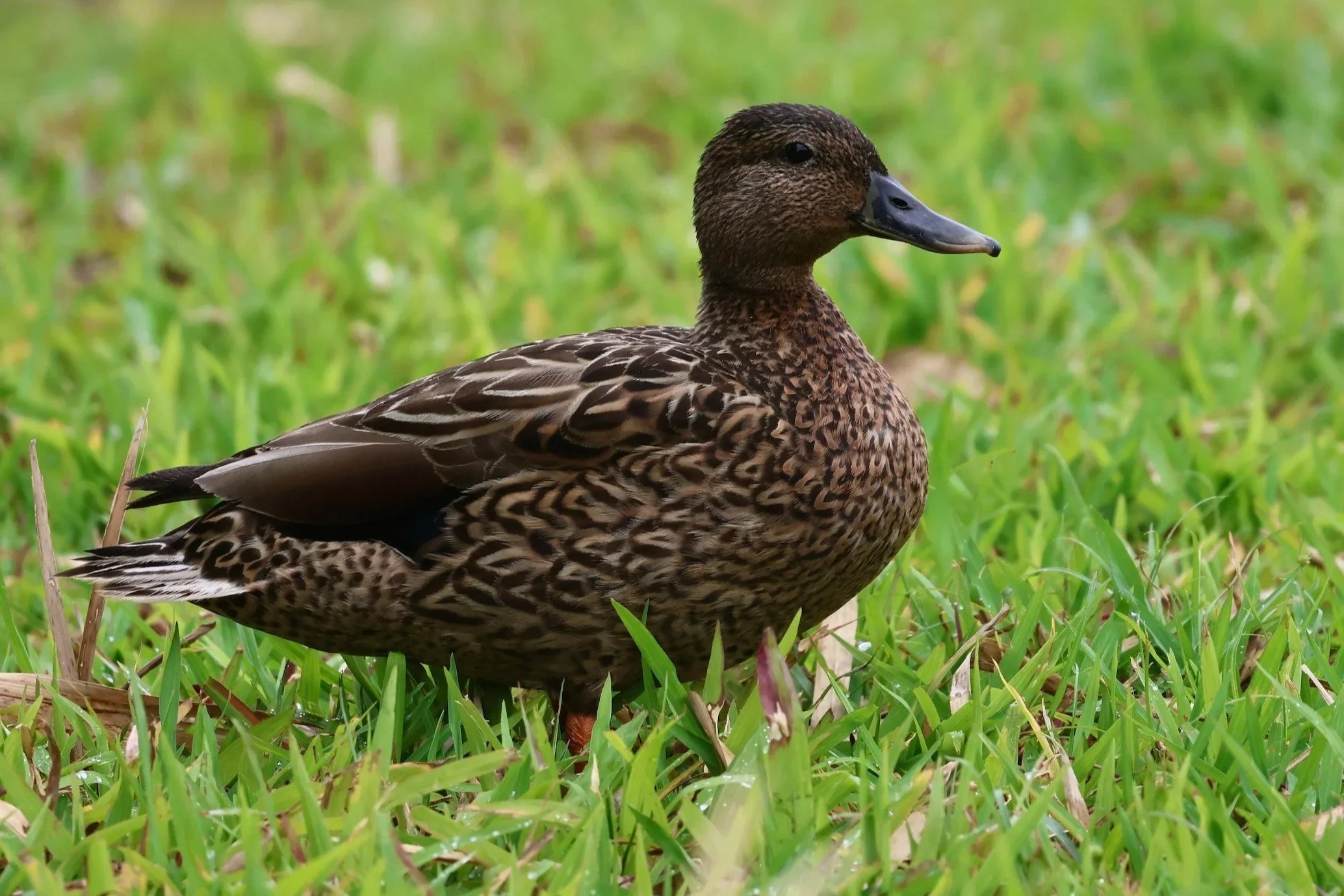
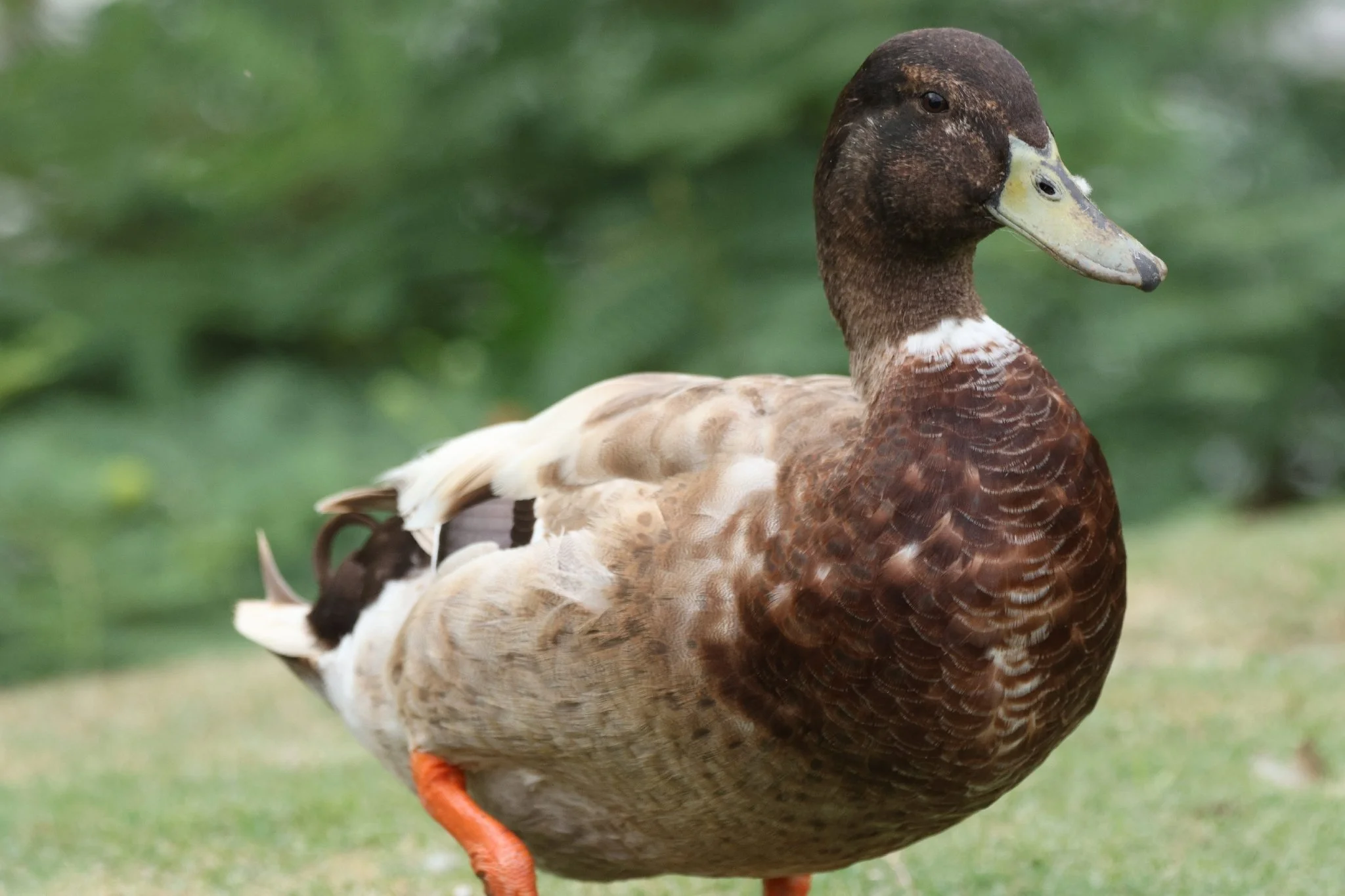
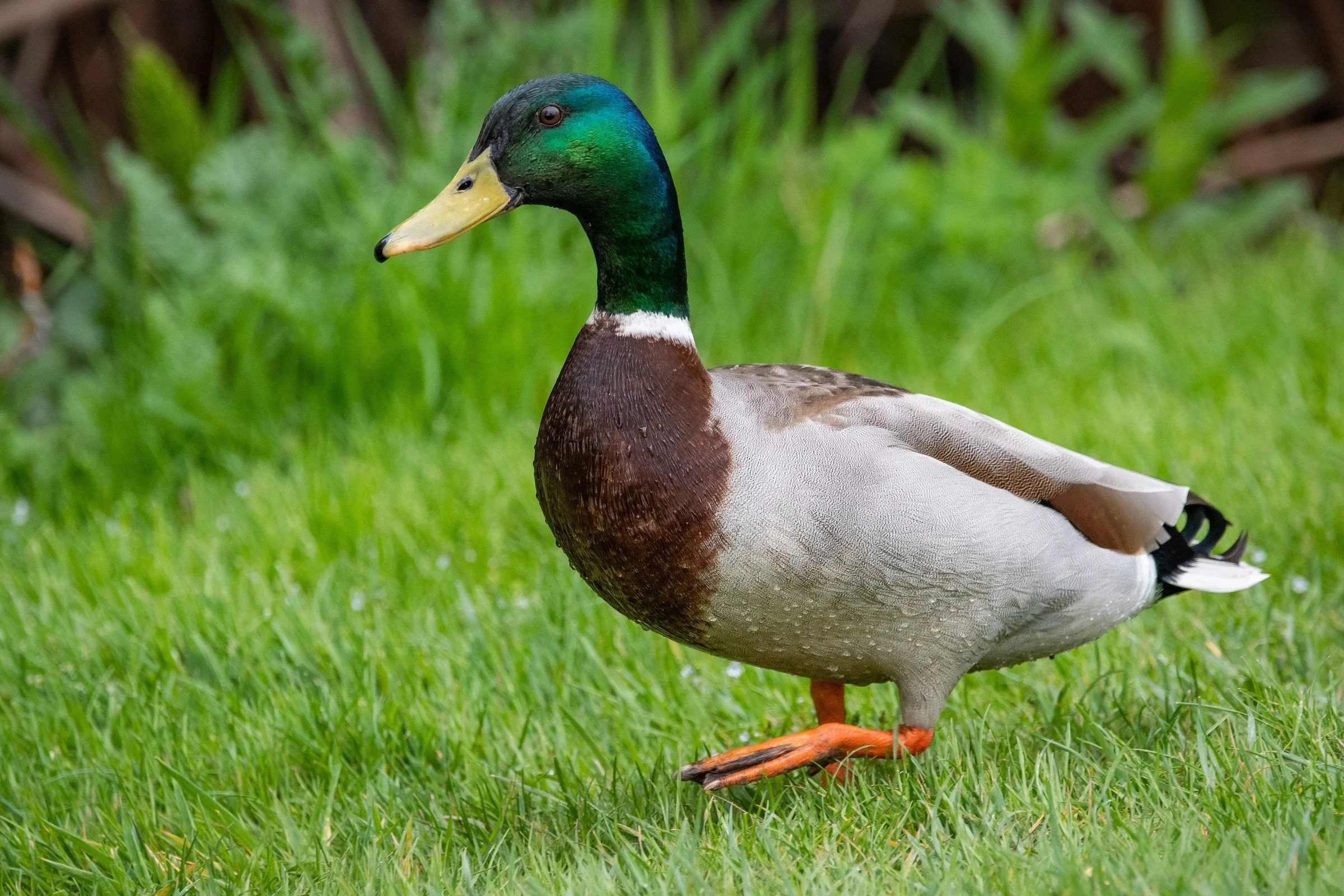
Mallards, the most ubiquitous of all ducks, are believed to have flown from North America to Hawaiʻi some 1.5 million years ago. Over time, they evolved into the shy and secretive koloa, or Hawaiian duck.
Mallards arrived in Hawaiʻi for a second time in the 1800s, this time not on the wing, but ferried in a ship’s cargo hold. Not only did they compete with the local ducks, they also interbred. As the number of mallards increased, koloa numbers fell. The native ducks, more at home in grassy wetlands than urban parks, became increasingly rare, and, when time came to mate, were increasingly likely to find a willing mallard, rather than a member of their own species. The result: on most islands, you're far more likely to spot a mallard × koloa hybrid than a pure koloa.
Once the usual suspects were introduced — livestock, dogs, rats and cats — the more eccentric invasions followed at an ever faster pace. Hawaiʻi’s era of isolation was well and truly over.
———
The World Comes to Hawaiʻi
As the islands became increasingly entangled in trade, diplomacy, and tourism — as Hawaiʻi became “globalised” — so too did its ecosystems.
Sometimes species were introduced as curiosities or gifts. Chital deer, native to India, were introduced to Hawaiʻi in the late 1860s as a gift to King Kamehameha V, and proceeded to graze the land so heavily that hunters were eventually hired to kill them. Other, sneakier species arrived by accident.
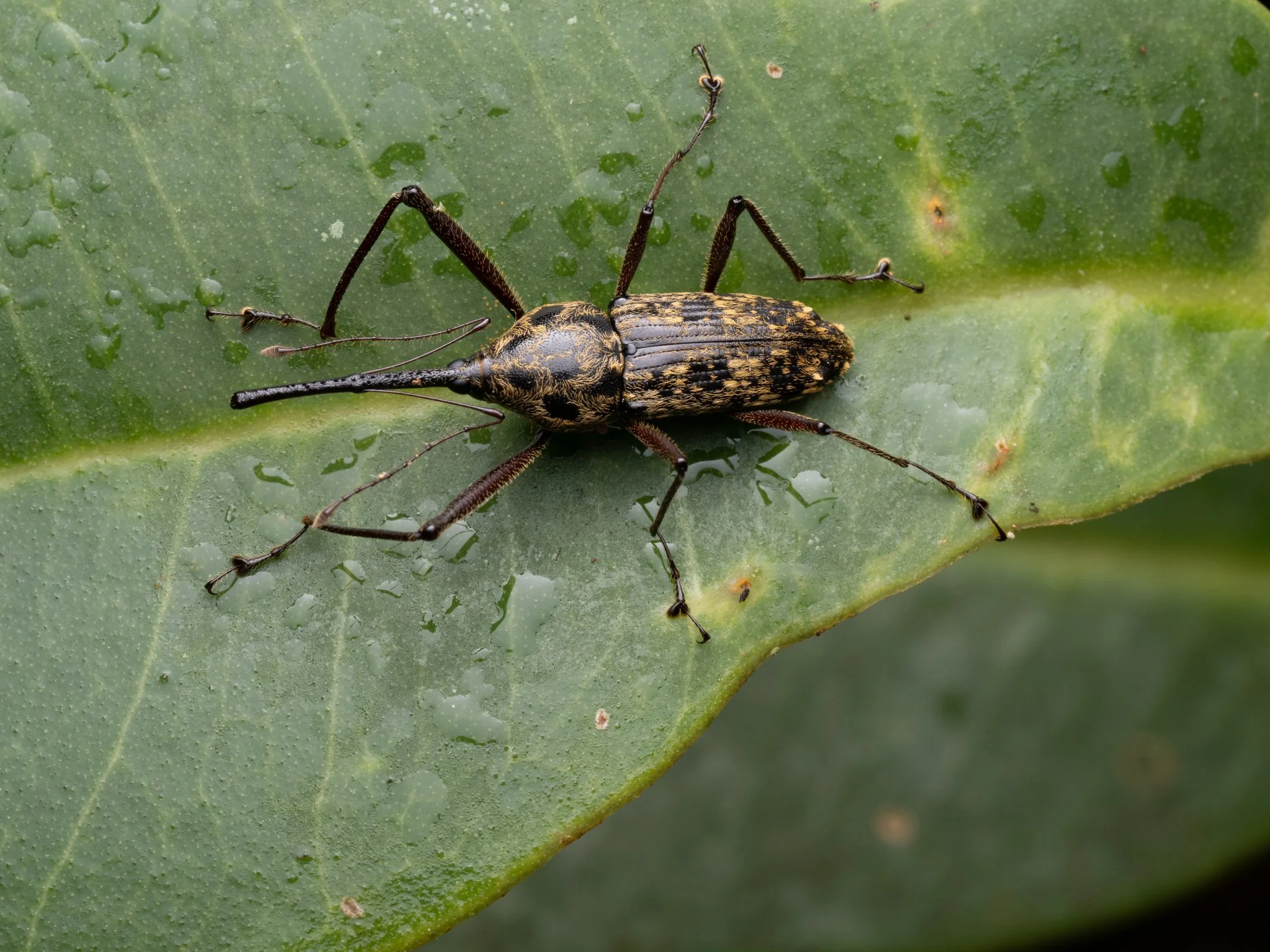
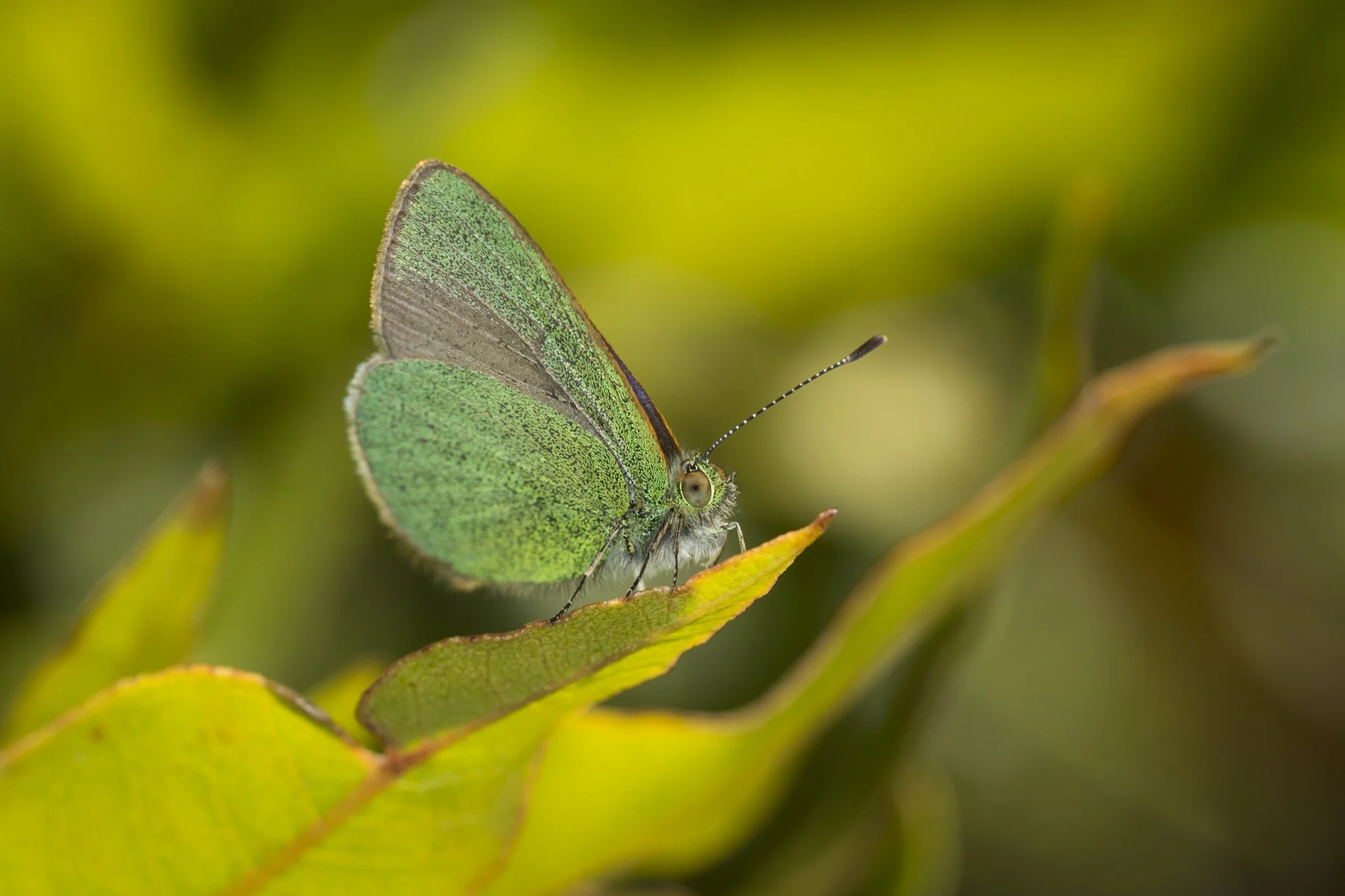
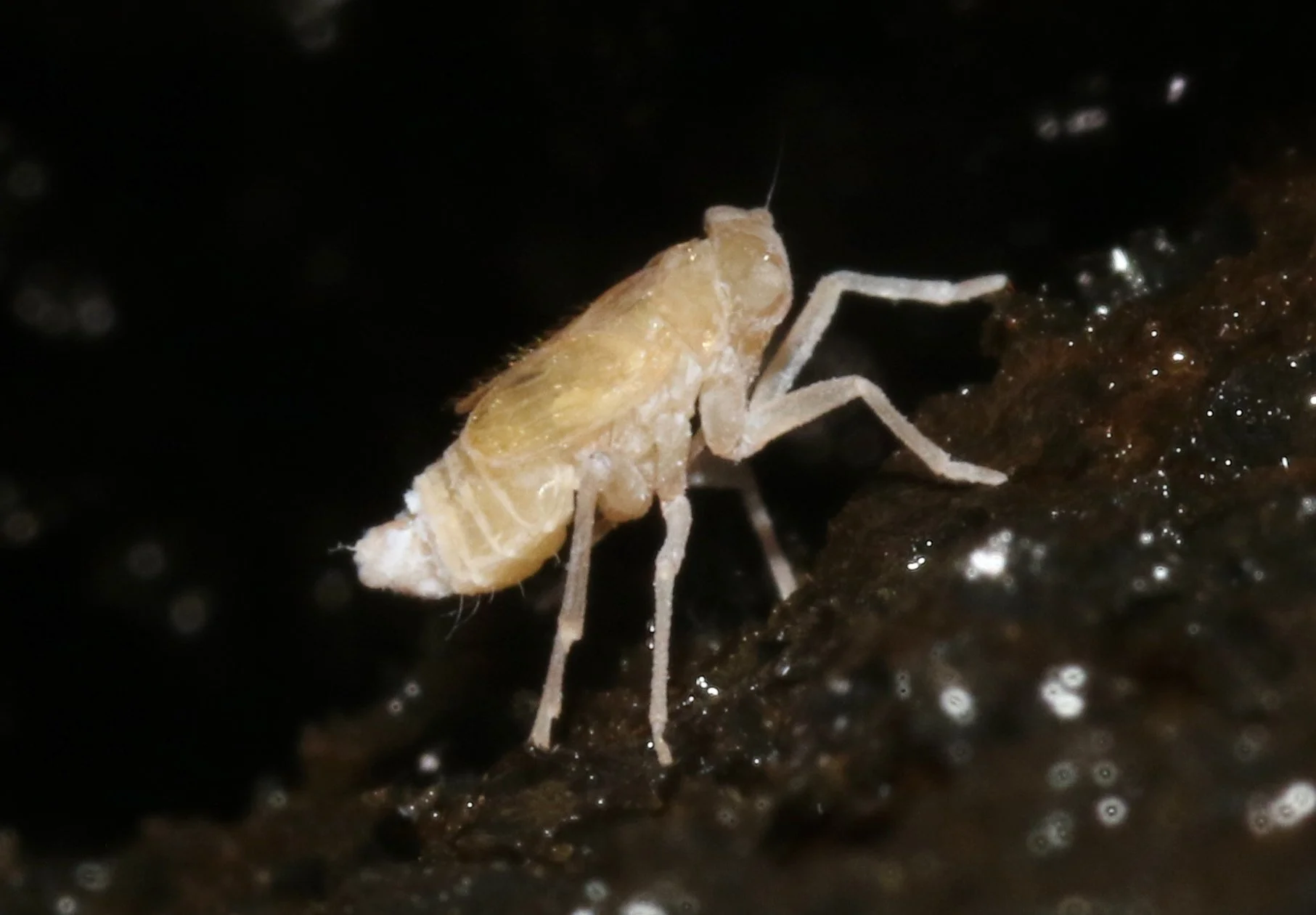
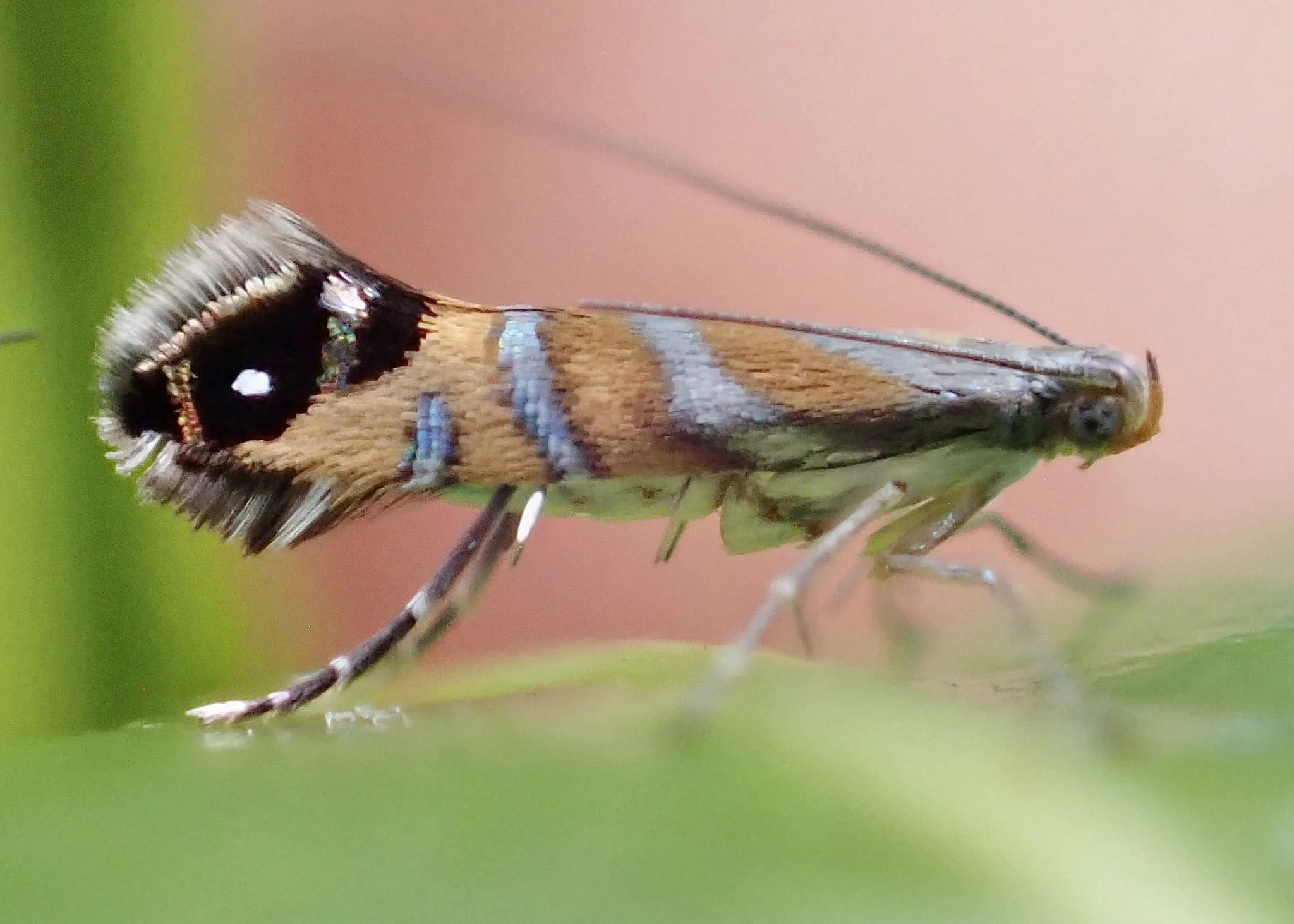
Many types of insects made it to Hawaiʻi long before humans did — carried by the wind, ferried by natural rafts, or brought clinging to the feathers of birds. There are native bees and wasps, butterflies and moths, centipedes and millipedes, dragonflies and damselflies, beetles and bark lice, and nearly 700 species of endemic flies.
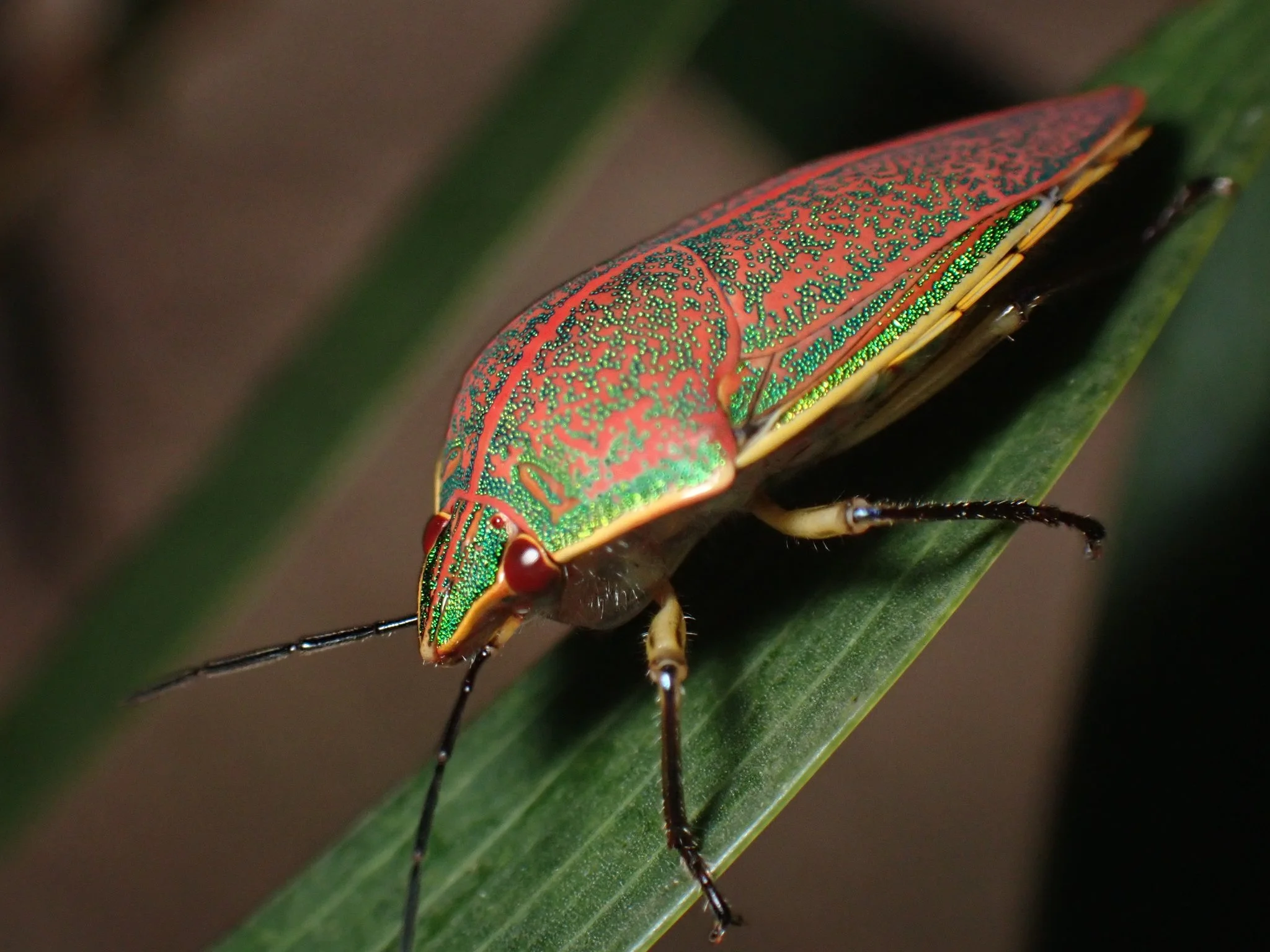
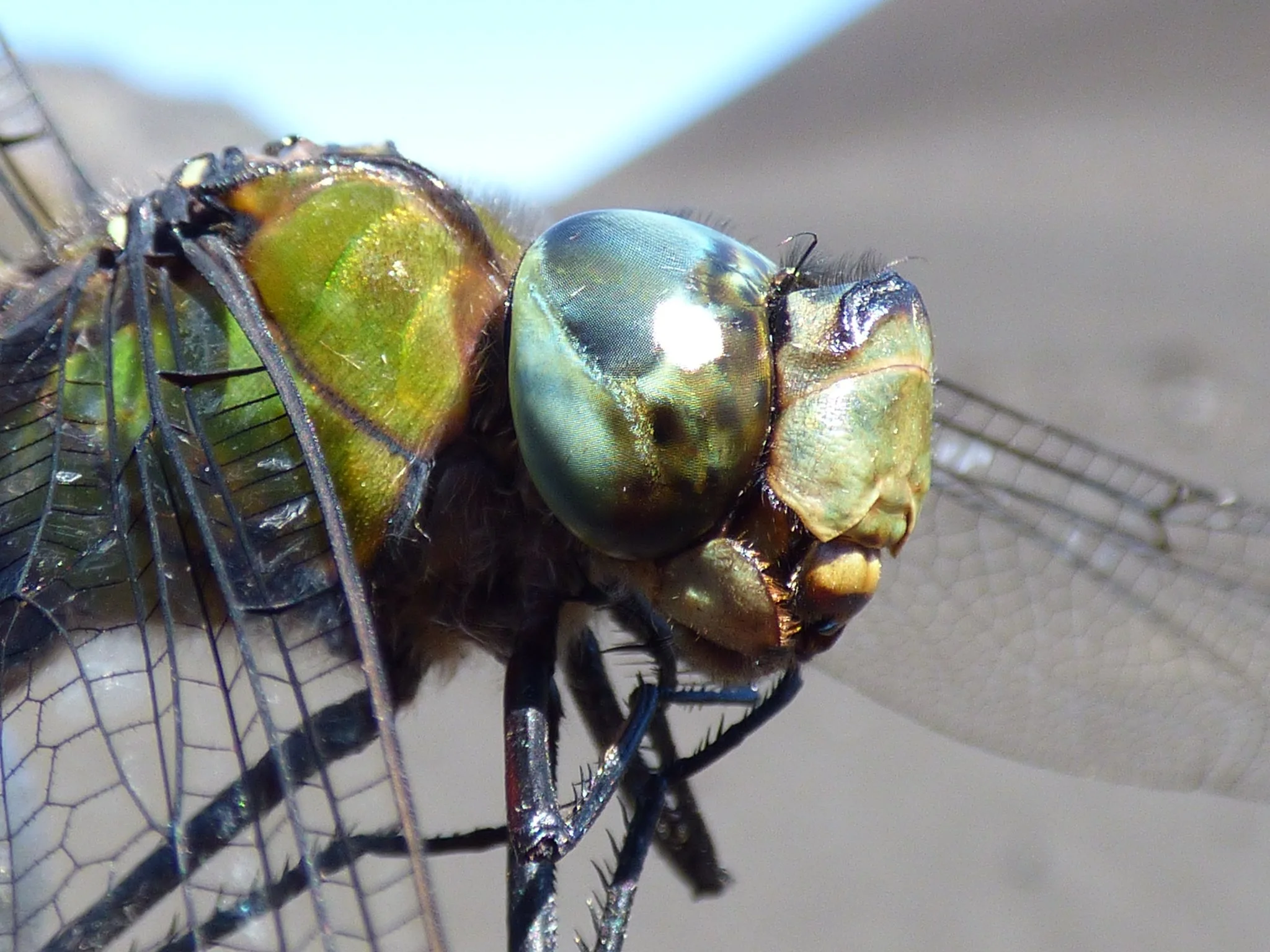
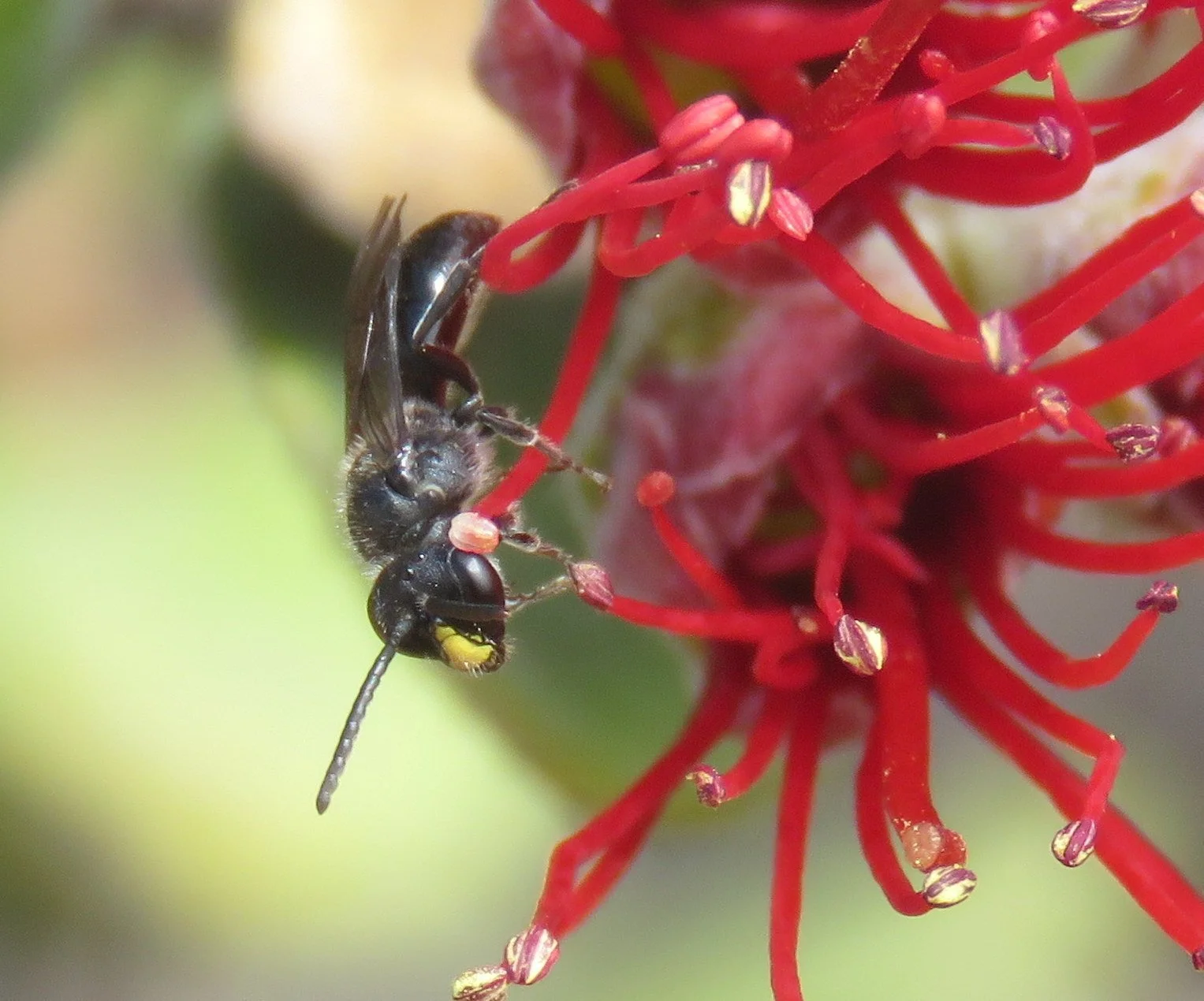
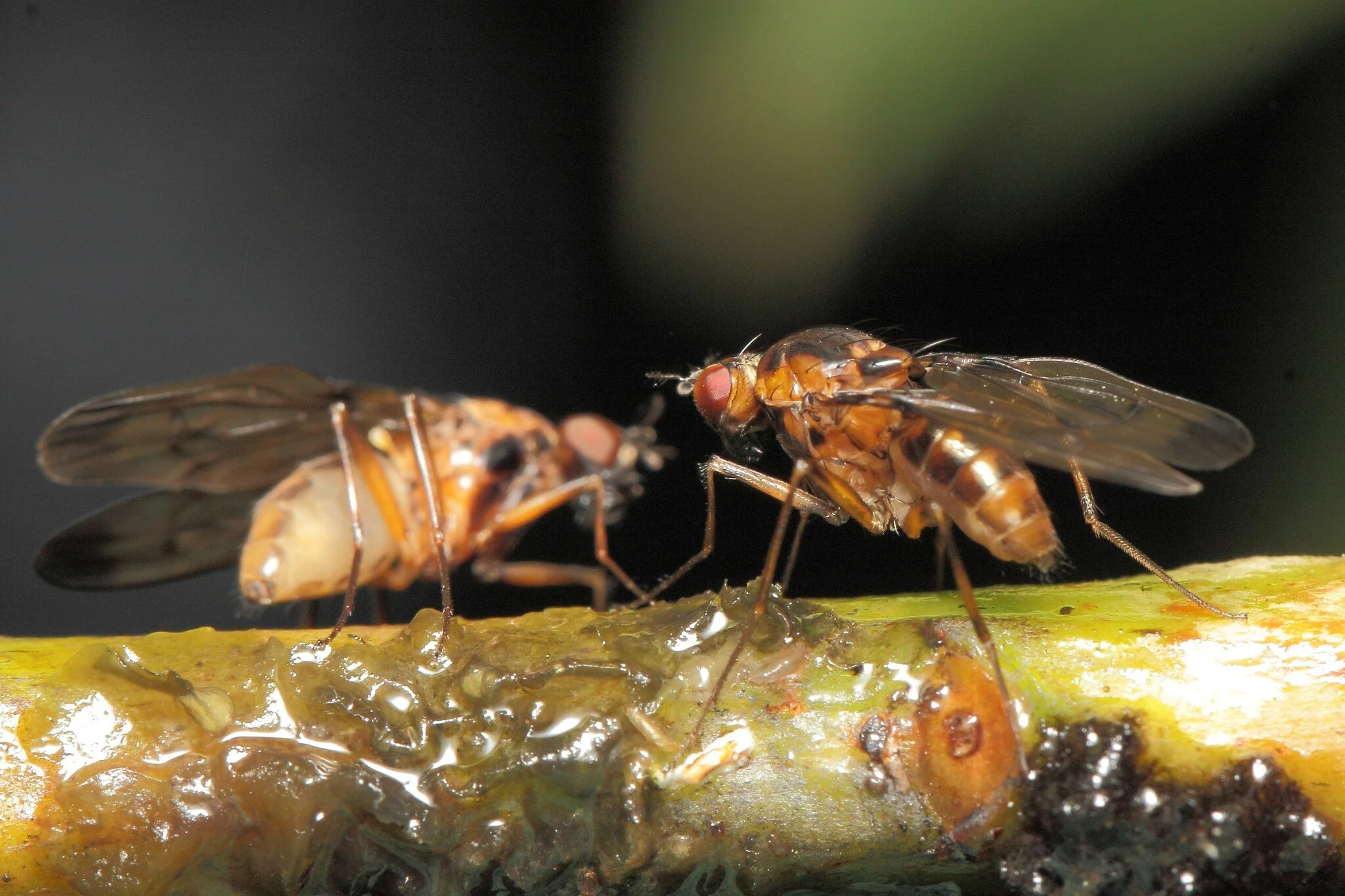
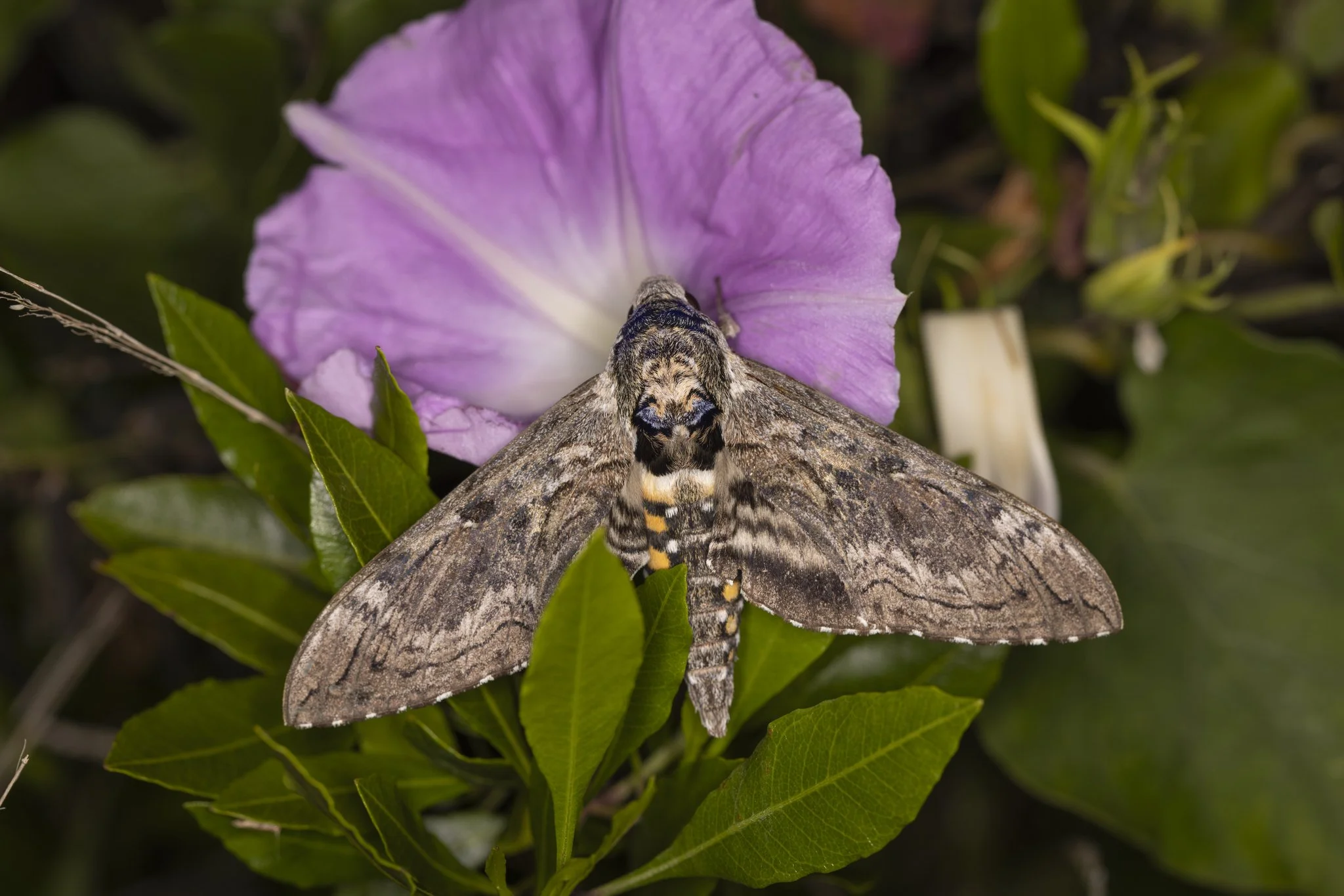
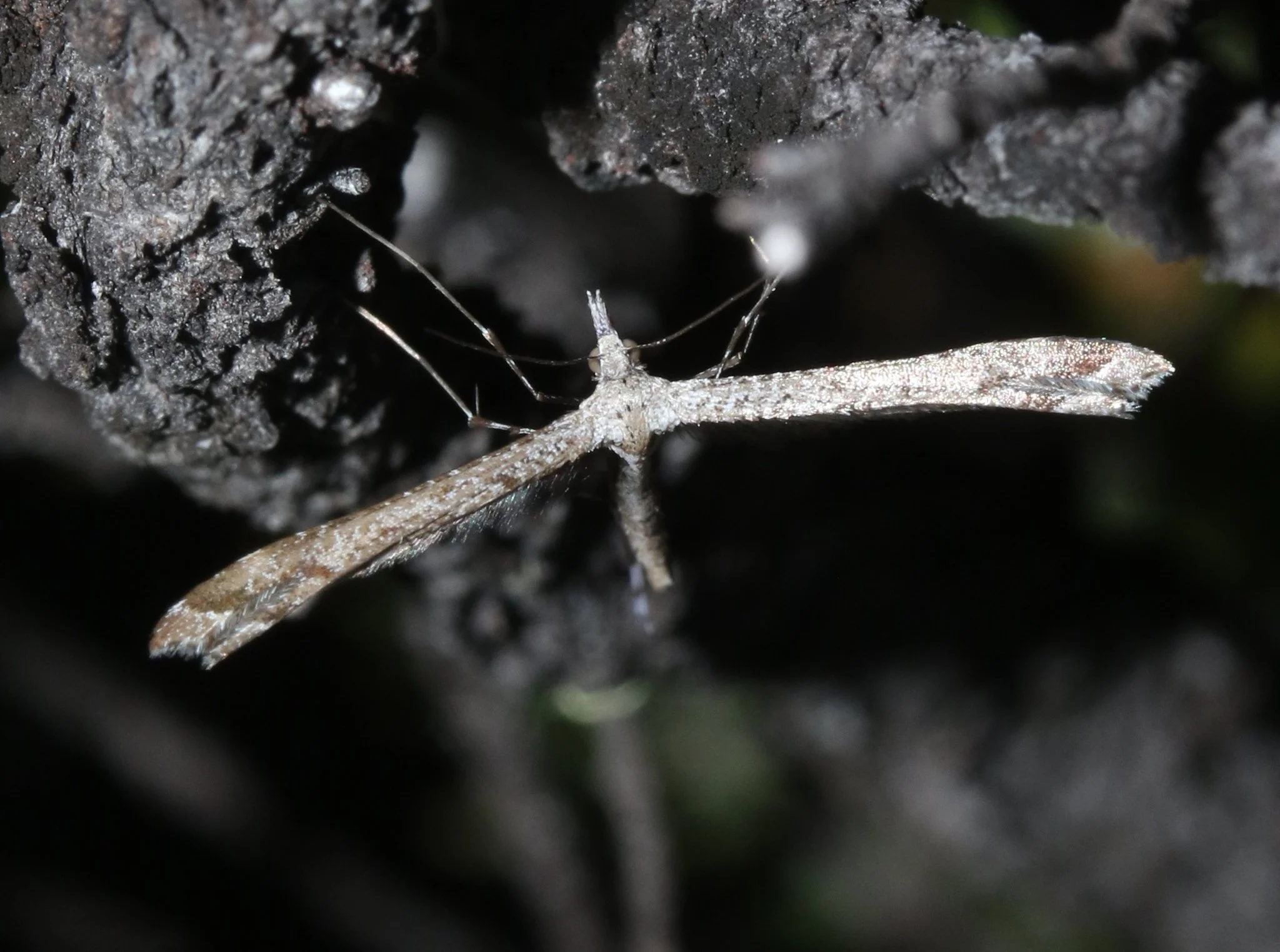
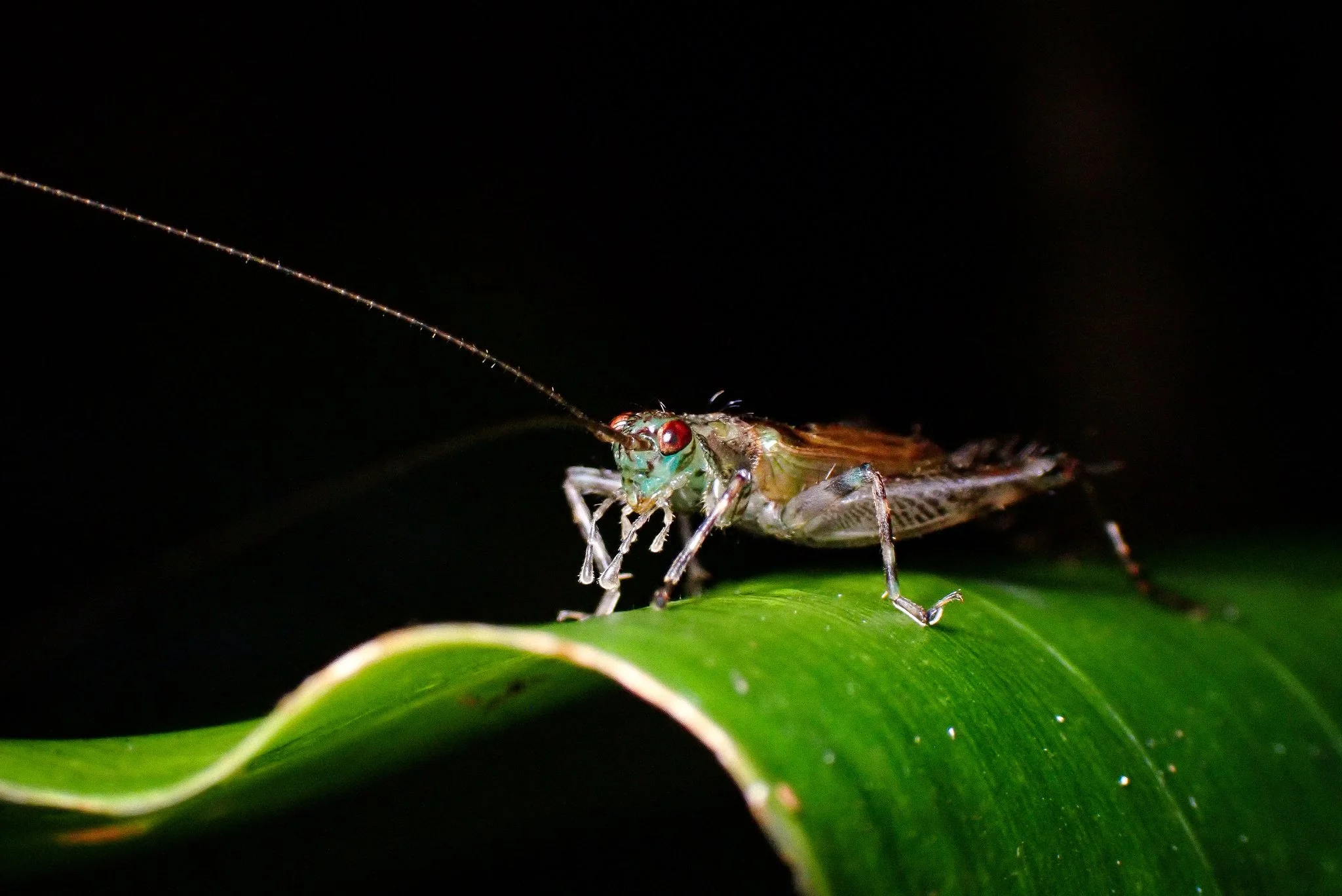
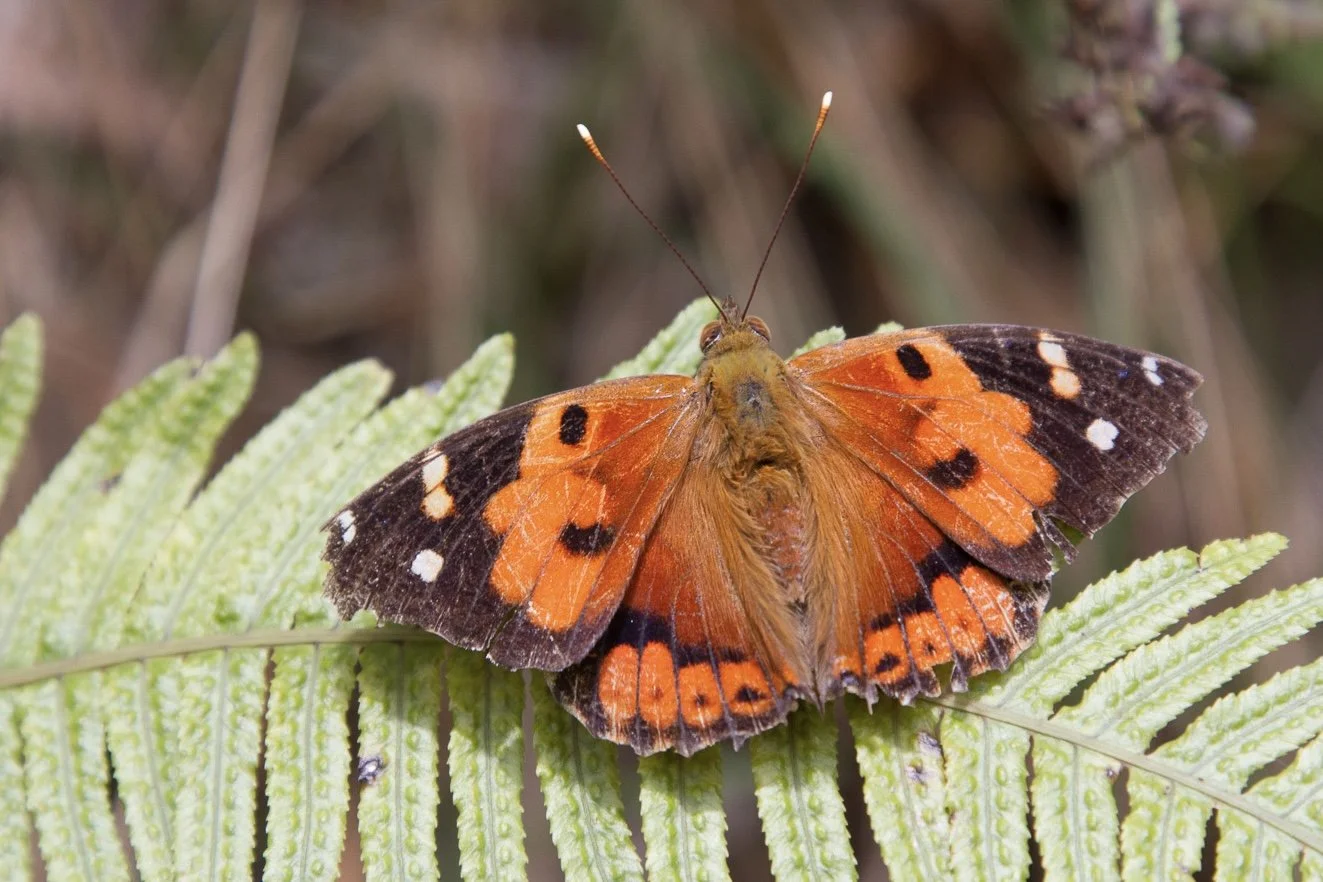
But one type of insect, completely absent from Hawaiʻi, was the ant. The first ants appeared sometime in the 18th century, and over 60 species have been introduced since.
Few insects are as militant as ants. Some species, such as African big-headed ants and Argentine ants, form enormous supercolonies that can number in the billions. Both of these species now wage military campaigns across Hawaiʻi, their armies carpeting the forest floors, dismembering anything in their paths with sharp mandibles, and warring with one another for supremacy. As is often the case with war, the innocents suffer most. These raiding ants are in large part responsible for exterminating much of the native insect life from the lowland forest floor. Many of those native insects were the pollinators of native plants. Many of them were the prey of native birds. Where the ant colonies marched to war, the flowers stopped blooming and the birds stopped singing.
"Pest" populations boomed: by the 1880s, four invasive rodents — Polynesian, black, and brown rats, and the house mouse — had established a foothold across Hawaiʻi. Hawaiʻi's lucrative sugarcane industry decided that it wanted to sell its crops, rather than feed them to rodents and insects. And their solution was to throw other exotic species at the problem, intentionally introducing them as biological exterminators.
In 1883, the sugarcane industry shipped in a few mongooses from India in a bid to fight fire with fire (or rodent with mongoose). A decade prior, the same mongooses had been introduced to Jamaica for the same purpose. They had hunted some of the rodents, it's true. They also devastated the local bird populations.
Sugarcane production in Hawaiʻi reached its peak in 1966, with half-million acres of land devoted to producing the crop. That same year, the rats revelled in abundance, reaching a density as high as thirty rats per acre (that meant the rat population in cane fields was nearly 20 times the human population of the entire state in 1966). Ultimately, the mongooses’ negligible impact on the rodent population was far outweighed by their negative impact on local bird populations.
The common myna was imported from South Asia In 1865 to control cutworms and armyworms. Yet, despite the myna's introduction, the humans of Hawaiʻi continued to wage war on insects. Their second imported army consisted of a familiar bird: the warbling white-eye. Since their introduction in 1929, white-eyes have become the most common birds in Hawaiʻi (going by population size). Like the mynas, the white-eyes appear to have been unsatisfactory insect exterminators, given that cattle egrets from the American mainland were "hired" as additional help in 1959, their job being to control the ticks and flies which harassed cattle. By 1981, thepopulation had reached around 30,000 egrets.
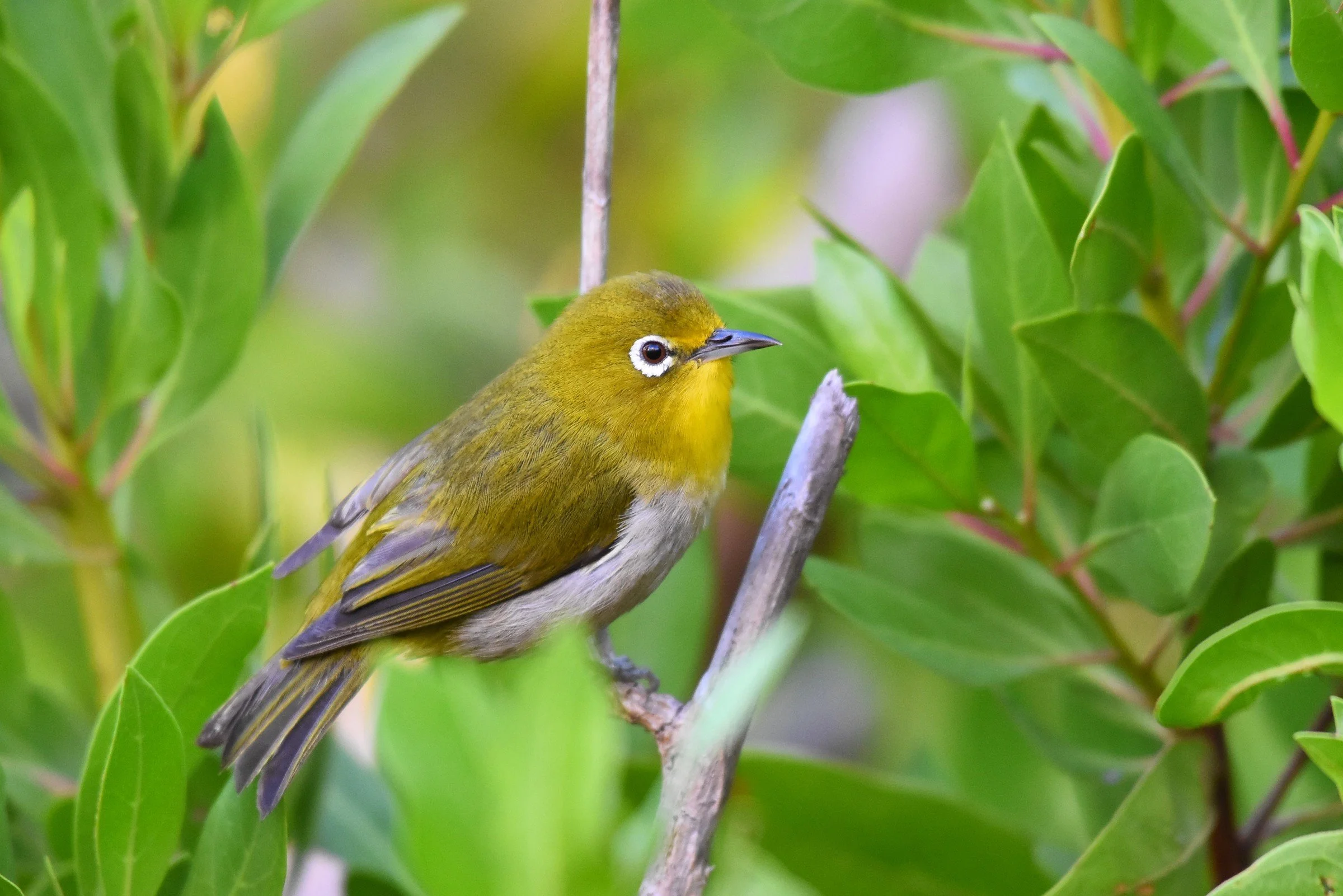
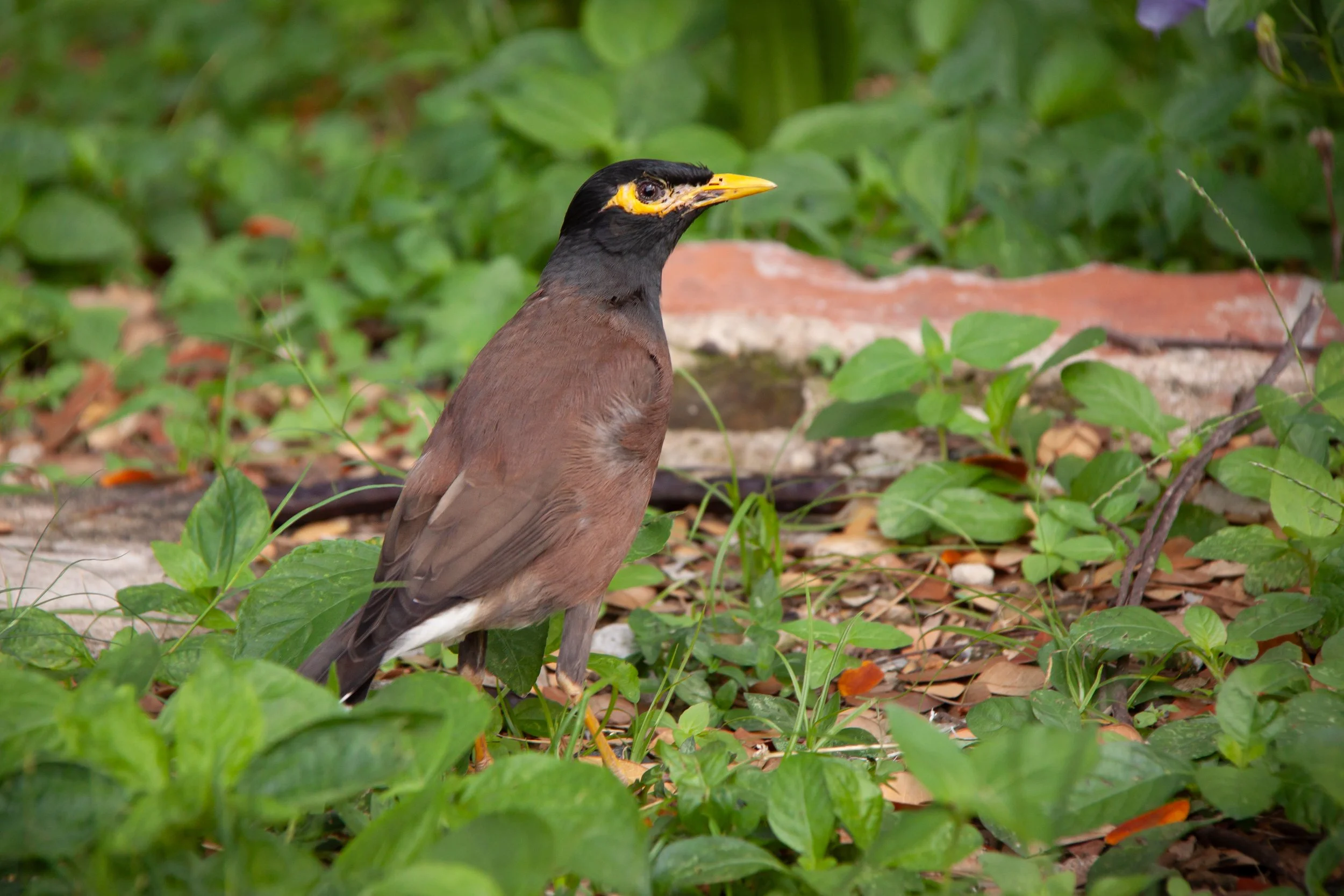
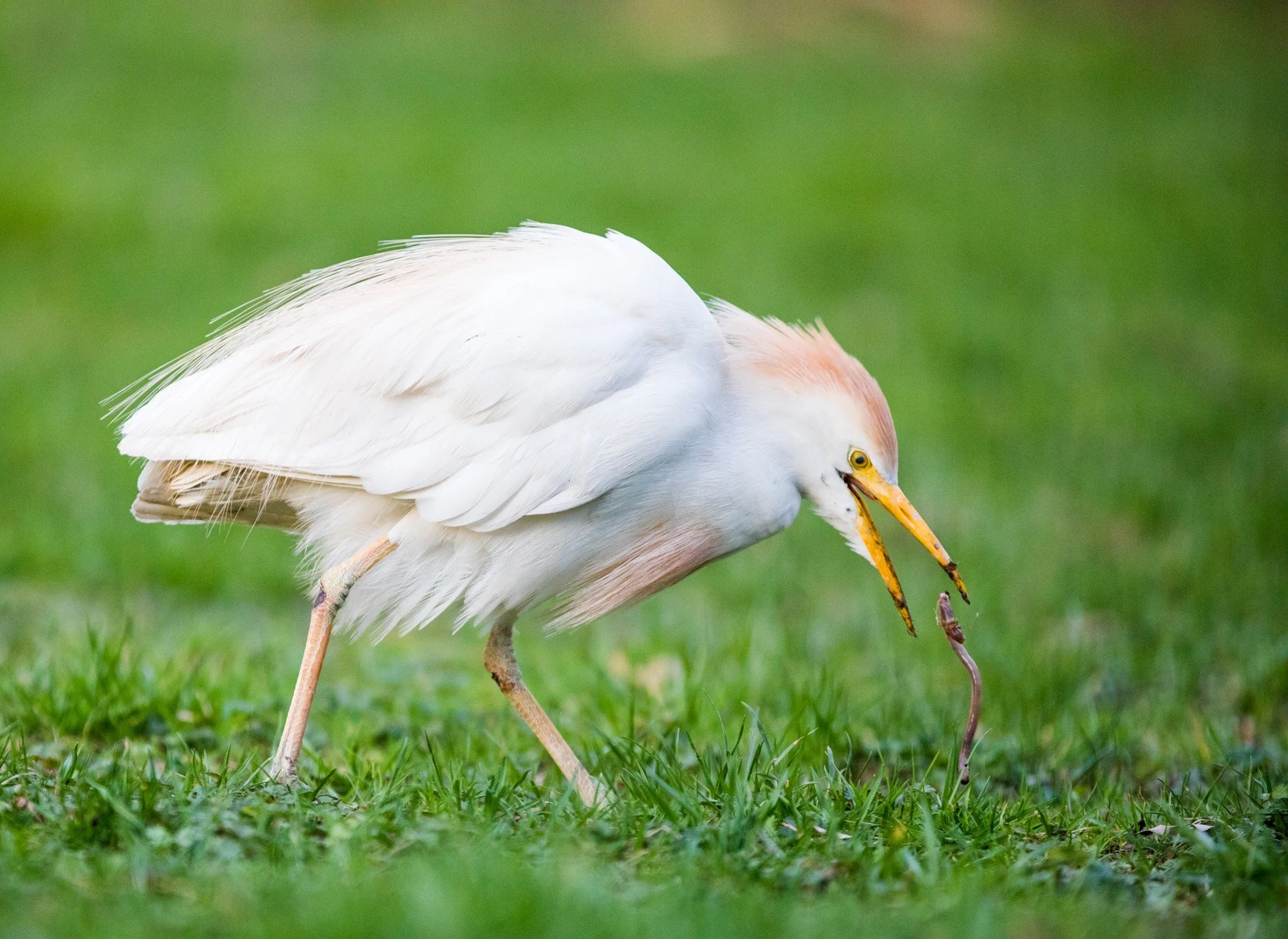
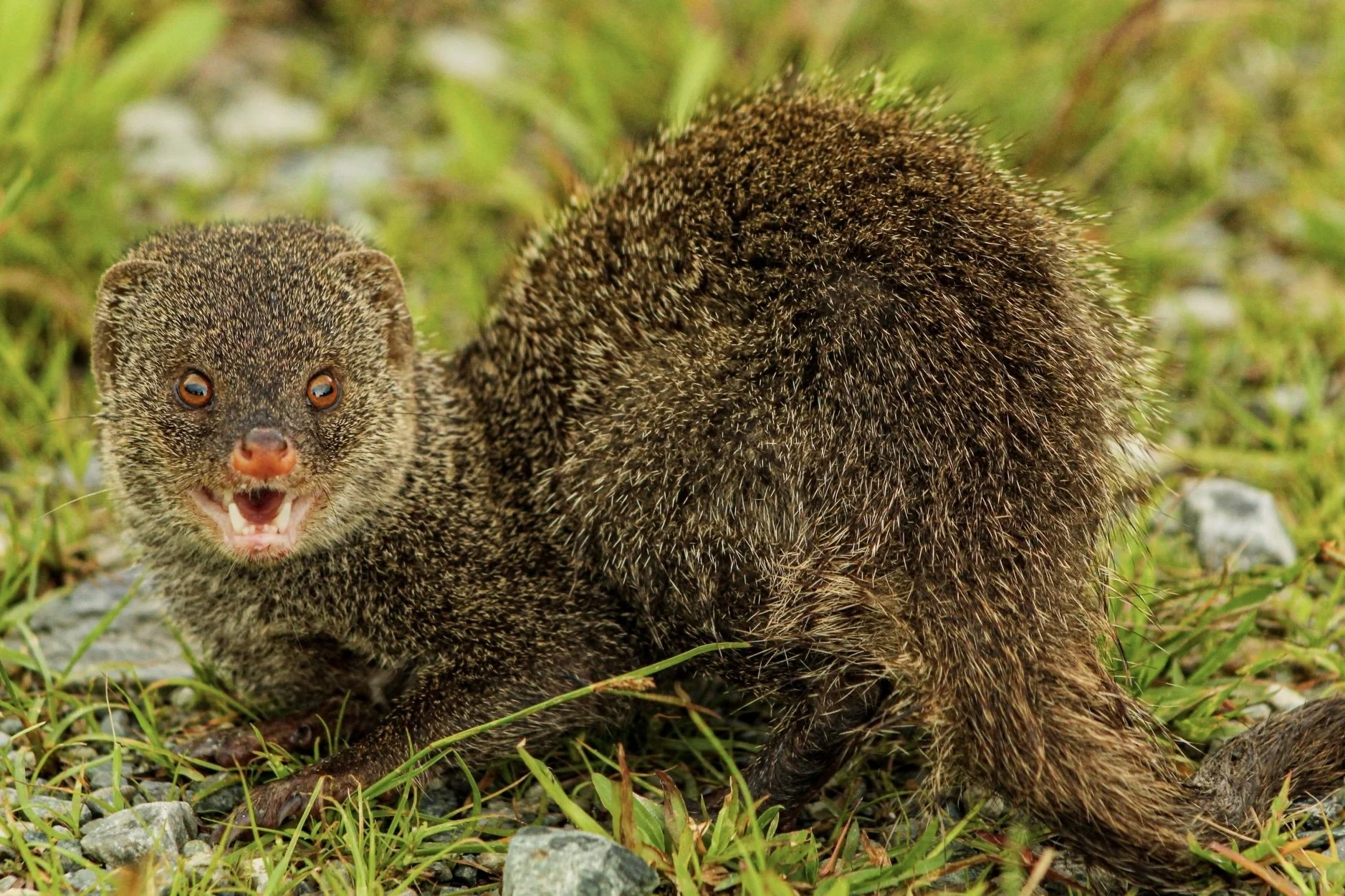
White-eyes, mynas, egrets and mongooses — none of these supposed “pest exterminators” were able to prevent new pests from flooding the islands.
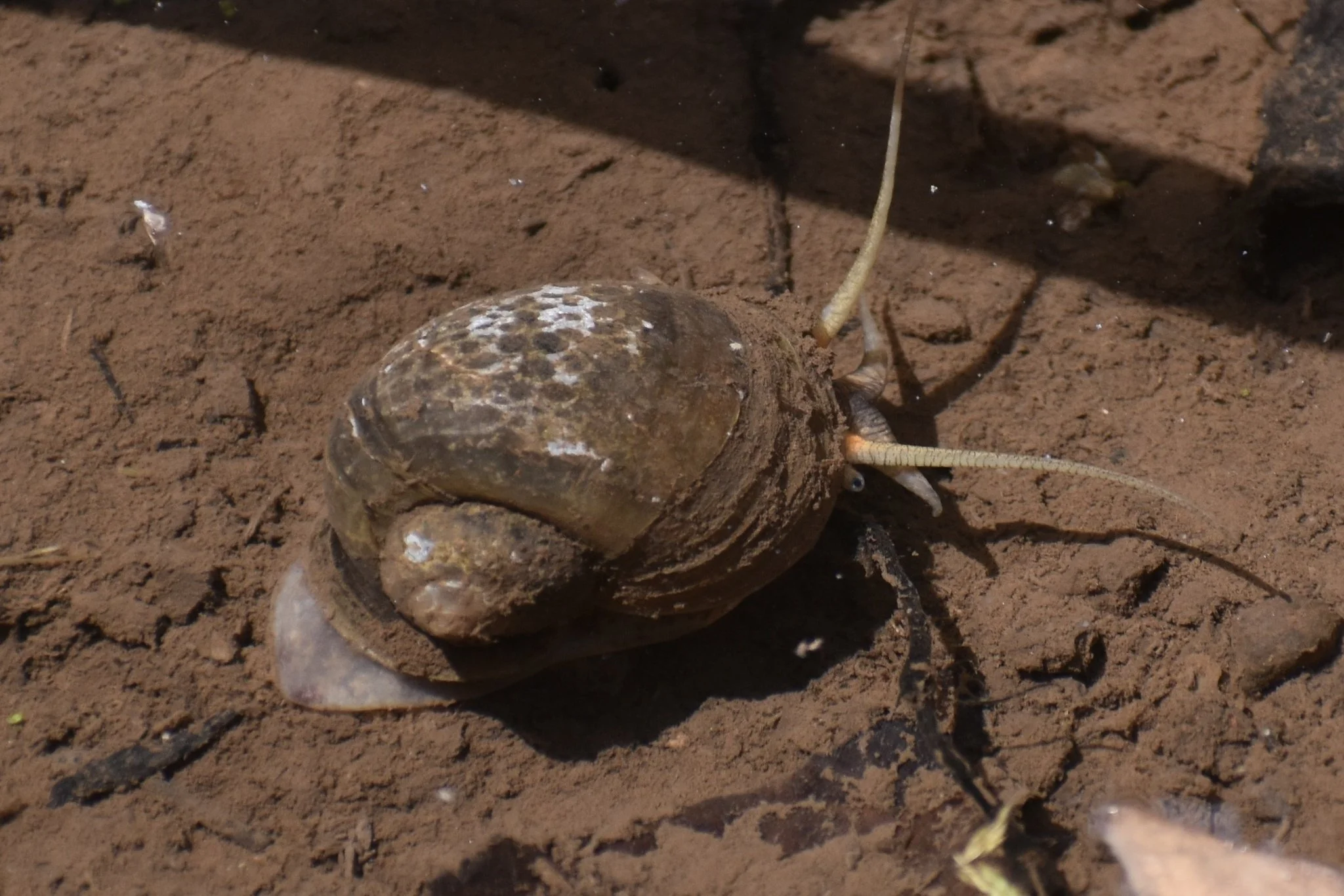
Apple snails arrived in 1989 and became a major threat to a root vegetable known as taro — one of Hawaiʻi’s staple crops, known as kalo in Hawaiian, it's also considered to be sacred and the most important plant in Hawaiian culture. In 2001, shipments of cargo arrived from Southeast Asia containing more than was bargained for: spiny nettle caterpillars covered in rows of toxic spines and possessing a mighty appetite for crops and ornamental plants alike. An infestation of coffee berry borers was discovered on the Island of Hawaiʻi in 2010 — then on O`ahu in 2014, Maui in 2016, and on Kaua`i and Lānaʻi in 2020. As per their name, the beetles bore into coffee cherries (beans) and deposit their eggs inside, and then the emerging larvae feed on the beans from within, destroying both their structure and market value. But no story better illustrates the folly of biological control in Hawaiʻi than the story of snails.
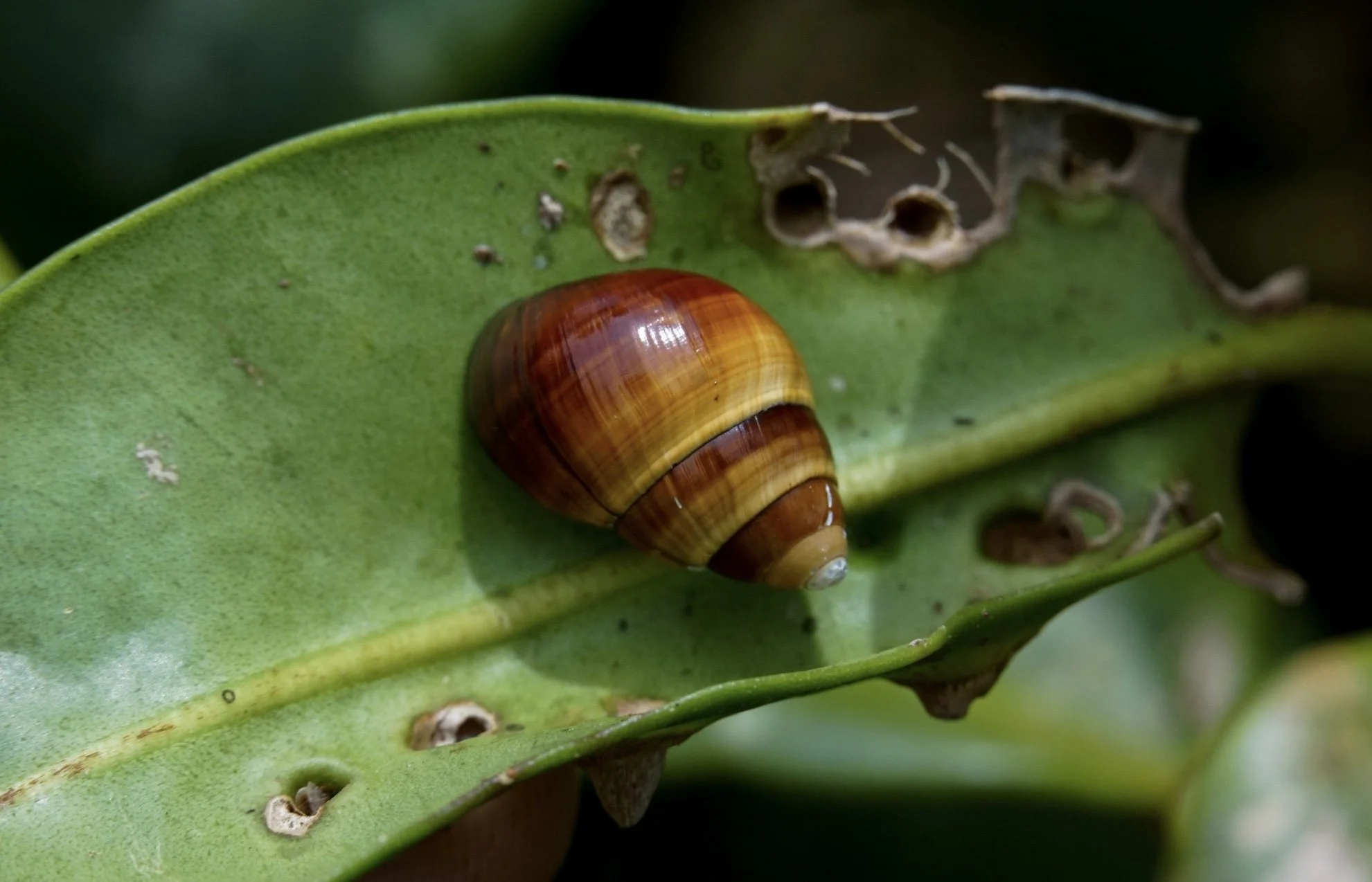
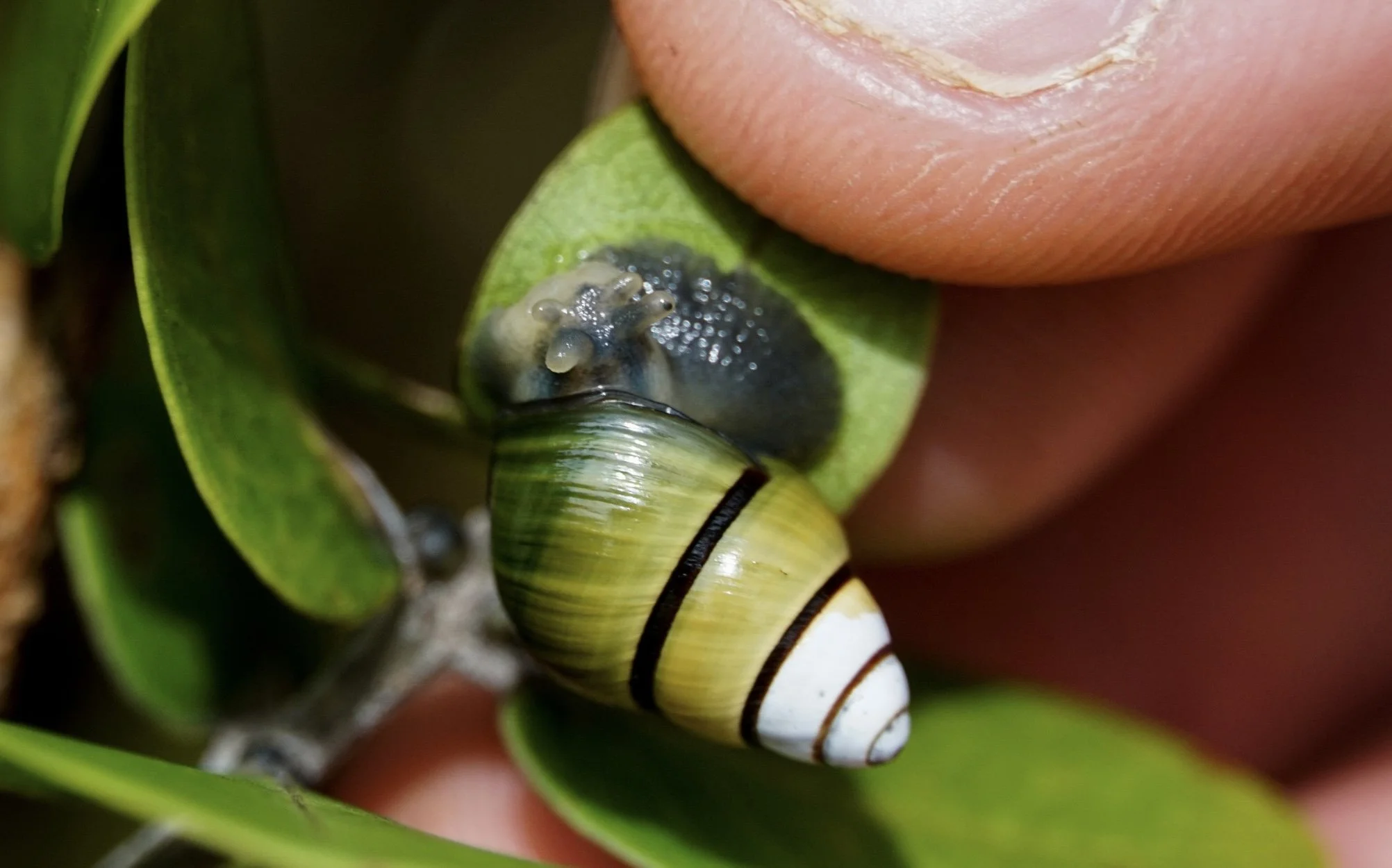
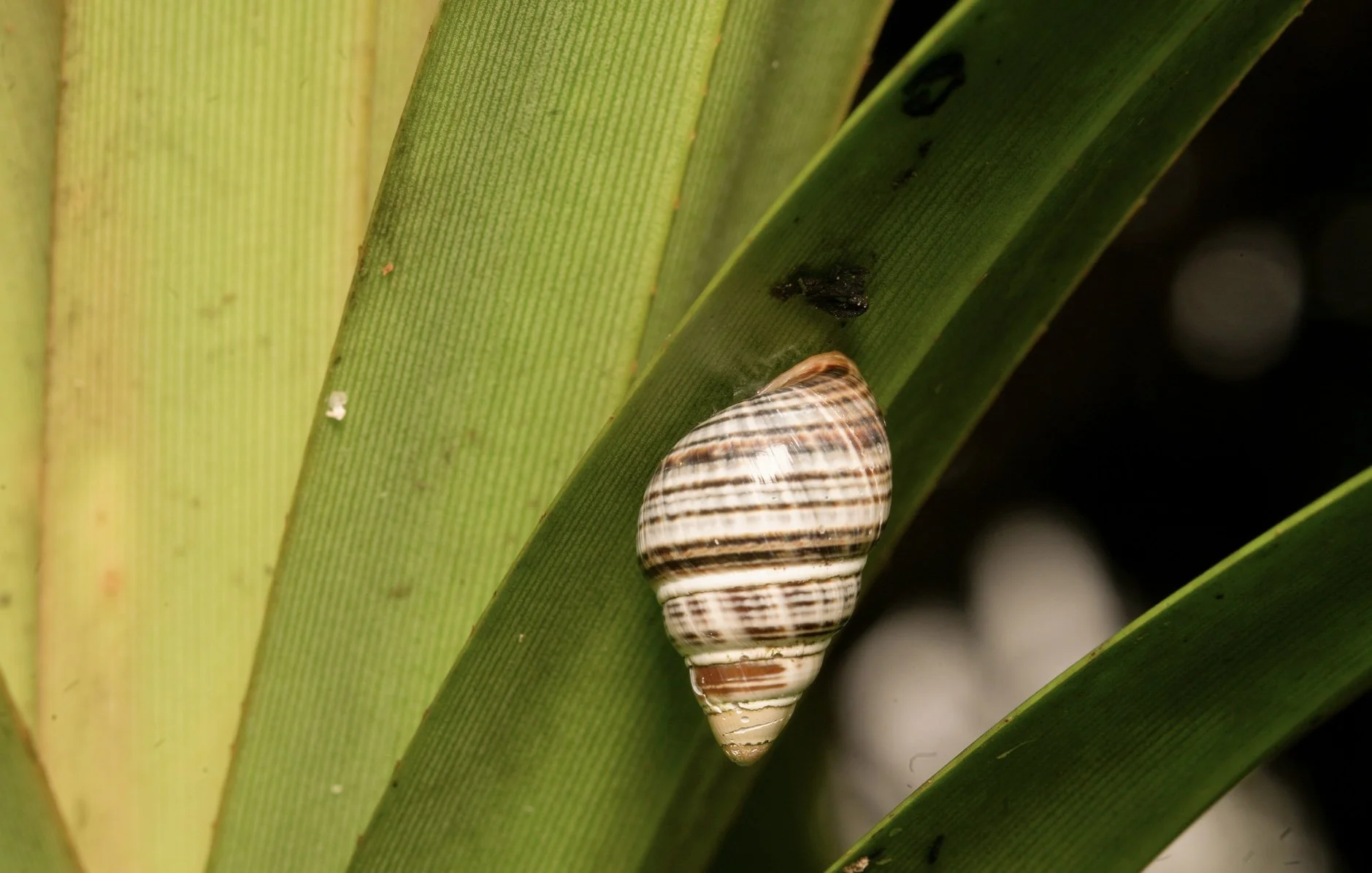
Once, these islands harboured over 750 species of terrestrial snails, with O'ahu home to an entire endemic genus known as the Achatinella. These O'ahu tree snails, 41 species in all, each wore shells like tiny art pieces, painted in whorls and swirls and stripes, lacquered in a shiny gloss — many of them looking like festive, handcrafted candy. Back when they were abundant, Hawaiians would create rattling leis from their shells and King Kamehameha III's summer palace, built in an area especially rich in these colourful snails, was known as Kaniakapupu, or “the singing of the land shells.”
These native snails were beautiful. But, as the saying goes, the grass is always greener, and we only want what we don't already have.
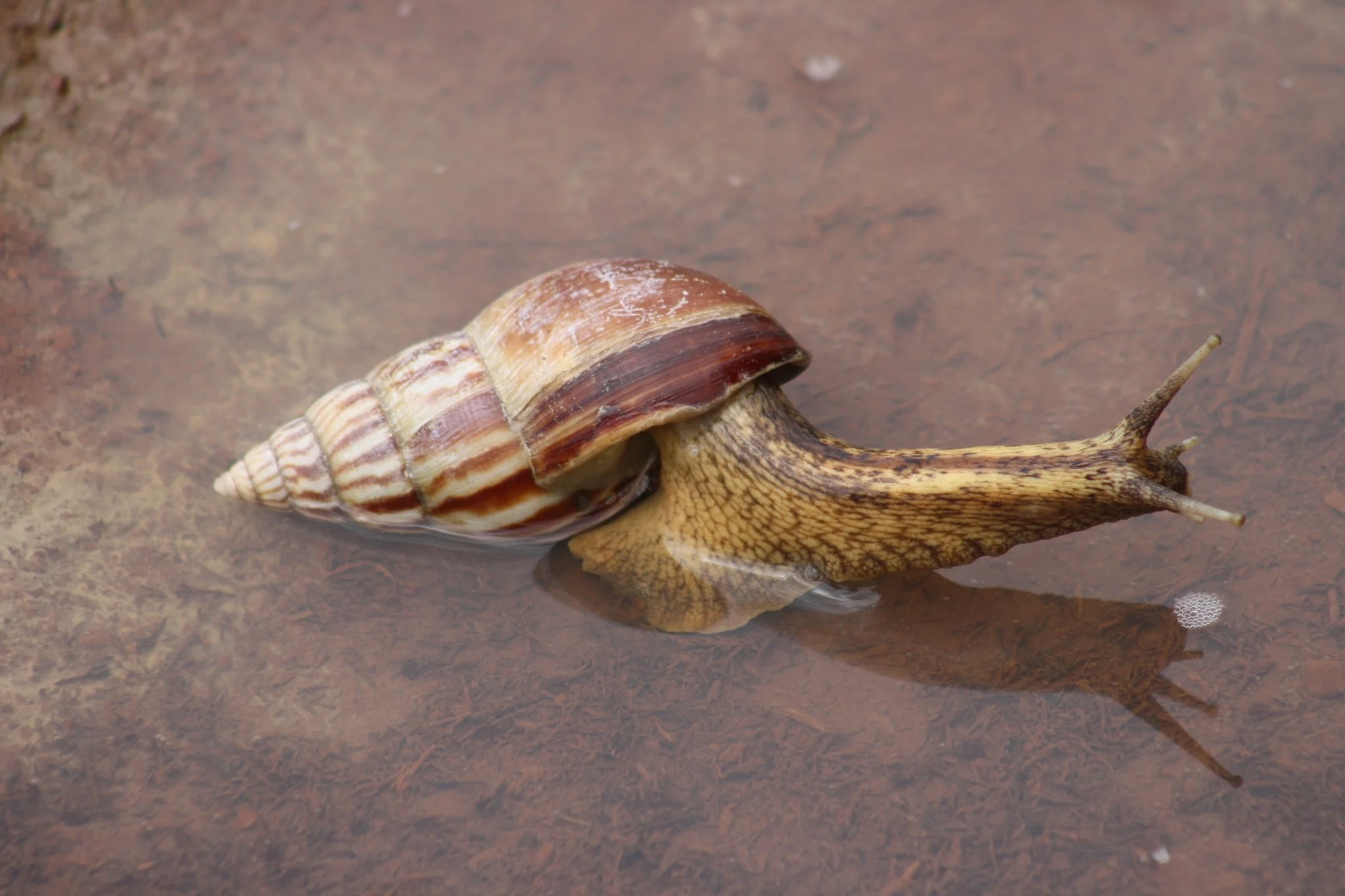
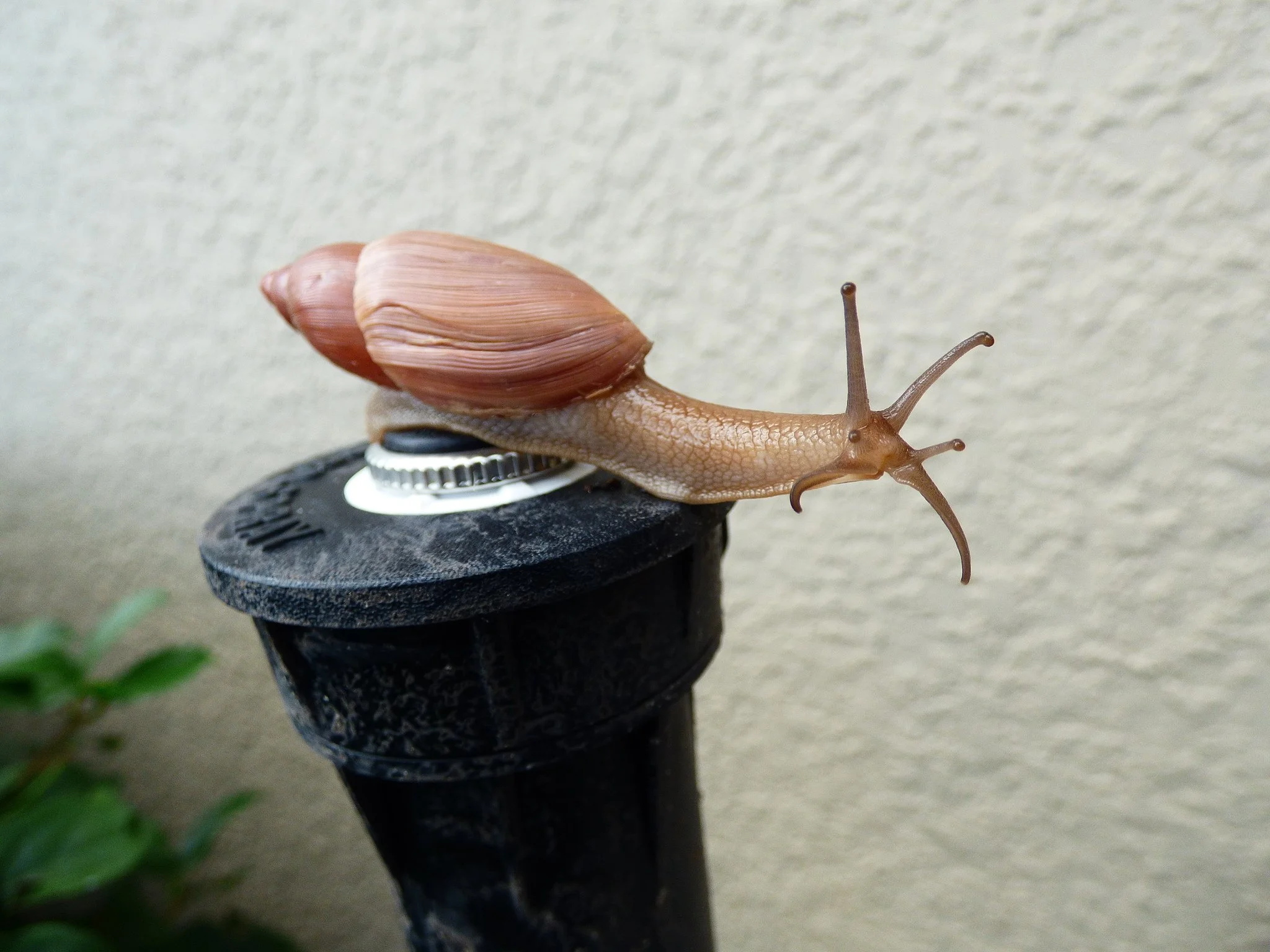
The giant African snail was first introduced to O'ahu in 1936 when a young woman, travelling from Taiwan (where the species is also invasive), smuggled them in her baggage and released them as ornamental additions to her garden — perhaps the O'ahu snails were too small for her liking. The large, foreign snails didn't remain garden ornaments for long, however. Despite the gastropod's reputation for languidness, by the 1950s, the African snails had spread widely, bred abundantly, and ate crops with great gusto. The African giant snail has a place on the top 100 worst invasive species list for a reason. Something had to be done, but what? How about we introduce another snail. That's how you fight a fire, right? By adding more fire?
The rosy wolf snail, native to the southeastern United States, was introduced to Hawaiʻi in 1955 as a biological control agent meant to target the invasive Giant African snail population. As someone should have predicted, a species nicknamed the “cannibal snail” would also go after the smaller, native snails — contributing to the fact that, today, out of the 41 O'ahu tree snails, 30 species are believed to be extinct and 11 aren't far off. After this fiasco, the rosy wolf "cannibal" snail was itself placed on the 100 worst invasives list. We sent a mercenary to take down a criminal, only for that mercenary to end up on the most-wanted list as well.
Another notorious pest is the coquí frog, although it's a pest in a different sense. In fact, the coquí eats what we typically think of as pests (insects and the like), but it consumes them to a disastrous degree. The coquí isn't large — it could easily perch atop your thumb — but it is voracious and it is fecund. Not long after it arrived in Hawaiʻi, hitchhiking on imported plants in 1988, its population exploded to 91,000 frogs per hectare: the highest known density of any amphibian on Earth (and two to three times higher than its density in Puerto Rico, its native home). From forest floor to canopy, coquí stripped Hawaiian forests of their insects — whatever insects were left after the rodents and ant armies had feasted.
But that's not the primary reason it’s considered a pest. It’s a pest because people find it really damn annoying.
The citizens of Puerto Rico hear the coquí’s “ko-kee” calls and they evoke a sense of national pride. Hawaiians hear the coquí's relentless trilling — reaching up to 95 decibels, or as loud as an electric drill — and are driven to insomnia by an army of thumb-sized tenors singing unsolicited love songs at full volume. A little ironic, perhaps, that the craving for imported comforts and foreign superfluities came pre-packaged with a punishment.
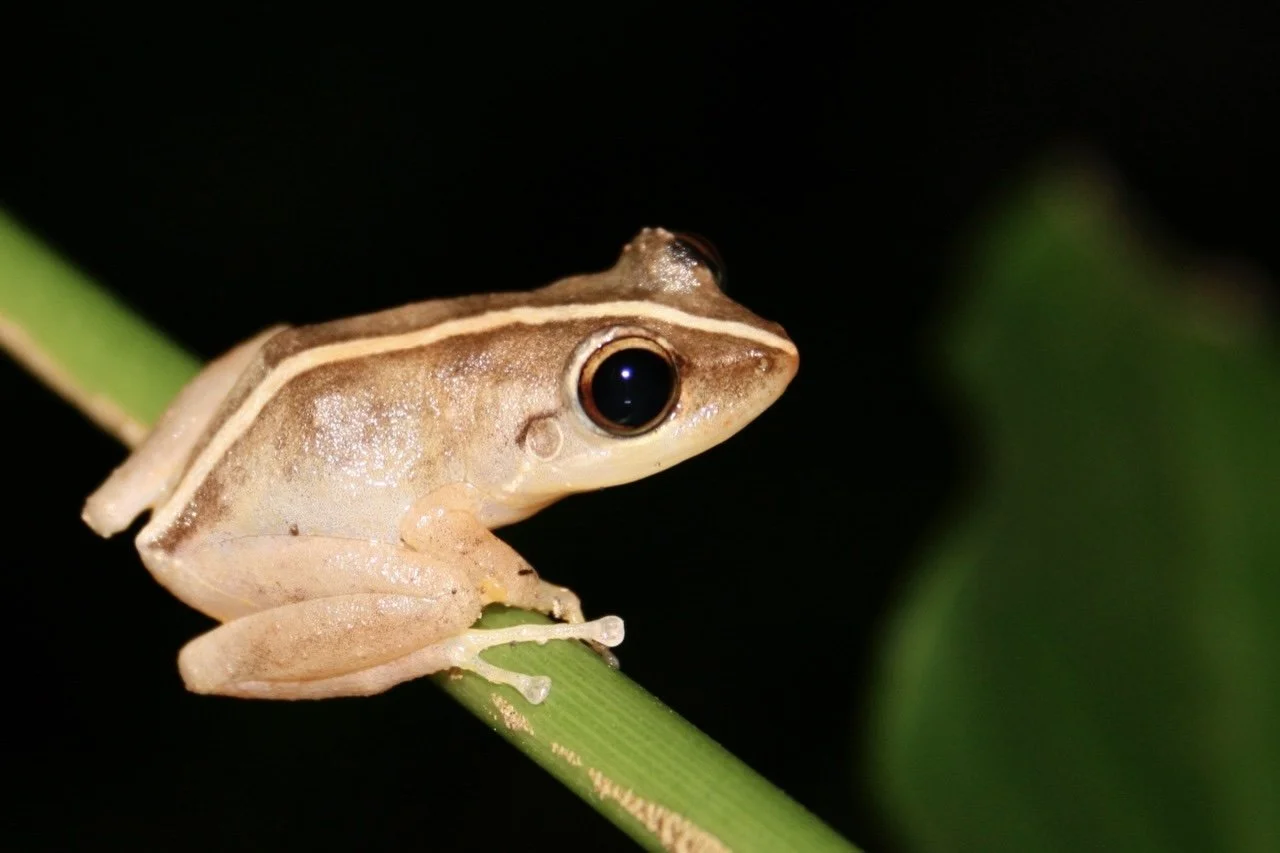
A common coquí (Eleutherodactylus coqui).
The coquí hit Hawaiʻi like the second plague of Egypt, flourishing not by God's decree, but because there were no native predators to control its exploding population. The coquí is preyed upon by a few species in Hawaiʻi — rats, mongooses, and cane toads — just not native ones.
Is this another case of invasives helping control invasives?
Not quite. The fear is that, with coquí present in such abundance, the frogs might serve as a food source that bolsters populations of invasive predators; increasing the number of those predators, who then go on to eat more native species. The invasive predators regulate the coquí population only so much as it benefits them and, of course, don't limit themselves to only eating the frogs.
In centuries past, we might've considered introducing a known frog predator — a new biological exterminator to mitigate this froggy deluge. Now, a bit more knowledgeable (but not yet knowledgeable enough to solve the problem), we wait and worry about the inadvertent arrival of just such a predator.
We worry about the arrival of, for example, the brown tree snake — that scourge of Guam, responsible for killing 10 of the island’s 12 native land bird species. If such a predator made it to the Hawaiian Isles, it would find a buffet of frogs to boost its numbers to ungodly proportions. Several of these snakes have already been apprehended at Honolulu Airport (hidden in cargo, not attempting to sneak in under disguise), but all it would take is one slip. The brown tree snake might be the final, scaly straw on this overloaded, overrun camel that is Hawaiʻi's ecosystem. Its invasion could very well mean the end of the remaining honeycreepers.
Why is Hawaiʻi overrun by invasives?
We've introduced species for our own convenience, in order to use their resources or labour, before we even knew what an “ecosystem” was. We've introduced species with good intentions — to control or reverse the damage of our previous introductions — but we did so in ignorance of how complex ecosystems truly are, ultimately causing more harm than good. We've introduced species through negligence or oversight — a snake in a flowerpot, a caterpillar in a cargo crate — or by pure, unlucky accident. And now we face the consequences and fear what may come in the future.
———
Are we humans unique among all other Earth's creatures? It's hard to argue that we're not. No other living thing has effected so much change in so short a time in the entire history of life on our planet.
By investigating the fossil record, as well as the genomes and distributions of modern animal groups, we can track the movements of those groups’ ancestors in the deep past: the honeyeaters arrived in Hawaiʻi some 14-17 million years ago, the honeycreepers arrived from Asia 5-7 million years ago, spiders floated across the Pacific on their silken parachutes 2-3 million years ago, ducks arrived from North America 1.5 million years ago, the first hoary bats 1.3 million years ago, and geese "just" 500,000 years ago. These are the vast time spans we use to retell the natural, or pre-human, colonisation of Hawaiʻi.
Today, the presence of many new species can be attributed to precise, historic events: mosquitoes arrived accidentally on a whaling ship in 1826, the first chital deer were brought to the islands in 1867 as a gift to King Kamehameha V, the first mongooses were intentionally introduced by the sugar industry in 1883. White-eyes arrived in 1929, giant African snails in 1936, rosy wolf snails in 1955, cattle egrets in 1959, kalij pheasants in 1962, Jackson's chameleons in the 1970s, coquís in 1988, little fire ants in the late 1990s, coffee berry borers in 2010. On and on, they arrived — they were introduced.
The fauna of the world has been reshuffled in the span of a thousand years. In the past 200 years alone, Hawaiʻi has seen as many new species arrive and become established as it naturally would have over a period of millions of years.
 Invasion of Hawai'i
The naturally imbalanced ecosystem of islands — wherein birds dominate and mammals are all but absent — has been forcefully “balanced,” and, as a result, the scales have completely overturned. Where there was once a single native terrestrial mammal, a tiny bat no less, there are now 17–20 invasive species of dogs, cats, rats, pigs, etc. Where there were once over 113 endemic bird species, there are now just 30–35.
We humans are the couriers of invasive species — carrying them, intentionally or not, on our ships and planes — and the ultimate invaders ourselves. It’s a pessimistic way to view our expansion and development, but it’s one we must consider. We judge and label other species as invasive and harmful. So why should we be exempt from the same judgement?
Are we apart from all of it; apart from nature?
No, for good and ill. We cannot do without it. We rely on the natural world for sustenance and survival, for beauty and inspiration. And, because of our reliance, we often destroy it too; treating the earth, plants, and our fellow animals as a mine of resources to extract. The word ‘nature’ once encapsulated the entirety of the planet. Now we use it to delineate those parts which have yet to be spoiled by our hunger for resources, or altered unrecognizably into urban scapes of metal and glass. We, a single species, treat nature (i.e. the whole planet) as our personal garden to decorate with whatever suits us best, when it's supposed to be the home, and is the only home, of over 8 million species. Integration is difficult. It requires much knowledge and restraint. Domination, on the other hand, is simple. And we have proved disturbingly good at it.
It is true that ecosystems aren't static things. You could argue that we're just another change in a long series of changes, just another new species that has come to settle on these islands. But that conclusion would be plainly dishonest, considering the scale of our impact.
In the past millennium or so, and especially in the past few centuries, we've all but upended ecosystems which have been running more or less smoothly — with no mass die-offs, no sudden turnover in biota — for millions of years. You need only look at the rate of extinction that follows our arrival wherever we go. For many Hawaiian species, and those long isolated on other islands around the world, human dominion has meant their end.
———
The Birds Have Flown to Kahiki
"Ua lele ka manu i Kahiki,” translating to “the bird has flown to Kahiki [the ancestral homeland].” — a Hawaiian saying, referring to a person who has gone somewhere and cannot be found, often one who has passed away.
We can only guess how the first voyagers felt when they set foot on Hawaiʻi after weeks of endless seas with only seabirds wheeling far overhead. How they felt witnessing, for the first time ever, the full majesty of honeycreepers at their pinnacle of abundance. From lowland palms to cloud forests fluttered birds with scarlet bodies, bright yellow heads, dark-masked faces, and golden feathers under cloaks of black. We know, at least, that early Hawaiians admired the birds greatly. Too greatly, in certain respects.
Once the first double-hulled canoe slid onto the shores, the honeycreepers would never again be as plentiful.
The Hawaiʻi mamo was a large, mostly black honeycreeper with a sickle-shaped bill even longer than that of the ʻiʻiwi, which it similarly used to probe for nectar. It was found only on the Island of Hawaiʻi and, of the all the honeycreepers, it was perhaps the most esteemed. Why? Under its glossy black feathers, beneath its shoulders and tail, the Hawaiʻi mamo hid feathers of the brightest yellow.
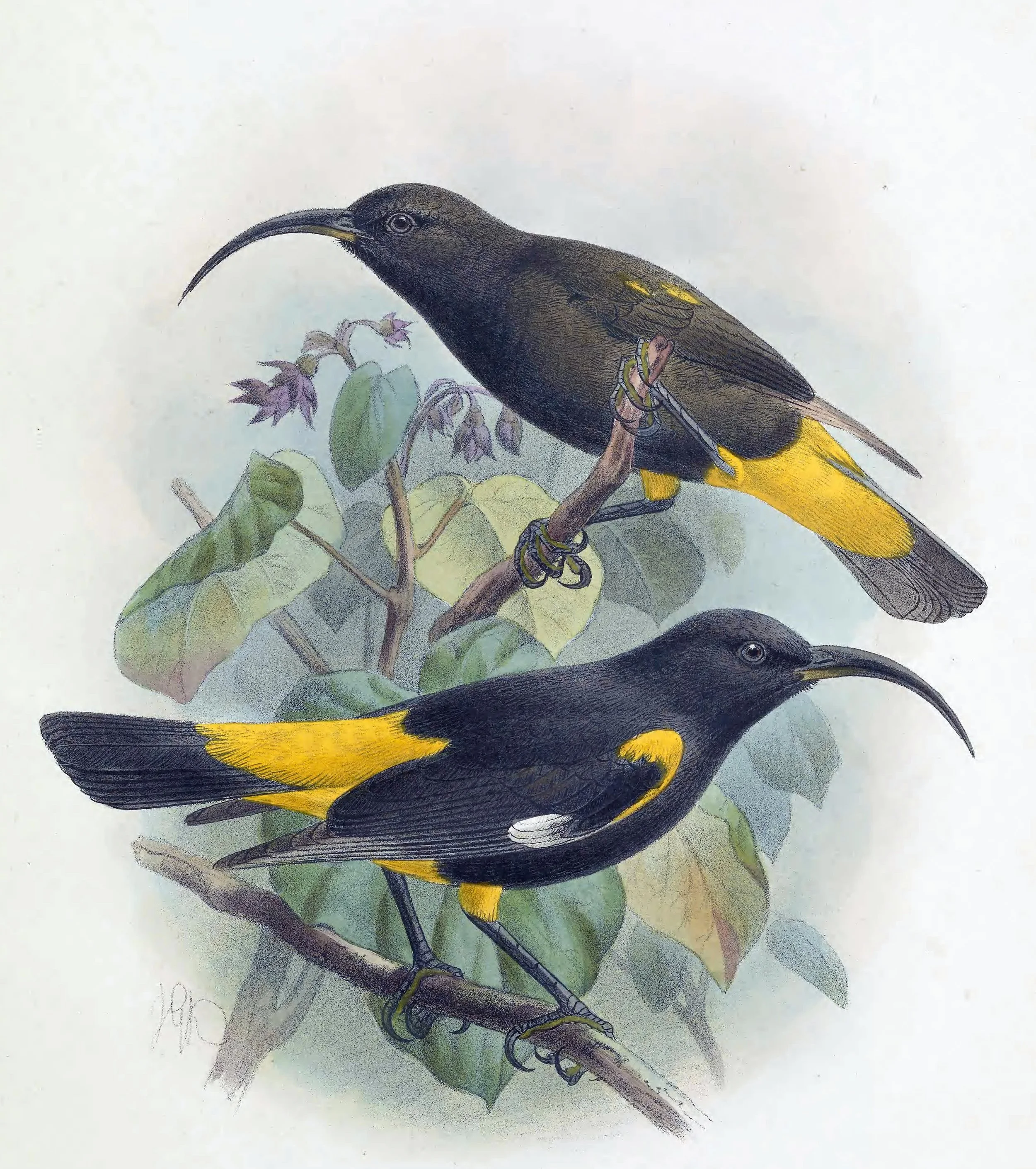
Hawaiʻi mamo
(Drepanis pacifica).
In many Polynesian cultures, red was considered the colour of a chief, and there was no scarcity of red-feathered birds across Hawaiʻi (the ʻapapane, ʻiʻiwi, the ʻula-ʻai-hawane, etc). Perhaps that's why the chiefs of Hawaiʻi developed a preference for yellow, which was relatively scarce and thus more prestigious. Those of the highest rank in Hawaiian society would distinguish themselves by becoming as pretty as a thousand honeycreepers, and, because of its golden plumes, the Hawaiʻi mamo was much sought after.
The aliʻi, the chiefs of the islands, would ask tribute of the common folk in the form of honeycreeper feathers. Skilled bird catchers invented various methods for capturing their queries, including snagging them in a bird noose, smearing branches with sticky birdlime, imitating their songs to draw them close or laying hidden while holding up the birds’ favourite flowers. A ban, perhaps an early kapu (taboo), was placed on eating mamos, for their yellow feathers were much too valuable. Instead, the mamos were supposedly captured during their moult, when their feathers could be easily plucked, and were then released to regrow them again. But while a few plucked feathers wasn’t a death sentence, those man-handled honeycreepers may well have been left in a more vulnerable state (if not a worse physical state, than a worse mental one).
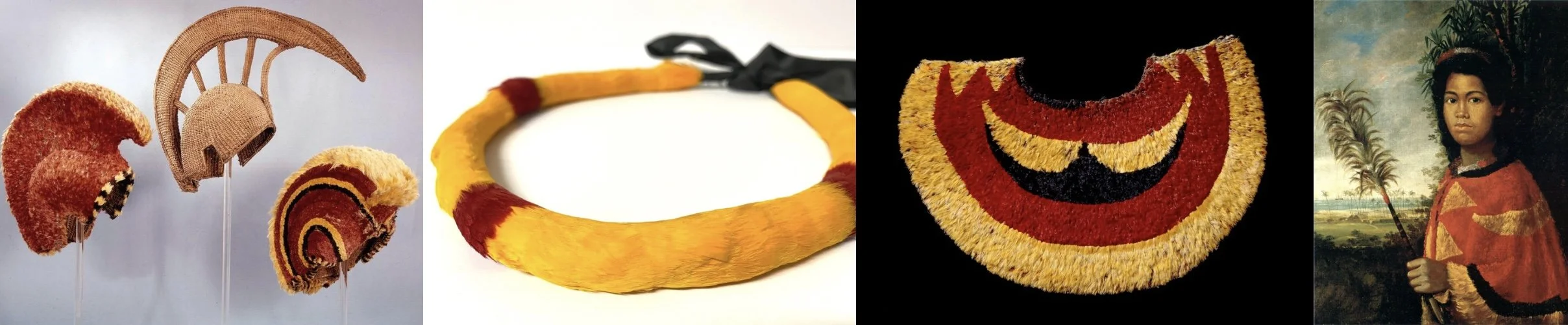
Those feathers were used to make lei hulu (feather lei) worn by female ali'i, kahili (ornamental staffs), mahiole (helmets), and magnificent ʻahuʻula (feathered capes). How many feathers does one need to make a piece of Hawaiian regalia? Kamehameha the Great — the first king of Hawaiʻi — was as beautiful as not a thousand, not ten thousand, but eighty thousand mamo; his "million dollar cloak" decorated with some 450,000 mamo feathers.
By the time Europeans arrived in Hawaiʻi, the honeycreepers had been diminished by centuries of Polynesian presence — aside from the threat of feather collecting, extensive plantings of bananas, breadfruit, and sugarcane had come to dominate the lowlands. Relative to today, however, the birds were still fairly numerous.
One of the first honeycreepers the Europeans encountered was, incidentally, the Hawaiʻi mamo. Unfortunately, the mamo would not long outlive their arrival. As forests fell, mosquitos swarmed, and invasive predators proliferated, the Hawaiʻi mamo became scarce. And, just as Hawaiian royalty admired the mamo, so did European collectors — not least for its eventual rarity in the 19th century. But, unlike Hawaiians, these collectors had no taboo against killing.
A family of Hawaiian mamos was sighted in July of 1898 near Kaumana, a lava tube created by the same 1881 Mauna Loa eruption that created the kīpuka from Gruner's spider study. The mamos were shot at, one was hit, but they all escaped. That was the last time the species was ever seen. Today, there are many specimens of Hawaiʻi mamo in American and European museums, there are many capes adorned with their feathers, but there are none left alive in the forests.
The black mamo, endemic to the island of Molokaʻi, was a close relative of the Hawaiian mamo. In contrast, it was one of the last Hawaiian honeycreepers discovered: found in a valley in 1893, only a few years before its cousin on the Big Island was last seen. It was dubbed Drepanis funerea since its near-wholly black plumage put one in mind of a mourner at a funeral. The name would become more appropriate than was likely intended, as the black mamo would go extinct shortly after 1907.
The ʻula-ʻai-hawane is perhaps the most mysterious of all the Hawaiian honeycreepers. Translated, it is the "red [bird] that eats hāwane.” Or rather, it was the "red [bird] that ate hāwane.” This molten-looking honeycreeper is thought to have eaten the ripe fruit (hāwane), seeds, and flowers of loulu palms. In fact, it was so closely tied to these endemic palms that some accounts claim it was never seen far from them. Today, most species of loulu palm are either endangered (some critically so) or exist only in ex-situ conservation collections. The ʻula-ʻai-hawane, the bird that ate its ripe fruits, is extinct.
The ʻōʻū, which was known for chasing its food up and down volcanic slopes, was first overwhelmed by mosquitos on O'ahu, and then on every other island. The last recorded sighting was on Kauaʻi in 1989. The ʻōʻū's closest relative, the Lānaʻi hookbill — with a pincer-like beak that featured a gap even when closed — went extinct in 1913, after nearly all of the ʻakoko forests of Lānaʻi were converted to pineapple plantations. It was only ever recorded three times.
In 1973, students from the University of Hawaiʻi discovered a few hundred honeycreepers living on the slopes of Haleakalā, one of the two volcanoes that make up Maui. These honeycreepers wore broad, black masks across their faces and resembled no species ever seen before. There was no mention of them in moʻolelo (oral stories), oli (chants), or mele (songs/poems). They had no original Hawaiian name. As far as anyone could tell, these honeycreepers had remained completely cryptic for over a thousand years of human presence — or else all knowledge of them had been lost.
The species was given the name poʻouli; the black-faced honeycreeper.
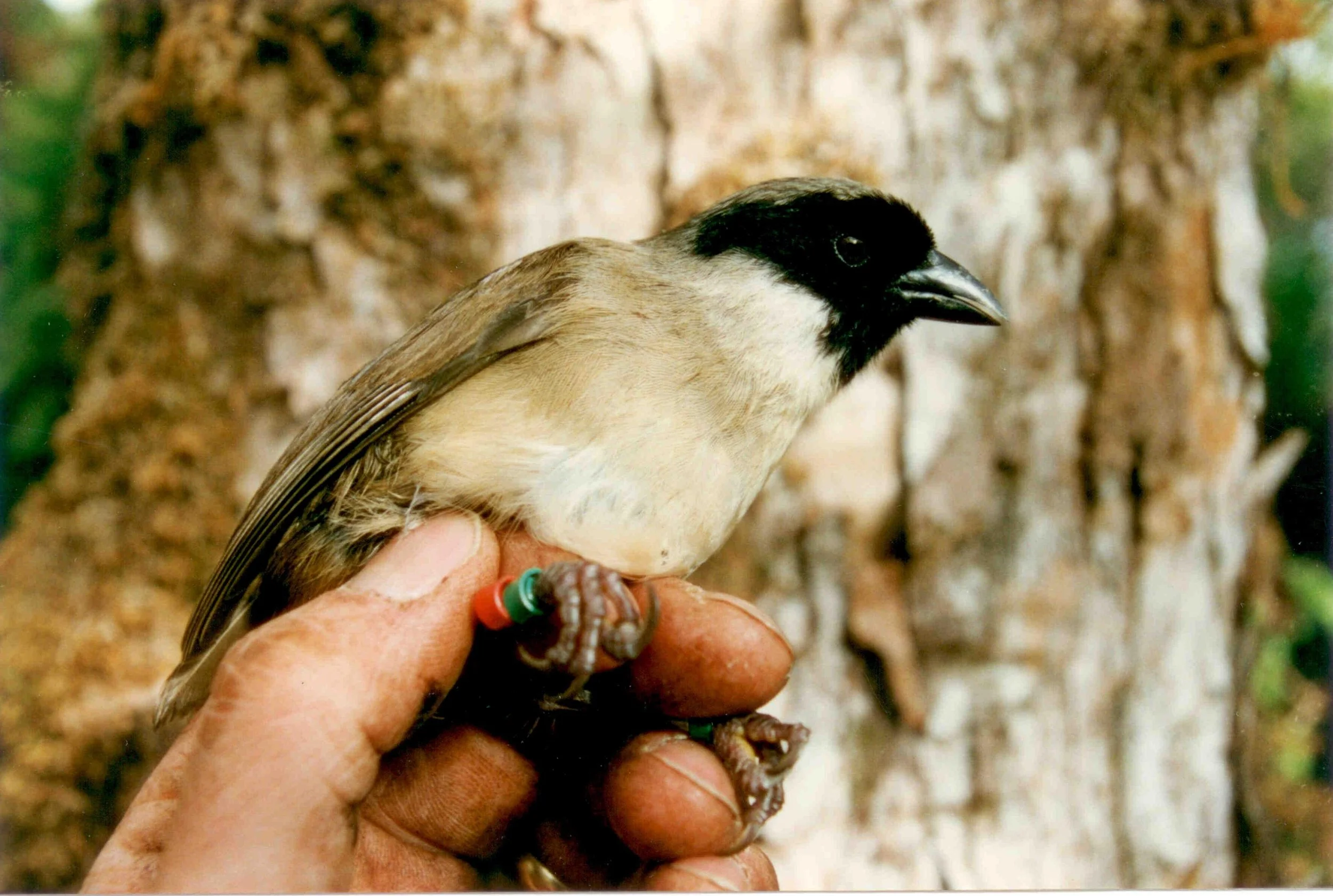
A poʻouli, or Hawaiian black-faced honeycreeper (Melamprosops phaeosoma).
As researchers scrambled to study it, they discovered that it may be the oldest living honeycreeper species; its lineage splitting from all the other species as far back as 5.7-5.8 million years ago. If that is in fact true, the poʻouli's ancient lineage predates its current home, meaning it must have arisen on an older island before making the flight to settle on Maui (the only island it was found on at the time of its discovery).
Conservationists scrambled to save this new species, which consisted of just 100-200 individuals in a 600-hectare (1,483-acre) portion of rainforest. In 1997, a search turned up just three Po’ouli. In 2002, a breeding effort failed when a female, caught and transported to be near a male, simply flew back across the mountain to her own territory — without breeding. In 2004, a captured male refused to breed in captivity and died shortly after. Then only two individuals remained, their sexes uncertain.
They didn't breed, and after they died, no more of the birds could be found. The poʻouli was officially declaredextinct in 2019 but was likely already gone by 2004, just 30 years after its discovery. It was the last honeycreeper discovered, after many of its honeycreeper cousins had already perished, and, as of the time of writing (2025), the most recent to go extinct.
All in all, more than 30 species of Hawaiian honeycreeper are already gone, lost to habitat destruction, disease, introduced predators, over-collecting, and often a combination of several of the above. But they're only part of a larger funerary procession that began sometime between 1,000 and 1,200 years ago, when the first humans made landfall, and grew more populous some 230 years ago with the arrival of Europeans.
Before the honeycreepers’ ancestor radiated into over 50 different species, it first had to diverge into two species, then three, then four, and so on. Perhaps the first split occurred when two populations fell into different niches on the same island. More likely, populations became isolated when one group flew to a neighbouring island and there evolved into a unique species.
Another flock of birds, thrushes of the genus Myadestes, arrived from the Americas after the honeycreepers. Dispersing across six of the major islands, this lineage of drab, olive-grey birds gave rise to five different species unique to the archipelago. Each species was different, but not too different — perhaps a showcase of the early stages of speciation? How would the radiation of Hawaiian thrushes play out? Would they become as varied as the honeycreepers?
We likely won't ever know. Two of the species are extinct: the ʻāmaui, named for the demigod who fished Hawai'i from the sea, and the kāmaʻo, once the most common bird on Kaua’i. And two are critically endangered. (The last, the ʻōmaʻo, is Near Threatened.)
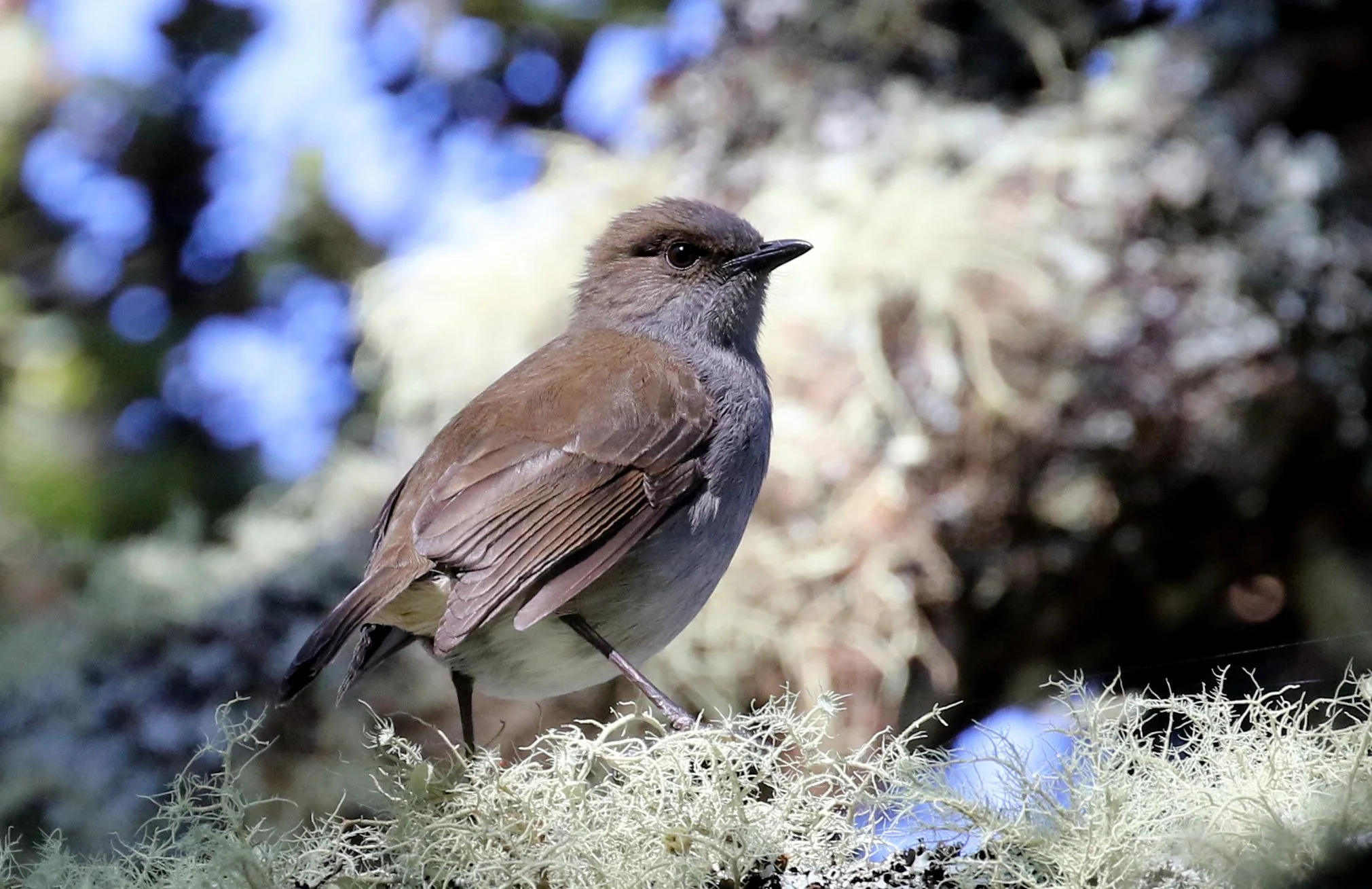
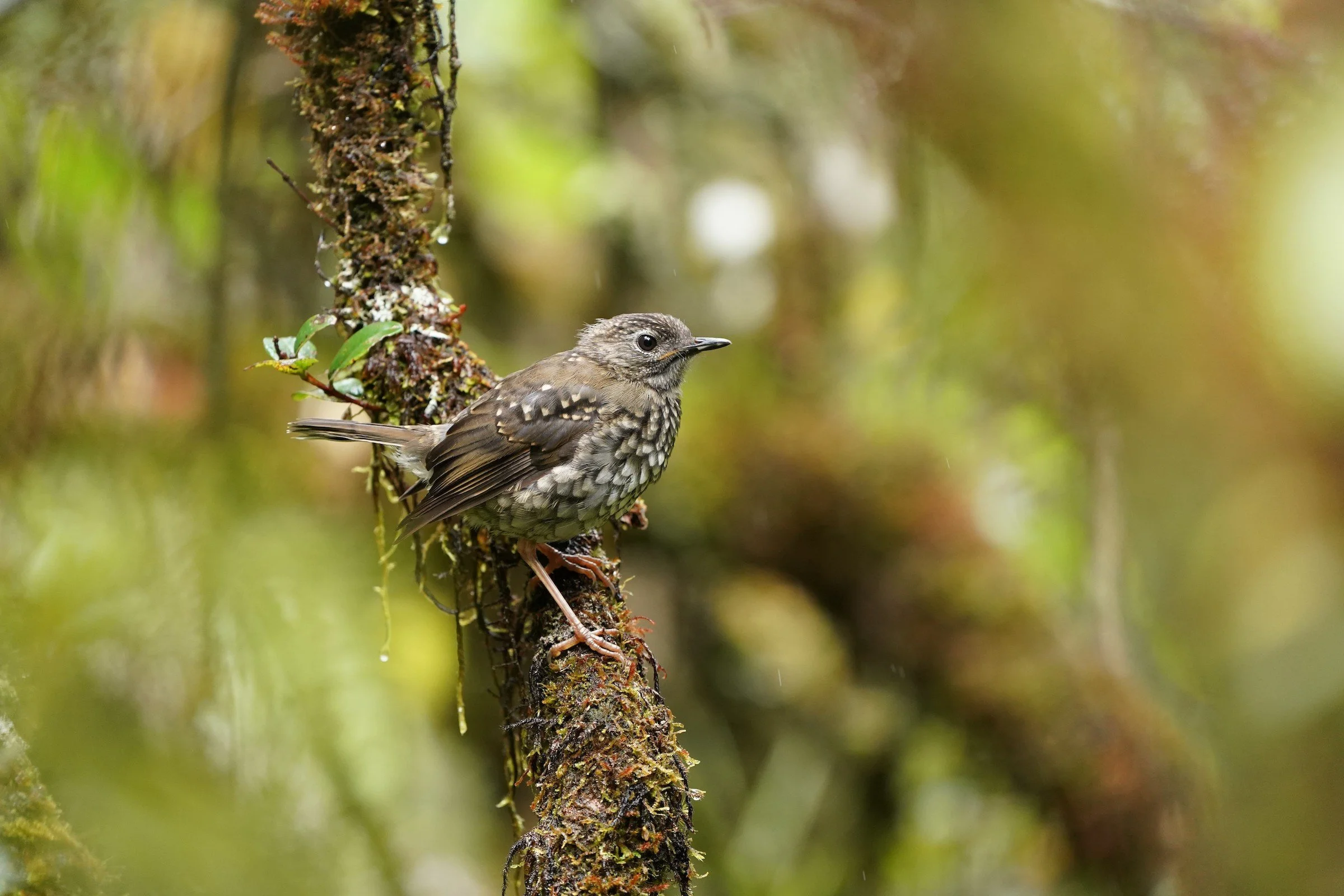
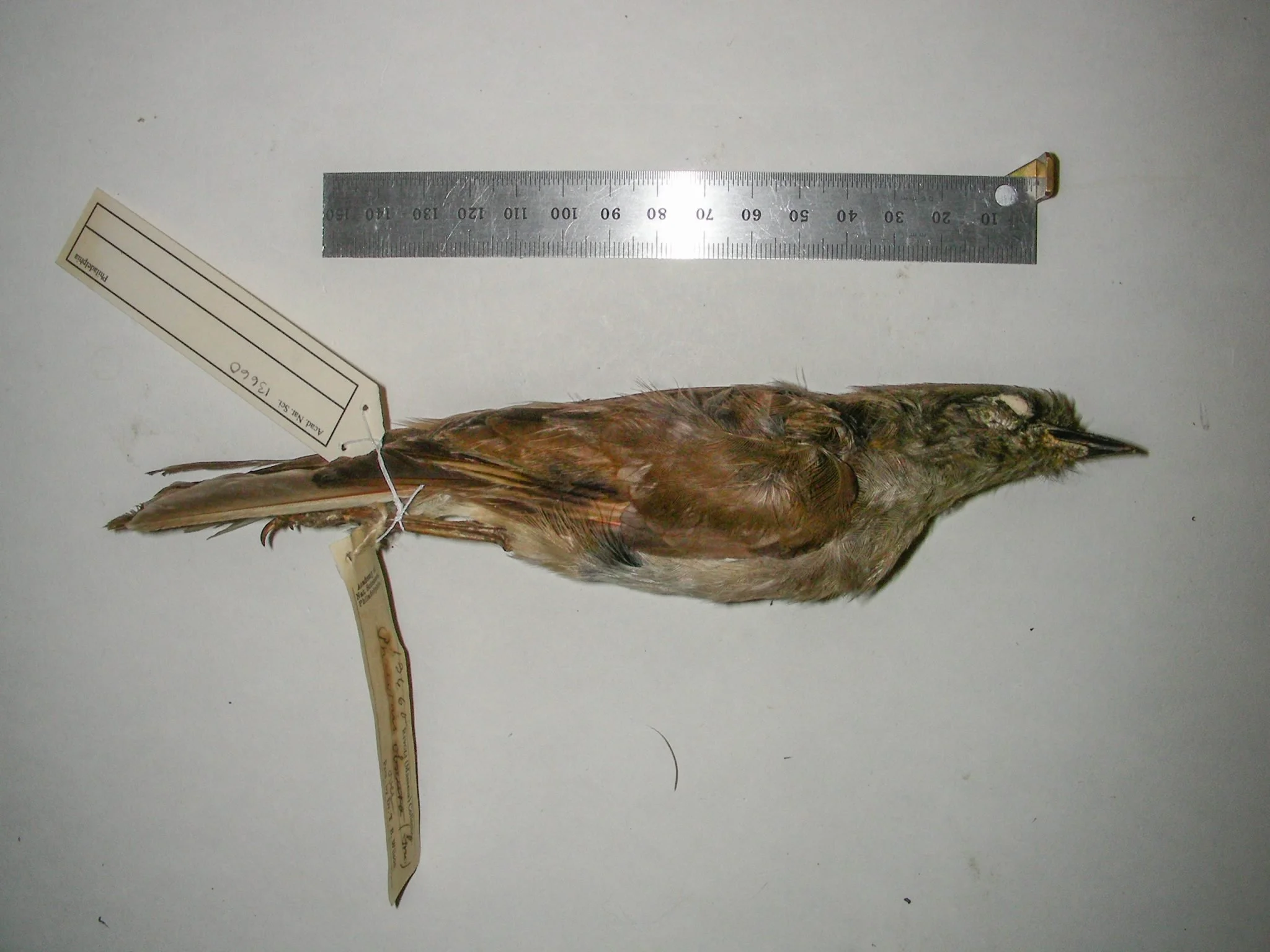
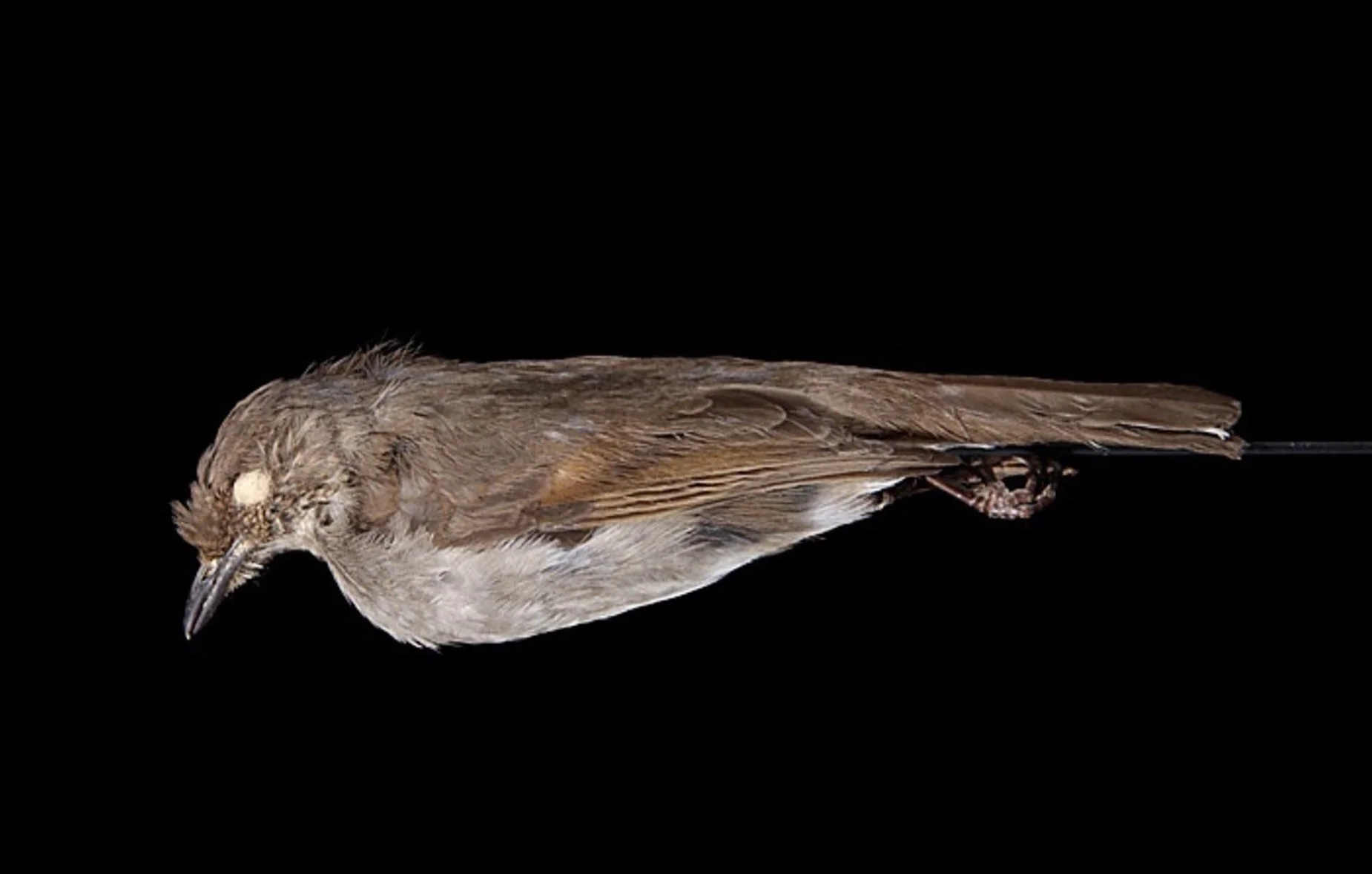
The Hawaiian honeyeaters, those nectar-drinking songbirds that arrived before the honeycreepers or thrushes, never radiated beyond five species either. And with the Kauaʻi ʻōʻō's extinction in 1987, the Mohoidae claimed the unfortunate distinction of being the only avian family whose members all perished in modern times.
One group that did see success, at least for a while, was the rails. There were at least twelve species of these dumpy, flightless birds spread across all of the major islands, with some islands (Maui and Molokai) being home to three different species. Rails are in the habit of undertaking great journeys over great swathes of ocean, reaching isolated islands, settling down, and then becoming nearly or completely flightless. It's thought that at least three separate colonisation events gave rise to the rails of Hawaiʻi.
When Cook's third voyage returned to England (sans Cook) in 1780, among its bounties were drawings and specimens of a rail that lived on the Big Island of Hawaiʻi. Unbeknownst to the naturalists at the time, who argued amongst themselves about the exact number of Hawaiian rail species, this specimen represented one of the last living species of a once-diverse Hawaiian avifauna. Thanks to invasive species and avian malaria, the Hawaiian rail went extinct before the start of the 20th century, but not before another rail was discovered living on the far-flung, northwestern island of Laysan.
About two-and-a-half kilometres (1.5 miles) long and little over a kilometre-and-a-half (1 mile) wide, Laysan hosts five species and subspecies of birds found nowhere else, including the Laysan rail. Given the small size of the island, the population of this rail species hovered around 2,000-5,000 — likely near the island's carrying capacity.
In 1903, a seemingly benign animal was introduced to Laysan: the rabbit. Very quickly, this fecund mammal’s populations exploded, and the rabbits stripped the island of its vegetation. Without foliage for food or nesting, only two individual rails survived on the island by 1923. That pair were left to their fate, and the Laysan rail officially went extinct on Laysan.
However, a small group of rails was earlier taken in a desperate attempt to save the species. These were bred and spread to other Hawaiian islets and atolls; most notably Midway, where they supposedly proliferated, with estimates of 5,000 birds in 1922 and "millions" in 1940 (the first tally was likely an exaggeration and the second certainly so). Regardless of the exact numbers, their population was increasing. Then World War II sent naval ships sprawling across the Pacific. One vessel docked at Midway in 1943 and, shortly before WWII ended, invasive rats would end the Laysan rail for good.
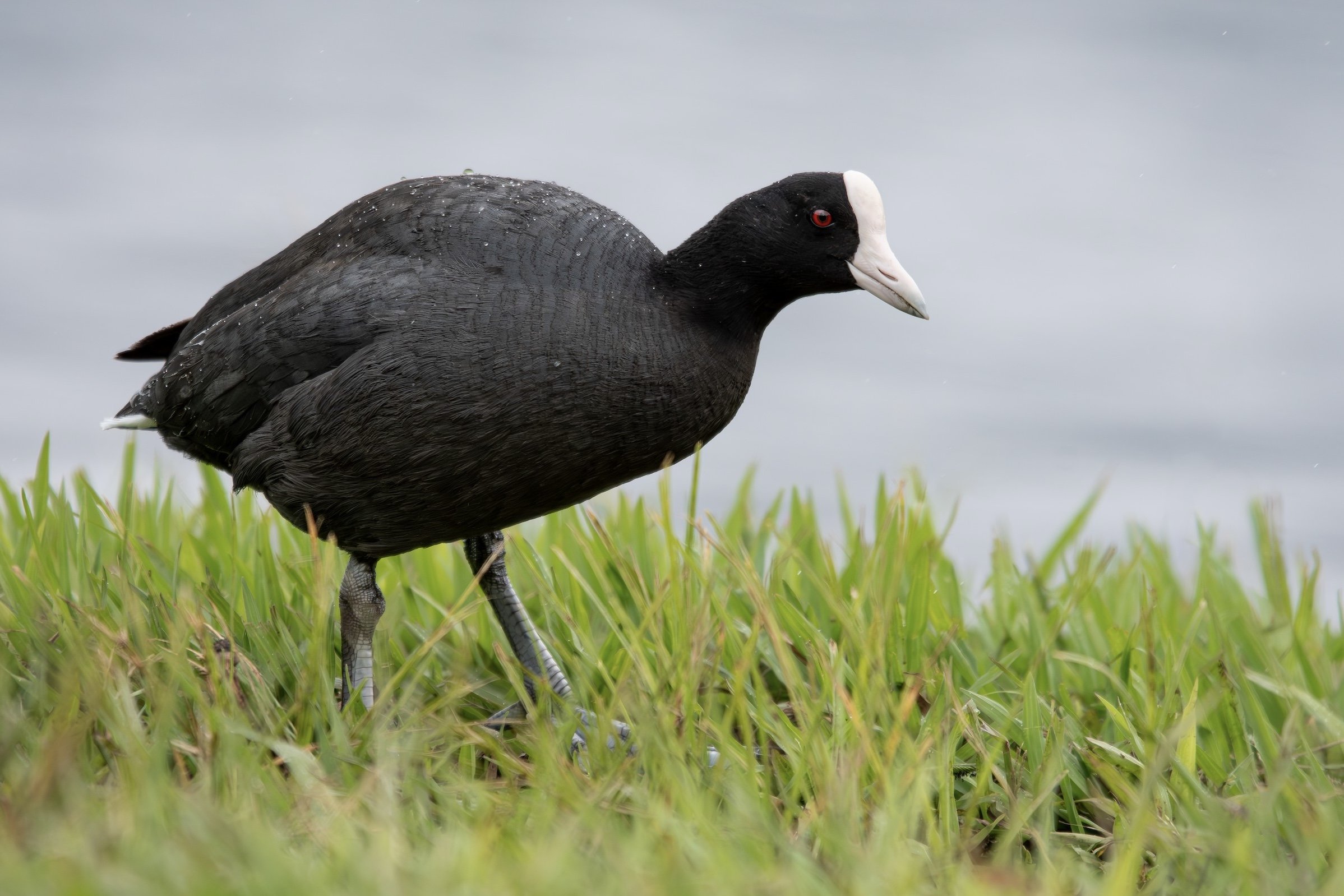
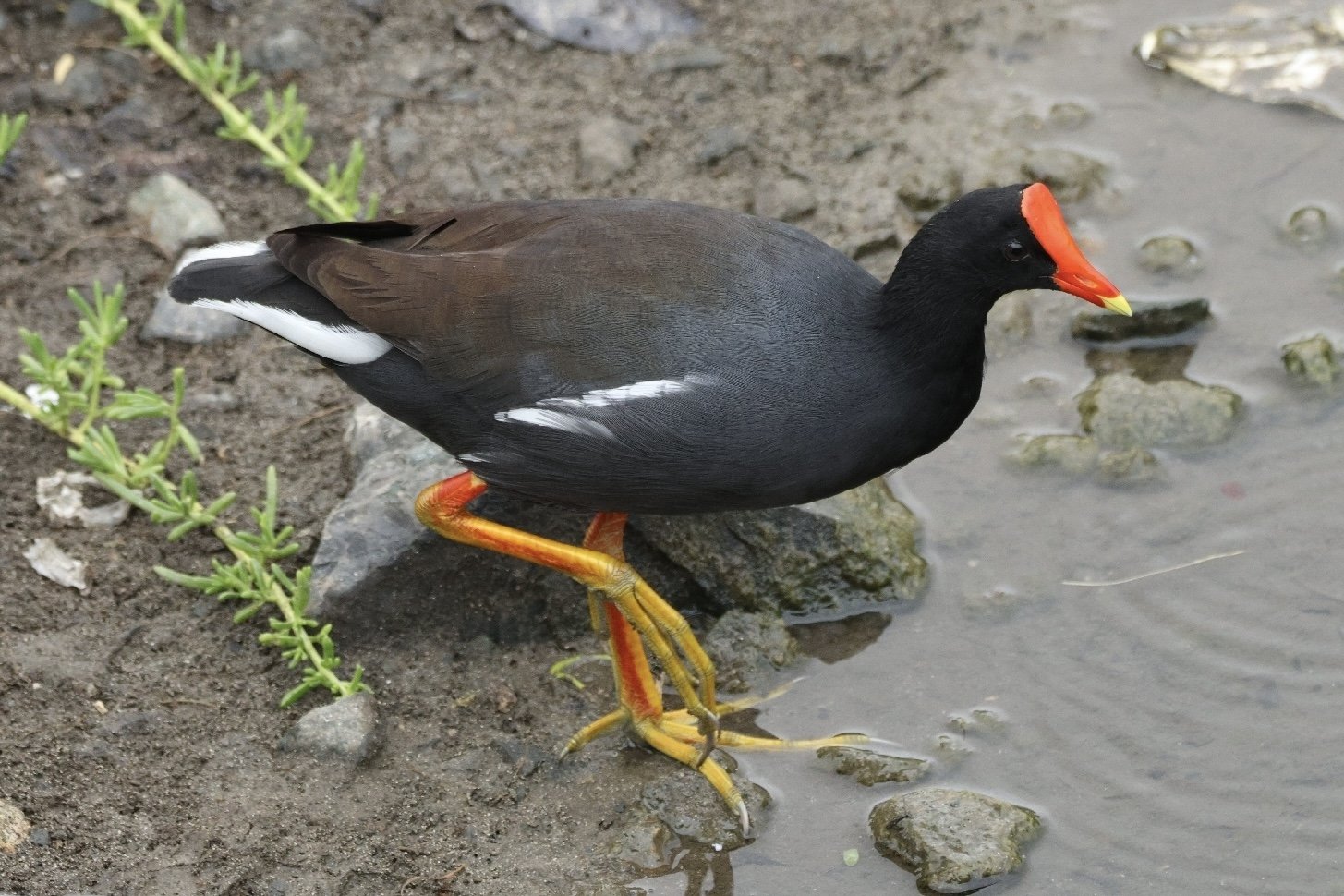
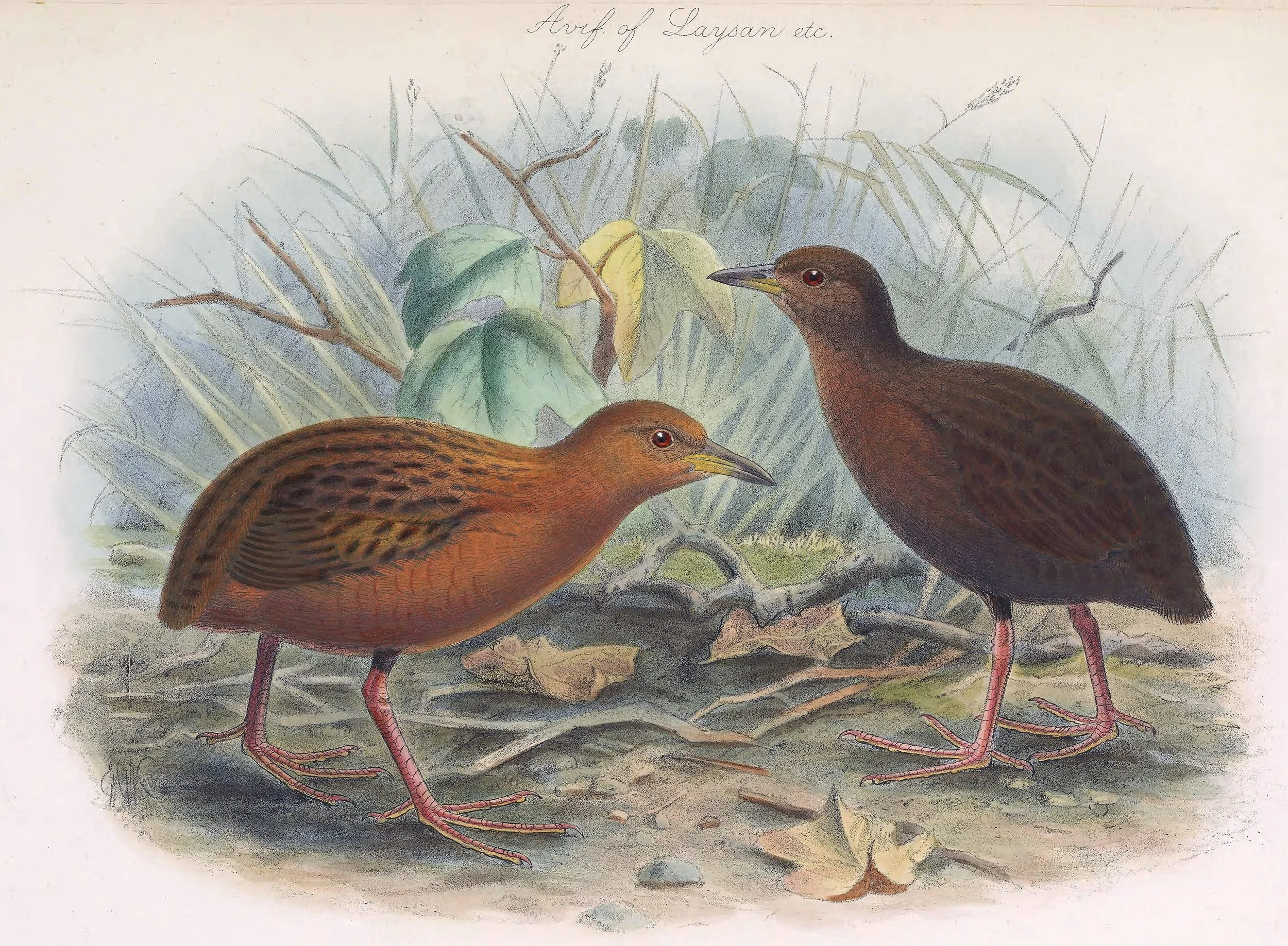
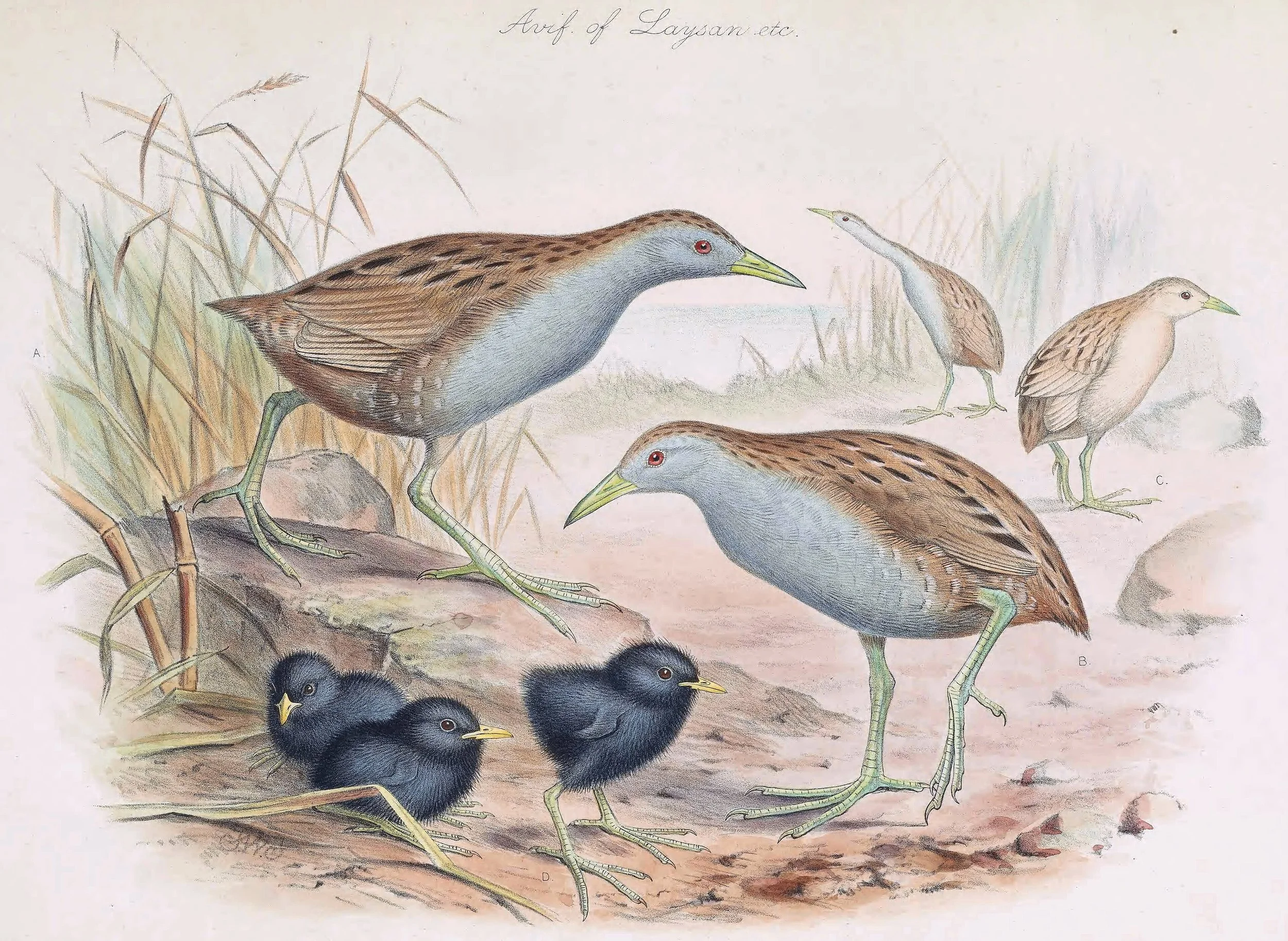
Today, all the dumpy flightless rails of Hawaiʻi are gone — although two of their flying cousins, the ʻalae keʻokeʻo (Hawaiian coot) and ʻalae ʻula (Hawaiian common gallinule), still persist. The call of the Hawaiian rail, as reproduced by native Hawaiians, was apparently very similar to how the Laysan rail sounded. The local name for the Hawaiian rail was the moho, described in the Hawaiian-English dictionary with the phrase: he moho ka mea kani iloko o ka weuweu, “the moho is a bird that crows in the grass; it seldom flies, but walks about.”
In the Hawaiʻi of old, while flightless rails crowed in the undergrowth, actual crows croaked in the trees.
On the island of Molokai lived the so-called robust crow, a large raven-like bird adapted to eating fruits. Its range extended over to O'ahu, where it lived alongside another species of corvid: the high-billed crow. Both are believed to have perished with the arrival of humans and rats. One species of crow, however, clung to existence on the island of Hawaiʻi.
This Hawaiian crow, known by the local name ʻalalā, doesn't look all that different from your classic crow: fairly large and cloaked in glossy black feathers, though with slightly rounder wings and a thicker, more powerful bill. It can live for up to 18 years in the wild, eats a broad generalist diet, can remember a repertoire of some 30 distinct calls, and — exceeding many of its corvid kin in ingenuity — it crafts specialised tools and employs them with its dexterous beak.
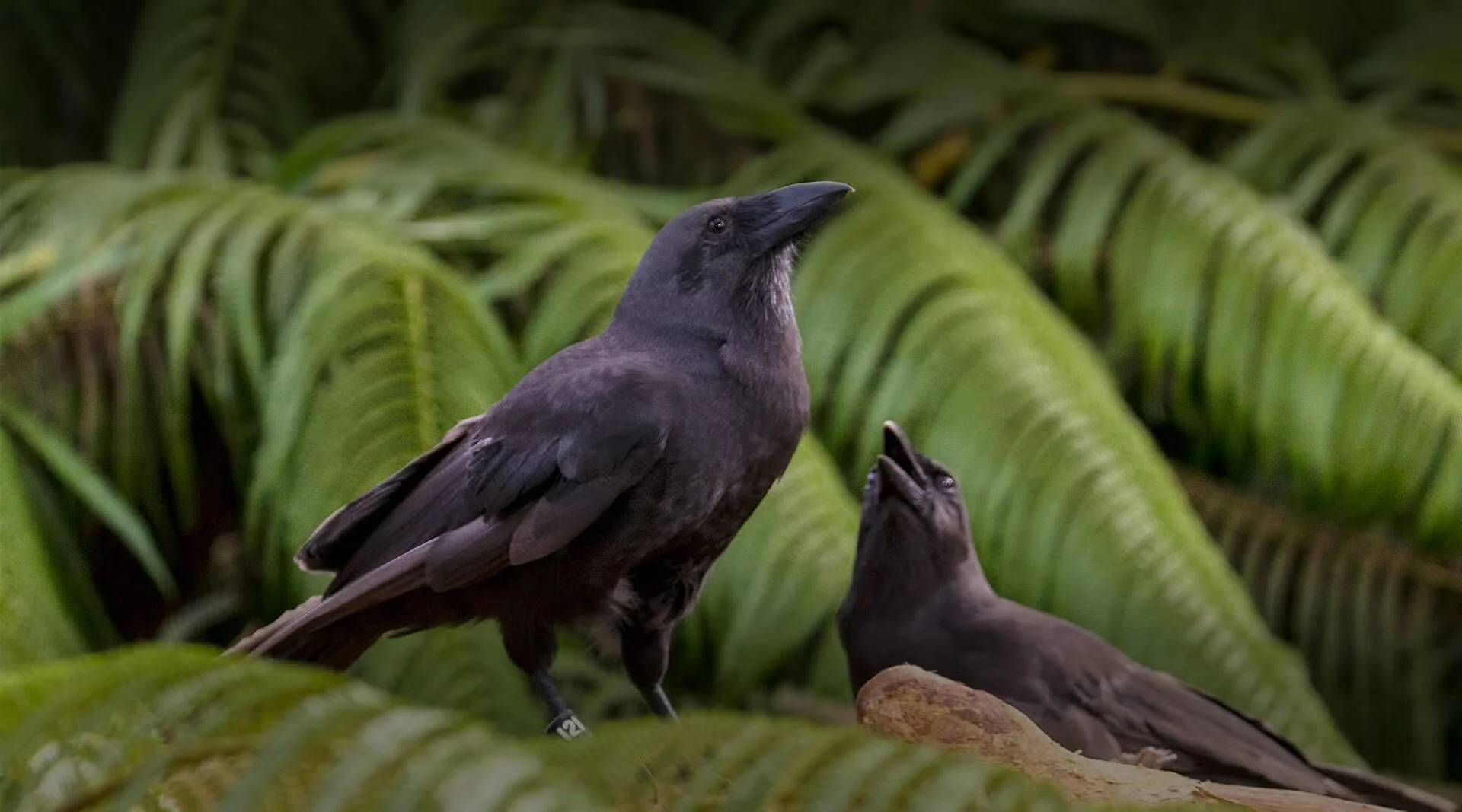
The ʻalalā or Hawaiian crow (Corvus hawaiiensis).
Upon his arrival to the island of Hawaiʻi in 1778, Captain Cook was told of two tame ʻalalā in the nearby village of Ka‘awaloa. More specifically, he was told not to bother them. Naturally, then, he attempted to buy them.
Despite its sombre appearance, the ʻalalā was not an ill omen among Native Hawaiians but a highly regarded bird. Some, for instance, considered it an ‘aumakua; a personal or family god. Predictably, Cook's request to purchase the sacred birds was denied.
The ʻalalā was also believed to guide the souls of the dead, taking them to their final resting place at the Ka Lae cliffs, the southernmost tip of Hawaiʻi. But as the last century saw the island of Hawaiʻi flooded by the living, these guides of the dead became scarce.
The story of the ʻalalā is a fitting way to close out this section on extinction, for it faced nearly every threat we've seen so far, all at the same time. It lost its habitat and food to farms and ranches, it was shot at and poisoned as a pest, it was snared for its glossy feathers, it was preyed upon by invasive cats and mongooses, it succumbed to diseases like avian pox and malaria. You'd expect a clever, generalist species to be especially adaptable and resilient in the face of such threats — after all, crows are seen as one of the few "winners" in our increasingly anthropocentric world. It goes to show just how relentless the attack on the ʻalalā was. Even this most-intelligent of crows couldn’t withstand such an ecological assault, coming from so many directions at once, battering a naturally small island population, until eventually, in 2002, the last Hawaiian crow was driven to extinction in the wild.
The ʻalalā wasn't unique in this regard. While I've highlighted specific threats to specific species — the ʻōʻū fell to avian malaria, the ʻula-ʻai-hawane vanished when its palms were cleared, the Laysan rail was undone by rabbits and rats — it's almost never a single threat that drives a species to extinction, but the cumulative weight of several.
If one wanted a guide to ecological collapse, modern-day Hawaiʻi would make a compelling case study.
The level of extinction across the archipelago is all the more distressing in light of Gruner's spider study. What happens to Hawaiʻi's forests when native birds completely disappear? Over the last 20 years, Hawaiʻi has seen a noticeable increase in non-native spiders, especially in kīpuka and other fragmented habitats. Without the birds, the trees may well become fortresses of webs, teeming with spiders. This arachnophobe's nightmare isn't just a hypothetical, it's exactly what happened to the forests of Guam after the invasive brown tree snake wiped out most of the native birds.
But what about the warbling white-eyes, who help control invasive spider populations? What about the cardinals, finches, or even coquí frogs? Introduced rats, who are responsible for felling many of Hawaiʻi’s lowland forests, have, ironically, been found to act as potential seed dispersers in the absence of native dispersers.
Some invasive species could potentially replace extinct native ones, maybe even successfully take over their roles and regulate other invasive species (although our intentional attempts to do the latter have failed far more often than succeeded). But if we reach that point, when it's all just invaders fighting invaders, what kind of ecosystem would they be defending? Not a Hawaiian one.
———
The Meaning of Loss
Go for a hike on any of the major islands and, especially in the lowlands, you'll see far fewer Hawaiian species than those that have recently been introduced by humans. Many of them are the same invasives you'd encounter across much of the planet: common mynas, cane toads, and small Indian mongooses — all on the 100 of the World's Worst Invasive Alien Species list.
Although it's not one-to-one, a comparison can be drawn between the global uptick of invasive species and the worldwide dilution of local cultures by large chains and corporations. Both are consequences of globalisation's homogenising effect, removing the things that make a place unique and replacing them with the same things found everywhere else.
New McDonald's pop up to replace locally run restaurants in Nairobi, Suva, and Honolulu. In those same places, invasives like common mynas and house sparrows have replaced unique, local birdlife. In Nairobi, the black-and-yellow baglafecht weavers are less often seen in city parks, displaced by bold flocks of house sparrows. In Suva, the capital of Fiji, endemic golden fruit doves are pushed into shrinking forest patches as mynas dominate gardens and urban greenery. And in Honolulu, well, you'd be fairly lucky to find any honeycreepers, but you will see plenty of invasive red-crested cardinals, zebra doves, and mynas.
Why does it matter that native species go extinct, if they'll just be replaced by introduced ones anyway?
One answer, to continue with the restaurant analogy, is that when we travel somewhere, we don't want our only option to be McDonald's or some other global franchise; we want to experience new foods unique to that place. We don't want the local restaurants in our own cities or towns to be replaced by cookie-cutter franchises pumped out by conglomerates. We don't want to lose the things that make our homes unique.
For the same reasons, we wouldn't want to lose the birdsong that has defined a place for millennia. In Hawaiʻi, it's the ʻiʻiwi's whistling call through the forests or the dawn chorus of native honeycreepers in high-elevation ʻōhiʻa groves. These sounds are part of a place's identity. Replacing them with the squawk of common mynas or the chirp of house sparrows is like replacing a traditional slack-key guitar performance with elevator music. There's still a tune, sure, but it’s generic and out of place.
Where we’d once spot ʻakiapōlāʻaus using their multi-tool beaks to drill and extract beetle larvae from tree bark, or stylish ʻākohekohes with sweeping feather crests flitting through highland forests, we now see warbling white-eyes crowding the canopies, we see rose-ringed parakeets squawking from the rooftops of Honolulu, just as they do in London, Mumbai, and Cape Town, and common mynas dominating urban parks, like you'd see in New Zealand, Australia, South Africa and Madagascar.
The successful invasives are often the most adaptable species, and so they are abundant and they are everywhere. Often maligned and labelled pests, the invasives themselves aren't to blame — they're only trying to do what any species would: survive and reproduce. They just happen to be very good at doing that in the world we’ve created. But while we cannot hold them to blame, their adaptability, combined with our own ability to move species between continents and islands, has turned these invasives into a great homogenising force.
Spreading invasives are another consequence of globalisation. In one scenario, we lose cultural heritage. In the other, we lose natural heritage. And since the two are so often intertwined, with nature forming an indispensable part of local identity, the loss of one is the loss of the other. To lose the ʻio (Hawaiian hawk) is to lose a symbol of royalty and, to some families, their ‘aumakua (spiritual guardian); to lose the kōlea (Pacific golden plover) is to lose the voyager whose seasonal arrival marks the change of seasons; and the loss of the ʻalalā (Hawaiian crow), the guide that leads souls to their final resting place, has meant an island of restless, wandering ghosts.
But things are rarely that simple. When two cultures meet and their elements blend together, the result can be something unique and wonderful. An introduced species can, likewise, become an integral part of an ecosystem. And there are few better examples than the pueo; Hawaii’s only living native owl.
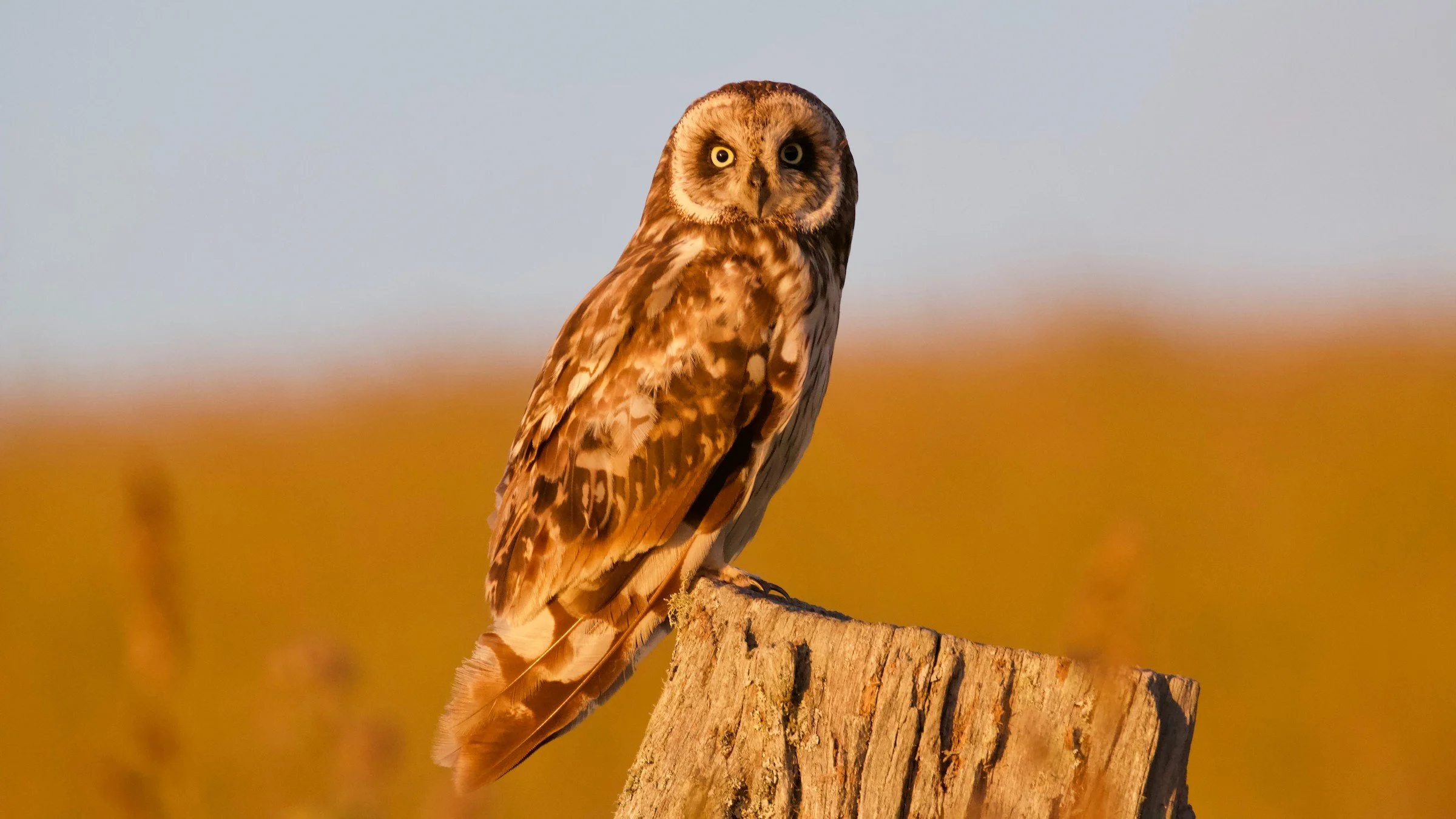
A pueo (Asio flammeus sandwichensis), a Hawaiian subspecies of the short-eared owl.
Believed to have arrived with prehistoric humans, the pueo is considered an endemic subspecies of the widespread short-eared owl, isolated so recently that it's yet to fully diverge from its mainland population. Nonetheless, it found its place in the Hawaiian ecosystem hunting rodents by daylight, a niche that only opened up with the arrival of humans. It found its place in Hawaiian culture as an ‘aumakua, like the long-native 'io (Hawaiian hawk), a protective spirit, and a character in moʻolelo stories. The pueo blurs the line between what constitutes a native species and an invasive one. It is considered a Hawaiian native, by most. The barn owl, meanwhile, introduced in the 1950s, likewise a rodent-hunter, is considered an invader.
So what makes a species native, and what makes it invasive? Is it how long it's been present in a place? If so, Polynesian rats and dogs would be just as native as the pueo. Is it how well it fits into the ecosystem? That seems a solid metric, but it's complicated, again, by cases like the pueo, whose role depends heavily on invasive prey species. Is it how disruptive a species is? Would the pueo preying on endangered Hawaiian stilts, driving them closer to extinction, be considered disruptive? Is it how the species got to the place; by its own volition, rather than with our help? Perhaps. But does that mean any species that, at some point, hitched a ride with us could never become native? The dingo of Australia would disagree.
In 1982, five Hawaiʻi ʻōʻō (a honeyeater species endemic to the Big Island) were released into the mountains of Kauaʻi. At this point, the Kauaʻi ʻōʻō was still fairly common, and the hope with this introduction was to give the Hawaiian species a better chance of survival on mongoose-free Kauaʻi. The Hawaiʻi ʻōʻō did not survive — none of the Hawaiian honeyeaters did — but if this refugee species did succeed in establishing itself on Kauaʻi, would it have been considered invasive?
Ultimately, "native" and "invasive" are labels humans have stuck to various species for various reasons. Is the species new and destructive? Then it's invasive. New and benign? Then it's just introduced, or naturalised. Have we deemed that it's integrated enough? Perhaps, then, it's native. Often, it simply comes down to how much we like the species.
Ecosystems themselves aren't as clear-cut as we like to make them seem. Islands may seem like their own planets, isolated in an oceanic galaxy, but they're not separated by an impassible vacuum. New species cross their boundaries, and if they're successful or lucky enough, change their ecosystems. We may like clear borders and labels, but nature doesn't much care about our need for neatness. Sometimes, the difference is less about ecology than it is about our perception of it.
In the end, what does it mean to lose a native species, and to have its place taken by an invasive? It could mean a danger, through competition or predation, to other native species, and a disbalancing of an ecosystem's equilibrium. It could mean a new debilitating disease or a threat to our food supply. It means a less unique place, a loss of human culture and history. And, of course, it means the extinction of that species itself; everything that made it unique, interesting, beautiful or strange, the mysteries it could have revealed about the natural world, and the millions of years of its evolutionary history — gone. A world that’s a little less diverse, a little less interesting, just a little less. But that's not always the case. It’s complicated, the pueo reminds us.
Hawaiʻi's avian fauna, once among the most unique and diverse in the world, is now either going (ʻelepaios, ʻiʻiwi, and Hawaiian duck), nearly gone (ʻakiapōlāʻau, ʻakikiki, and ʻakohekohe), or already extinct (the rails and honeyeaters; the ʻōʻū, poʻouli, and Hawaiʻi mamo).
The story of humans in Hawaiʻi spans more than 1,000 years. It can be told from many perspectives: geological, mythological, cultural, and historical. From the perspective of ecology — the perspective of the diverse and unique species that once made up Hawaiʻi's ecosystems — the tale takes the form of a tragedy. Hawaiʻi, today, is known as the “extinction capital of the world.” It is a case study in ecological collapse. And it may well foreshadow the future of ecosystems across the world.
———
Making Islands
As so dramatically demonstrated by kīpuka, islands can be made — isolation can be achieved — in a myriad of ways, not only exile at sea.
A mountain peak is an island jutting above an ocean of lowlands, its high-altitude inhabitants isolated by their inability to live in the vastly different climates and habitats below. A lake or pond, encircled by dry land, is an inversion of a typical island, yet it is an island nonetheless to those aquatic creatures that live within it. A reef below the ocean's surface is a vibrant island surrounded by miles of open water. An oasis is an island surrounded by an arid sand sea. As are the patches of forest enveloped by searing streams of lava.
Natural forces can create ecological islands over millions of years or, occasionally, in the span of a few hours. However, in the past few hundred years, we, the human species, have been making islands of our own — and we’ve done it by fracturing much of the world into pieces.
An urban park is an island of greenery hemmed in by concrete, metal and glass. Kapiolani Park, for example, situated within the city of Honolulu, is an island amidst urbanity for various creatures (primarily introduced birds, lizards, and insects). Keālia Pond, a seasonal wetland along the coast of Maui, is a natural refuge between two towns; an island for waterbirds like aeʻo (Hawaiian stilts) and ʻalae keʻokeʻo (Hawaiian coots). The Puʻu Waʻawaʻa Forest Reserve, located on an ancient cinder cone on the island of Hawaiʻi, is an island sanctuary by virtue of its management: non-native plants are removed and invasive species are kept out, creating a safer space — for the iʻiwi, ʻio, and hoary bat — within a sea of dangers.
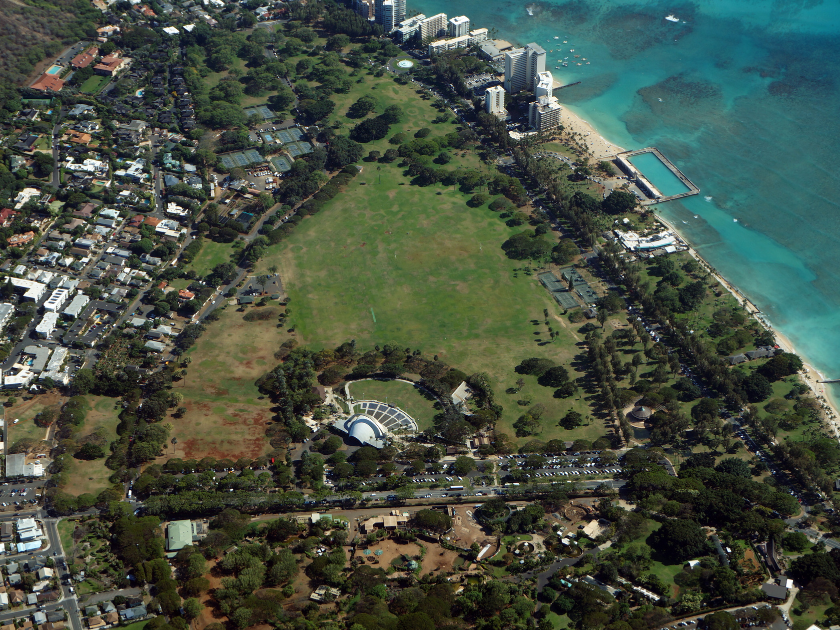
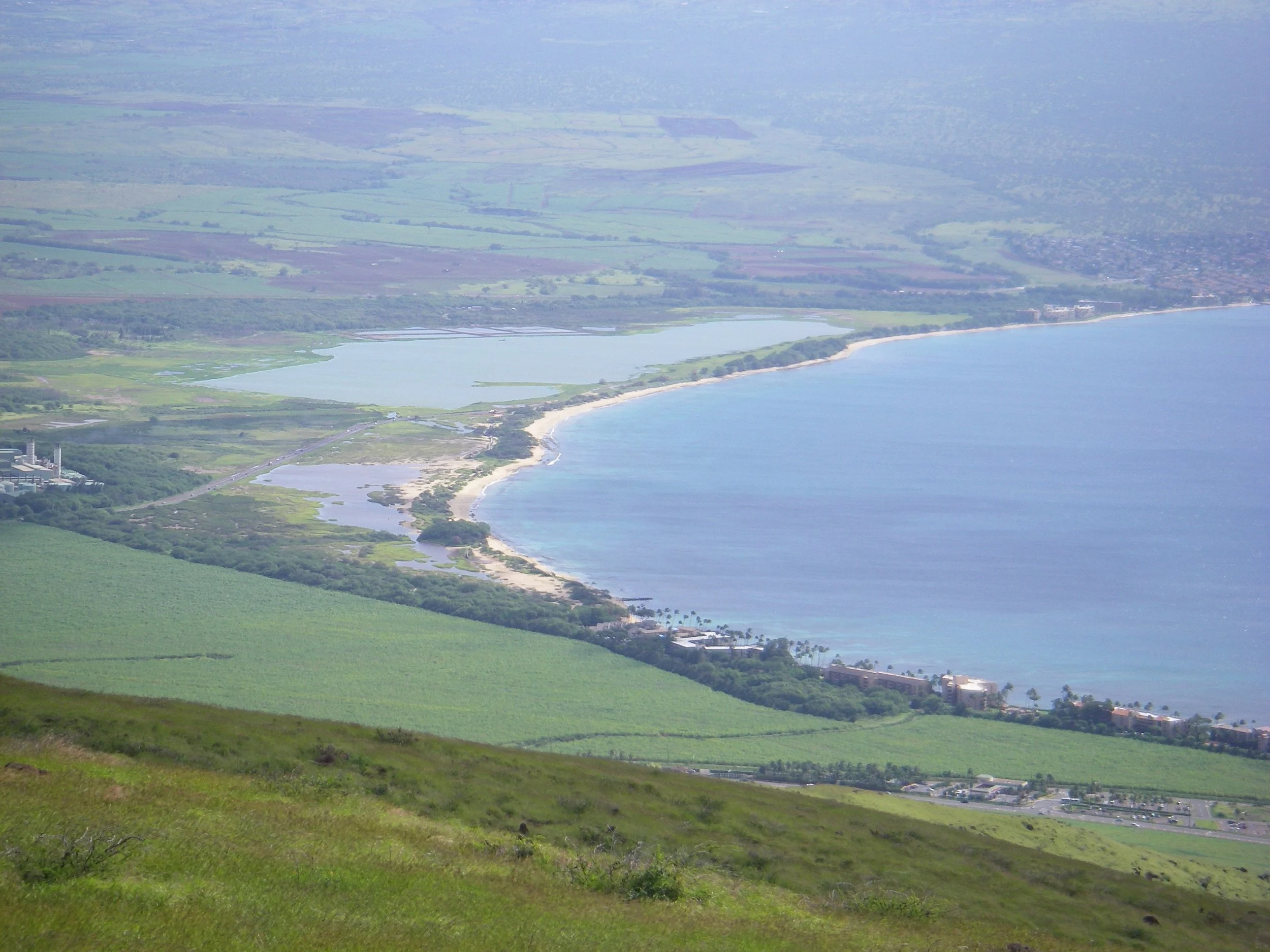
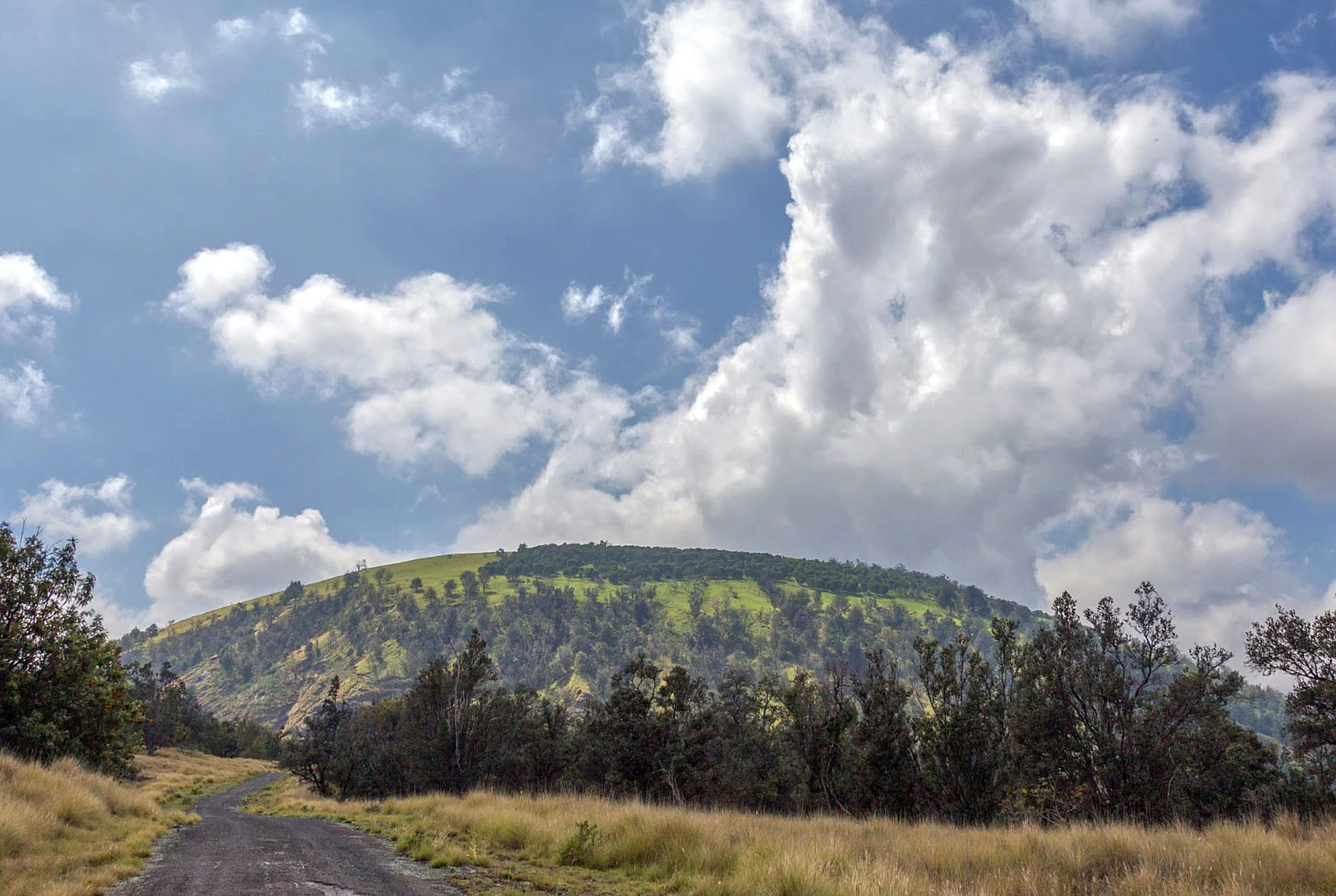
When it comes to shaping the environment, we yield far more power than a lava flow. Yet, unlike a volcano, we’re conscious of the changes we cause. We create smaller and smaller islands out of once-interconnected habitats. Is that a problem, and if it is, why?
———
The Vulnerability of Islands
Islands are wonderful.
In their isolation, they give rise to new, often marvellous species. At the same time, they host simpler ecologies that allow for easier study. It’s hard to overestimate the scientific impact of islands. It was, after all, a set of islands that planted the seed for a revolutionary theory in the head of a young Charles Darwin. At the same time, their isolation, their size, and the relative simplicity of their ecologies — the very traits that make islands so intriguing and convenient to study — come at a cost.
In 1967, biologist Edward O. Wilson and ecologist Robert MacArthur published a book titled The Theory of Island Biogeography, wherein they outlined some of the foundational principles of island biogeography and ecology.
When it comes to the biodiversity of an island, the two most important factors, the authors stated, are distance (of the island from the mainland) and area (of the island itself). For self-evident reasons, the farther an island is from the mainland, the lower the immigration rate — put simply, fewer new species find their way to the island. And the smaller an island's area, the smaller the diversity of species it can support. It makes intuitive sense that a place with less land, and thus with less space and fewer resources, would host smaller populations. But a smaller island won't just host smaller populations of the same species, as compared to a larger island, it will support fewer types of species too. Species populations won't just decrease as area decreases, some of the species will disappear.
Why should that be the case?
A smaller area supports smaller populations, and smaller populations are more susceptible to disasters, disease, and decline. Eventually, some species will decline to such small populations that extinction is one bad event away. Then that bad event happens and they’re gone, and the ecosystem becomes a little less biodiverse.
A single storm or flu outbreak would have no chance of endangering, much less driving to extinction, a species like the American crow. Its range covers much of North America, from the forests of Canada to the border of Mexico, and it thrives in woodlands, fields, farms, towns, and urban parks. It is a generalist, both in habitat and diet, and it is so widespread that no local disaster can affect the entire species, its total population at nearly 30 million.
The ʻalalā, meanwhile, lived only on the island of Hawaiʻi, and then only in certain dry forest habitats. Its range was small, and its population, even in the best of times, was never large. That made it fragile.
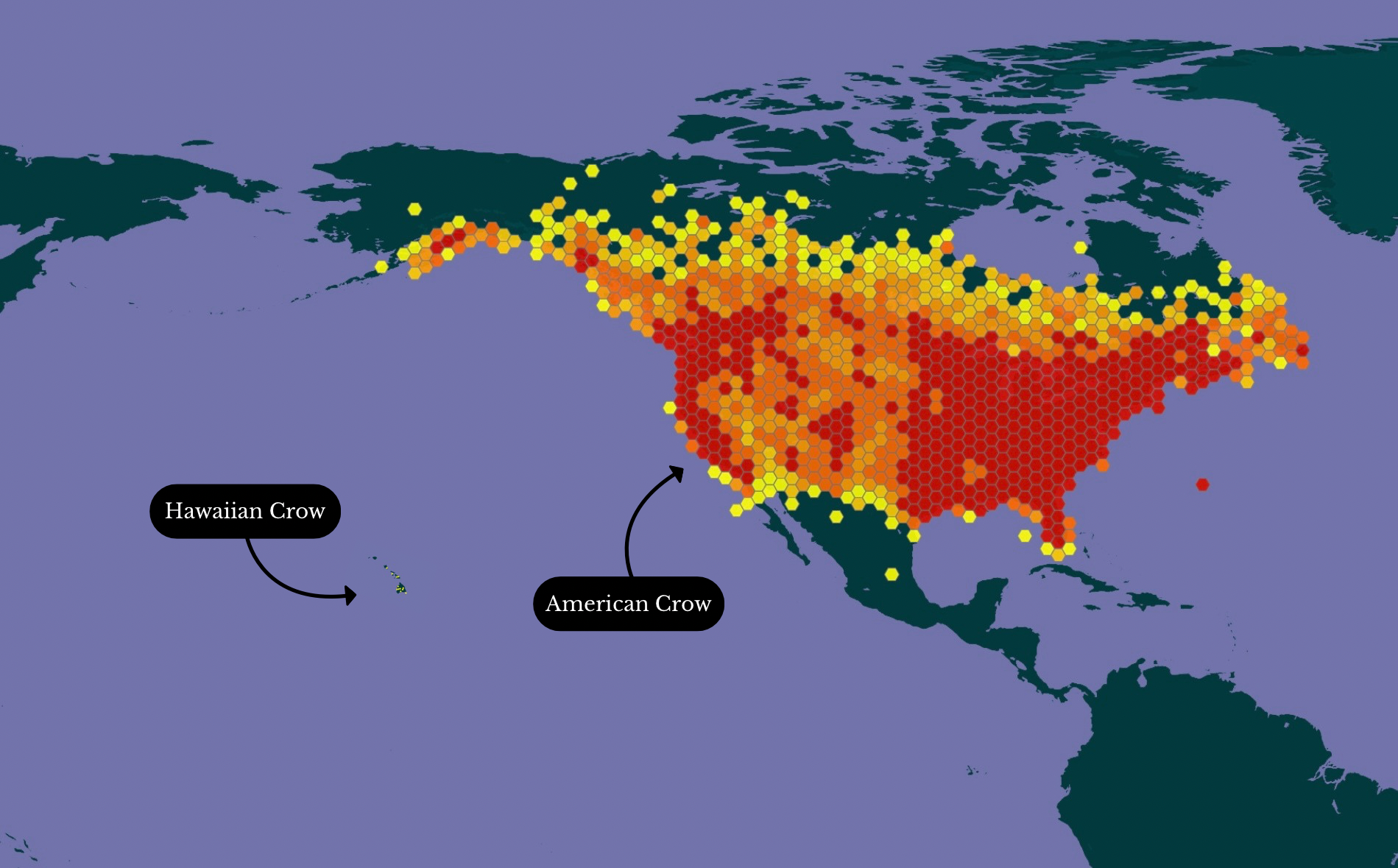
(© GBIF — Hawaiian crow & American crow)
Due to the chance nature of births and deaths, population sizes naturally fluctuate up and down — this is known as demographic stochasticity. The American crow population can fluctuate up and down by 5 million individuals and the species would be in no peril. But the fewer individuals there are, the fewer can be lost before the entire species becomes imperilled. So when a species fluctuates between, say, 100 and 80 individuals, those 20 individuals could mean the difference between survival and extinction.
A single freak wildfire could scorch most of its habitat, leaving the species with nowhere to live and nothing to eat (exactly this happened to the Kangaroo Island dunnart of Australia). Avian malaria, pox, toxoplasmosis — an outbreak that kills off a single population on the mainland can take out most of an island species. And, by nature of living on an island, the ʻalalā had limited options for expansion or escape.
Despite being the same species, when pooled together, the 30 million American crows would display a great amount of genetic diversity. The larger the population of a species, the larger the genepool. The larger the genepool, the greater the genetic variation. And genetic variation is the stuff of evolution; without it species would never change.
Of course, not every change in a species’ genome is beneficial. In fact, given that mutations are random, and species are already evolved to suit their particular environments, most changes are likely to be either neutral or detrimental. But if the environment were to change from what a species’ ancestors experienced — as is happening practically everywhere today — a species with greater genetic variation stands a better chance of surviving. That’s what being adaptable means. Within a diverse gene pool, there may already exist individuals with traits better suited to the new conditions.
In that way, genetic diversity acts as a kind of evolutionary insurance; allowing natural selection to work with what's already present rather than waiting for the “right” mutation to arise. And even if the right adaptation doesn’t already exist, by the luck of sheer numbers, it’s more likely to emerge within a species of 30 million individuals than 100.
In species with small populations, with low genetic diversity, the necessary mutation often doesn’t arise in time. If the ʻalalā had a population as large as that of the American crow, perhaps some individual would have evolved, or already had, the necessary mutation to survive in a human-dominated world.
To make matters worse, a small population becomes a compounding problem. Vulnerable, the species loses members — to predation, hunting, disaster, or disease — thus shrinking further, and becoming even more vulnerable. With fewer mates, reproduction slows. With less genetic diversity, each new generation is more uniform and less adaptable. Every bad year hits worse than the last and the species enters a self-reinforcing loop; an extinction vortex. And once it begins, it's very difficult to stop. By 1976, there were less than 100 ʻalalā left in the wild. Fewer than 20 remained in the late 1990s.
Then there are just a handful of breeding individuals left. One couple perishes in a wildfire. Another succumbs to avian pox. The last pair have their nest raided by rats who eat all their eggs. Before they can breed again, one of them is caught and killed by a feral cat. And just like that, the ʻalalā is gone from the wild. The described series of events, while purely hypothetical, is entirely plausible for a species down in the double digits.
No ʻalalā arrived from nearby islands to bolster the dying population on Hawaiʻi, because none existed. And even if we substitute a species like the pueo, with existing conspecifics on mainland North America, what are the chances that those owls would make it to Hawaiʻi again anytime soon without human intervention? Very slim. Isolation matters.
To summarise, the American crow endures because it is numerous, adaptable, mobile, and composed of countless metapopulations. The ʻalalā vanished from the wild because it was few, uniform, trapped, and isolated.
———
According to the theory of biogeography, an island ecosystem eventually settles at an equilibrium: a balance between immigration/speciation and extinction. This balance determines an island's biodiversity.
Smaller and more isolated islands, which experience more extinction, and less immigration and speciation, tend to settle on having fewer species and thus less diverse ecosystems.
A more diverse ecosystem usually means a more stable and resilient ecosystem. A major reason for this is functional redundancy.
If, for whatever reason, one species happened to die out or greatly decrease in number, there would be others to fill its ecological role. The loss of one pollinator species, for instance, is less catastrophic in a diverse system because another pollinator might exist to take up its job — like having ecological back-up players. Greater biodiversity, then, acts as a buffer against ecological collapse, helping ecosystems withstand and recover from disturbances. Inversely, the less diverse an ecosystem, the less adaptable it is to change — the only constant in an anthropocentric world — and, should any part of it fail, the more likely it is to topple in an ecological cascade.
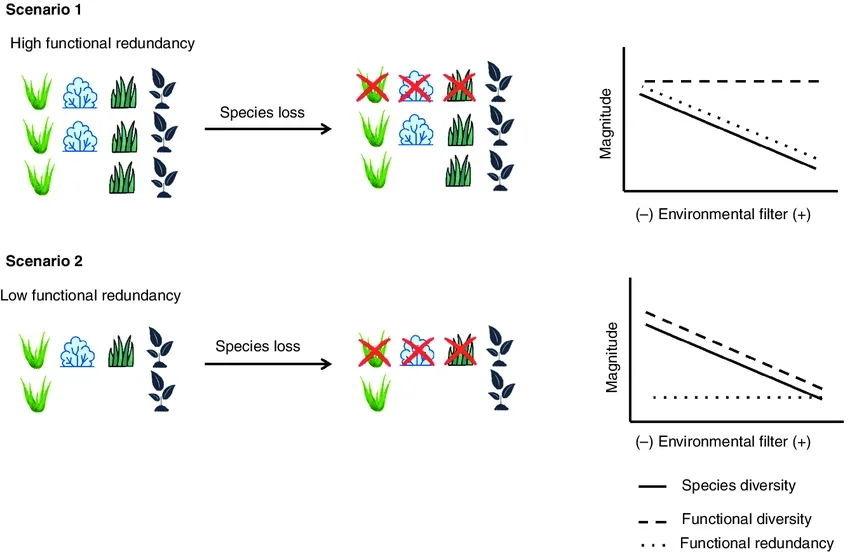
“Conceptual diagram showing how functional redundancy can aid in the maintenance of functional diversity. In Scenario 1, high functional redundancy increases the likelihood of losing functionally redundant rather than functionally unique species/individuals, thus resulting in a decrease in functional redundancy, but not in functional diversity. In Scenario 2, low functional redundancy does not prevent the loss of functional diversity.”
As humans colonised isolated islands across the globe, the species on those islands began to vanish at alarming speeds. "Since prehistoric times, extinction rates of birds on oceanic islands have vastly exceeded rates on continents,” writes palaeontologist and ornithologist David Steadman. “The [prehistoric] loss of birdlife in the tropical Pacific may exceed 2000 species…and thus represents a 20 percent worldwide reduction in the number of species of birds. The current global extinction crisis therefore has historic precedent.”
Humanity’s scourging of the world's islands didn’t begin in the past couple hundred years with the advent of industrial colonialism and increased globalisation (although it was certainly accelerated by them). “On tropical Pacific islands, a human-caused "biodiversity crisis" began thousands of years ago and has nearly run its course.” (Steadman, 1995) We are nearer to the end of the crisis than its beginning, whatever that end may be.
In the past 500 years, 75% of bird, mammal, reptile and amphibian extinctions have occurred on islands. Today, we transform increasingly large swaths of the mainland into islands amidst an inhospitable sea of humanity. And these “islands” share many of the same vulnerabilities as their oceanic counterparts.
The Theory of Island Biogeography was originally developed to explain patterns of species richness on oceanic islands — how colonisation, extinction, isolation, and size shape island biodiversity. But, it has since been applied to ecological islands too, especially those that we ourselves create.
———
Man-made Islands
“There is no solution available, I assure you, to save Earth’s biodiversity other than the preservation of natural environments in reserves large enough to maintain wild populations sustainably. Only Nature can serve as the planetary ark.” — Edward O. Wilson
In 2016, many years after the publication of The Theory of Island Biogeography, Edward O. Wilson published a book called Half-Earth in which he proposed a plan for preserving our planet's biodiversity: dedicate half the Earth's surface to a human-free natural reserve.
By this, he obviously didn't mean that we should cordon off the planet at the halfway point — not a literal split down a longitudinal line, turning everything between London and Fiji into a natural reserve. The reserves would be dotted across the whole world, not unlike islands dotting the oceans, and they’d be specifically located in areas where they'd have the most impact. Even then, it seems like a radical idea. A full HALF of the entire planet, not accessible to us? It seems less radical when we reflect, once again, that while we may be quite special, we are still just a single species. Leaving half the Earth to the other 8 million plus doesn't seem like such a big ask.
Whether or not we decide to "give up" half of the Earth, we still need to dedicate some space to wildlife if we don't want hundreds of thousands if not millions of species to go extinct.
The questions we need to ask are: how much space, which space, and how do we protect it?
In 2010, the Convention on Biological Diversity (CBD) set a target to protect 17% of the world’s land area and 10% of the oceans by the year 2020.
As of 2025, roughly 17% of terrestrial areas have been brought under some form of protection, meeting the original land-based target, if a little late. As for the oceans, protected areas cover about 8%, but only around 3% is considered to be adequately protected.
The next target is 30% of the planet (land plus sea) by 2030 — the “30 by 30” goal. But exactly how much of the planet do we need to commit to ensure the preservation of biodiversity into the far future?
A 2022 study published in Science says that stopping at 30% isn’t enough. The authors propose that, if we want to preserve most of our biodiversity, we must protect 44% of Earth’s land area; around 64 million square kilometers (24.7 million square miles) or larger than all of Africa and South America combined. We have to do it quickly, and, more importantly, selectively. And the less space we’re willing to dedicate to reserves, the better planned our reserves must be.
Unfortunately, we tend to bestow protection based on convenience — protecting those areas we’re most willing to set aside, which usually have the least material/economical value — rather than considering which areas would be the most effective for conservation. “The predilection of national governments is to protect areas that are “wild,” that is, typically remote, cold, or arid. Unfortunately, those areas often hold relatively few species.” (Pimm, et al., 2018)
The International Union for Conservation of Nature (IUCN) reviewed the land we’ve so far chosen to protect, concluding that, if the protected areas had been better allocated, “there could have been a 37-fold improvement in the number of species conserved” and that “only one-fifth of areas identified as the most important for biodiversity are fully protected.” It’s not enough to just portion off a certain percentage of the planet, it has to be the right percentage.
How do we decide what the right areas are?
There are several factors to consider when planning the location of a reserve, ranging from urgency, to distinctiveness, admiration, and feasibility.
Let’s start with urgency, for that feels fitting.
It seems that species and their habitats are in peril everywhere. One approach to creating reserves is to focus on those species and places that are most under threat — those most likely to disappear the soonest with no intervention.
That seems prudent, but what if the most threatened species aren’t all that special?
Take, for example, the Kihansi spray toad. It was endemic to a two-hectare (5-acre) area at the base of the Kihansi River waterfall in Tanzania. When the Kihansi Dam was built in 1999, reducing the amount of water that reached the road’s habitat, the species was certainly in urgent peril — soon after it went extinct in the wild. Should this toad have been a top conservation priority?
It belonged to the genus Nectophrynoides along with 12 other toad species found across Tanzania, and while they aren’t all identical, they are fairly similar: all small and ovoviviparous, most sexually dimorphic, with more colour variety present within any one species than between them. Should conservation efforts have been diverted to saving the Kihansi spray toad, when it has a similar sister species, Tornier's forest toad, that’s doing just fine?
Perhaps it's more prudent to invest in conserving species like the kagu of New Caledonia, which is endangered and completely alone in its entire family, or the tuatara, whose extinction risks the loss of an entire reptilian order. There’s certainly an argument to be made for focusing efforts on the most unique species and habitats, for what is the purpose of conservation if not to preserve the richness and variety of nature?
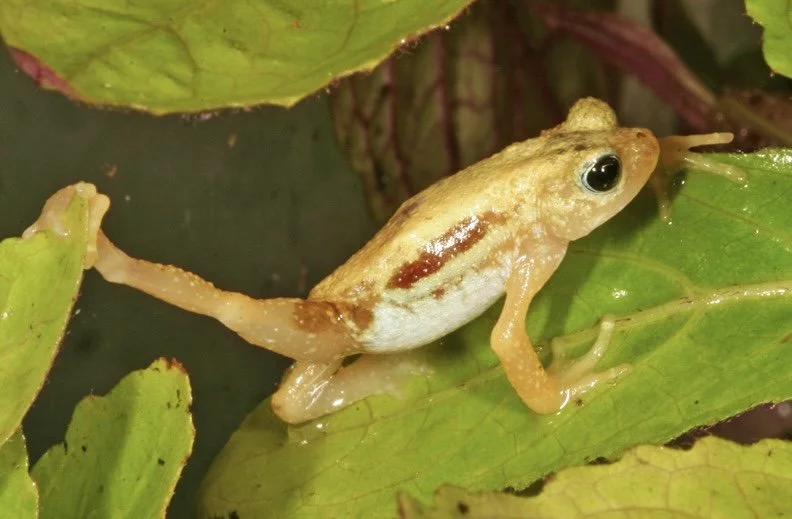
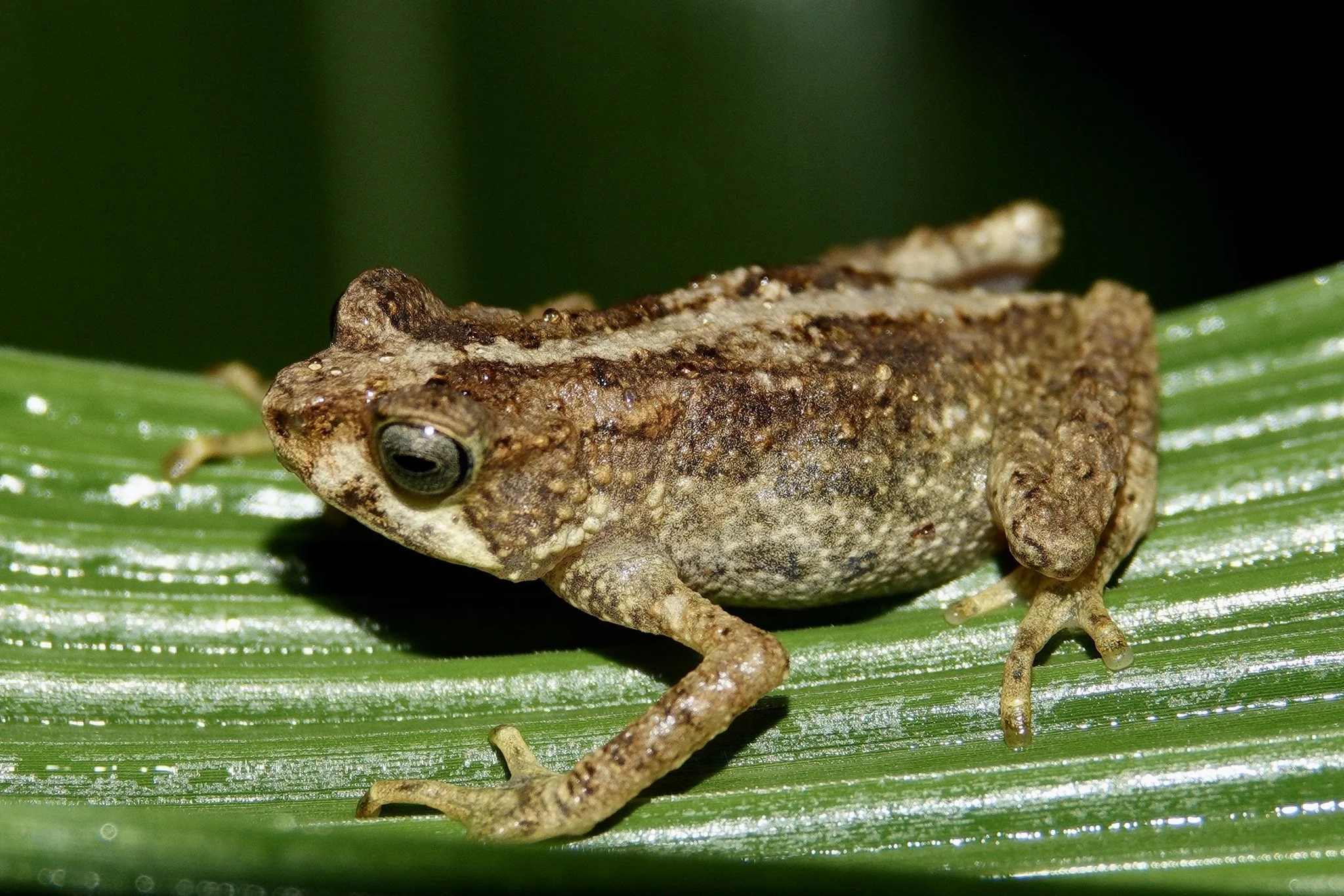
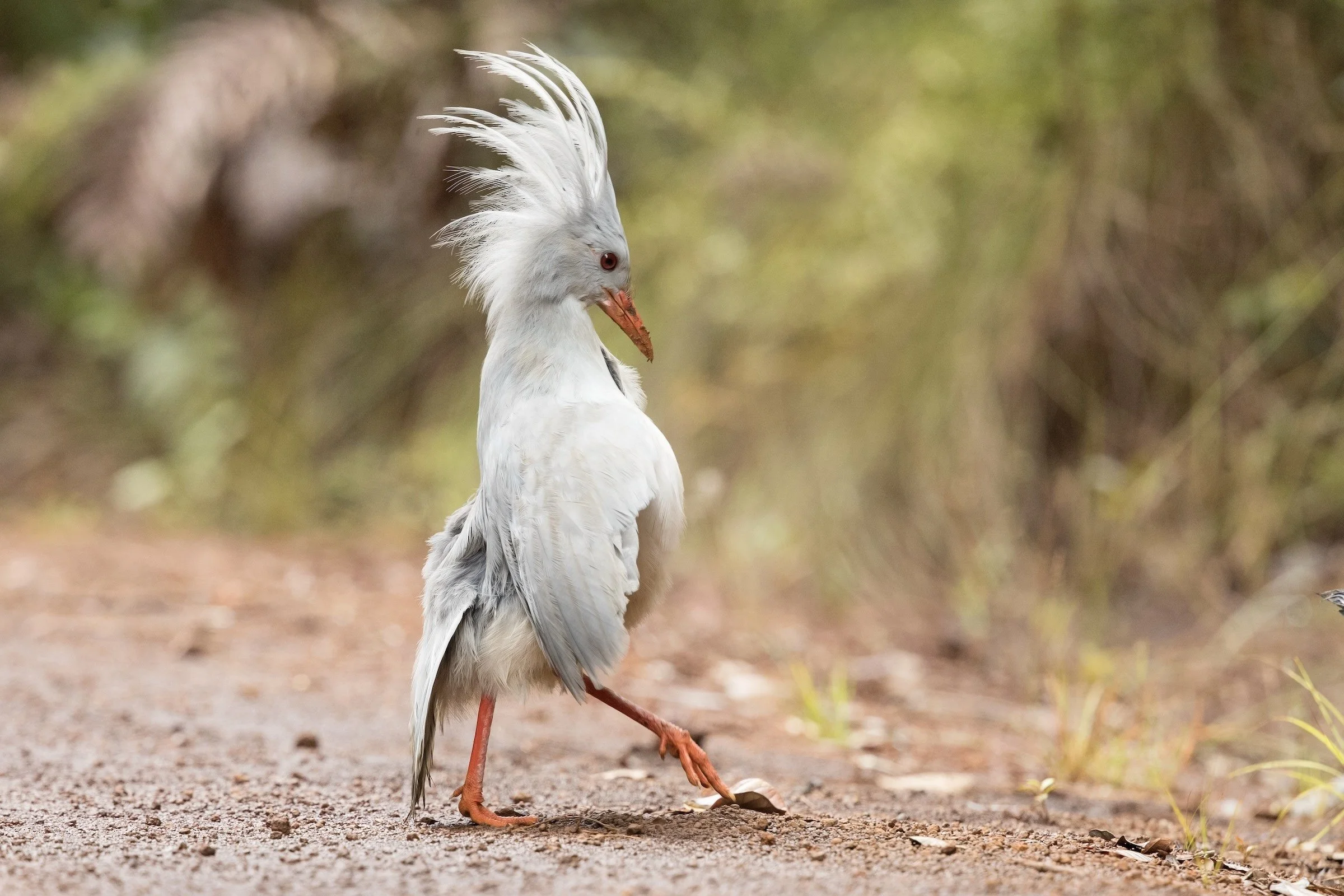
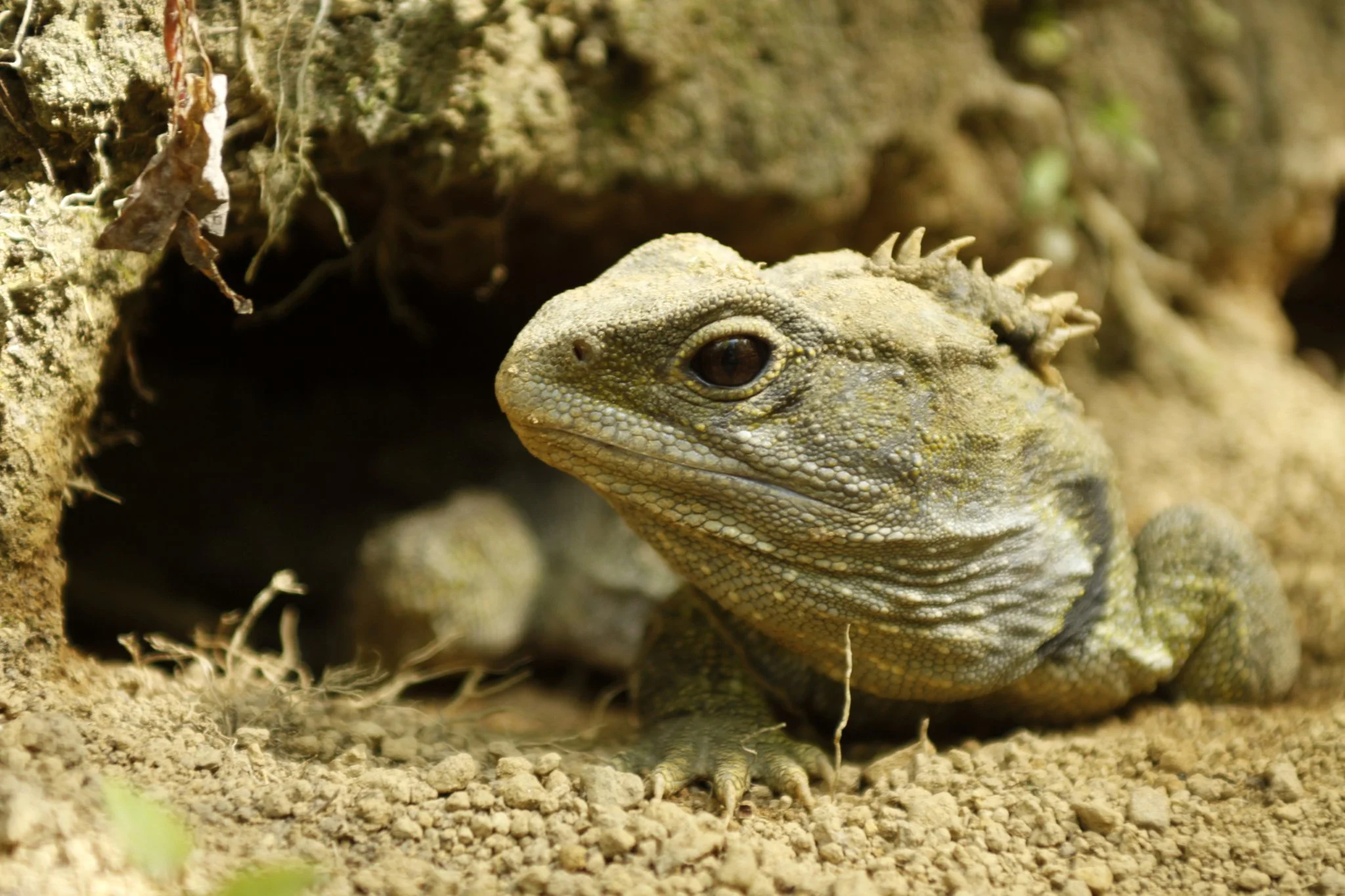
But we must also consider the practicalities of taking action.
Resources for conservation, for the expensive creation and running of reserves, are far from unlimited. Time moves forward. Decisions must be made. There are many, many species in peril and not nearly enough conservationists to match them. This is ultimately why it’s so important to have a framework for creating reserves; we have to prioritize, because, unfortunately, we can’t save all species everywhere. That’s not ideal, but sometimes ideal must give way to the feasible and the cost effective, in order to produce the best possible outcomes.
China, for instance, has many threatened species — from the Yangtze giant softshell turtle, to the Hainan gibbon, the Chinese alligator, and crested tern — but by far its most well-funded efforts go towards saving the giant panda. Would it be ideal to invest as many resources and funds into each and every threatened species? Yes, sure. But unfortunately it's just not realistic. The focus on the giant panda is a strategic prioritisation.
One way to make a conservation effort more feasible is to increase public support for it.
Sometimes, what motivates the creation of a reserve is a single charismatic species under threat. The giant panda, Bengal tiger, black rhino, mountain gorilla — these flagship species capture public imagination, which in turn drives political will and ultimately funding for the creation and maintenance of reserves. Additionally, these charismatic megafauna often act as “umbrella species,” stretching their parasol of protection over other, often less charismatic species in their ecosystems.
The giant panda’s popularity secured immense funding, but the reserves established for its protection also safeguard over 70 other threatened species, including red pandas, golden snub-nosed monkeys, and takin. To take another example, the Bengal tiger requires large and intact stretches of forest with functioning ecologies of prey species to survive. Any reserve that effectively protects the Bengal tiger also protects vulnerable gaur and endangered dholes, serpent-eagles and frogmouths, king cobras, gliding frogs, and forest scorpions — species that, on their own, would likely attract little conservation attention.

Giant Panda
(© Joachim S. Müller / iNaturalist)
Red Panda
(© pfaucher / iNaturalist)
Golden Snub-nosed Monkey
(© 武亦乾 Yiqian Wu / iNaturalist)

Takin
(© Nian-Hong Jang-Liaw / iNturalist)

Bengal Tiger
(© girishdv / iNaturalist)
Dhole
(© Kedar / iNaturalist)

Guar
(© Håvard Rosenlund / iNaturalist)

Winged Gliding Frog
(© Saurabh Sawant / iNaturalist)
An opposite approach, focused not on a single species but on all, is used to designate the Key Biodiversity Areas (KBAs). These are regions that “contribute significantly to the planet’s biodiversity and overall health” of which 16,589 have been identified by the IUCN at time of writing. This approach peers through the lens of biodiversity to find those regions that host the largest number of species in the smallest areas.
Rainforests cover just 8% of the Earth’s land surface, but are home to an estimated 50% of the world’s terrestrial species. Coral reefs, while covering just 0.2% of the ocean floor, host 25% of all marine life. If we want reserves to protect as many species as possible, it's these places — the rainforests of the Amazon, Congo, and New Guinea, the Great Barrier Reef and those of the Coral Triangle — that we should prioritise.
I called this ‘biodiversity-based’ approach the opposite of the ‘flagship species’ approach, since it counts all species in an area equally. But it's only opposite at a surface level, because the biodiversity approach often encompasses several of the previous approaches. Highly biodiverse places, by virtue of hosting so many species, are home to an overwhelming number of charismatic, unique, and urgently threatened species.
The dense biodiversity of such places is at the same time disconcerting and hopeful. Disconcerting because so much is lost with every acre gone — an estimated 137 species of plants and animals go extinct from deforestation every day, making rainforest loss the leading driver of global biodiversity loss. But their richness is also hopeful because, if we can effectively protect these relatively small biomes, we protect much of Earth’s biodiversity.
The best approach, however, is one that considers all of these factors. It’s an approach that dictates immediate action by level of urgency, by the threat to a place and its species, measured and balanced against uniqueness, public appeal, and how likely we are to actually achieve their protection.
To make such evaluations we’ll need lists of designated areas.
Born from the Hawaiian Forest Bird Survey (HFBS) of 1976–1983 was a tool known as ‘gap analysis.’ It utilised the advent of GIS (geographic information systems) to map the presence of endangered bird species across Hawaii. When all of the species-distribution data was displayed at once, the map would reveal areas with the highest concentration of endangered birds, and so inform where reserves should be established to most effectively protect them. Mike Scott, the pioneer of gap analysis, noted that, at the time, “there was an almost total lack of overlap between the reserve areas and the location of the endangered species.” This would change as the new tool was put to use — leading, for instance, to the creation of Hakalau Forest National Wildlife Refuge on the island of Hawaii.
Similar tools have been used to designate the aforementioned Key Biodiversity Areas (KBAs) and the Global 200. The latter is a list of ecoregions selected by the World Wildlife Fund (WWF), chosen for features like “species richness, endemic species, unusual higher taxa, unusual ecological or evolutionary phenomena, and the global rarity of habitats” and assessed on a scale from critical or endangered, to vulnerable, to relatively stable or intact. These designated ecoregions range from mega-diverse Southwest Amazon moist forests, which hosts 257 recorded mammal species (11 of which are endemic) and 782 bird species (17 endemic), to the Namib Desert, with relatively low biodiversity but a few unique and quirky species like the fog-basking beetle.
Hello, World!
We have to identify these regions, the species they host, and the threat levels they’re under (ideally in as much detail as possible), and only then can we make the most informed and effective decisions regarding which areas to protect and which most urgently need that protection.
How we actually go about protecting them is a whole different question.
———
Studying the Pieces
A road is bulldozed through pristine rainforest. Along the length of this main road, this spine, smaller roads branch out like ribs from a long, skeletal carcass. Trucks trundle up and down the bleached white bones, like worker ants that belch toxic fumes. Trees are felled for timber, the earth is mined for minerals, the land is cleared — often purged by intentional fires — to pasture grazing cattle or grow homogenous rows of soy palm. The old-growth trees are cleared, the mines run dry, and the nutrient poor soil is soon depleted, and so another road burrows, like a parasitic worm, into the next stretch of forest. In such a fashion, more than 17% of the Amazon’s original forest has been destroyed.
In the mid-1970s, large parts of the Brazilian Amazon north of Manaus were marked for clearance by way of government tax incentives, sacrificed in the name of economic growth.
Two American ecologists, Thomas Lovejoy and Richard O. Bierregaard, saw an opportunity in this destruction: this could be their chance to finally study a topic about which much theorising had been done, but few had studied in the real world. They convinced the Brazilian government to leave a few plots of rainforest untouched by chainsaws and bulldozers, each one an intact and uniform square ranging in size from one hectare to one thousand hectares. Their goal, essentially, was to create an artificial and far more ordered chain of kīpuka to study on a grand scale.
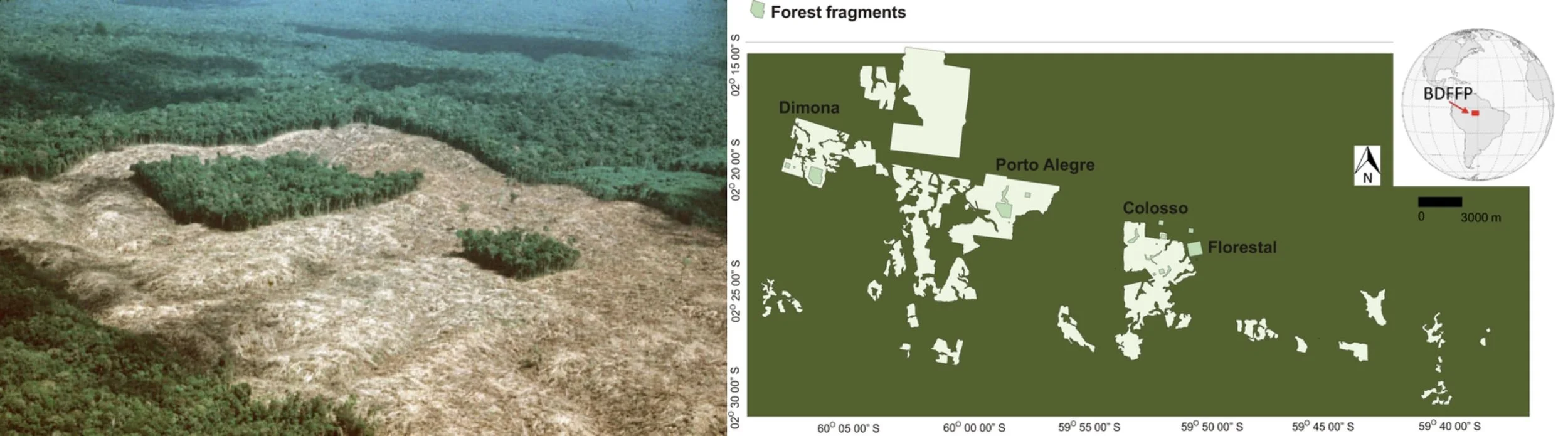
(© Richard Bierregaard & © Nunes, et al., 2023)
In 1979, the Biological Dynamics of Forest Fragments Project (BDFFP) was born, and it has since become the world's largest and longest-running experimental study of habitat fragmentation. What have we learned from it?
The most conspicuous changes occurred in the smallest fragments, which quickly began to suffer rapid and significant biodiversity losses — 100 ha fragments lost half their bird species within ~15 years, while smaller 10 ha patches lost species even faster. And that species loss wasn’t random. Large predators disappeared entirely from small fragments, unable to get enough food. Specialists like antbirds (many of which follow army ants through the understory) declined, while generalists tended to fare better. And while birds actually increased in some fragments, the increase was only temporarily — they were seeking refuge as the surrounding area was cleared — their populations dropping markedly within small fragments after a year.
There were also the edge-effects.
The forest composition along fragment edges experienced drastic changes, with these so-called “edge-effects” reaching up to 40 metres (130 ft) into the fragments’ interiors. The canopy thinned, the environment became dryer, tree mortality increased, all leading to a breakdown of vegetation complexity. Species adapted to dim forests (such as shade-loving butterflies) declined, while sun-loving species increased — a faunal turnover had occurred. The fragmentation of the Amazon created “novel states,” in which interactions between species changed and some animal groups went missing altogether, causing the usual dynamics between species to become skewed or completely broken. And all the worst of it occurred in the smallest fragments.
This all seems to point towards one conclusion: to maintain viable populations, ecological processes, and diverse ecosystems, reserves better be large. The principle also feels intuitive — more space for animals can only be a good thing, right? And it seems to be backed up by studies across vastly different environments.
In European woodlands, a study analyzing the distribution of a saproxylic beetle (Cucujus cinnaberinus) — a dead-wood specialist — revealed that large protected areas, with an abundance of large trees, play a vital role in the survival of its metapopulations. In a similar vein, research assessing reserve size in the tropical Andaman Islands found that the number of bird and butterfly species drops significantly as island size decreases, noting that complete assemblages of forest birds could only be found on islands larger than 30 square kilometres.
Does that mean bigger is unequivocally better?
In a 2010 study, researchers investigated the same Mauna Loa kīpuka chain in which Gruner’s spider study was done. This time, however, they were checking for a correlation between the size of a forest fragment and bird abundance. When it came to the species–area relationship, the study’s findings seemed to align with those in the Amazon plots: the larger the kīpuka, the more diverse the avifauna. But there was a catch: those larger kīpuka also hosted more invasive bird species, while kīpuka smaller than 3 hectares tended to be dominated by native species, with fewer or no exotics.
Can smaller areas, then, be more effective at protecting the species that count?
A study in south-eastern Australia looked at reptiles, amphibians, and small mammals in 11 areas of a national park, and compared them to 11 ecologically equivalent habitat fragments in an agricultural landscape. Surprisingly, the researchers found that species richness and overall diversity were actually similar between the continuous habitat areas and the fragments, but the composition of species was markedly different. The compositions were delineated by specific traits: species with a fossorial (burrowing) habit, an omnivorous diet, and broad habitat requirements thrived and saw higher abundances in the fragments. Conversely, arboreal species, carnivores, and specialists with narrow requirements fared much better in continuous habitats. Ultimately, the study concluded that small fragments, far from ecological dead-zones, contain distinct and novel communities — ones dominated by native fauna, including threatened species.
A study of holm oak forest fragments in central Spain found that a single large forest patch of 2,115 hectares contained only 34 species of butterflies, while a collection of smaller scattered fragments, totaling only 1,874 hectares, contained nearly all 81 butterfly species found in the entire region. This suggests “that the best strategy in order to maximize the conservation of species richness is the creation of a net of some small and scattered reserves,” at least when it comes to butterflies in fragmented holm oak forests in central Iberia.
It seems that every study, whether it leans towards one side or the other, has its caveats.
What do we make of these differing conclusions?
———
Making them Better
Since the early 1970s, ecologists and conservation biologists have been arguing two different approaches regarding the creation of nature reserves.
Is it better to create a few large reserves or many small ones?
This debate was actually the catalyst that spawned the BDFFP study in the Amazon, and it even has its own acronym: SLOSS (“Single Large or Several Small”).
Both sides of SLOSS bring up some good points.
Many of the observations from the BDFFP seem to back up those who argue for the “SL” part of SLOSS — for fewer, but larger reserves.
For one thing, large reserves aren’t nearly as vulnerable to the edge effects we saw with the smaller Amazon fragments (assuming the reserves aren’t shaped like thin lines). Smaller fragments not only admit more wind and sunlight, but tend to draw in more hunters too, increasing the risk that their residents will be poached.
Additionally, large reserves tend to support larger populations of species, reducing each species’ risk of extinction. And, as per the species-area relationship, large areas tend to host a greater diversity of different species, and so more diverse ecosystems.
In a phrase, large reserves host larger populations of more species.
However, not every species is equal in the eyes of conservation. It means little that a reserve has large populations of a variety of species if those species are cane toads and coqui, red-eared slider and brown anoles, warbling white-eyes and common mynas — the generalist species found across much of the globe. Smaller reserves may well host fewer species, but they might also allow us to more strategically protect the most vulnerable, insular, and unique species.
Additionally, a species that is distributed across multiple reserves, while having smaller individual populations, also benefits from a form of insurance: if one reserve is struck by disaster, wiping out the local population, the species can still persist in another.
-
The rescue effect functions as a biological safety net where immigration from neighboring habitat patches prevents local population collapse through recolonization rescue (refilling a patch that has gone extinct) or demographic rescue (bolstering a declining population to prevent it from disappearing).
The extent of these rescues depend both on the type of landscape and specific species involved.
In the Sierra Nevada wetlands, the black rail, a sedentary and weaker flier, typically only experiences rescue from nearby, clustered marshes because it can’t easily cross large gaps of dry land. Conversely, the highly mobile Virginia rail acts as a "landscape-level" rescuer, with its ability to fly long distances enabling it to find and supplement even the most isolated wetland patches.
By tracking their movements between breeding seasons, a 2020 study demonstrated that these immigrants essentially "top off" the population in various wetlands, ensuring that temporary local extinctions don't turn into permanent regional ones, especially during stressful environmental periods like droughts.
As the 2010 kīpuka study suggests, even fragments smaller than three hectares can host an appreciable number of native species, while, at the same time, being more resistant to generalist invaders. Measures like vegetation volume, maximum tree height, and variety of canopy structures appeared to explain around 77–78% of the variation in bird richness as accurately as, if not more so, than fragment area alone. These results suggest that other factors, such as habitat composition or quality, may actually be more important than size.
If that’s the case, then smaller reserves may well be better. Whereas one large reserve may cover just a couple biomes, many small ones could be created across a broader range of habitats, allowing conservation efforts to target a wider spectrum of unique species and ecosystems — as seen in the study of butterflies scattered across central Spain.
The great variety of biomes across Hawaiʻi have created great diversity. Wouldn't protecting a wide variety of biomes do well to preserve it?
-
A 2020 study carried out in High-Andean forest fragments found that fragment size had no significant effect on bird species richness or community composition. Rather, local factors — like elevation, sunlight exposure, and moisture — were stronger predictors of bird diversity and the presence of threatened species. The study also found that the presence of non-native trees correlated to reduced bird richness and a lower likelihood of finding endangered species like the Cochabamba mountain-finch.
-
One study, conducted across 16 reserves in central Hungary, analyzed 3,975 arthropod species across 11 major groups. In 9 out of 11 groups — including Coleoptera (beetles), Araneae (spiders), and Diptera (flies) — there was no significant relationship between the size of the reserve and the number of species found there. A tiny reserve could hold just as many species as a large one.
But while area failed to predict species richness, habitat heterogeneity (measured by the number of habitat types, number of patches, and length of "edges" between habitats) was a strong predictor. So if the goal is to protect the maximum number of species, it may be more effective to protect several small, highly diverse "hotspots" rather than one massive but uniform landscape — at least when it comes to the arthropods of central Hungary.
———
Framed as a debate between two sides, SLOSS was seen as an either or situation. After more than 50 years, has there been an agreed-upon “winning” side?
No.
From that fact we can draw a conclusion, and many have drawn this conclusion: every situation requires its own nuanced solution. Every ecosystem — each with unique histories, habitats, and communities of species — cannot be protected in exactly the same way.
Essentially, the SLOSS dilemma is too simplistic.
A disappointing conclusion, perhaps. A panacea-like rule, that could dictate the perfect way to create a reserve every time and everywhere, would have been ideal. But could anyone really have expected a solution so simple and clear-cut, when what we’re working with is so messy? The complexity of ecosystems — the species interactions therein and the varied threats they may face — means that conservation is unavoidably complex too.
Theories, as important as they can be for understanding the general trends and rules of complicated subjects, are ultimately just frameworks. When we start to treat them as universal commandments, they could end up causing a lot more harm than good.
If we proclaim that reserves need to be above a certain size or else they’re ineffective, what would happen to those sub-three hectare fragments in Hawaiʻi? Legislators may well label them as a lost cause and give them no protection, or even employ the “rule of size” maliciously, as an excuse to tear down small reserves for resources, and then justifying their actions by saying those reserves were condemned to die out, or else be ineffective anyways because of their small size.
That very nearly happened in Israel, where hundreds of small reserves are scattered across a relatively small country. When the Israeli government went looking for more land, they turned to the ecological “rule” — that large reserves were necessary for conservation — in an attempt to dismiss the small fragments as ecologically insignificant. Calling on an ecologist to investigate, they were informed that these long-protected fragments did actually host rich ecosystems of species, which they were prepared to destroy on the basis of an overarching theory.
-
A systematic review by Häkkilä et al. (2021) reached the conclusion that, within managed boreal forests, small protected habitat patches (SPHPs) serve as highly effective "biodiversity lifeboats,” significantly outperforming standard production forests (where commercial harvesting is allowed) in terms of species richness and total abundance. But while SPHPs were a necessary supplement, and they maintained distinct community compositions often comparable to those found in undisturbed natural forests, they are not a substitute for large-scale protected areas — which remain essential for area-sensitive species and broader ecological processes.
Notably, the study found that these small patches maintain their high conservation value regardless of the management intensity in the surrounding landscape, proving that even small fragments can act as critical refugia and stepping stones for specialist species that would otherwise vanish from disturbed forest landscapes.
So, when it comes to planning out reserves in the real world, what has the SLOSS debate taught us?
Somewhat ironically, it taught us that we don’t need grandiose theories. Rather, we need detailed ecological studies of particular species in particular places.
Only after studying the ecology of a place and its species, can we decide the best course of action — using insights from both sides of the SLOSS debate to create the ideal reserve. The same solutions might not apply to both the Amazon forest and the highlands of Hawaiʻi. For places with large predators or specialists that require expansive areas, large continuous reserves are essential. For small songbirds like Hawaiian honeycreepers or Andean mountain-finches, smaller reserves in the most suitable habitats may be better.
Size does matter, but context matters more.
-
The African wild dog needs very large, interconnected reserves and conservation areas that span national borders. Small, isolated parks aren’t sufficient for the wild dog’s wide-ranging packs. (Sandoval-Seres, et al., 2022)
The spotted owl of western North America doesn’t just require large tracts of intact forest, but specifically old growth forest. (Carey, et al., 1991)
Mountain gorillas depend on high-altitude montane reserves shielded from human encroachment. And because of their narrow temperature tolerance, these primates are entirely reliant on the preservation of existing cloud forest boundaries. (World Wildlife Fund)
New Zealand’s Kākāpō requires predator-free island sanctuaries (free of introduced mammals), intensive supplemental feeding, and reintroduction efforts timed to coincide with masting events (periods when native trees produce an abundance of seeds). (NZ Department of Conservation)
The monarch butterfly requires overwintering reserves that provide precise microclimates, where dense tree canopies in specific high-altitude Oyamel fir forests (Mexico) or coastal groves (California) prevent freezing while maintaining enough humidity to keep the butterflies from dehydrating. (The Xerces Society for Invertebrate Conservation)
The black-footed ferret needs habitats with healthy prairie-dog colonies. But, at the species’ current stage of decline (Endangered), that isn’t enough. For the black-footed ferret to survive, it requires reserves that also integrate active disease surveillance and strategic genetic management of its small populations. (Jachowski and Lockhart, 2009)
While this selection of species and their reserve requirements is still very oversimplified, it helps to illustrate the diversity of needs that modern reserves must accommodate if they are to effectively protect a variety of species.
———
During our exploration of SLOSS, we compared large and small reserves under the assumption that each reserve would be an isolated unit — like distant islands in the ocean — between which migration would be difficult and infrequent. That is, after all, what many reserves look like today. However, if a particular situation calls for the creation of many small reserves, interconnectivity will be essential.
Isolation, you’ll remember, tends to drive islands towards an equilibrium with a lower diversity of species (as more species go extinct than evolve or arrive). Yes, smaller reserves have the benefit of splitting up a species into multiple populations, so that, should a disaster hit reserve A, the species will still survive in reserve B. In other words, it would only be locally, not globally, extinct. But what then? Reserve A would be down a species, and, given that it’s a small reserve, it may lack another to fill that ecological role. If, however, it was connected to reserve B via a wildlife corridor, chances are that a few individuals would eventually migrate out from B to repopulate A once more.
Splitting a species into separate populations confers the advantage of small reserves, making it less likely to die out all at once. While connecting those populations — turning them into ‘metapopulations’ that interact through migration and thus gene flow — confers the genetic and population advantages of a large reserve.
-
A study of bird assemblages in Brazilian Atlantic Forest fragments found that, as in the BDFFP Amazon study, species richness increased with fragment area. However, this study also found that functional diversity declined more slowly than species richness, so that ecological roles (pollinator, seed disperser, insect predator, etc.) persisted even in smaller fragments. Small fragments contained fewer total species, but still contained a variety of ecologically distinct species.
This conclusion indicates that small forest fragments lose species in a non-random way: competition removes ecologically similar species, leaving communities where each species occupies a very different role. While this has the effect of creating evenly distributed communities, it also eliminates redundancy, making smaller ecosystems more vulnerable to completely losing an ecologically important piece (a pollinator, for example). One way to remedy this is to increase interconnectivity.
Freedom of movement would be beneficial even for larger reserves. In fact, it’s downright essential if we want our protected areas to continue being effective into the future.
We can’t put peaks on our reserves. What that means is, we want to avoid the situation that many Hawaiian honeycreepers are in today: pushed to higher altitudes as the climate warms, eventually destined to run out of space. Around the world, a similar migration is happening not across altitudes, but latitudes. As viable living conditions move further northwards, species follow suit. Hitting the border of a reserve would be equivalent to reaching a mountain peak.
Creating a reserve that would become inhospitable to most of its current species in half a century would be short sighted. Creating a reserve in the Maldives or Tuvalu, without considering how it will be affected by rising sea levels, would be very short sighted. We have to consider how environments will change in the future. Or else all of our reserves may as well be shallow islands amidst rising waters, or mountains in a climbing sea of mosquitos and disease.
-
The efficacy of wildlife corridors was tested in laboratory conditions using metapopulations (connected populations) of Folsomia candida — a species of pale, 3-millimetre (0.1 in) springtail. Scientists exposed the metapopulations to drought conditions, a “key stressor for this species,” and measured the time it took for metapopulations to go extinct. While the simulated droughts had a negative impact on all metapopulations, those metapopulations connected by high-quality corridors declined at significantly slower rates.
The study concluded: “Our results suggest that enhancing corridor quality can increase the persistence of metapopulations, increasing the time available for conservation actions to take effect, and/or for species to adapt or move in the face of continued stress. Given that fragmentation increases the isolation of habitats, improving the quality of habitat corridors may provide a useful strategy to enhance the resistance of spatially structured populations” (Li, et al., 2023)
Real-world examples of effective wildlife corridors include those that link the tiger reserves in the Western Ghats to those in central India, with molecular studies of metapopulations confirming that the movements of tigers through these corridors “contribute to gene flow, enhancing population resilience.” The Yellowstone-to-Yukon Conservation Initiative (Y2Y) spans thousands of kilometres to connect wildlife habitats across the United States and Canada, allowing large fauna, such as grizzly bears, wolves, and elk, to maintain their large home ranges. The Pan-European Ecological Network aims to do the same across national borders, linking reserves to enlarge the ranges of native megafauna and support migratory routes. (Khokhar, 2025)
You can see more examples of wildlife corridors here.
———
There is a flip side to increased connectivity and mobility, as the connection between Hawaiʻi and the mainland has so disastrously demonstrated.
Give the ability for native species to move more seamlessly between reserves and you may open a path for foreign species to invade. Wildlife corridors can become highways not just for the endangered, but for the invasive. A bridge that allows native frogs to recolonise a wetland might also usher in the cane toad. A corridor built for a forest bird might allow an exotic pathogen to spread from one population to another. This is one of the conundrums of modern conservation. Interconnectivity is essential for ecological resilience, but it can also cause disruption. How do we allow native species to move around, while keeping invasive species out?
We’ve come up with a few methods. None of them are foolproof, but, when combined, they can be fairly effective.
Firstly, it's valuable to know where the invasives are likely to come from. If we can map the most probable invasive pathways and figure out which habitats are most vulnerable to invasion, we can then adjust connectivity plans accordingly. We can make the connections themselves, the wildlife corridors, less amenable to invasives by creating “filters” that would allow native species to pass but prevent invasives from crossing. In New Zealand, for example, forested corridors connecting native bush fragments are planted with native trees rather than exotic pasture grasses, encouraging the passage of forest birds while discouraging invasive mammals like possums and rats from using them.
Monitoring stations can be placed along corridors to detect new invasions before they’ve advanced too far. In highly invasion-prone areas, stepping-stone patches can replace continuous corridors, with each patch being monitored for invasives — if invasives are found, a patch is easier to cut-off and isolate than a stretch of corridor.
And, finally, simple protocols for cleanliness and vigilance, such as cleaning and inspecting equipment, vehicles, and footwear before entering corridors and reserves, can help prevent the introduction of invasive plants and invertebrates.
The entirety of Hawaiʻi, for instance, enforces a strict biosecurity shield. Every arriving traveler is legally required to complete a State Agricultural Declaration Form to report any plants, seeds, or live animals. Upon arrival, the Hawaii Department of Agriculture deploys quarantine inspectors and specially trained canine units to sniff through incoming luggage, cargo, and mail. Cargo incoming from high-risk places, like Guam with its brown tree snake, is severely scrutinised before entry (while control measures in Guam itself are taken to keep brown tree snakes away from airfields). Travelers who inadvertently pack restricted items, such as fresh fruit or raw seeds, must surrender them in designated “Amnesty Bins” before reaching baggage claim to avoid severe fines. Cats and dogs, while they are allowed to travel to Hawaiʻi, must comply with a strict pet protocol: any dog or cat arriving without months of documented microchipping, dual vaccinations, and clean blood tests is immediately seized and placed in a state quarantine facility for up to 120 days.
As a result of these measures, Hawaiʻi is the only U.S. state that remains rabies free. The brown tree snake has yet to establish itself on any of the islands, although it has been intercepted at ports of entry at least eight times since 1981. In a single year (2023), inspections across the Pacific region intercepted more than 56,000 pests in cargo, mail, and ships. This includes the successful capture of mammals like skunks and opossums at Hilo and Honolulu harbours before they could escape into the wild and established invasive populations.
What about all the invasives that have already made it to Hawaiʻi, including those that arrived long before these preventative measures were put in place?
No one stopped Captain Cook from introducing goats to Hawaiʻi when he made landfall in 1778. By the 1900s, the feral goat population had reached the tens-of-thousands. By 1970, Hawai‘i Volcanoes National Park alone had around 15,000 goats.
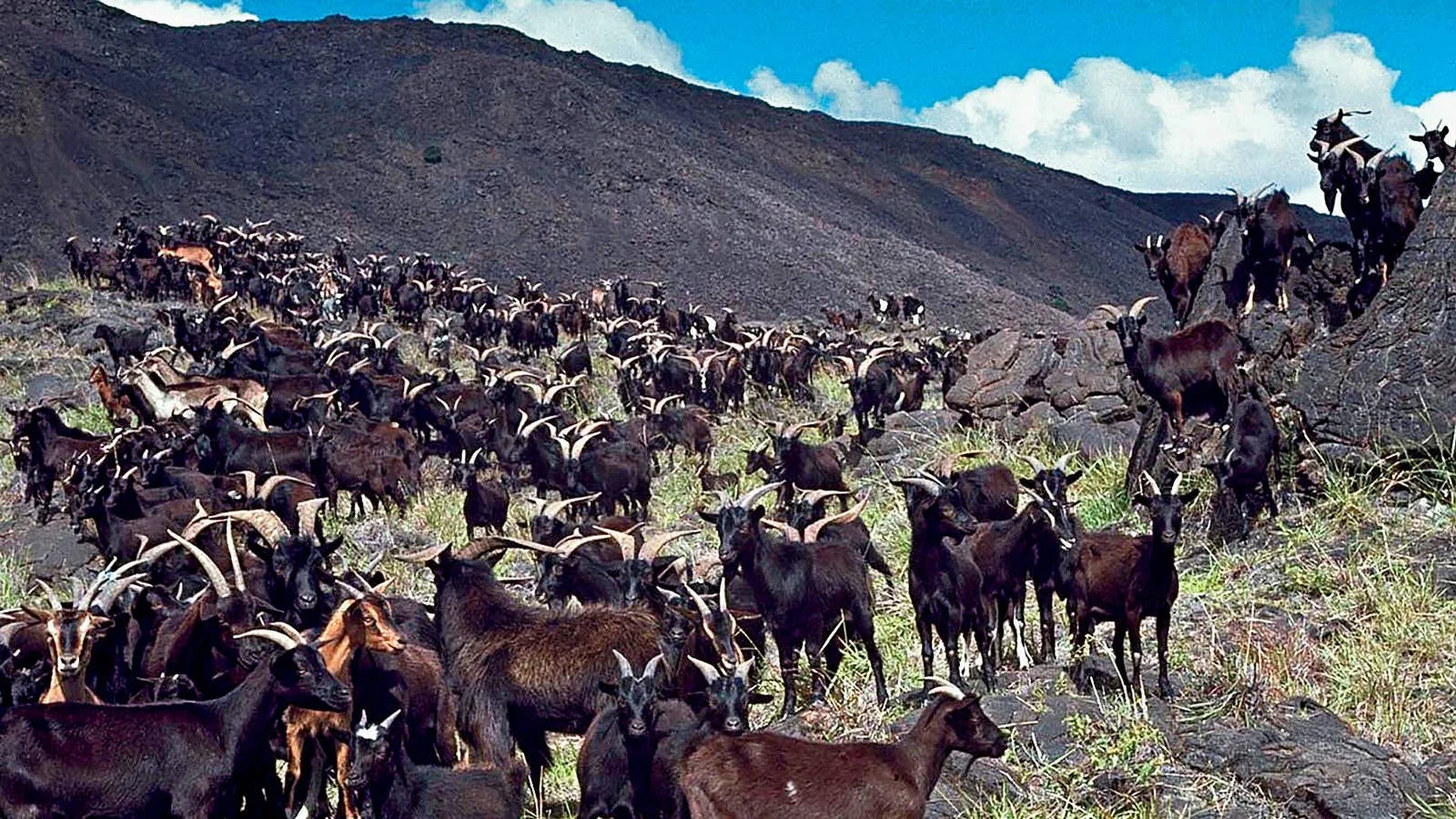
A herd of goats inside Hawai‘i Volcanoes National Park.
Nobody liked the goats it seems: not the ranchers, whose livestock the goats outcompeted for forage; not the foresters, who watched the goats relentlessly strip the trees of bark and devour native seedlings; and certainly not the conservationists, as goats overgrazed rare endemic plants that had adapted to live without browsers, and ruined the habitats of native birds and insects that relied on those plants to survive.
Large goat-shooting drives were intermittently organised — whether by the public, hired companies, or the staff of the park itself. 17,000 goats were killed between 1927 and 1931. 31,000 between 1955 and 1970. But the goats were reproducing faster than they could be eliminated, and, like bands of guerilla soldiers, the herds found refuge in a vast and rugged landscape of Hawaii. By 1970, the goat population within the park was even larger than when hunting efforts first began. This war on goats clearly couldn’t be won with brute force alone.
In 1972, park managers pivoted to a different plan. Instead of trying to clear the entire 800-square-kilometre (500-square-mile) park at once, they divided the land into smaller, goat-proof management areas using mesh fencing. Once an area was secured, with goats prevented from entering or escaping, hunters could systematically clear the resident population. The fenced border would then be expanded. And as the park was reclaimed from the goats a piece at a time, the native flora rebounded in the protected plots as grazing pressure was removed along with the goats.
But as long as there were some goats, even just the last roaming remnants, there was a risk their populations could explode again. And these last survivors were just that: survivors, expert at evading the hunters. Once again, a shift in strategy was needed.
The new plan involved using Agent Orange: a captive goat marked with orange paint and fitted with a region collar — the name a play on the defoiling chemical infamously used in Vietnam (the goats themselves were “highly effective defoliants,” stripping the Hawaiian landscape of its native greenery.) Agent Orange, along with a dozen other "Judas goats," were strategically released into parts of Hawai‘i Volcanoes National Park. And, like the biblical Judas who betrayed Jesus to the authorities, these Judas goats betrayed the locations of their wild fellows to park rangers — rather than greed for silver, the goats were compelled by their highly social natures. Tracking teams bearing .30-caliber rifles, and accompanied by helicopter shooters, followed on the heels of “Judas” to eliminate the last surviving herds.
Today, with goats gone from the park, the priority is surveillance. This means 285 kilometres (177 mi) of boundary and interior fencing, monitored daily by a crew of ten employees dedicated to the upkeep and repair of the goat-proof fence (similar methods are used to keep goats out of Haleakalā National Park on Maui). There are still occasional breaches, but a swift response and a now-proven elimination strategy take care of the invaders before they can establish a hoof-hold in the park again.
Fences, radio trackers, and rifles — it seems we found an effective strategy to eliminate and exclude goats. And the reason it works so well is because it was tailored specifically with goats in mind. However, that also means it won’t necessarily work on other invasive species.
You can’t hunt down coquí frogs with rifles and helicopters; they are too small, cryptic, and prolific. Small Indian mongooses are not social creatures, meaning that a “Judas mongoose” would betray nothing but its own solitary wanderings. And while fences might effectively keep out goats, a fence would have to be unrealistically fine and tall to keep out invasive white-eyes. Different invasive species require different management strategies, and some invasives are much harder to manage than others.
You cannot put trackers on mosquitos, you cannot keep them out with fences, and you cannot hunt them all down. What do you do, then, when an invasive species cannot be removed?
Well, you try your best to manage its impact.
Hakalau Forest National Wildlife Refuge (HFNWR) on Hawaiʻi protects the largest endemic forest bird diversity in the State of Hawaii, home to eight native forest bird species, three of which — the Hawaiʻi creeper, Hawaiʻi ʻākepa, and ‘akiapōlā‘au — are Endangered, with 44%–71% of their global populations located inside the refuge. It protects mostly high elevation montane forest — over 1,500 metres (4,920 ft) — which has historically been mosquito and malaria free.
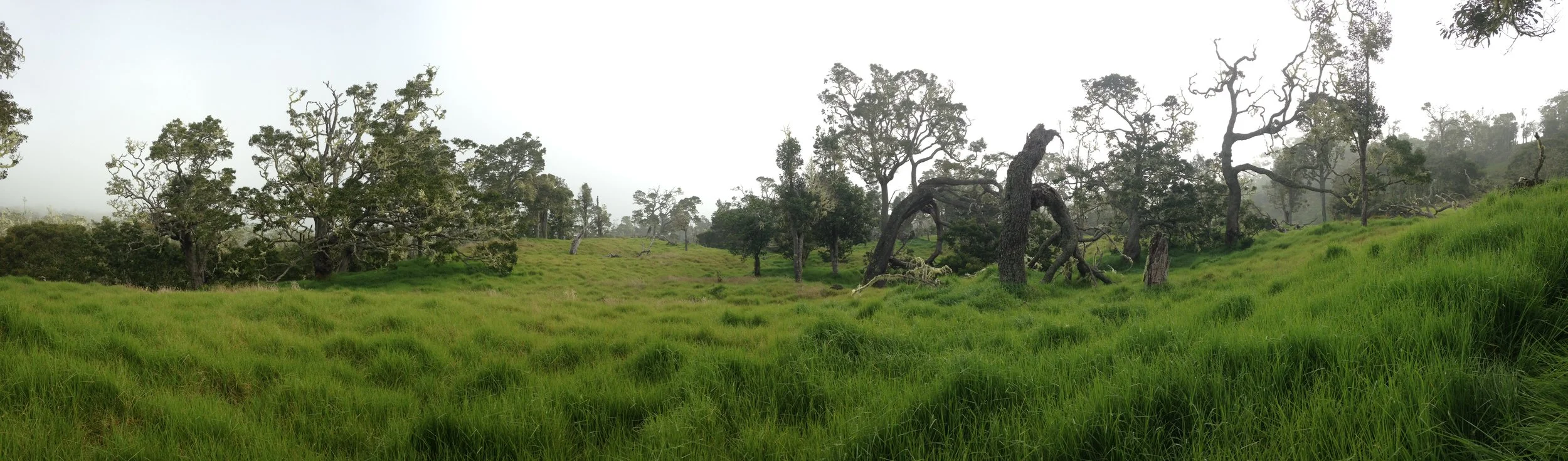
Koa trees At Hakalau Forest National Wildlife Refuge (Public Domain)
Studies have shown that “productive, intact forests are more resilient to mosquito incursion,” and it seems the forests of the HFNWR, dominated by native koa and ‘ōhi‘a lehua, have been able to serve as a safe haven for Hawaiʻi’s native birds.
But resilience doesn’t equal imperviousness.
At lower elevations, there are “large areas of apparently suitable habitat for many endangered species that are unoccupied, presumably due to the presence of mosquitoes and disease.” That is, the seemingly untouched forests are largely empty and quiet, save for an ominous background buzzing. Extrapolating from past patterns of mosquito expansion, it’s likely that “the remaining mosquito and disease-free forested area in Hawaiʻi will be eliminated by a 2 °C rise in global temperatures…”
Working to protect and maintain suitable habitats alone won’t be enough to save the high-elevation honeycreepers when the mosquito tide comes creeping up to overtake their forests.
What about a direct attack on the mosquitos themselves?
Large and crude measures like fences and rifles don’t work against mosquitos, but some (much) smaller, and more sophisticated tools have proven to be effective. There is the chemical route: using insecticides to target invasive mosquitos. In New Zealand, for instance, two invasive mosquito species were eradicated using insecticides. But chemical insecticides run the risk of killing native insects as well, and with Hawaiʻi’s wealth of endemic and endangered insects, that risk is too great.
-
More targeted insecticides do exist.
Bacillus thuringiensis israelensis (Bti) is a group of bacteria that has no effect on some insects but kills others. Specifically, it targets the larval stage of specific dipterans (mosquitoes, black flies, and fungus gnats). The way it works is this. Bti produces spores that contain protein crystals (protoxins). Mosquito larvae filter-feeding in the water ingest these crystals. The highly alkaline environment of a mosquito larva’s digestive tracts activates the crystals, turning them into toxic delta-endotoxins. These toxins then bind to the lining of the larva's midgut, causing the cells to rupture, killing the young insect within minutes to hours. Because the stomachs of humans, mammals, birds, fish, and most other insects are highly acidic (rather than alkaline), Bti passes through harmlessly without activating and becoming toxic.
But Hawaii has its own native insects, some of which are affected by Bti. Native midges, for instance, are a primary source of food for Hawaiian dragon- and damselflies, as well as some birds; so drastically reducing their populations through Bti could have ramifications for native food chains. But those risks have to be balanced against the sure extinction of species like the ʻakikiki, predicted to go extinct in the timeframe of one or two years if mosquito populations go uncontrolled.
A more precise approach is sterilisation.
At the start of the 1960s, the island of Seahorse Key in Florida swarmed with southern house mosquitos. Would it be possible, asked scientists, to wipe out this mosquito plague without harming any of the native insects? Swarms of male mosquitoes were raised in a lab and exposed to a chemical called thiotepa, which made them sterile without killing them or ruining their ability to compete with wild males for mates. And then, over several months, hundreds of thousands of these sterile males were released onto the island. The females that mated with the sterile males produced eggs that never hatched, and since females only mate once in their lives, that sterile clutch would be the only one they produced. Within about 10 weeks, the southern house mosquito population on Seahorse Key completely collapsed.
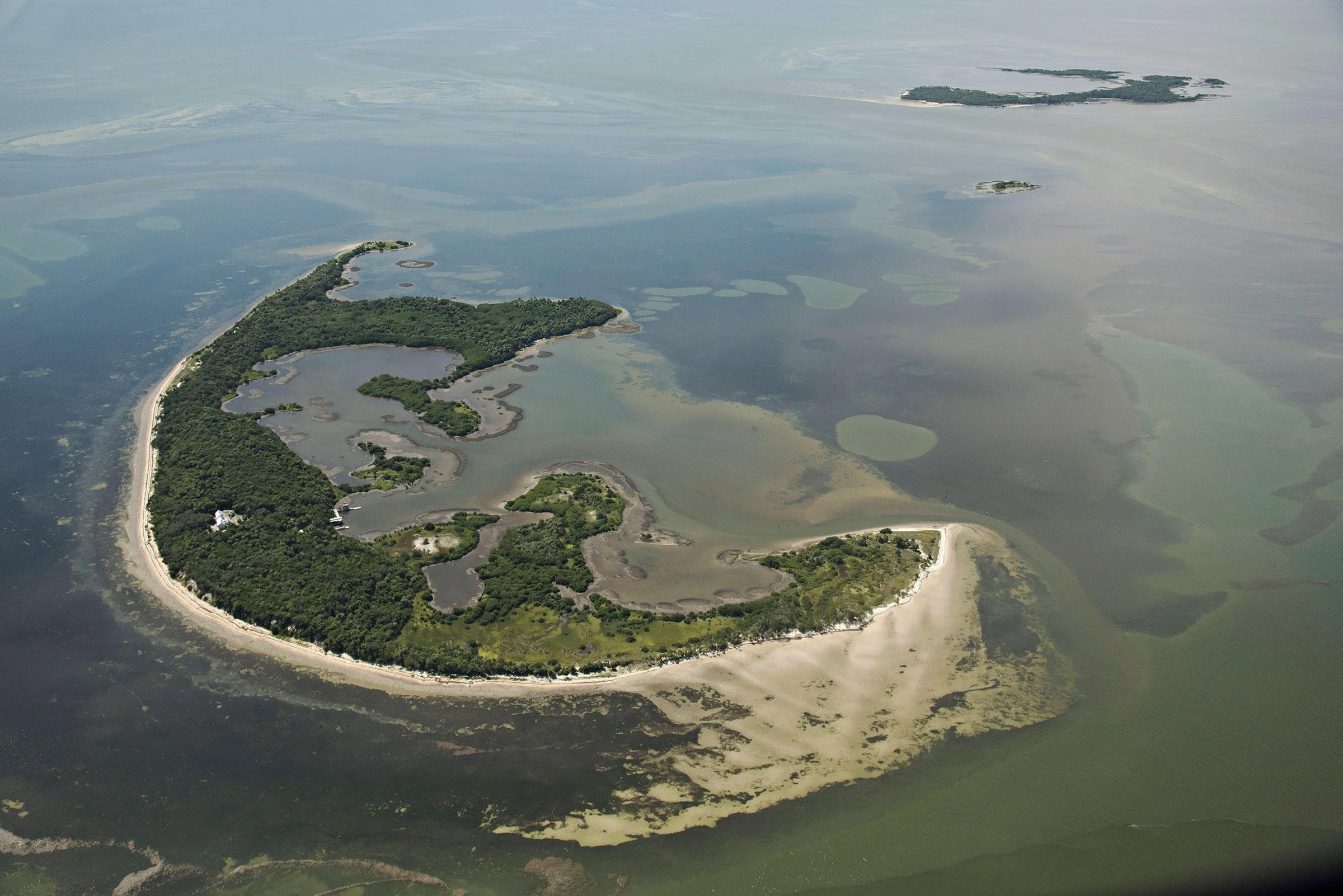
“The release of 8,400 to 18,000 males per day of Culex pipiens quinquefasciatus, which had been exposed to a sterilizing agent (thiotepa), suppressed and eliminated an indigenous population of this mosquito on an island off the coast of Florida in a 10-week period.” (Patterson, et al., 1970)
The Seahorse Key study was one of the first successful, real-world proofs of the Sterile Insect Technique (SIT) for mosquitoes. The use of the chemical thiotepa is one of several SITs — among other chemosterilization techniques, sterilisation through radiation, or more experimentally, through gene editing.
Hawaii's current strategy relies on a highly specialised variation called IIT (Incompatible Insect Technique), which makes use not of a chemical, but an ‘endosymbiont.’
Wolbachia is a naturally occurring bacterium found in the cells of about 65% of all insect species. It is a reproductive parasite, relying on the mating of infected insects to survive, and so it has evolved to manipulate the reproduction of its hosts to ensure its replication. Since Wolbachia lives inside the cells of its host and is passed down only from mothers to their offspring (maternally inherited), it has no evolutionary use for males. That is, unless it can use them to eliminate its competition, and that is exactly what it does.
You can think of the Wolbachia as both a “toxin” and “antidote.” When a male mosquito is infected with Wolbachia, the bacteria secrete specific proteins into his sperm during development. These proteins modify the sperm's DNA, which then acts like a molecular "toxin." If the infected male then mates with a female that is uninfected — or is infected with a different strain of Wolbachia — her egg has no "antidote." When the modified (“toxic”) sperm enters the egg, the male DNA can’t uncoil properly, and when the cell tries to divide, the DNA clumps and breaks, and the embryo dies. However, if the female is infected with the same strain of Wolbachia, her egg does contain the "antidote": proteins produced by the Wolbachia in her own cells, which neutralize the “toxin” (the male’s modified sperm), allowing the DNA to uncoil normally. The embryo survives and, crucially (for the bacteria), is born carrying Wolbachia.
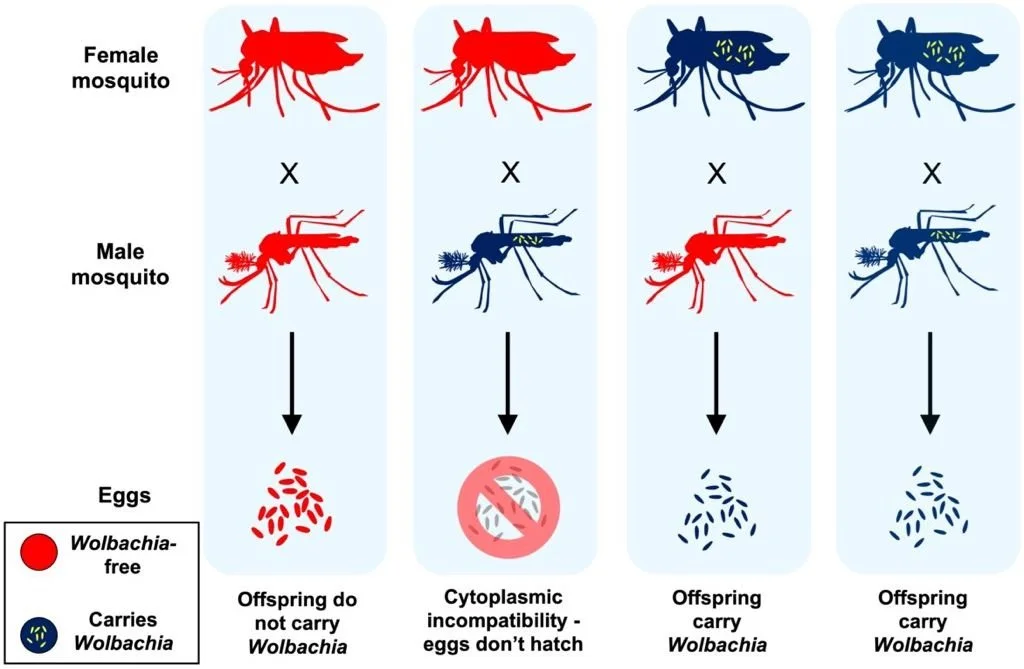
“How cytoplasmic incompatibility works. This figure describes the status of mosquito offspring that result from different mating combinations when male and/or female mosquitoes carry Wolbachia. When male and female mosquitoes that are both free of Wolbachia mate, their offspring are also free of Wolbachia. When Wolbachia-infected male mosquitoes mate with Wolbachia-free females, cytoplasmic incompatibility occurs; their eggs don’t hatch; and no viable offspring are produced. Wolbachia-infected female mosquitoes produce viable offspring that carry Wolbachia after they mate with males that either carry Wolbachia or are free of Wolbachia. This reproductive advantage can help Wolbachia spread in mosquito populations.” (UF/IFAS)
The Incompatible Insect Technique (IIT) takes Wolbachia’s reproductive strategy, and turns it into a targeted weapon. Scientists release males carrying a strain of Wolbachia that is incompatible with the strain carried by the wild population. Since they don't release any females with that same strain, there is no "antidote" to this new strain in the wild. Every time one of these lab-reared males mates with a wild female, his “toxic” sperm causes her entire batch of eggs to be lost. To increase the effectiveness of the IIT, other control methods can be employed beforehand. For example, in Hawaii, Bti is often applied to waters where mosquitos breed, reducing the initial population of mosquito larvae so that the subsequent release of Wolbachia-infected males can be more effective. Eventually, with larvae failing to mature (due to Bti) and eggs failing to develop (to do incompatible Wolbachia), the birth rate drops to zero and the mosquito population crashes.
“Effective suppression would need a >90% reduction in mosquitoes to effectively break the disease cycle, and [be] conducted over a spatial scale sufficient to account for both bird and mosquito movement.” (Paxton, et al., 2025) It would also require us to develop methods for moving and releasing millions of modified mosquitoes to remote locations.
Nonetheless, suppressing mosquito populations in order to break the disease cycle is considered the most promising approach given our current level of technology. But it would be just that: suppression.
Seahorse Key was chosen as the site study because of its small size (150-acres), making complete eradication feasible, and relative isolation (located about 3 miles off the coast of Cedar Key). But although the southern house mosquito was successfully eradicated, the island was recolonised not long after the study ended. Given their massive size, the complete removal of mosquitos from any of the Hawaiian Islands, much less all of them, is extremely unlikely. That means this existential threat will probably always be buzzing right around the corner. And given the nature of our suppression — chemical and biological warfare, genetic engineering — the fast-breeding mosquitos could well evolve a counter to any or all of these methods.
Some African populations of the southern house mosquito have evolved resistance to the common insecticides used to suppress them. Sterilisation modifications, having a large and negative effect on survival of the modified mosquitos, can likewise be quickly selected against and removed from the population (since they exert a high selection pressure on the mosquitos). And attempts to sterilise populations of mosquitos have been unsuccessful because of immigration of mated females from other populations, bypassing the sterile male issue.
And if the mosquitos in Hawaiʻi do find some way around our suppression methods, they will be free to swarm the warming mountain slopes and wipe out the remaining forest birds.
What if, instead of trying to attack the threat, we shore up our defences? Can we make the birds themselves less vulnerable to mosquitoes and the diseases they carry?
As of yet, there are no effective vaccines currently available for avian malaria. We do have antimalarial drugs for treating acute infections, but continually treating thousands of birds isn’t feasible. Translocating threatened birds to safer areas has been done in the past, and is considered an option for some threatened species — one candidate is the Critically Endangered ʻākohekohe, endemic to the north-eastern slopes of Haleakala Volcano on Maui, which may in future have a population intentionally established within Hawaii’s Hakalau Forest National Wildlife Refuge. And the species might be safer there, for a while. But the 2°C rise in global temperature — the point at which the highest forests will be invaded by mosquitos — is set to happen by 2100 under current climate policies, while less optimistic estimates suggest it might happen as early as 2050. If no place will be safe from mosquitos by the end of the century, then translocation would only serve as a very temporary solution.
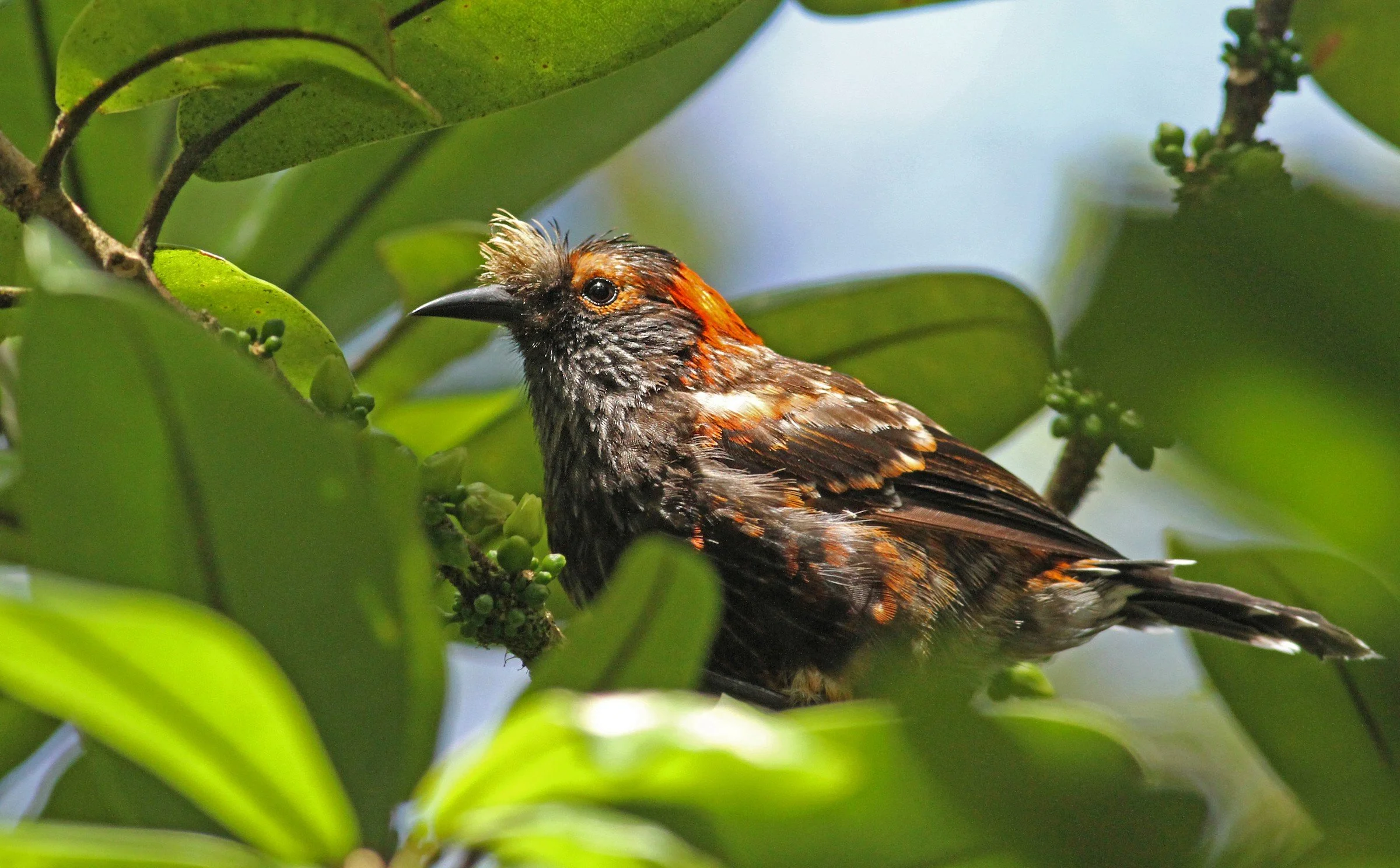
An ʻākohekohe (Palmeria dolei), or crested honeycreeper. A Critically Endangered species native to Maui.
Rather than treating or translocating the threatened forest birds, the final and most ambitious route involves modifying them. We force them to evolve.
Rates of mortality from avian malaria infection differ among native bird species; from over 90% mortality in the ‘i‘iwi to around 40% in the ‘apapane. Mainland birds, like the house sparrow and warbling white-eye, have even lower mortality rates. This means that some songbirds are more naturally resistant to the disease and, thus, that resistance to avian malaria is an adaptation — it is a trait that can be evolved.
For a species to adapt, an evolutionary pressure is required. The pressure on forest birds to evolve malarial resistance varies depending on the locale. Most Hawaiian forest birds today live in high elevation forests, where mosquitos and malaria are absent, and they aren’t evolving resistance because there is little-to-no pressure to do so. At low elevations, where mosquitos and malaria are rampant, the pressure is extremely high. But few forest birds can survive at low elevations, not just because of malaria, but also other threats like lack of habitat and a preponderance of predatory invasives. Down here, the birds are wiped out before they have the chance to evolve resistance.
The forest birds need a Goldilocks Zone, where the selection pressure is high enough but not too high. A place where avian malaria is enough of a threat to push honeycreeper populations towards evolving resistance, but also hospitable enough for honeycreepers to persist despite the presence of malaria. Some of the mid-elevation forests would serve well, were it not for the rats that infest them. It appears that malaria plus rats — “a significant source of nest and adult mortality for many Hawaiian birds” — is too much for honeycreepers to survive.
One proposed solution is to get rid of, or at least greatly reduce the rat presence. Admittedly, that sounds like a pretty roundabout way to deal with the problem: to keep birds safe from malaria and mosquitos, we get rid of rats. But rats are far easier to target and eliminate than are mosquitos — and we’ve had extensive experience in doing so both on the mainland (e.g. Alberta, Canada) and islands (over 600 of them) around the world.
The study proposing this idea — Facilitating the evolution of resistance to avian malaria in Hawaiian birds (Kilpatrick, 2006) — suggests that the “control of rodent predators, which was extremely effective in increasing reproduction and survival of Elepaio on Oahu, may offer an opportunity for facilitating the evolution of resistance to malaria in several currently endangered Hawaiian birds.” In other words, we keep an eye on the birds and a hand on the pressure gauge, ensuring there is enough pressure on the birds to force them to adapt (we make sure avian malaria is a present threat), but not enough to break them (we get rid of other threats to their survival, like rats).
If all goes to plan, malaria-resistant genes will naturally spread across bird populations, as those resistant individuals are far more likely to survive and breed — and as mosquitos travel to higher elevations, so too will resistance to malaria in the birds.
But the key with Hawaii's forest birds is speed. Even if we can optimally balance the evolutionary/survival pressures acting on them, can they naturally evolve resistance before the mosquitos rise up the slopes to overwhelm them?
Adaptation is a race between selection and population decline. If too many birds die before enough resistant individuals can survive and reproduce, the population may collapse before resistance becomes widespread. The Hawaiian forest birds would have to pass this critical adaptational threshold prior to facing the full force of mosquitos, or else they’ll simply be wiped out as they were in the lowlands before.
This time limit poses a problem. A remote island species like the ‘i’iwi has relatively low genetic diversity, and so its populations may lack the alleles (versions of genes) that confer resistance to malaria. Adaptation through natural selection depends on pre-existing differences in disease resistance/susceptibility; some individuals must, by chance, carry alleles that allow them to survive infection. If such variation is absent or extremely rare, the chances of those resistant alleles arising and spreading across the population are minuscule, especially in a declining population. And the chance of lucking into the right combination of mutations, that entail malarial resistance, is even more unlikely for those honeycreepers with severely limited populations — like the ʻākohekohe, with only 1,200 and 2,000 individuals. Perhaps it could happen, given enough time, but the honeycreepers of Hawaiʻi don’t have time.
We humans have been speeding up evolution, encouraging certain adaptations, for millennia through artificial selection — which is essentially managing particular selection pressures to get results we want. Recently, we’ve developed a far more precise way of directing evolution: through the direct editing of genes.
The following comes from a 2020 paper published in the journal Biological Conservation.
“As an alternative or supplemental strategy, we evaluated the potential of releasing a gene-edited malaria-resistant honeycreeper (Iiwi, Drepanis coccinea) in Hawaiian rainforests; a strategy known as facilitated adaptation. While this approach also has significant technical challenges and costs, it may offer a more permanent solution to increasing malaria threats. If malaria-resistant honeycreepers can be developed, facilitated adaptation may provide a practical strategy for the reestablishment of abundant avian populations in Hawaiian forests.”
Of course, this isn’t a guaranteed forever-solution either. Plasmodium has a high mutation rate — able to quickly develop new surface proteins to pass by the immune system unseen. Just as mosquitos have evolved to resist insecticides and sterilisation techniques, the parasitic Plasmodium may evolve counter offensives to the forest birds’ new defences. In other words, the Plasmodium will enter an evolutionary arms-race against the birds, attempting to find some new path towards infection as the birds try to close them off. The birds of Hawaiʻi will still have a battle to fight and win, but in order for these insular aves to even stand a fighting chance, we’ll have to give them a leg-up against their microscopic opponents.
Whether that leg-up be an increased resistance to malaria, a reduction in mosquito populations, the management of mosquito-resistant habitats — or, realistically, a combination of all of the above — the only chance Hawaiian forest birds have at survival depends on our ability to innovate and implement strategies that incorporate the newest information and technologies.
The fight against invasives is a lot of work; both structural, concerning the layout of corridors and the creation of fences and filter zones, as well as active, requiring consistent monitoring and, in some cases, intensive intervention.
The ideal would be an ecosystem that naturally resists invasions. But, as with most things in ecology, a simple concept conceals a complicated reality.
Natural resistance entails different things depending on factors like habitat type, native species composition, and the identity of the invaders. When the habitat is the montane forests of Hawaiʻi and the invader is a comb-footed spider, it appears a higher presence of native birds is an effective resistance. But change one of the variables — say, from invasive spider to invasive rat — and birds no longer help resist the invasion, and may even facilitate it by providing rats with a source of food (in the form of eggs and chicks). The solution, once again, seems to lie in a case-by-case understanding of each specific ecosystem and its threats.
-
Zoologically speaking, Australia is most famous for its diverse marsupial fauna: kangaroos, wallabies, wombats, koalas, possums, quolls, sugar gliders, etc. Conversely, the country lacks many of the placental mammals that are present elsewhere.
Cats first arrived in Australia alongside European settlers, with the First Fleet in 1788. Foxes came later, introduced in the 1870s for recreational hunting. These two foreign placentals proliferated and proceeded to hunt down, with great proficiency, many of Australia’s small marsupial species. And many, in fact most of Australia’s carnivores are small marsupials, meaning that there existed no native predators to keep the cats and foxes in check. Well, almost no predators.
Dingoes were introduced to Australia from Indonesia by humans between 4,000 and 8,000 years ago (although some believe they arrived earlier: between 12,000 and 18,000 years ago). Despite this anthropogenic introduction, the dingo’s long presence in Australia has led to its designation (by most) as a native species.
Today, dingoes are the largest terrestrial predators in Australia. They also prefer to hunt fairly large prey, including native species like kangaroos, wallabies and wombats, but also introduced species like rabbits and livestock like sheep — which resulted in dingoes being culled by humans. Relevantly, dingoes also kill cats and foxes. Even without direct predation, the presence of dingoes alone is often enough to keep many a cat and fox out of an area.
In certain Australian reserves, such as Sturt National Park in New South Wales, land managers have stopped lethal dingo control and removed dingo-proof fences with the goal of encouraging a dingo presence.
Research shows that native "critical weight range" mammals (who are the targets of cats and foxes) — such as the dusky hopping mouse, crest-tailed mulgara, and kowari — have higher survival rates in areas where dingoes are present to suppress invasive foxes. (Newsome et al., 2015)
And dingoes don’t just protect native mammals.
The night parrot, a nocturnal resident of isolated and arid regions, is one of Australia's rarest birds. Using camera traps and scat analyses, researchers discovered that the most common predators around the parrot’s roosting areas were dingoes. However, rather than parrot hunters, these Australian canids appear to be unwitting guardians of the parrot. Researchers suspect that invasive feral cats are the major predatory danger to the night parrot. The dingoes keep cat populations down and the Critically Endangered night parrots safe.
The dingo, then, seems to be an example of a natural barrier against invasive red foxes and feral cats.
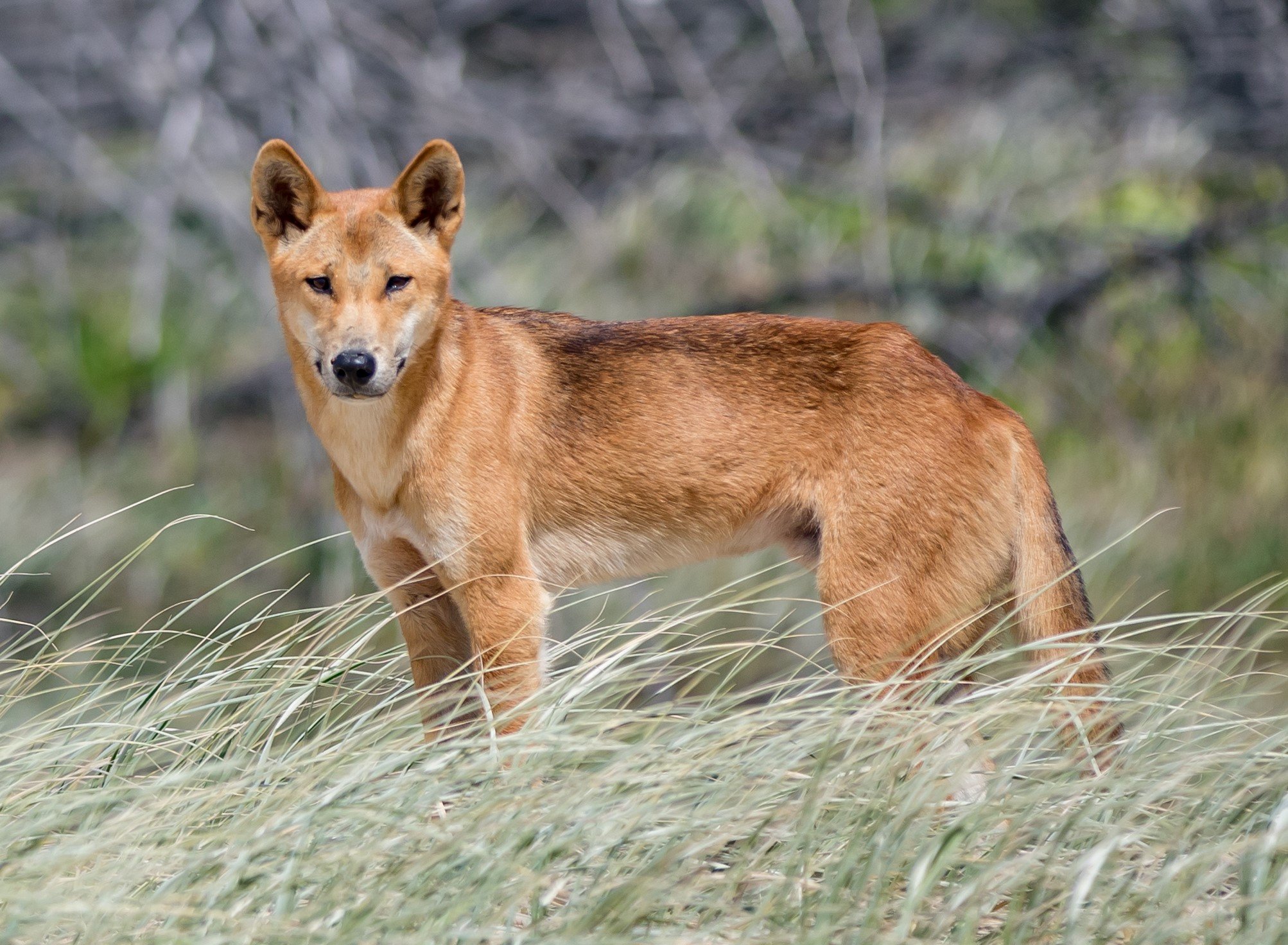
“Our results lend support to the prediction of the mesopredator release hypothesis that suppression of top predator populations results in an increase in the activity of mesopredators…Generalised linear modelling indicated that dingo activity was lower in areas where poison baits were laid and conversely, fox activity was higher in baited areas.” (Hunter, et al., 2022)
We may not be able to extract “universal rules of resistance” from a study done in one area, on the relationship between a few particular species, but that doesn’t mean studies like Gruner’s (on bird-driven resistance to arachnid invaders) are pointless. Each one sharpens the techniques and methodologies we rely on in future work, while revealing how specific ecosystems, like the montane forests of Mauna Loa, respond to specific invaders, such as comb-footed spiders. The findings of those studies can be cautiously extrapolated to other, similar forest systems with comparable bird communities facing arachnid invasives. And by compiling studies of biotic resistance from diverse ecosystems, we can still derive some general guidelines — for example, the widely supported idea that ecosystems with higher native species richness tend to be more resistant to invasion.
These broader patterns can then help inform the initial stages in the planning of a new reserve. From there, the details of the particular ecosystem in question allow us to fine-tune our conservation strategy into one that allows the native ensemble to survive and thrive, even amidst threats of invasion. It is this accumulation of data, across many such studies, that conservation is ultimately built upon.
———
“He aliʻi ka ʻāina; he kauwā ke kāne. The land is chief; man is its servant.” — ʻŌlelo Noʻeau #531
A two-year study looking at mammal diversity in the western Andes concluded that biodiversity can only be effectively conserved if we “limit human disturbance across the landscape.” Even if a reserve had the perfect internal conditions, the strongest predictor of whether large, specialist, and sensitive species — such as the spectacled bear, mountain coati, and little red brocket — would be found in an area, was the presence of human disturbance in the surrounding landscape.
What do we do when it’s humans who pose a direct threat to an established reserve?
Whether it is poaching, logging, or simply encroaching onto protected habitat, historically, the most common response to such incursions has been to put up fences and strengthen laws. It’s not that those methods are ineffective. Laws that protect a species can dissuade people from hunting it, and fences can keep people out of protected areas. But laws are only as good as their implementation, while fences come with their own set of trade-offs. And if people are desperate enough, neither fences nor laws will stop them.
At the turn of the 20th century, the Hawaiʻi ʻōʻō (that endemic, black-and-yellow honeyeater), still existed in small pockets in the island’s higher elevation forests. Henry Henshaw, an ornithologist who studied Hawaiʻi’s birds between the years of 1894 and 1904, wrote to his friend back at Harvard’s Museum of Comparative Zoology: “If the natives would let this bird alone I am sure it would increase and would reoccupy much of its lost ground, but the taste for yellow feathers still continues and as long as they can get money for them just so long will they continue their slaughter.”
Henshaw focuses here on the actions of the Hawaiian natives, while failing to mention the systemic changes happening around and to them. In 1848, an act known as the Mahele (meaning "to divide") saw Hawaiian land become privatised, ultimately leading to domination by foreign-owned ranches and plantations. For many native Hawaiians, this meant large-scale dispossession, the erosion of traditional resource management, and a forced shift into a cash economy. The trade for feathers provided a rare source of income in a collapsing traditional economy, while native birds themselves became an increasingly vital source of food as locals experienced increasing financial hardships.
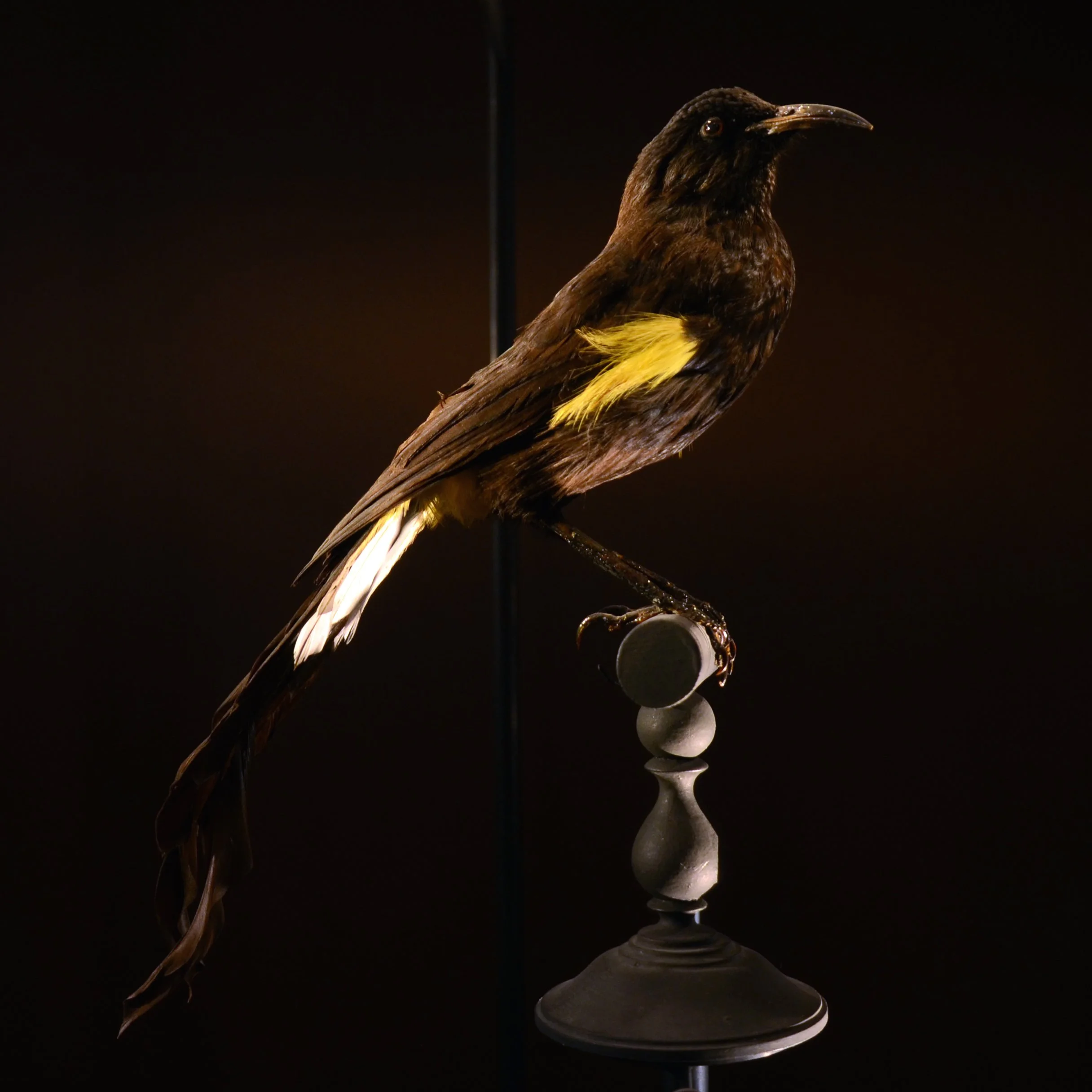
“This, the Royal Bird of modern times, is perhaps the best known of any species to both the natives and foreign residents in the islands. It is doubtful whether in ancient days it was from the yellow feathers that grow beneath its wings, or from the still more beautiful yellow feathers of the now extinct Drepanis pacifica [Hawaiʻi mamo], next to be mentioned, that the state robes of kings and chiefs were wrought. It was the privilege of those classes alone to wear them ; and it cannot be denied that they formed a becoming apparel, as magnificent and beautiful as anything that the triumphs of civilized art can now produce.” — Wilson, S. (1890). On some of the Birds of the Sandwich Islands. The Ibis, 2(6), 170–196.
The most effective way to mitigate a human threat to conservation is not to strong-arm, but persuade. The problem is, it's difficult to convince someone of the importance of conservation when that person is struggling to meet their own needs. And many of the most biodiverse regions, where effective reserves are the most needed, are also some of the most economically impoverished.
When people see no other options, they’ll be drawn to extracting resources from that nearby reserve — hunting its animals, clearing its trees, or grazing their livestock inside its boundaries — out of pure necessity. Those people may have been using that land for generations before the reserve was created, and if laws surrounding the reserve force them away, they’ll understandably feel like their land was stolen from them — in many cases, like in Hawaiʻi, it has been. Completely excluding the people who once used a protected area, who lived around or inside it, almost always leads to conflict.
One way to decrease this conflict is by creating buffer zones. Rather than one border diving human communities and areas of wilderness, we create a gradient of land use: from outer areas of intensive agriculture, logging, and settlements; to a transitional buffer zone, with more limited or regulated human activity like agroforestry, low-impact grazing, tourism, and research stations, but not permanent settlements; and finally a purely wild core that is strictly protected, allowing no agriculture, hunting, or settlements, and very limited human access overall.
Ultimately, however, the best protection a reserve can have is not a fence or buffer zone, but a local community that benefits from the reserve’s success, is invested in its success, and so wants it to succeed.
Revenue from tourism, opportunities for employment, and better access to education or infrastructure — if we can make the benefits of a reserve more valuable than the resources that can be extracted from it, the incentive to exploit those resources will be greatly diminished. And this isn't just some environmentalists pipe dream: in 2018, wildlife tourism directly contributed $120.1 billion to global GDP, versus the $23 billion in revenue attributed to the illegal trade in wildlife, meaning that the profit gained from protected wild animals is 5.2 times higher than that gained from exploited animals.
Henshaw's claim that the Hawaiʻi ‘ō‘ō “would increase and would reoccupy much of its lost ground… if the natives would let this bird alone” was, in hindsight, unlikely. While hunting can certainly threaten a species, in the case of the ‘ō‘ō, hunting was only a significant threat because the species was already endangered by habitat loss, invasive predators, and the introduction of avian malaria.
Would building a fence or strictly punishing those who hunted the ʻōʻō have saved it? On its own, almost certainly not. But if conservation efforts had focused on working together with native Hawaiians — incorporating traditional, and more sustainable forms of land stewardship, for instance — native Hawaiians, rather than being pushed towards hunting out of financial necessity, could have helped save the Hawaiʻi ʻōʻō. If that had happened, there's a chance the ʻōʻō might have still been around today.
As long as humans continue to live around reserves, the potential for disruption or invasion will always be there. Reserves will require active management and stewardship. Conveniently, there are no better stewards than those people who live around a reserve, who benefit from it, and benefit it in return.
-
“Conservation of biodiversity involves cooperation at a number of levels of government and the community. However, it is local communities which have the closest physical contact with conservation of biodiversity, and economically they are likely to be most affected by biodiversity conservation programmes. Furthermore, the cooperation of local communities is often vital for the success of biodiversity conservation programmes.” (Tisdell, 2009)
High above the terraced foothills of central Nepal, the Annapurna massif punches through the clouds, a monolithic fortress of ice and rock. Nestled in the shadows of these eight-thousand-metre giants, there is wilderness: sheer slopes, bamboo thickets, rhododendron forests, and roaring rivers. There is also the chime of prayer wheels and the glow of hearth fires emanating from centuries-old stone villages.
This is the Annapurna Conservation Area (ACA), Nepal’s largest Protected Area. Contained within its 7,629 square kilometres (4,740 mi²) are ghostly snow leopards, hardy blue sheep, and sacred Hanuman langurs; it is the only place in Nepal where all six of the country’s Himalayan Pheasants can be found, including the rugged cheer pheasant, the shocking blood pheasant, and the iridescent Himalayan monal; meanwhile, its forested lower reaches shelter himalayan pit vipers, skinks, and newts. Tallied up, the ACA holds 1,226 species of flowering plants, 105 mammals, 523 birds, 40 reptiles and 23 amphibians. It is also home to over 100,000 human residents of different cultural and linguistic groups.
The Annapurna Conservation Area Project (ACAP), launched in 1986, holds the title of Nepal’s first Conservation Area. Unlike traditional national parks, which historically displaced indigenous populations and relied on state or military enforcement, ACAP operates on an Integrated Conservation and Development Programme (ICDP) model. This means that local people are allowed to live within the boundaries, own private property, and maintain their traditional rights to natural resources.
At the highest level, the National Trust for Nature Conservation (NTNC) holds the legal mandate from the Nepali government to manage the area; they provide the technical expertise, scientific research, and overall administrative oversight. But the actual day-to-day governance and on-the-ground decision-making
of the ACAP are carried out by the Conservation Area Management Committees (CAMCs).
Each of the roughly 57 former Village Development Committees (VDCs) within the area has its own CAMC. These committees consist of 15 local residents. They are given the legal authority to manage natural resources in their specific jurisdiction, as well as decide on local conservation rules, forest management, and small-scale infrastructure projects. Any decision regarding the management of the ACA requires the agreement of those living within it. This bottom-up approach has led to practices and policies that both conserve the land, and improve the lives of those people living on it.
For example, the number of trekkers allowed into the area is regulated to prevent environmental degradation, while 100% of entry fees collected from visiting trekkers goes back into the region (e.g. used to fund schools and medical facilities). Meanwhile, the promotion of sustainable energy — the installation of micro-hydroelectric generators, solar water heaters, and more fuel-efficient stoves — both combats deforestation in the area and provides locals with more reliable, long-term power.
Well managed protected areas provide more than just pretty vistas and places to hike. The Kamakou Preserve on Molokaʻi, for example, essentially acts as a sponge; capturing "fog drip" through its intact forest of native ʻōhiʻa trees, which then recharges the aquifers that provide the island's primary source of drinking water. In the continental United States, more than 150 coastal refuges (like Anahuac in Texas) serve as storm buffers, preventing hurricanes from damaging infrastructure and endangering lives farther inland. Meanwhile, healthy coral reefs can act as submerged breakwaters, absorbing up to 90% of incoming wave energy and protecting shorelines from erosion and storm damage.
Conservation, in large part, seeks to conserve the basic resources communities rely on: air, water, and land.
According to the Convention on Biological Diversity, “protected areas provide livelihoods for nearly 1.1 billion people, are the primary source of drinking water for over a third of the world’s largest cities and are a major factor in ensuring global food security.” (Convention on Biological Diversity)
So what about food? Moving livestock between different altitudes, known as agro-pastoralism, is the lifeblood of trans-Himalayan culture. In the ACA, the rangelands where yaks, sheep, and chauri can graze are managed as "commons." And individual CAMCs set dates for when livestock can enter certain high pastures and when they must leave to prevent overgrazing.
Hunting in the ACA, meanwhile, is strictly prohibited for both locals and visitors. And while government rangers here are few, the “Mother’s Groups” are everywhere. Known locally as Ama Samuha, these groups are rooted in the indigenous Gurung and Magar cultures of Nepal. As women were the primary users of the forest in the ACA (men often travelled for work), these groups were formalised and given responsibility over waste-management, illegal logging, and poaching. Uniquely, their power doesn’t just come from national law, but a system of social stigma: anyone caught poaching or illegally logging is publicly shamed and fined by the village committee. This kind of internal policing turned out to be far more effective than external policing by the army or state rangers.
But while hunting is illegal in most of Nepal (save the Dhorpatan Hunting Reserve in the west of the country), in other parts of the world, the “spill over” from protected wildlife areas can actually provide more wild resources in the long term. We see this around the massive Papahānaumokuākea Marine National Monument which protects the waters surrounding the northwestern Hawaiian Islands — fish populations within the protected area exploded, and then "spilled over" into adjacent waters, increasing the catch for local commercial and subsistence fishers.
While humans cannot legally hunt in the ACA, there are obviously no laws for wild predators. So when snow leopards or wolves kill livestock, which happens not-infrequently due to the ACA’s high predator populations, the losses are covered by “compensation schemes.” One such is a form of local insurance: each livestock owner pays a small amount per head of livestock annually, and should any of their livestock be killed, they are compensated from this community-managed fund. Areas with no local insurance, meanwhile, can file claims with the NTNC which provide set compensation for 16 protected predator species.
But compensation schemes don’t always satisfy everyone — the local insurance in the ACA, for example, has a 64% satisfaction rate among participants. This is especially true when the life lost is not livestock, but a friend or family member.
In India, compensation schemes for human–wildlife conflict are meant to ease the burden of tragedy, but their results aren’t always satisfactory. For one thing, families must navigate a dense bureaucracy; providing post-mortem reports, police reports, and proof that the death occurred within specific forest boundaries. In remote regions, securing these documents can cost more in travel, time, and informal payments than the compensation itself. And many people can’t just tear themselves away from their work for days or weeks. And even when claims are legally valid, many compensatory payments just never materialise. Studies from the Western Ghats and Rajaji National Park show that only around 31% to 57% of claims are successfully paid. For those that are, the process is slow — families wait an average of 294 days, nearly a year after the loss, to receive support. The payments themselves, often around ₹10 lakh ($10,800), may cover a few years of lost income for a primary earner, but they cannot account for the long-term consequences such as the loss of future opportunities and the psychological toll on the family.
In some cases, dissatisfaction can lead to retaliatory killings (such as poisoning tigers or electrocuting elephants), the exact opposite of what compensation programs are trying to achieve.
Some places, rather than giving out compensations for damages or payments for labour, have started experimenting with a form of basic income for stewardship. The "Natural Dividend" program was launched in February 2026 on the island of Príncipe (the smaller of the two main islands in São Tomé and Príncipe). It works like this: eligible adults receive up to 20,000 dobras (approx. $850–$900 USD) annually, with payments disbursed in quarterly installments through a non-profit entity called Faya. The program covers approximately 3,000 people (who have to have lived on the island for at least eight years), which represents about 60% of Príncipe’s adult population. In exchange for the dividend, residents sign a legal agreement promising not to engage in environmentally harmful activities, such as illegal logging, poaching sea turtles, or destructive fishing practices. Whether this upfront dividend program will actually be effective, only time will tell.
However, many communities would understandably prefer to generate their own self-sustaining revenue from protected areas, rather than rely on funding from any government or organisation.
Along with the fees collected from trekkers visiting the ACA, local lodges have been strategically established along the Annapurna Circuit, with standardised lodge pricing and menus that protect local entrepreneurs from predatory tourism practices and price-undercutting (ensuring a fairer distribution of income). These profits are then reinvested into making the ACA a more livable place for locals and a more attractive place to visitors; for example, through funding the creation of over 1,000 km of trails, safe suspension bridges, and health posts in more isolated villages.
The collection of wild plants — such as yarsagumba (caterpillar fungus), also known as “Himalayan viagra" — is another source of self-sustaining income, that is regulated on a case-by-case basis. For instance, CAMCs charge local and outside collectors a fee to enter the pastures during harvest season, with some villages earning between $2,000 and $25,000 USD annually just from these collection permits.
By giving local people the power to sell permits and set rules, they gain a direct financial interest in the health of their environment. If the natural resources disappear, whether that be aphrodisiac fungus or natural beauty, their revenue disappears. This turns the local population of the ACA into a 100,000-strong coalition that is far more effective than any government assigned rangers.
The inclusion of locals in the decision making process means the inclusion of local knowledge in the strategy-making process. And, as a paper on the protected coastal areas in Suriname concludes, “The inclusion of local knowledge through participatory drafting of management plans has contributed to overcoming some major management challenges…”
The Suriname coast is a labyrinth of mudflats and mangroves. Researchers often visit an area for a few weeks a year, while local fishers and hunters observe the coast daily. Locals, then, can provide data on shifts in mangrove migration and bird nesting sites that were previously unknown, allowing for more effective designation of protected areas.
The rangers at Virunga National Park in the DRC are often described as having the roughest job on the planet — nearly 200 rangers have lost their lives since 1925 — yet over 750 men and women (nearly all of whom are local Congolese citizens) now patrol the park's jungles, monitor the gorillas, and track poachers. These efforts have made mountain gorillas the only great ape population not in decline, with the reserve hosting a growing population despite surrounding civil unrest.
In Western Australia, reinstating the traditional practice of "patch burning" drastically reduced destructive late-dry-season wildfires, protecting endemic plant and animal species, as well as reducing greenhouse gas emissions from wildfires by over 30%.
The Hā‘ena Community-Based Subsistence Fishing Area (CBSFA) — Hawai‘i's first designated community-managed marine area, located off the northwestern coast of Kaua‘i — has higher biomass and diversity of fish within the area, compared to the surrounding waters and state-run areas. A similar system in the Navakavu Locally Managed Marine Area (LMMA) in Fiji, saw a 137% increase in fish biomass within just a few years.
And the Annapurna Conservation Area? For one, the area hosts impressive populations of large mammals — with blue sheep densities higher than in other regions (an important prey-item for snow leopards) — hundreds of bird species, and a dazzling array of plants. Satellite data and longitudinal studies have also shown a significant increase in forest cover across the Annapurna range since the 1990s. But perhaps the most dramatic success of the ACAP model was its resilience during the Maoist Insurgency (1996–2006). While many state-run national parks in Nepal saw their infrastructure burned and their wildlife poached when the army withdrew, the ACA remained largely intact. This is largely attributed to the fact that ACAP was community “owned” — managed by local committees rather than the central government — making it a politically neutral entity.
Training locals as rangers, wildlife monitors, and eco-guides; educating children about conservation in schools, promoting pride and awareness in local biodiversity; providing small grants to fund conservation-friendly enterprises like beekeeping, handicrafts, sustainable agriculture; ensuring representation of women, indigenous groups, and marginalised voices in reserve management boards; setting up self-sustaining systems that allow local communities to benefit from protected areas — the best methods for building up independent, long-term, and locally-led conservation are also beneficial for local communities themselves. And, in turn, local communities become vital to the long-term success of reserves.
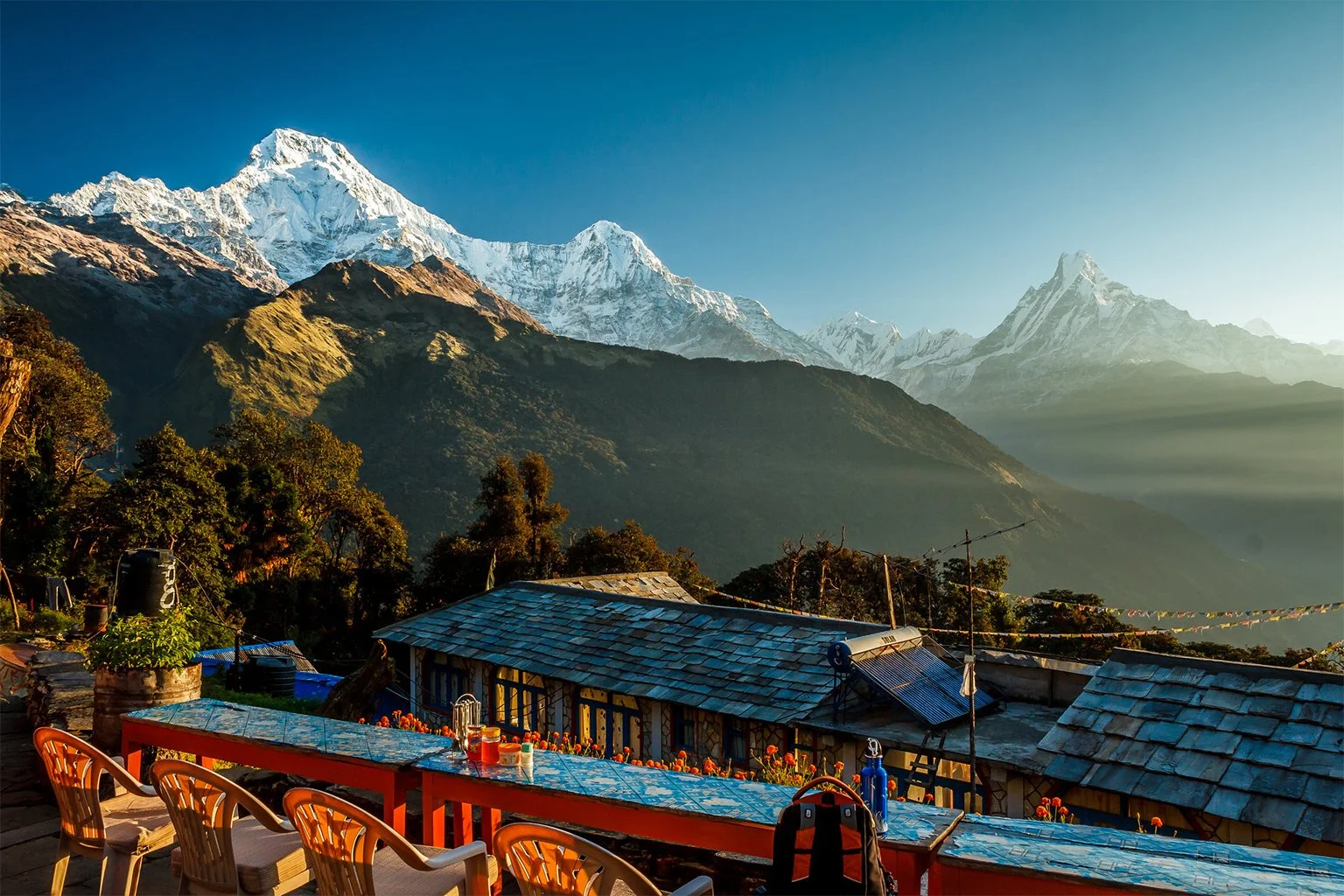
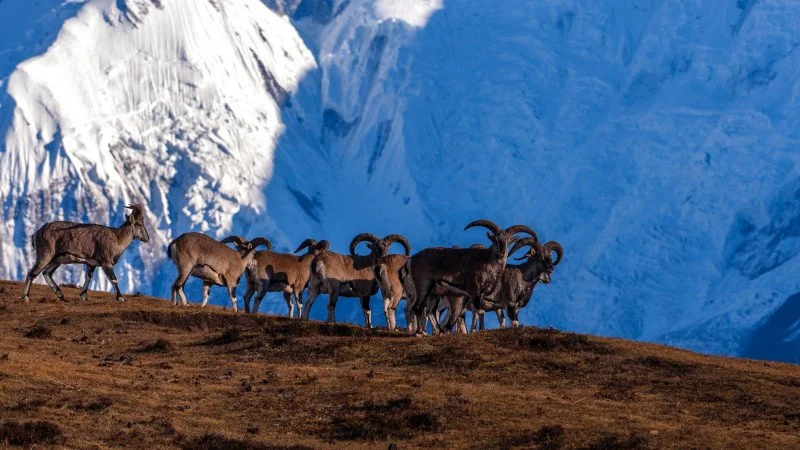
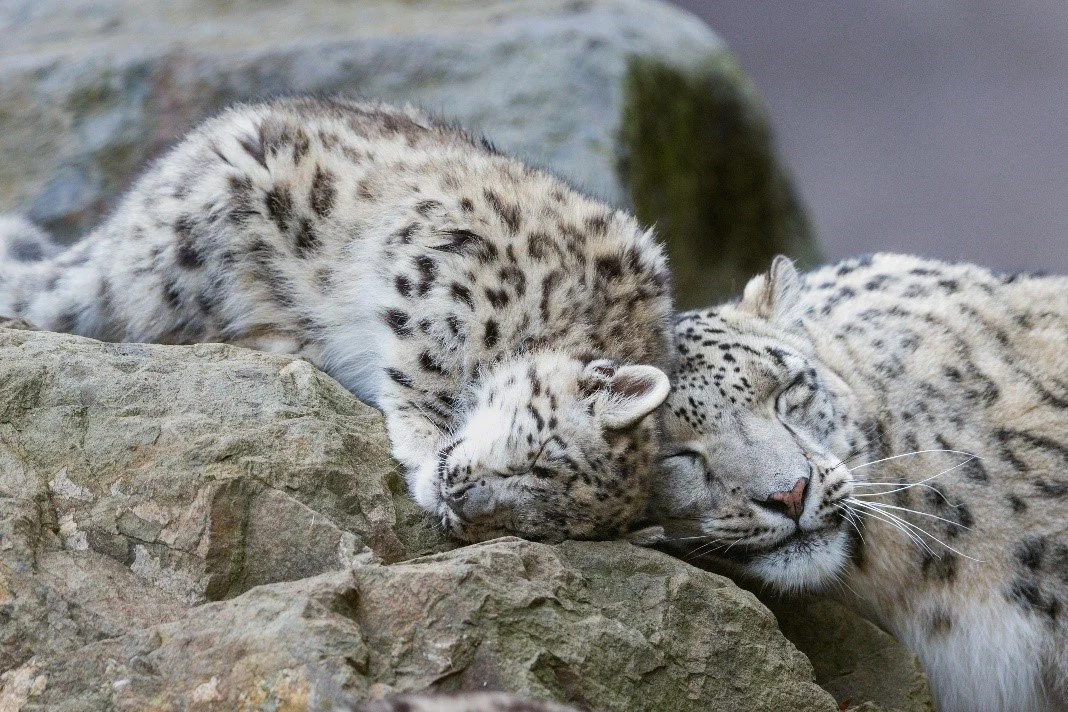
Time and again, community-based conservation has repeatedly proven to be the most effective way to protect natural reserves in the long term. When conservation stops trying to just keep people out, and instead works alongside them, allowing for everyone’s concerns and ideas to be shared and acted upon, it restores a sense of kuleana: a Hawaiian concept that can mean both responsibility and privilege, and is often used when referring to the care of one’s shared culture, community, and land.
———
The creation and maintenance of effective reserves will depend on political will, funding, and public support. It will depend on our shared library of research and our ability to work together to come up with an effective plan.
We can secure the support of governments, organisations and local communities, and receive the necessary funds to create reserves. Yet the reserves we create may turn out to be ineffective at protecting biodiversity. We can do all the research we want, monitoring forest fragments in the Amazon and kīpuka across Hawaiʻi, to come up with the ideal reserve for every unique ensemble of species. Yet those ideal reserves may never progress beyond maps and models.
Conservation demands that we understand both people and ecology. Only by doing both the outreach andthe research, can we create reserves that work, and continue to work; that preserve areas of high biodiversity, rare habitats, and unique, vulnerable, and charismatic species, far into the future.
-
To some, the need for wilderness reserves is self-evident. Others may ask why? Why put in all the money and effort? Who or what are reserves for?
If set up properly, reserves can be for people just as much as they are for the environment and biodiversity. As we’ve seen, the income generated from a reserve can be far more sustainable than the exploitation of its limited natural resources.
Reserves can advance our scientific understanding of the world. We’ve seen how islands and kīpuka (island within islands) can be natural laboratories for the study of evolution and ecology. Reserves can be just the same: models that reveal the complicated workings of the natural world. The more varied and numerous our reserves, the more diverse our knowledge, and the more accurate a picture we get when we put it all together.
Are reserves for ourselves, our future children? Both?
They are sources of wonder and beauty that many of us enjoy today. But, like a book borrowed from a library, it should be enjoyed responsibly, so as not to damage or ruin it, so that those in the future have a chance to enjoy it too. Would we rob future humanity of that joy?
The human world, our cities and suburbs, are built by us, for us — to fit exactly our wants and needs. Everything was made for a reason, for a purpose. These human-habitats have brought us convenience, they have allowed peoples to mix and meld, for communities to come together and build off one another. But they are missing something not even the largest urban parks can truly replace.
Increasingly, protected reserves are becoming the last areas of wildness on the planet, and the last places to find that quiet that only exists in wild places.
In a city you work, you shop, you socialise, you relax, you do things. A city is a place built by productivity, as a place for people to be productive; to get stuff done, whatever that may be. Yes, you can sit on a park bench and do nothing, but you’ll still be surrounded by others doing: commuting, exercising, socialising, etc. Every person on a track, dictated by their tasks and to-dos. This is fine. Things need to get done, and you can find joy in doing them. But, eventually, you’ll need a break. And not just a pause in your schedule, but a real break, away from all that is happening.
Wilderness is the place, the only place, where you can truly take that kind of break. A place where you don’t feel pressured to do, and can be content to just observe. Wild spaces exist without purpose. They’re places that just are. Places that allow us to just be.
Perhaps their “purpose,” then, is to remain the last places of purposelessness on our planet.
No one has suggested that we'll wipe out all life on Earth. We will, however, greatly diminish its diversity, beginning with the most vulnerable. We can’t go on as is and expect life to adapt to us. If we do, eventually all we’ll be left with are the few “weedy” species: the rats and roaches, the mynas and mongooses, cats and cane toads.
Maybe we protect nature and its species for our own legacy, or perhaps the legacy of our entire species. Will we be the killers of biodiversity? Today, we look back on the waves of colonists that flooded Hawai’i post Captain Cook — wrecking its ecosystems, driving countless species to extinction, turning an Edenic paradise to an ecological tragedy — and we see them as irresponsible, selfish, uncaring, or, at the very best, extremely ignorant. Will future generations look back and see us the same way, but on a much larger scale?
Perhaps the creation of reserves can be justified for the sake of life itself. Do we have the right to end the existence of other creatures? If not, then, logic follows that it is our right — not an act of charity, but an obligation — to protect them from extinction at our hands.
When confronted with the “why” of it all, Joseph Linduska, a vertebrate zoologist working with the U.S. Department of the Interior, specifically responsible for endangered species legislation, admitted that “if you strip away sentiment, morality, conscience, ethics and possibly some religious involvement, I must admit there is little left to convince a big-city baseball fan or a harassed tenement dweller sitting beneath a leaky roof.”
But he continues: “By now I’m content to abide by the unexplainable sympathy that a great mass of people feel for their animal associates on the brink—and let it go at that. Maybe—just maybe—world turmoil and the stresses of modern-day living have engendered an insecurity in ourselves. Maybe, apprehension of our own future has installed a simpatico for the future of others. Or maybe humans, of whom there are too many, have come to identify with those species of which there are too few.”
(Why does extinction matter? Read more here!)
———
The Tale the Nēnē Tells
Anyone familiar with Hawaiian fauna has likely noticed that one Hawaiian animal has been all but absent from our exploration of the archipelago’s history and ecology.
The nēnē, or Hawaiian goose, has been the state bird of Hawaiʻi for as long as Hawaiʻi has been a state. Long before that, this furrowed goose held close ties to the Hawaiian god Lono and was seen as a symbol of family, unity, and perseverance. The earliest Hawaiians heard its low honks (“nay-nay”) and gave the goose its first name. Much further back, some 500,000 years ago, the ancestors of this large waterfowl — most likely a flock of Canada geese — strayed far from their migratory route. This lost flock arrived in Hawaiʻi shortly after the birth of the eponymous Big Island and, over some half a million years, the geese spread across the archipelago and evolved into several species, including the giant nēnē, the nēnē-nui, and, simply, the nēnē.
Sometime in the early Holocene (~11,700 years ago), the giant nēnē, a flightless behemoth of a bird, went extinct. Around 1,000 years ago, not long after the first humans arrived, the nēnē-nui also met its end. The smallest of these geese, the nēnē, witnessed its two sister species disappear forever, and yet it seemed to prosper — for a while, at least. It's estimated that 25,000 nēnē existed across Hawaiʻi when Captain Cook made landfall in 1778.
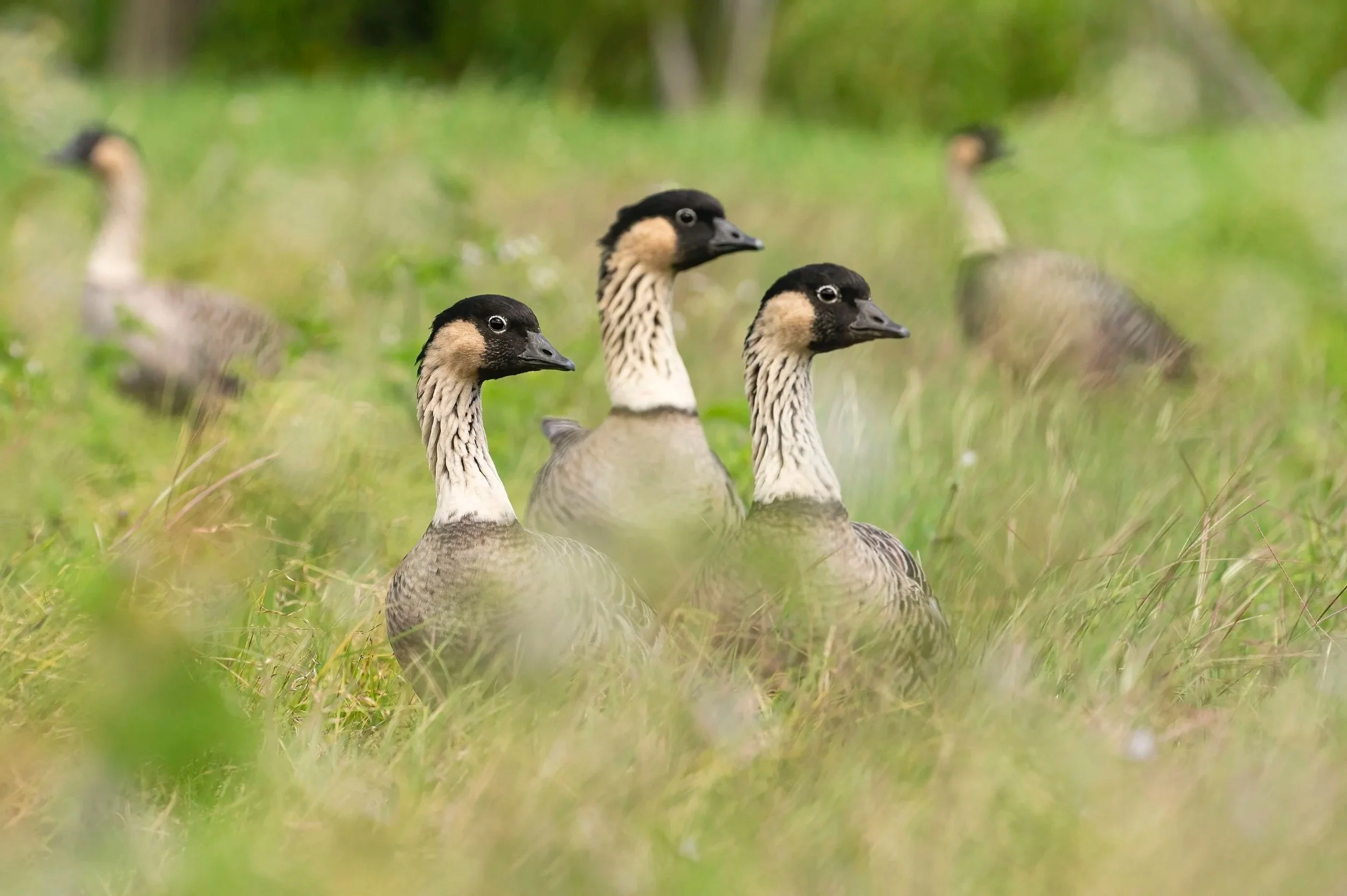
“On our way to the sulphur banks, we saw two flocks of wild geese, which came down from the mountains, and settled among the ohelo bushes, near the pools of water. They were smaller than the common goose, had brown necks, and their wings were tipped with the same colour. The natives informed us there were vast flocks in the interior, although they were never seen near the sea.”
— Narrative of a tour through Hawaii, Third edition (1827), by William Ellis
We’ve witnessed the changes that followed in Cook’s wake; from large-scale land changes, to increased hunting pressure, to the introduction of invasive predators like cats and mongooses.
Paul H. Baldwin, one of the first scientists to study the nēnē in-depth, published a paper in 1945 that concluded with the following statement: “The future of the Nene is uncertain. With no protection other than that of laws which prohibit shooting or molesting of the Nene, there is little prospect it will survive the present day development of the island.” Baldwin estimated the population to be less than 50 birds (although 60 may have been closer to the true number). By the time Hawaiʻi became a state in 1959, there were only some 30 left.
This pattern is, by now, a familiar one.
The poʻouli, discovered too late in its too-tiny plot of forest; the Laysan rail, starved by rabbits and eaten by rats; honeycreepers, feverish with malaria; and the ʻalalā, hunted, poisoned, predated, ill, homeless. So many Hawaiian species have declined, for one reason or another, and continued to spiral into extinction, or very close to it. Yes, that downward spiral is now all too familiar.
What is less familiar, however, is the rest of the nēnē's tale.
The initial efforts to save the nēnē from extinction came not from the government or any organisation, but from individual people. As the species declined precipitously during the early 20th century, Herbert Shipman, an American-Hawaiian businessman and avid flower-enthusiast, began the world’s first nēnē breeding program on his own private property on the Big Island — specifically on Haena beach (hāʻena meaning “red hot,” likely for its proximity to Kīlauea Volcano).
But the decline of this endemic goose didn’t go unnoticed by others for long, thanks in large part to Paul Baldwin's research and writings in the 1930s–40s.
The Board of Agriculture and Forestry in the Territory of Hawaii soon contracted Charles and Elizabeth Schwartz, a pair of biologists who were studying prairie chickens in Missouri at the time, and flew them over to the Big Island in 1946 to “survey the game birds that were native or introduced into Hawaiʻi and to determine where they lived, their approximate densities and actual numbers, what they ate, when they reproduced, and what was their survival rate.”
So the Schwartzes studied the nēnē, building on the knowledge accrued by Baldwin. And Shipman, meanwhile, continued to breed them. As the wild population fell nearer and nearer to extinction, Shipman’s flock grew — fed on the nectar of wild fuchsia flowers from California. His efforts were not without complications, however.
On the 1st of April, 1946, a tsunami hit the Big Island’s east coast, killing half of Shipman’s flock and forcing him to move the rest to ‘Ainahou Ranch, away from the coast and onto the slopes of the temperamental Kīlauea Volcano. There, inside a kīpuka formed by lava flows in 1852 and 1935, he created his second sanctuary and, undeterred, he continued to breed geese.
By 1949, the Schwartzes had explored the archipelago’s main islands from “from sea level to volcano top,” and published a book called A Reconnaissance of the Game Birds in Hawaii, containing some of the research they’d gathered over their past 3 years in Hawaiʻi. Their entry on the nēnē begins:
“High on the volcanic slopes of Mauna Loa and Mt. Hualalai, a remnant flock of probably the world’s rarest bird ekes out its precarious existence. Through the span of its evolution, this unique waterfowl has become adopted to a specialized habitat of open and sparsely-vegetated lava and small, temporary rain pools.”
The nēnē occupies the smallest range of any goose in the world. In its isolation, the nēnē’s wings had become shorter, for it no longer needed to migrate south during winter as its ancestors did. The pads on the bottom of its feet grew thick and its toes long, the webbing between them shrinking away — the feet of a waterfowl that does less swimming and more trekking through shrublands and scrambling over lava plains. Its bill became short and stubby for feeding on over 30 species of terrestrial plants; for tearing grasses, twisting fruits, and plucking seeds. The nēnē doesn’t require fresh or oceanic waters — it even mates on land, contrary to most other waterfowl — and, although it’s still a capable swimmer, it can often be found far inland and far uphill, as high as 2,400 metres (7,800 ft) above sea level.
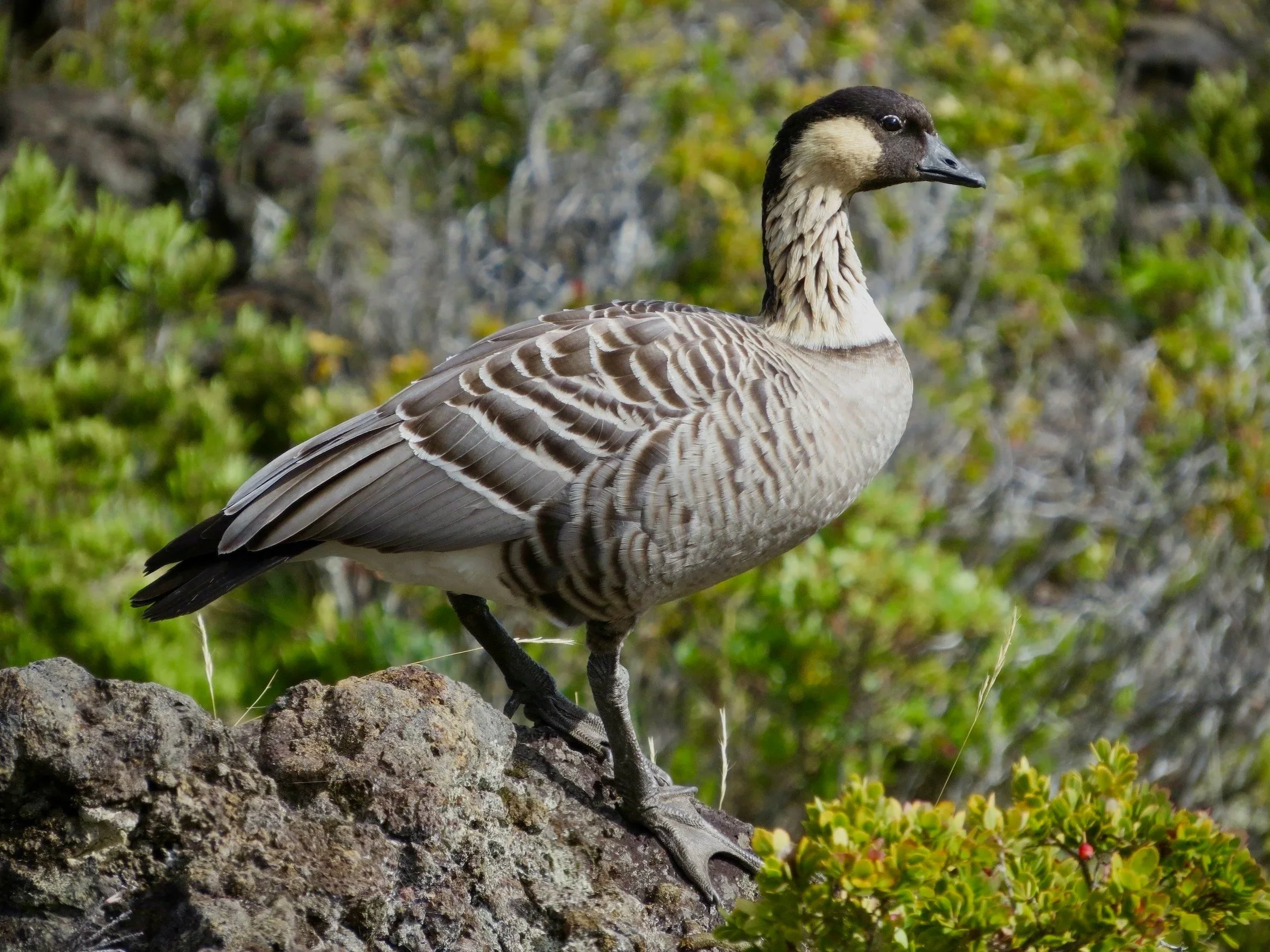
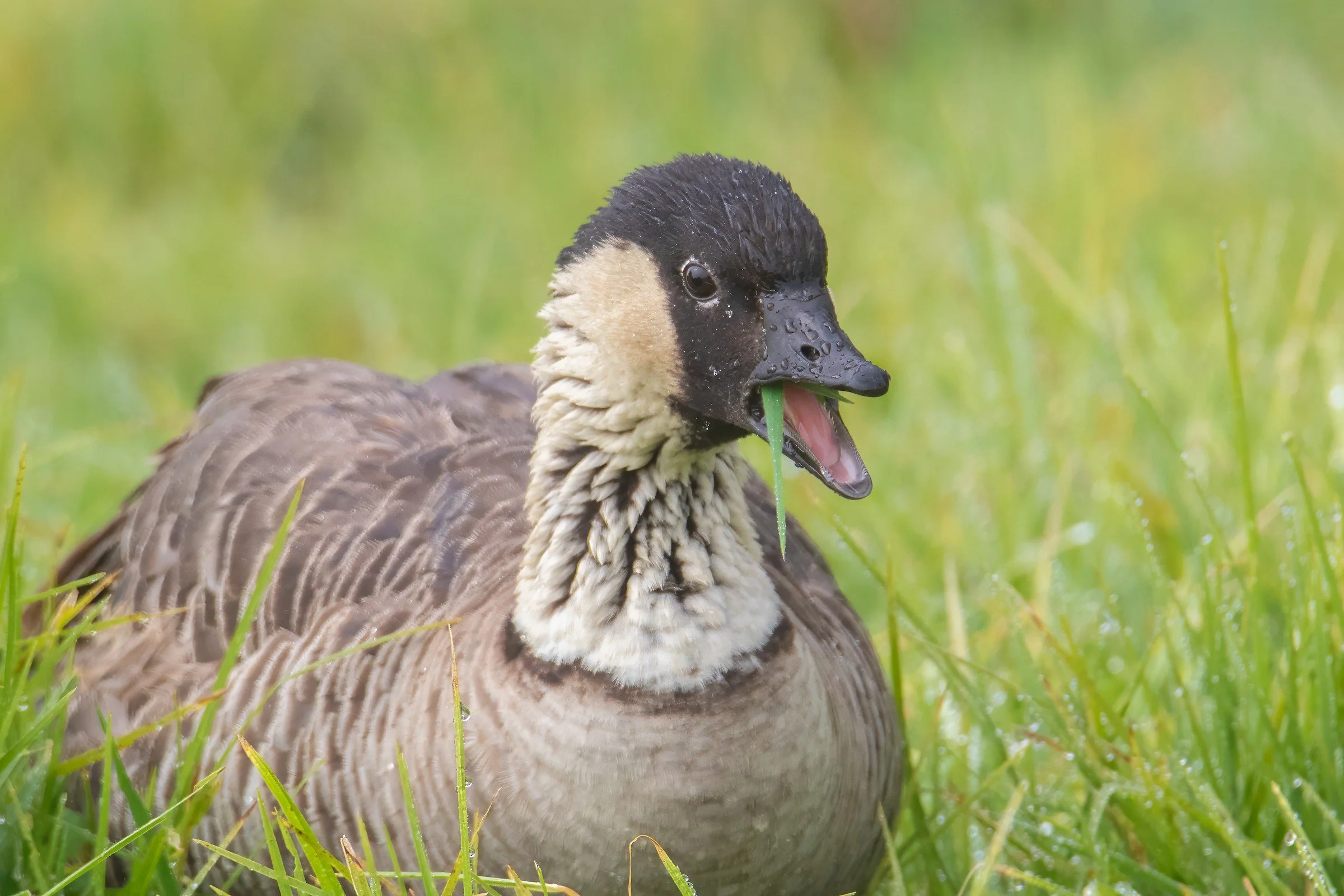
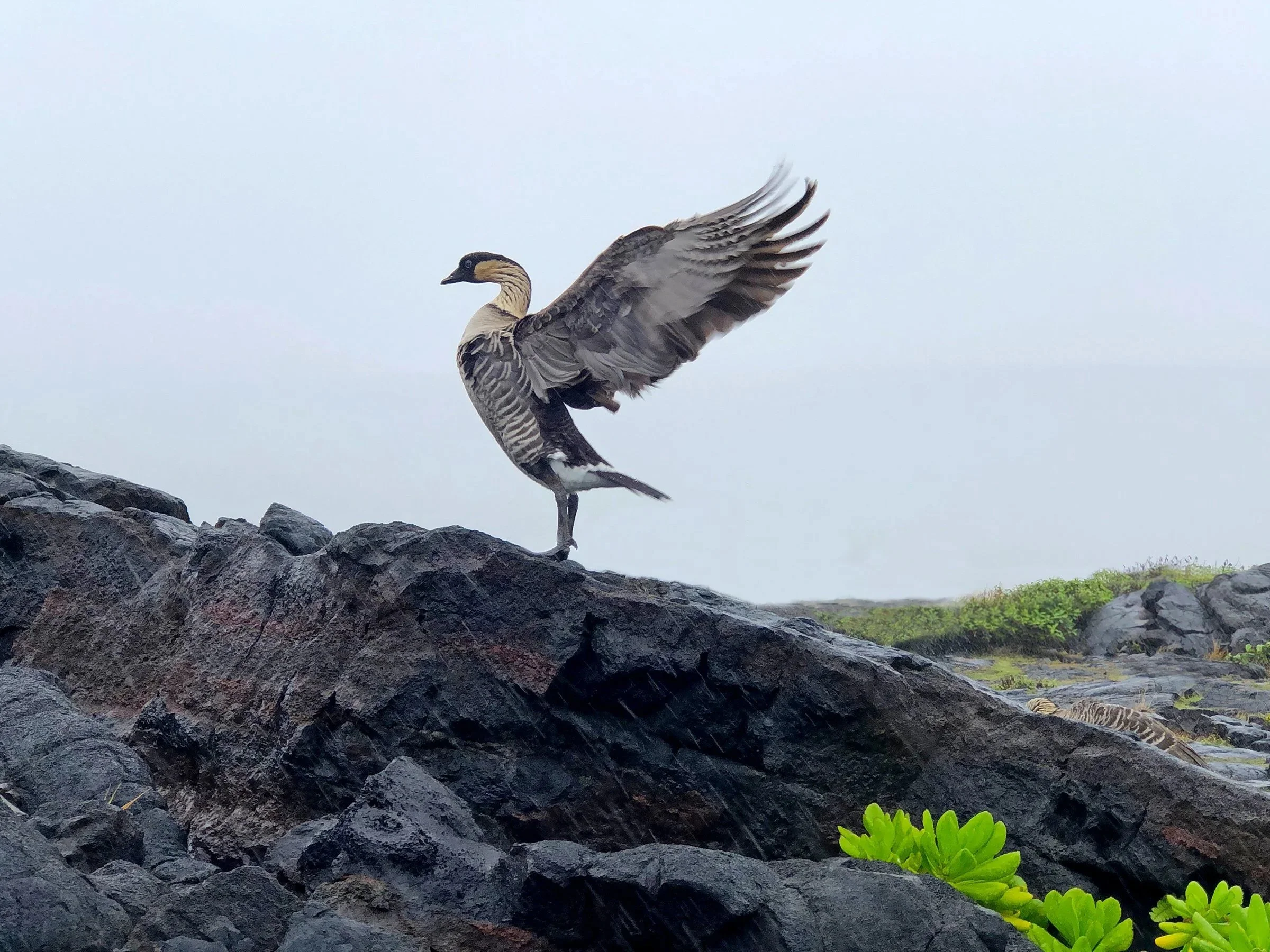
The Schwartzes’ collected information by observing, trapping, banding, and analysing the stomach contents of these geese. But much of that research isn’t included in their book.
Instead, most of the nēnē's entry is devoted to its decline; how it all but disappeared from Mauai, and how its total range shrunk by over 50% on Hawaiʻi. Like many of Hawaiʻi’s native birds, the nēnē historically ranged across the lowlands but was forced to find refuge on remote, high-elevation volcanic slopes and other less-accessible areas — not ideal habitat, but better than the changing lands below. The Schwartzes described the threats the nēnē faced in illegal hunting, feral grazers altering breeding habitat, and invasive predators killing goslings and eating eggs. They concluded with a warning: “This wildfowl is the next Hawaiian, if not world, species facing extinction. They called for an “immediate study [of]...this bird's life history and means of survival,” and “a secure breeding stock from captive birds” in order to propagate this species “as intensively as possible.”
As the wild nēnē population hit an all time low, the first official conservation effort, the Nēnē Restoration Project, was launched by the State of Hawaii and the U.S. Fish and Wildlife Service in 1949. Shipman provided (either gave or loaned) his geese to breeding efforts at the Honolulu Zoo, and a pair of his geese also served as the core stock for the Severn Wildfowl & Wetlands Trust, a breeding program in the United Kingdom.
Unfortunately, the male provided to Honolulu Zoo turned out to be sterile. The UK program, meanwhile, was eventually provided with a second breeding pair, however, both pairs ended up laying infertile eggs. For a moment, it seemed the efforts to breed up a population of nēnē might go the way of the poʻouli.
The breeding cycle of the nēnē isn’t short — in fact, it has the longest incubation period of any goose — and the end product is a clutch of two to five large eggs which, if fertile, hatch within a month's time.
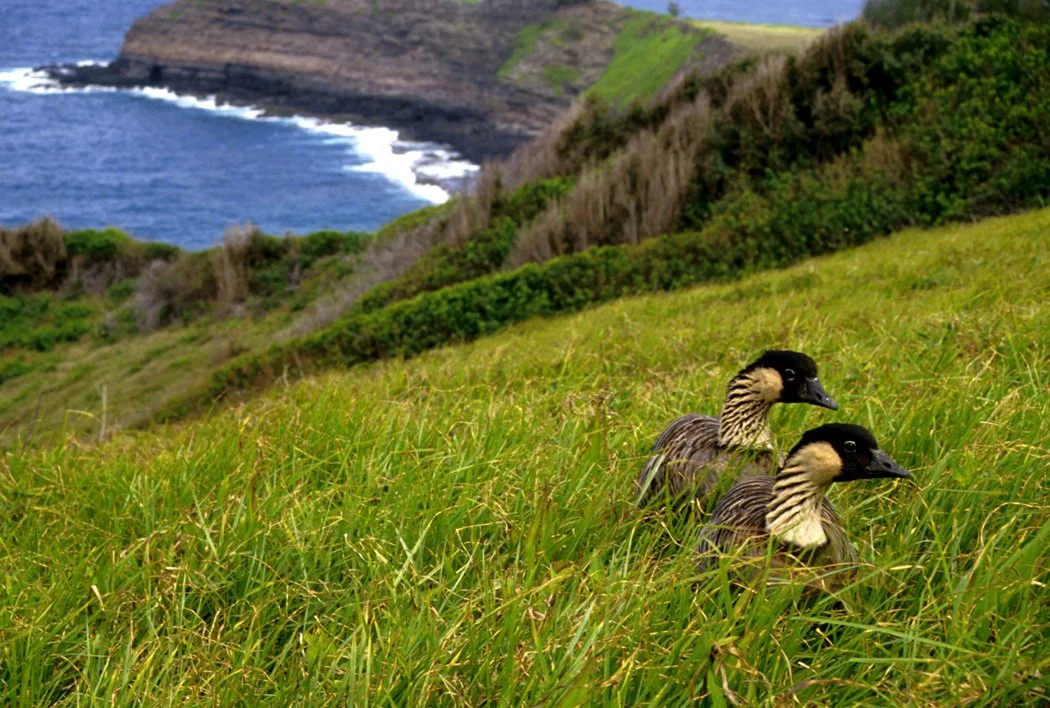
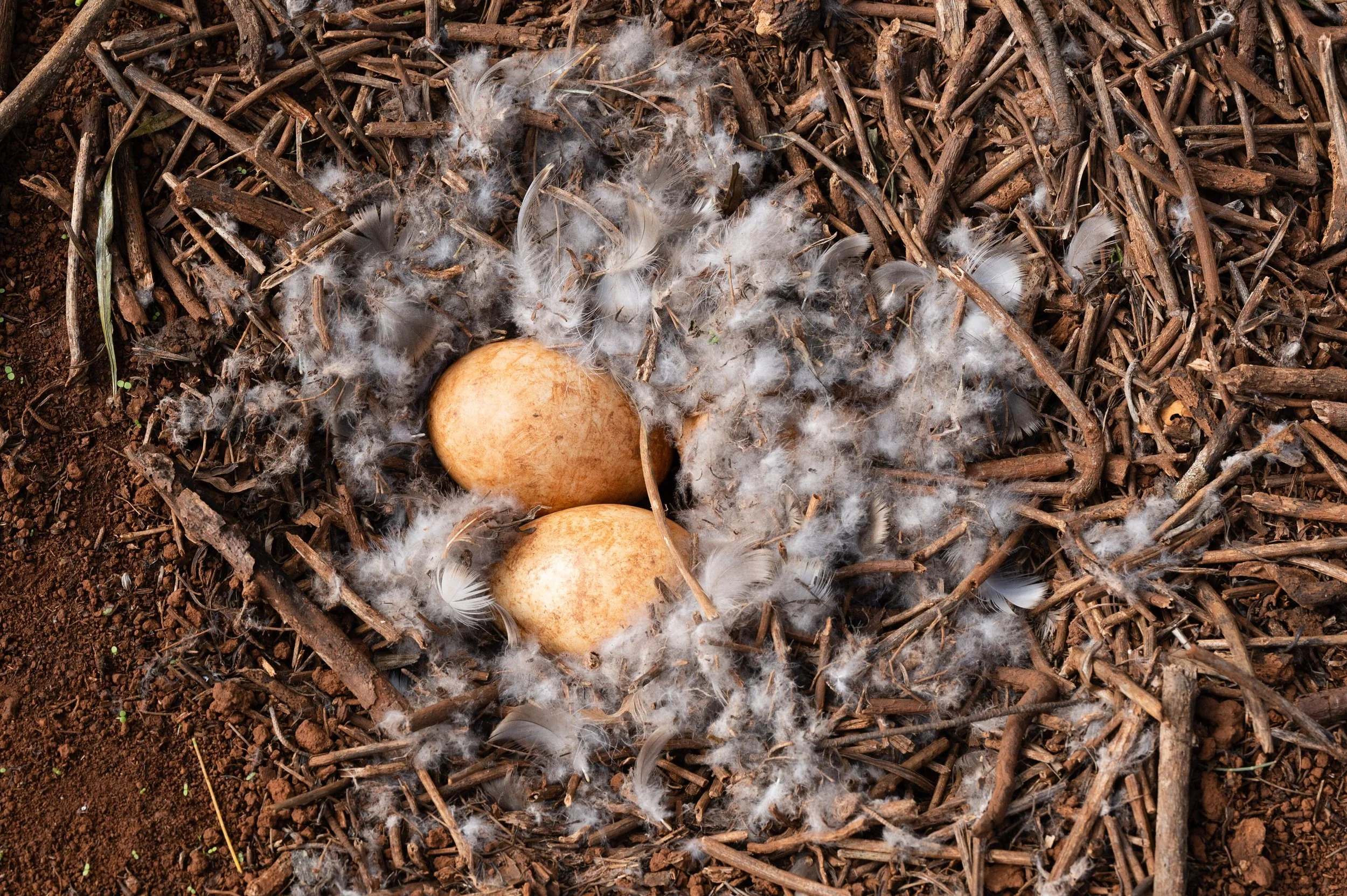
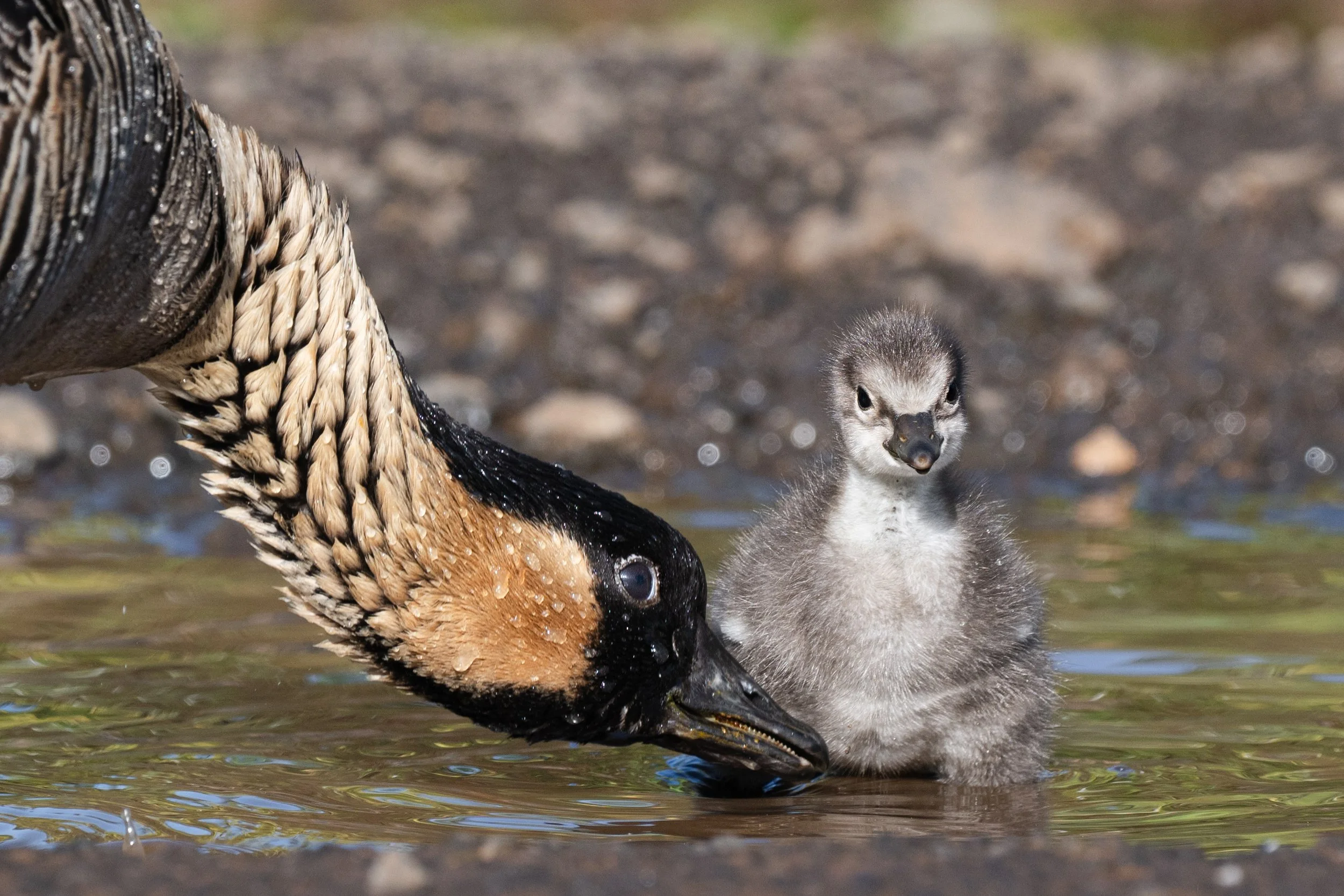
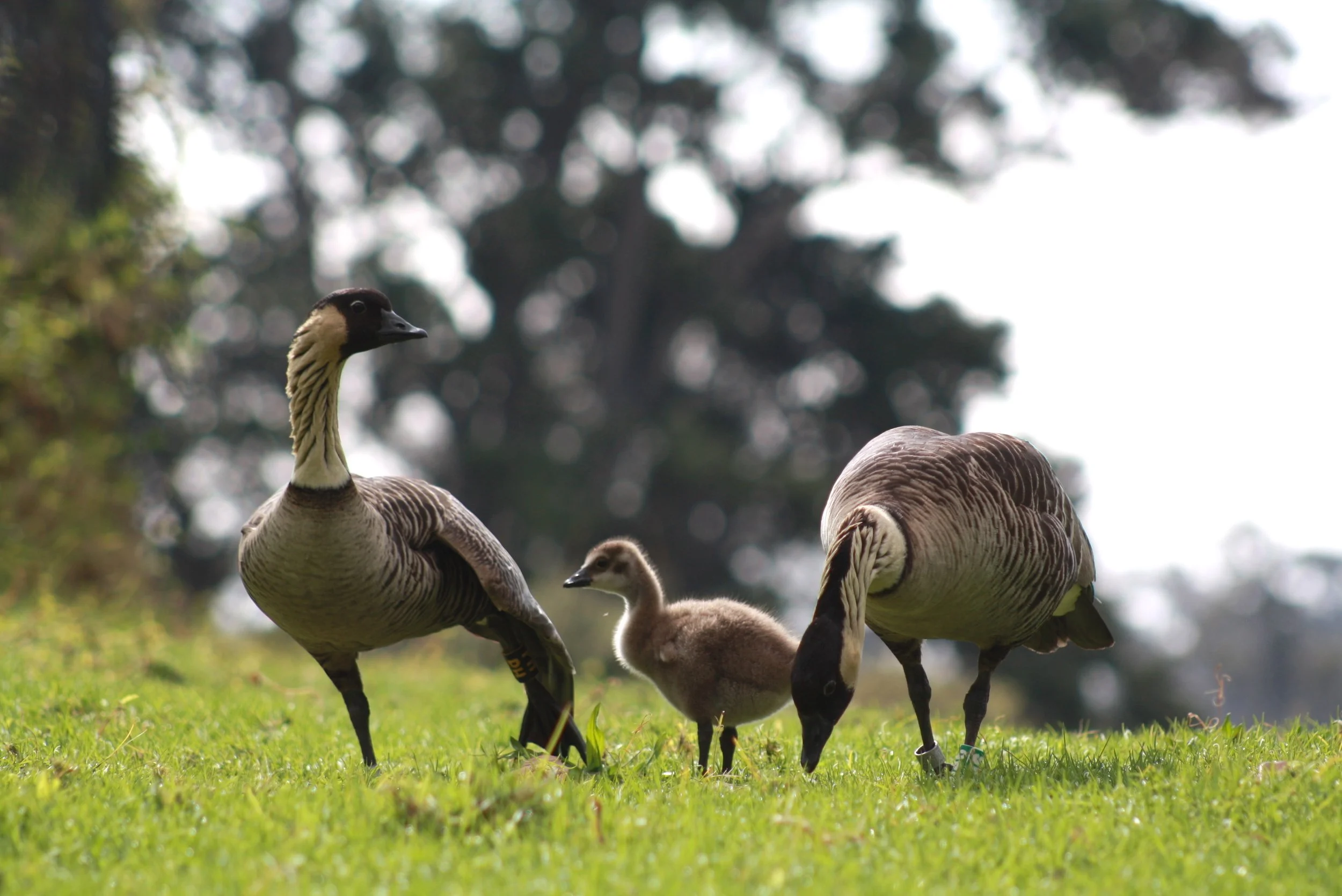
Eventually, after a few setbacks, the geese did breed. Honolulu Zoo would keep a small population, cooperating with other breeding efforts, and eventually transitioning to focus on public education (using their captive nēnē as species ambassadors), while the UK Wetland Trust would become the largest overseas nēnē colony. Utilising all the data that the Schwartzes and Baldwin had collected on the nēnē — suitable habitat, water access, plant cover, diet — another breeding program was established within the Pōhakuloa Military Training Area on the Big Island, located atop a high plateau between Mauna Loa, Mauna Kea and Hualalai.
By 1967, with the nēnē’s numbers up to 279 individuals, it was officially listed as an Endangered species under the Endangered Species Act (ESA). The spiral towards extinction had been halted, and now began to reverse. By 1980, there were 400–450 geese. By 2004, there were 1,304. Not long after 2011, the population eclipsed 2,000. In 2019, with 3,252 geese in existence, the species was down-listed to Threatened. Today, there are around 3,800 nēnēs in the wild.
What happened to the original breeding effort — the group of geese that saved their species from extinction? What became of Shipman’s flock?
In 1969, Kīlauea Volcano rumbled. Shipman, worried about the safety of his personnel, evacuated the ranch, but left the nēnēs behind. Two years later, lava came flowing down the slopes, stopping less than a mile from Shipman’s property, and soon after that, he would sell his land to the National Park Service. That land would be incorporated into Hawaiʻi Volcanoes National Park, and, because it was purchased under the authority of the Endangered Species Act, part of the land was set aside as a reserve for threatened species. A portion of it — the Kīpuka ‘Āinahou Nene Sanctuary — is still used to care for the nēnē to this day.
The 20th and 21st centuries saw numerous national parks, nature reserves, and refuges created across the archipelago.
Sanctuaries, refuges, national parks — none of these protected areas are exactly alike. They come in different sizes and contain different habitats. Some of them focus on a single species or specific group of species, like the palila on Mauna Kea or montane honeycreepers in Hakalau Forest, while others take a multi-species approach. Of course, any piece of protected land, even if its main goal is to protect one particular species, will protect others too (remember the idea of flagship and umbrella species). Take the Pōhakuloa Military Training Area, as an example. What began as a good place to breed nēnē, now protects populations of i’o (hawks), ʻuʻau (Hawaiian petrels), palilas and Hawaiian hoary bats.
-
If a population of nēnē existed on Maui at first European contact, they had vanished by 1890.
Some 70 years later, between 1962 and the late 1970s, around 500 geese were released onto the island, specifically into Haleakalā National Park — named for a massive, active shield volcano, known poetically as the “House of the Sun.” Today, the geese roam the mountainous slopes of the reserve between elevations of 1,670−2,430 metres (5500–8000 ft), every evening bathing in the warm light of the park’s golden sunsets.
What kind of a reserve is Haleakalā?
The main body of Haleakalā is large and contiguous, a “single large” reserve, but the park also has distinct physiographic units: summit area and crater, slopes, Kīpahulu valley, coastal pools. In effect, this configuration mixes one large core with a few satellite or complementary smaller units. This is consistent with modern reserve design thinking: not strictly SLOSS one-or-the-other, but a hybrid of a large core to sustain the "sensitive" specialists and top-down ecological processes, plus smaller satellite fragments to act as stepping stones for migration, reservoirs of local biodiversity, and insurance policies against regional disasters.
Haleakalā’s layout, and the heterogeneity of habitats allows it to capture more biodiversity than if it was just one entirely homogeneous large block or solely a scattering of smaller reserves. The national park can accommodate species that require particular habitats, as well as those that need larger continuous areas. For the nēnē, this arrangement provides both the large continuous areas it needs for foraging and movement, and smaller specialized habitats for nesting and shelter, while the high elevations areas buffer it from invasive species and human encroachment.
-
Item description
The nēnē was saved through the efforts of several people, through their teamwork and shared knowledge. It was saved because Baldwin studied it, noticed its decline, and wrote about it. It was saved because Shipman was inspired to action, taking the initiative to start breeding them and, later, cooperating with other breeding efforts. It was saved because the Schwartzes put in the time and effort to learn as much as they could about it — their data later used to find the best habitats, to create the best sanctuaries and reserves, where the nēnē could thrive. And it was saved by the many others who followed in their footsteps.
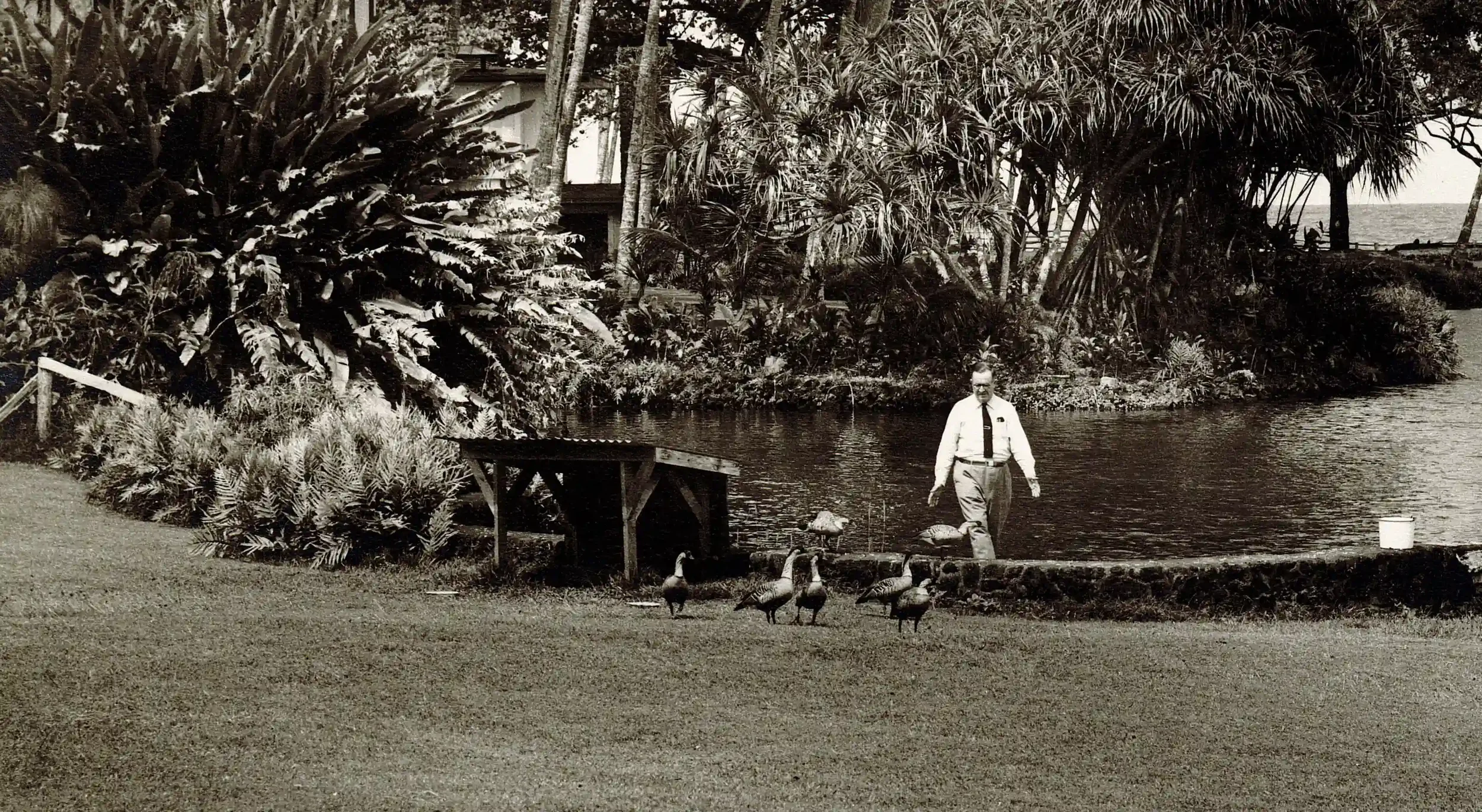
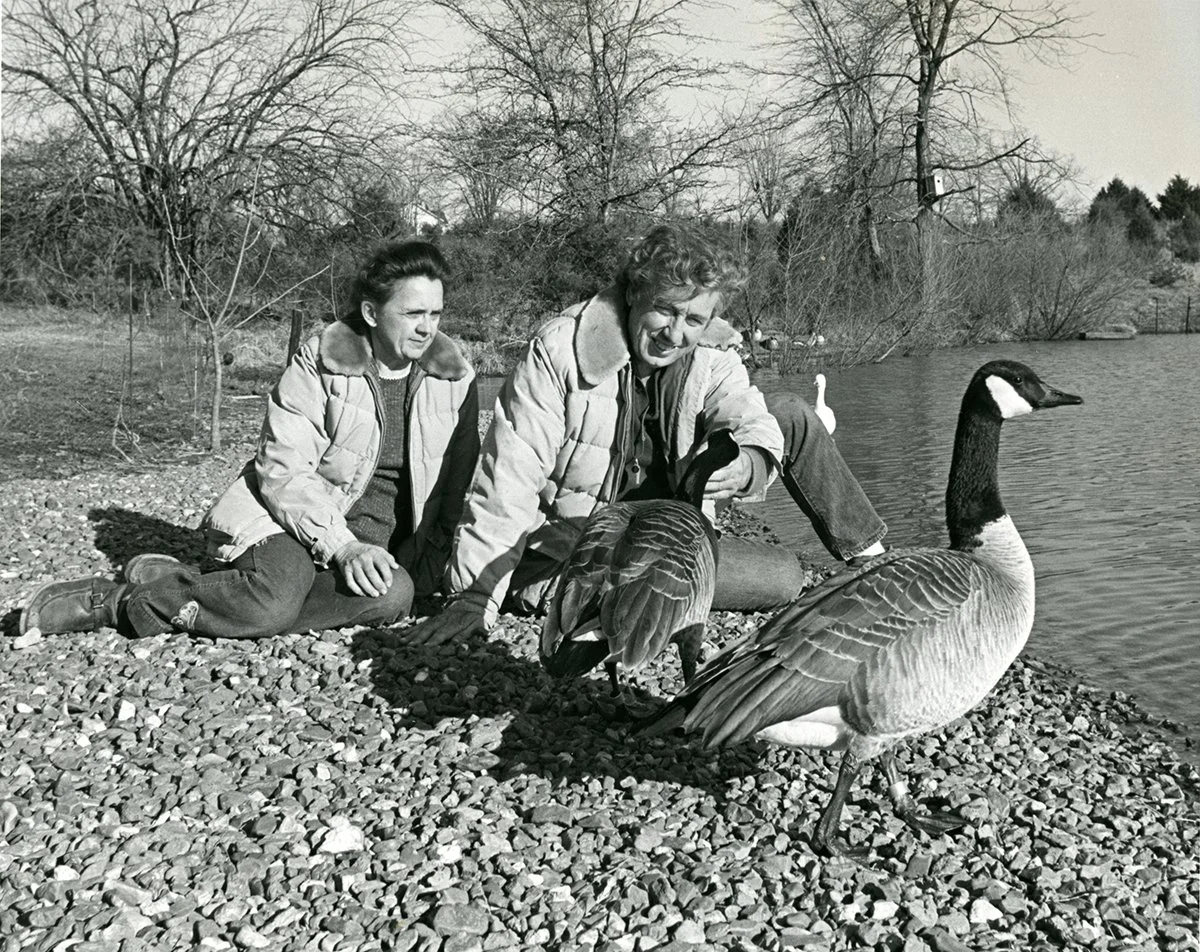
The nēnē increased over a hundredfold from its lowest population count to its current one.
With all that said, the nēnē is still one of, if not the rarest goose species in the world. It’s nowhere near its estimated pre-Cook population of 25,000 and its distribution across the Hawaiian Islands is very uneven.
The nēnē’s largest population on Kaua’i, numbering some 2,300 individuals as of 2023, is still growing. Other islands, however, host significantly smaller populations — 1,048 on Hawaiʻi, 429 on Maui, and just 6 birds on Molokaʻi (as of 2023) — which have also significantly declined over the past decade. A pair was recorded arriving on O‘ahu and nesting there in 2014, but they failed to establish a population and disappeared entirely by 2023.
Every success comes with setbacks and caveats.
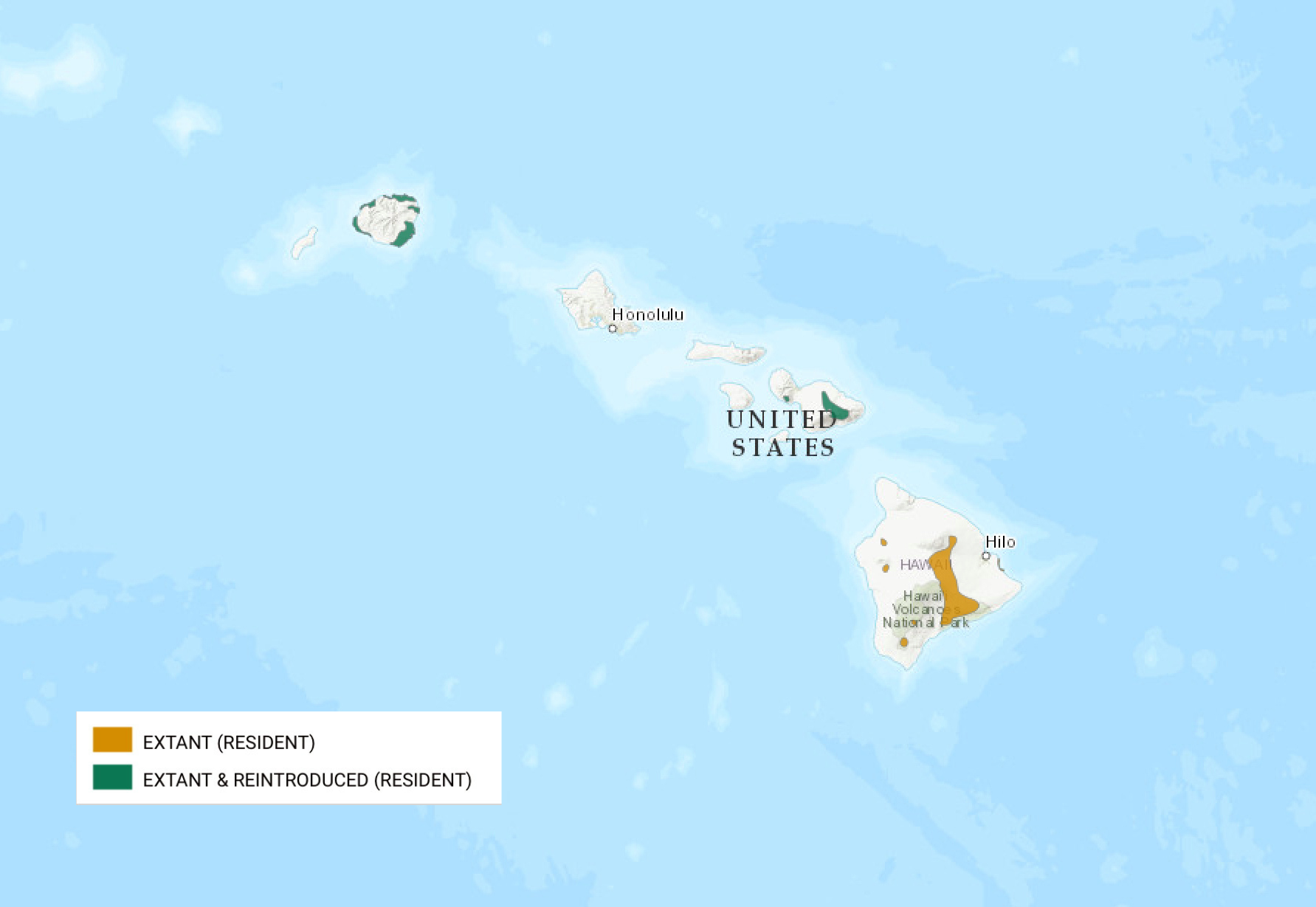
“…by 1951 only around 30 wild individuals remained, restricted to Hawai‘i Island. Following an extensive reintroduction programme beginning in the 1960s, reintroduced populations are now also found on Maui, Kaua‘i and Moloka’i Islands. For some time, all populations were dependent on continued releases of captive birds to persist, but releases ceased by the late 2000s. The populations on Kaua‘i, Hawai‘i Island and Maui are now considered to be self-sustaining, although they continue to be reliant on predator control and habitat management. The population on Moloka’i is not yet successfully breeding, and so it is excluded from this assessment. In 2014, a pair nested on O‘ahu, having colonised the island naturally.”
Is the nēnē a best-case scenario for species recovery in Hawaiʻi?
The nēnē’s biology certainly made conservation efforts more feasible. For one, the goose is fairly adaptable; with few stringent habitat requirements, able to live on fields or even golf courses, and no strict dietary needs — unlike the ʻula-ʻai-hawane, so reliant on the fruits and seeds of the loulu palms that it went extinct as the palms disappeared from the wild. The nēnē, while still suffering from avian malaria, doesn’t seem to suffer fatally — unlike the ʻōʻū’s on O‘ahu, who fled to the highest peaks of their island, which were, unfortunately, not high enough. While the nēnē’s incubation period is lengthy, it's still amenable to breeding in captivity — unlike the poʻouli, whose last surviving individuals refused to breed, and so the species inevitably died out. The nēnē’s final advantage is geography: it was, and still is, distributed across multiple islands — unlike the Laysan rail, which was confined to a single, tiny atoll and perished when it was was overrun by invasive rabbits and rats during World War II.
Monk seals dying of toxoplasmosis, ʻakohekohes dropping from malaria, Kaua’i cave spiders drying out inside their caves, Oʻahu tree snails consumed by introduced “cannibals” — many Hawaiian species are more vulnerable than the nēnē.
Saving the nēnē was by no means easy. But if its path to recovery was like the paved switchbacks of Diamond Head, a strenuous but doable hike up one of Oʻahu’s volcanoes, the path for many of Hawaiʻi’s most threatened species would more resemble blazing a trail through the waist-deep bogs of Alakaʻi, or climbing the crumbling sea cliffs of the Nāpali Coast, where a single mistake could be fatal. To save those species, our efforts must match those that brought about the nēnē’s recovery, and then some. Thankfully, we are better equipped for that task today than we have ever been.
And despite all the complications inherent in wildlife conservation, the nēnē demonstrates that it is possible for a species to come back, even in the most upended of ecosystems. It’s proof that other species, no matter how threatened — remember, the nēnē once consisted of just 30 individuals — still have a chance at recovery.
In 1898, Henry Henshaw wrote in a letter that “the Buteo [the Hawaiian hawk, or ʻio] is doomed to sure and early extinction. Already it is uncommon and rare in localities where numerous a few years ago.” The ‘io, severely threatened by hunting, survived to be listed under the Endangered Species Act in 1967. In 2020, it was delisted, and its population now sits at a stable 1,700 - 2,500 mature individuals.
The ʻalalā may be gone from the wild, but it's not extinct. Given enough suitable, undisturbed habitat, it could very well be reintroduced into the wild — indeed, a pilot release on Maui reintroduced five crows back into the wild in late 2024. These crows might once again guide spirits to rest.
The Hawaiian thrushes are in dire straits, most either extinct or critically endangered, but one species, the ʻōmaʻo, is still relatively numerous on the island of Hawaiʻi. It may yet repopulate the islands with thrushes.
Exploding from a single species into over fifty unique birds, the Hawaiian honeycreepers have since dwindled to almost a quarter of their original diversity. Disheartening as that sounds, the propensity for these songbirds to speciate gives us reason to hope. If we can save the surviving honeycreepers, our current period in time, rather than a sad ending, may just represent a bottle neck out of which they can radiate into new, wondrous forms once again. We just have to give them — create for them — that chance.
Hawaiʻi’s ecosystems will never be as they once were, before humans first set foot on the islands. They have changed, they will forever be changed, but they do not have to be broken.
———
The nēnē treks over solidified flows of lava — the marks of molten activity that formed these islands. Below its feet are tunnels carved by these same volcanic forces, crawling with eyeless wolf spiders. Overhead, an ʻio streaks across the sky, giving a shrill cry (“io, io”) as it dives towards the trees — perhaps it’s spotted a mouse or mongoose. The nēnē waddles past scattered stands of dry māmane trees, where rare palila pluck yellow seeds, cracking them in their thick finch-bills. The nēnē’s route takes it into a forested area; a kīpuka encircled by black lava tendrils. Beneath the leaves crouch happy-faced spiders, translucent green with variably grinning abdomens. Crimson ʻapapane sip nectar from flowers and glean insects from twigs, parrotbills chip away tree bark in search of moth larvae, and ʻiʻiwi probe their long, decurved bills deep into a rainbow of flowers. A warbling white-eye catches invasive arachnids in the canopies. And a colourful procession of ghosts follows on the wing: sickle-billed mamos, molten-feathered ʻula-ʻai-hawane, pincer-beaked hookbills, black-masked poʻouli.
This is the tale the nēnē tells: the tale of Hawaiʻi, an isolated volcanic archipelago. Of its enlivening, of its peoples and cultures, of the struggles and losses, the invasions and ecological fracture. And of hope for the future.
That hope rests on our ability to work together, on our growing body of knowledge, and how we choose to apply it. It is a proactive kind of hope; one that depends on our doing. It is a hope for all the vulnerable creatures that can yet be saved, in Hawaiʻi and across the rest of our Earth. A hope that we can change the trajectory of the story, so that it need not end a tragedy.
Surrounded by the living, and memories of the dead, the nēnē marches on.