目次 • TABLE OF CONTENTS
~ 🌿 ~
- Introduction: The Wild Realmp. 3
- I. Raccoon Dog (Tanuki)p. 4-5
- II. Amami Rabbitp. 6-7
- III. Green Pheasantp. 8-9
- IV. Okinawa Railp. 10-11
- V. Japanese Giant Salamanderp. 12-13
2
A Compendium of Native & Endemic Species
J
apan's island arc spans subarctic tundra in the north to subtropical reefs in the south. Isolated by sea for millennia, its mountains, temperate rainforests, and wetlands nurtured extraordinary endemic species found nowhere else on Earth.
This compendium documents the biology, unique behaviors, and cultural heritage of Japan's most iconic native species.
T
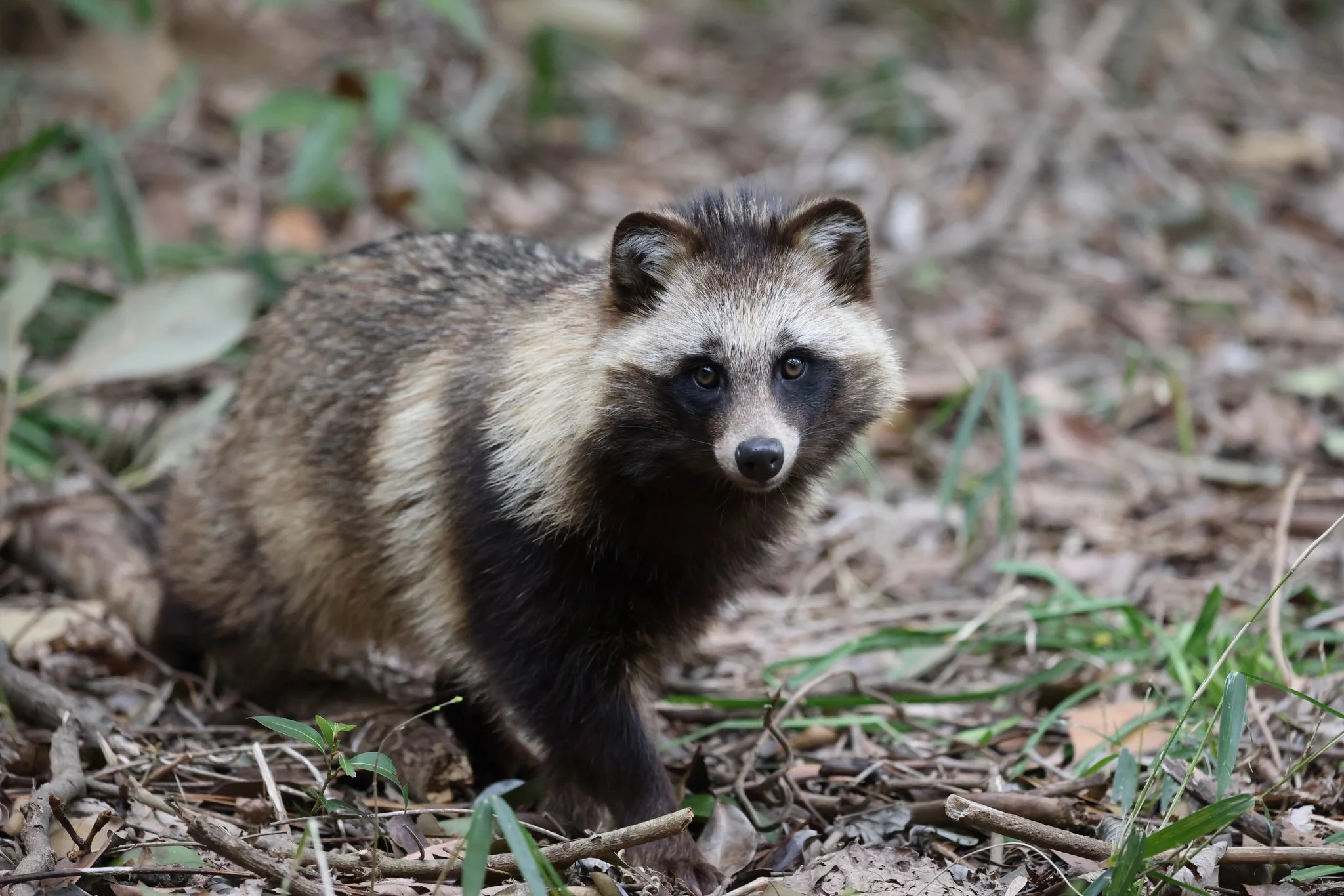
The raccoon dog isn’t a raccoon at all — it’s a canid, more closely related to foxes. It’s the only member of the dog family that hibernates and one of the few to use communal latrines, where it leaves behind smelly “messages” about its diet, health, and breeding status for other raccoon dogs to sniff out.
Of the 35+ species in the Canidae (dog) family, the raccoon dog is the only one that hibernates. It can put on 50% of its body weight in fat prior to hibernation, going from 4 to 6 kilograms (9–14 lbs) in summer to a chunky 6 to 10 kilograms (13–22 lbs) as winter approaches. It then climbs into its underground den, often with its partner, and settles down to hibernate.
T
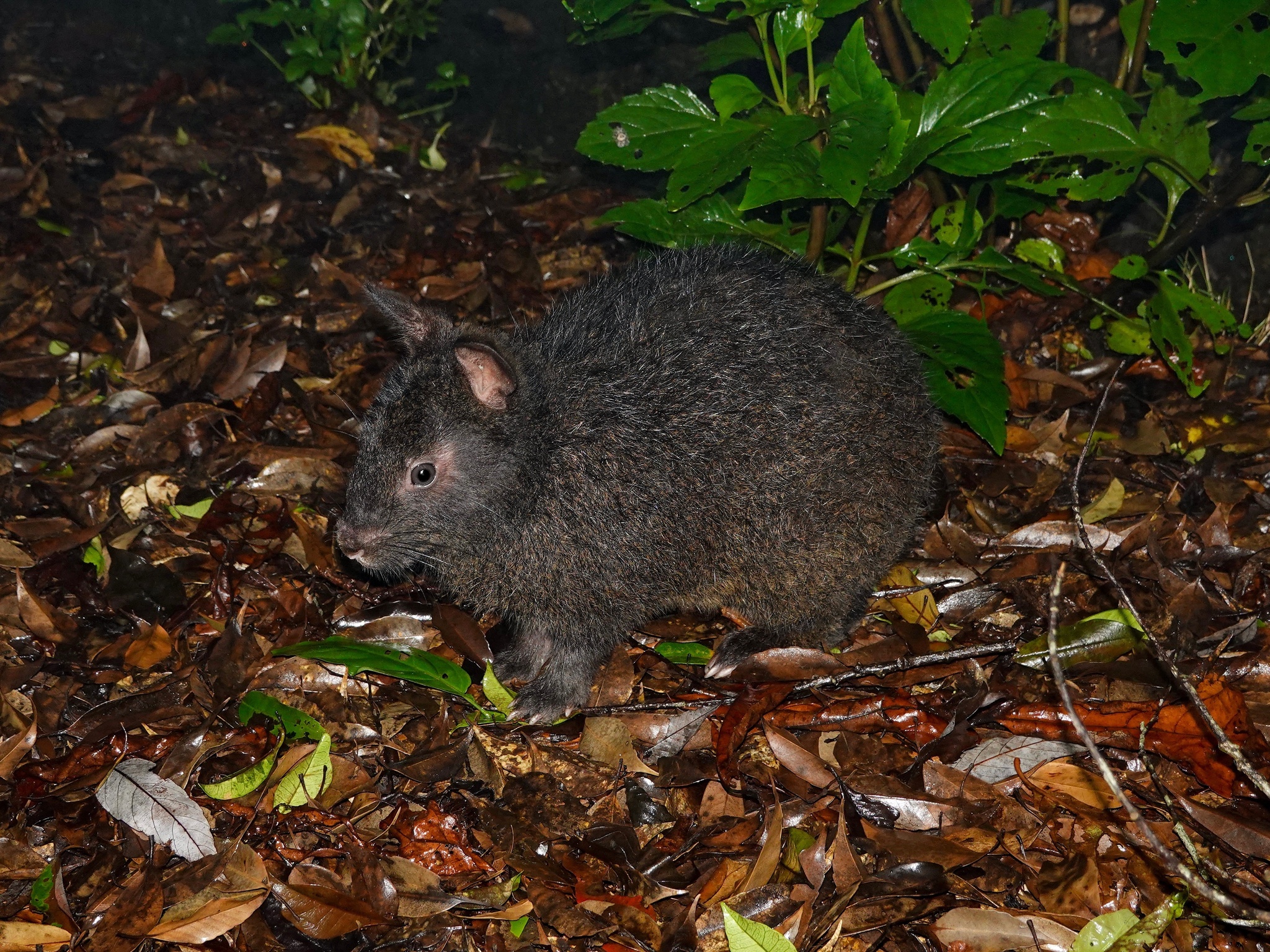
The Amami rabbit is fully nocturnal (fittingly for its black pelage), with small rounded ears and no tail whatsoever, giving it the appearance of a large — up to 2 kilograms (4.4 lb) — dark marimo, or moss ball. It doesn’t roll, however, but lollops around forested hills of Amami Ōshima and Tokunoshima on its stout limbs, each bearing unusually long claws which it uses more for traversing rugged terrain than digging.
The Amami rabbit’s subterranean home is not a warren (a network of burrows), but a simple den, inside of which, very un-rabbit like, it lives alone. Another rabbit stereotype this species breaks is that of prolificacy. It breeds twice a year and, each time, only rears a single offspring. The mother builds a special rearing den, a kind of daycare for one. Then she seals the entrance up with dirt and leaves her newborn trapped in the dark, but safe.

T
The unassuming green pheasant is a national icon of Japan. First adopted as such in 1947, it supposedly symbolises masculinity, might, and courage — somewhat contrary to its flighty nature, as it’s known to explode in a frightened flap of wings and dash away into the bushes when startled.
But this too is, or was, a point of admiration. It’s said that this pheasant is particularly prone to noticing tiny tremors in the earth and its panicked reaction can forewarn people of a coming earthquake.
T
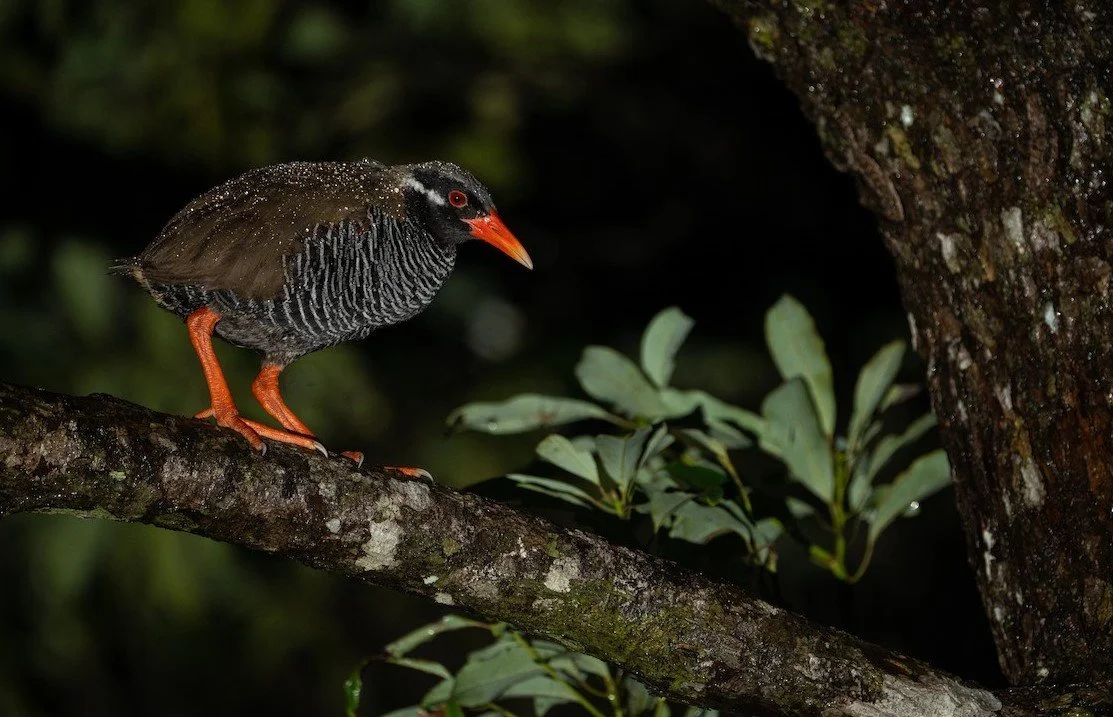
The Okinawa rail is Japan's only flightless bird — found exclusively on the island of Okinawa. Before nightfall, it uses its powerful clawed feet to climb trees, where it sleeps to avoid nocturnal-hunting pit vipers. In the morning, it drops back down in a graceless fluttering of wings.
T
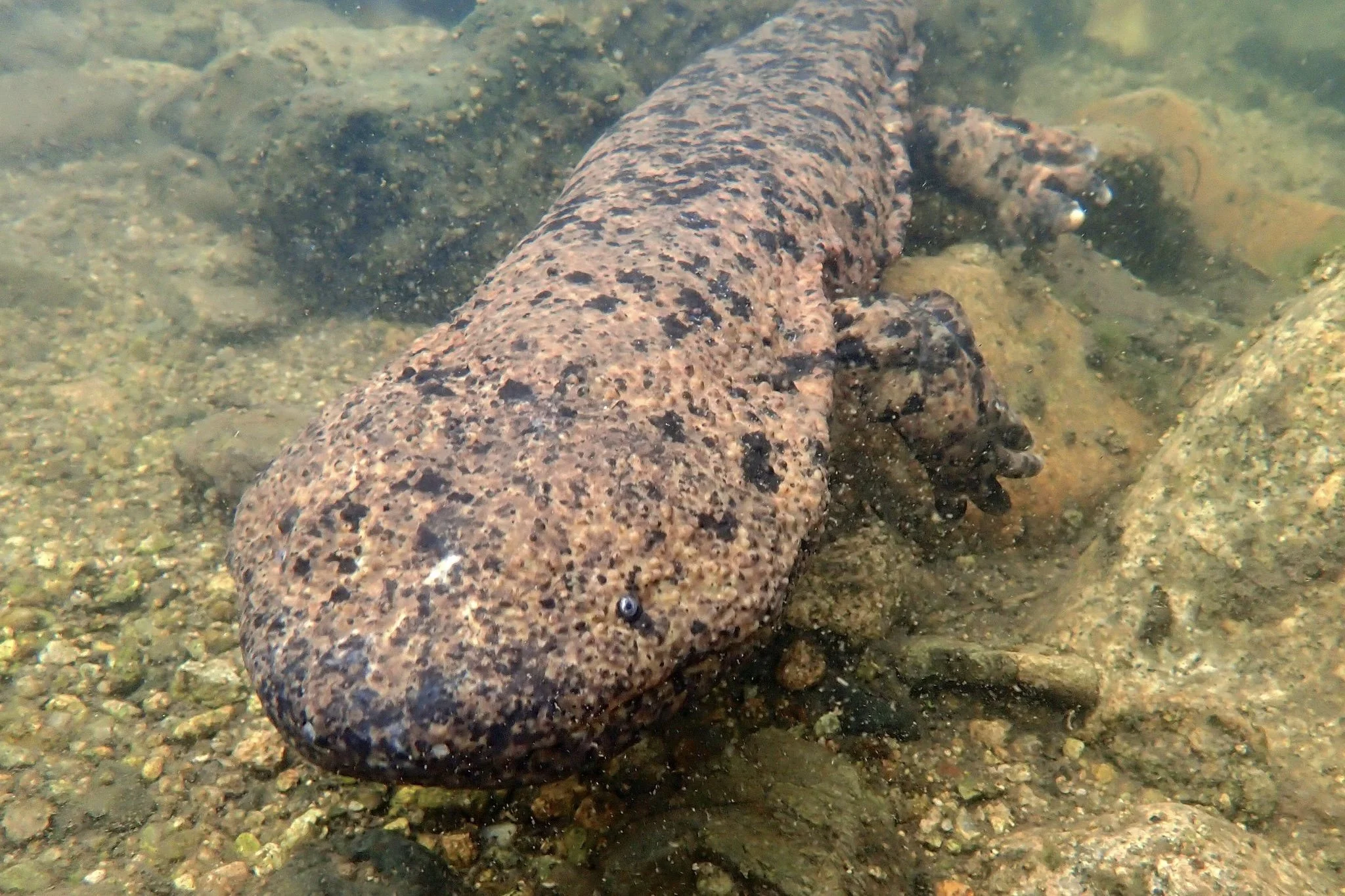
The Japanese giant salamander, one of the largest amphibians in the world, is endemic to Japan’s cold, fast-flowing streams. When disturbed, it oozes a milky, pungent mucus whose scent resembles sanshō (Japanese pepper), giving rise to its Japanese name ōsanshōuo, or “giant pepper fish.”
Like some monster from a folk story, the giant salamander is also known to lurk behind waterfalls. It waits for fish to tumble over the falls and as they splash down, disoriented from the tumble, the waiting monster emerges from behind the rushing water to devour the confused prey.
Chronicles of Japanese Wildlife