Coypu | Nutria
Myocastor coypus
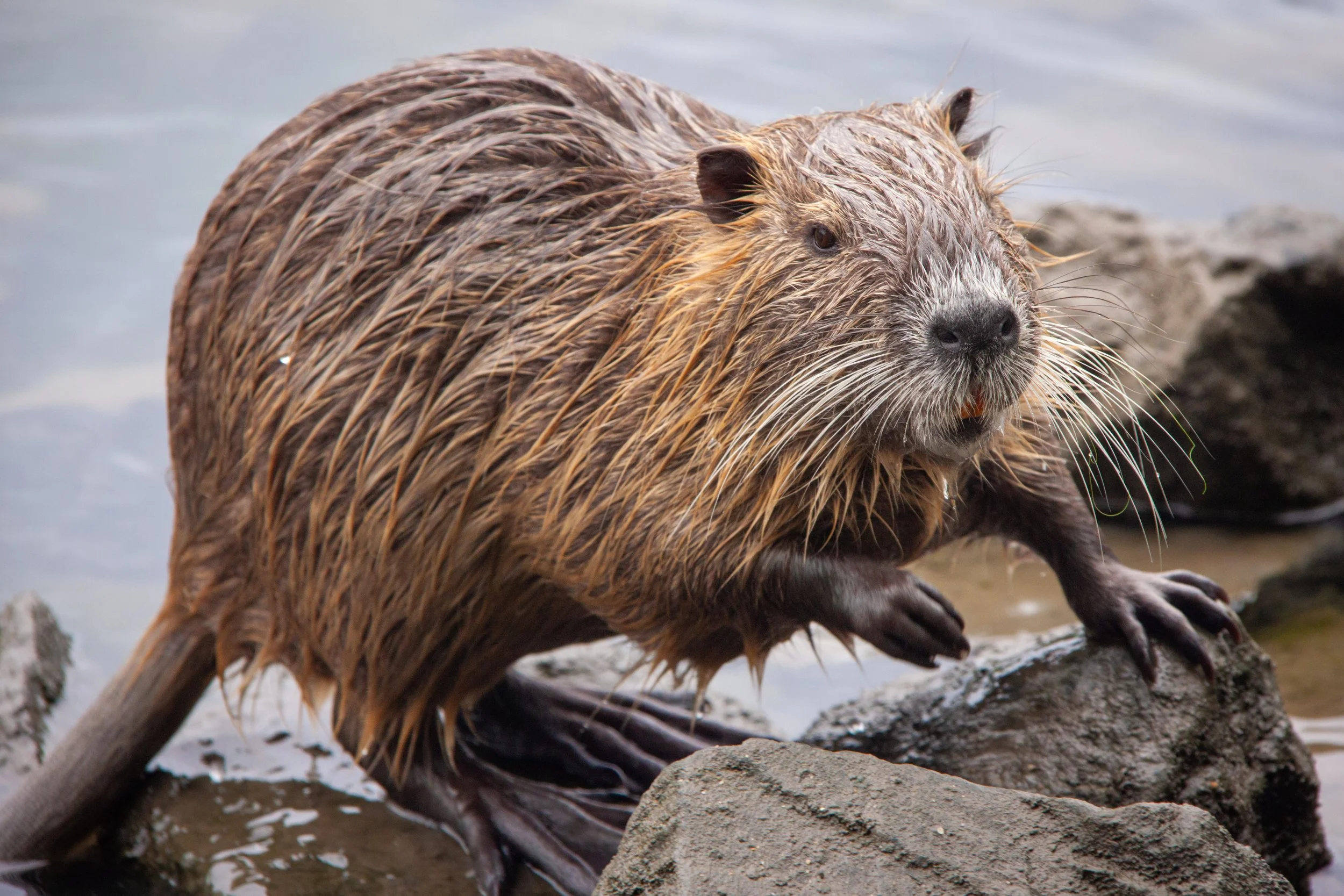
The coypu, or nutria, is a hefty rodent — weighing up to 10 kg (22 lbs) — native to South America. However, it is now invasive and prolific in the United States, Europe, Kenya, and parts of Asia such as South Korea and Japan. It was introduced to Japan during WWII as a food and fur source. Escaping into the wilds and proliferating, as rodents do, coypu now swim and scamper along the waterways of large cities such as Kyoto and Osaka.
-
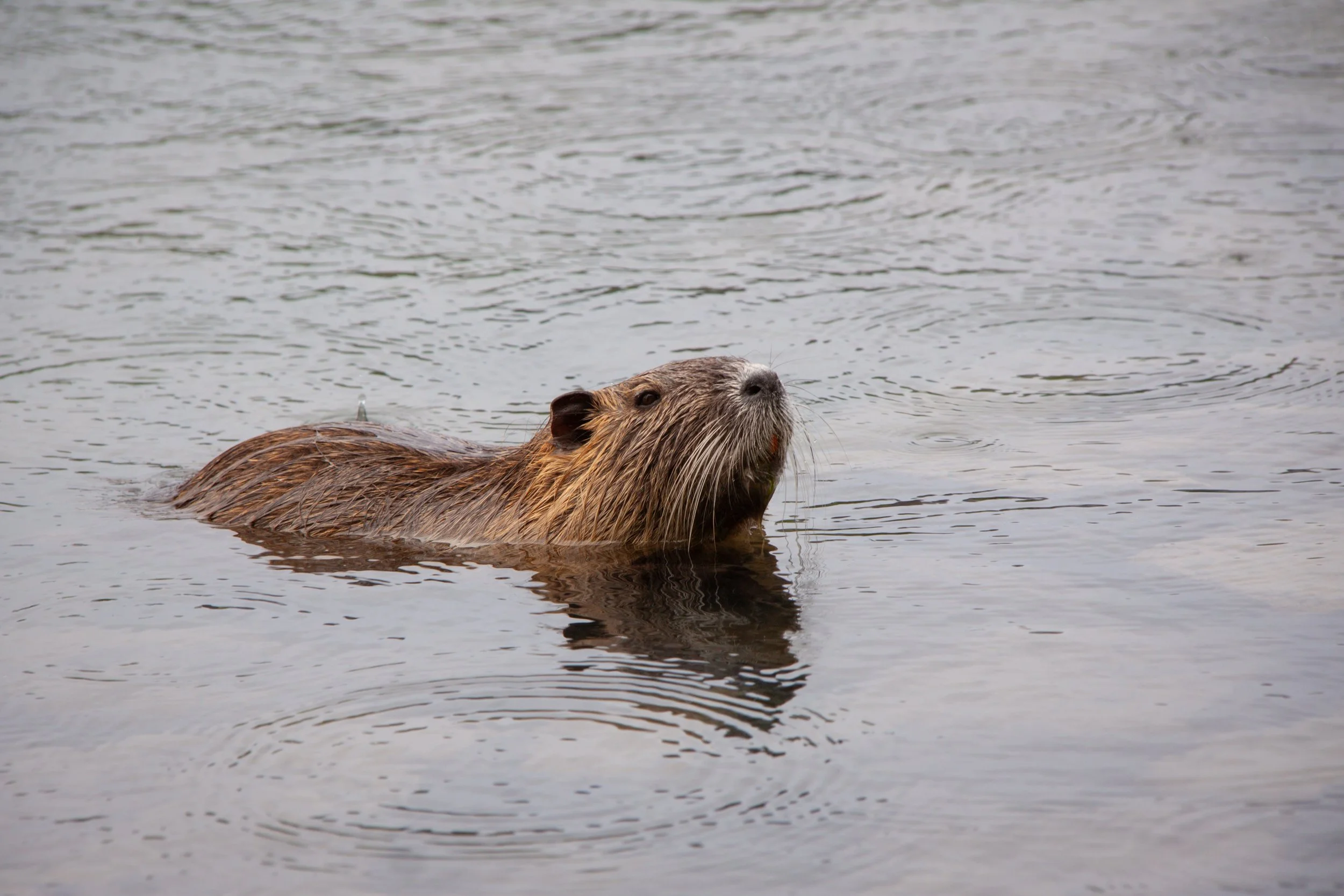
The coypu looks very much at home as it paddles through the waterways of Kyoto or Osaka, hides in the shoreside grasses, and burrows into the riverbank soils. You could witness the same scene unfold throughout much of Europe, from France to Ukraine, in the U.S., from Florida to Louisiana to California, and in such disparate places as Armenia and Israel, Kenya and South Korea. This is because the coypu is among the world's most prolific invaders, with a secure place on the list of the ‘100 of the World's Worst Invasive Alien Species’.
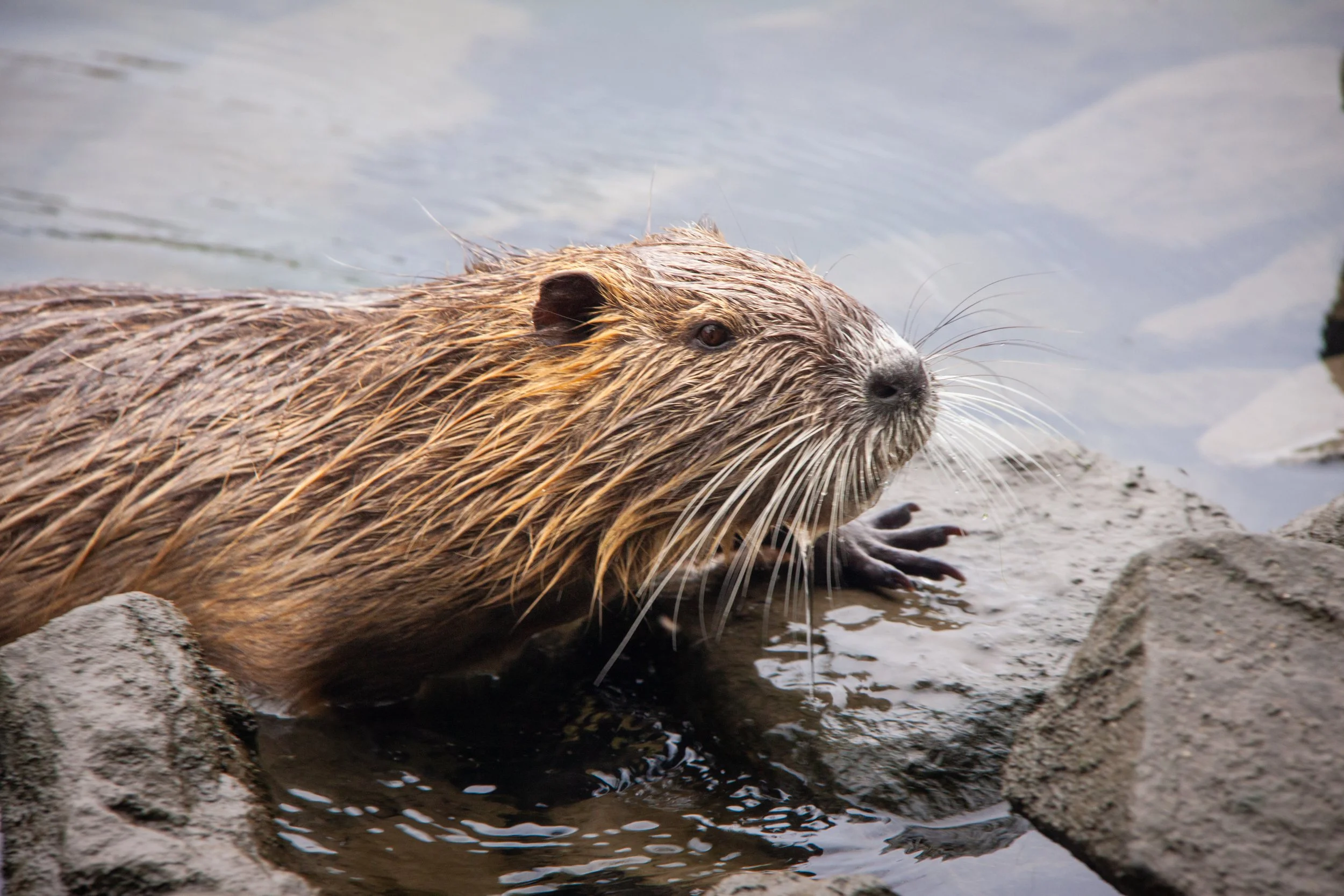
Its introduction to Japan, like its introduction to most places, can be attributed to the fur industry. A coypu's coat looks dishevelled and not particularly aesthetic; consisting of long course guard hairs, which come in various shades of brown and lay draped over its body like a wet rug. But its coat is thick and layered. Hidden beneath the shaggy outer hairs is a soft and dense undercoat of dark grey fur — this is called the "nutria" (in North America, “nutria” is the name for the animal itself). The coypu was imported to Japan during WWII (in 1939) to be bred for its fur and used as a food source. But as post-war Japan, ruined and traumatised, struggled to rebuild a functioning nation, most of the fur farms were left unattended. The coypu were either set free or escaped. Wild populations amassed over the following decades — descendants of those fur farm fugitives.
The coypu is considered one of Japan’s worst invaders. Walk the paths alongside the Kamo River in Kyoto and you’ll see signs instructing you not to feed the coypu — lest you be fined ¥50,000 ($340) — and educating you on the ruinous consequences of the coypu’s presence. Its burrowing weakens river banks, it competes with native mammals, and it’s a known ricefield-raider, with gangs of coypu slipping into cultivated fields and munching on valuable crops. So far, attempts to control these hefty rodents have been unsuccessful.
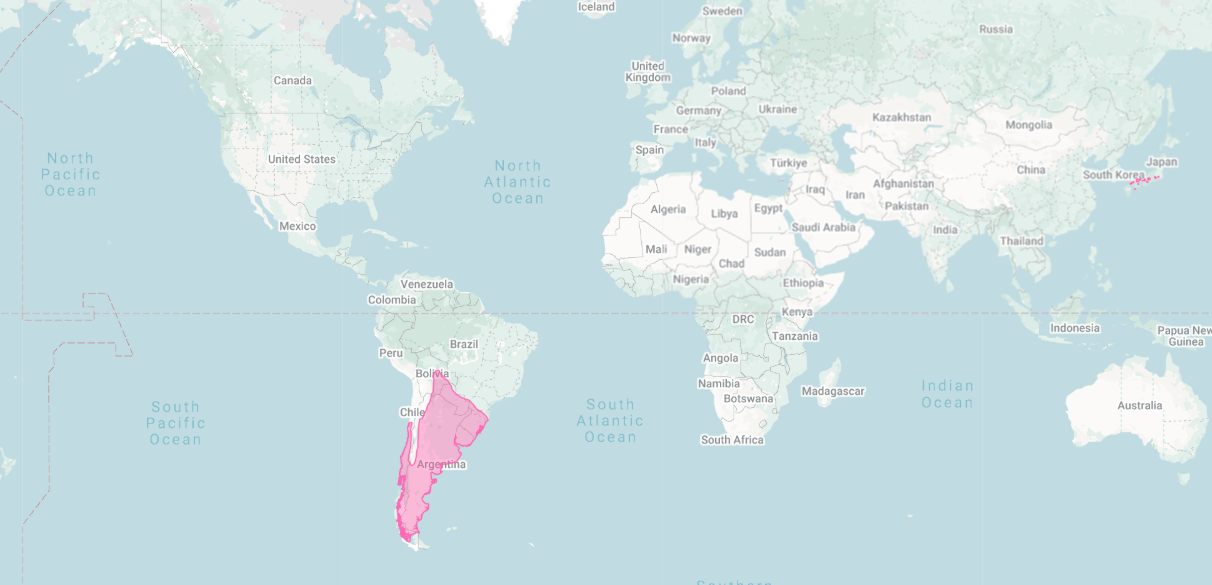
Where Does It Live?
📍 South America, from southern Brazil to Tierra del Fuego.
⛰️ River and lake edges, marshes, swamps, or even irrigation channels.

‘Least Concern’ as of 04 Aug, 2016.
-
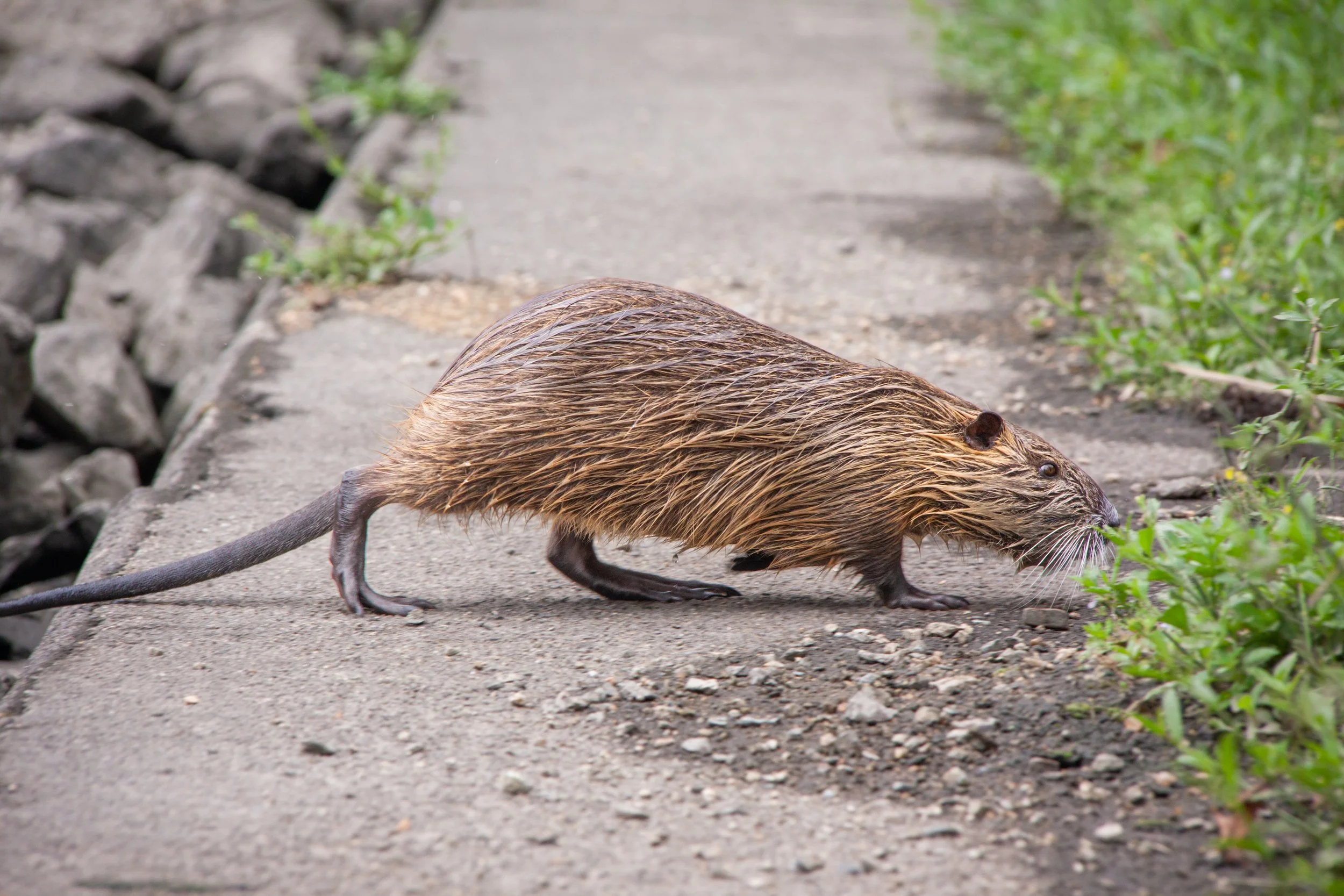
The coypu is a large rodent, reaching a size of 1 metre (3.3 ft) in head-to-tail length.
Its closest relatives are other species in the spiny rat family (Echimyidae), such as the painted tree-rat and the punaré — although the coypu is the sole living species in its genus (Myocastor).
This semi-aquatic mammal generally prefers freshwaters at low elevations, but it’s also adaptable: living at up to 1,190 metres (3,900 ft) in the Andes and in brackish/salt water in the Chonos Archipelago in Chile.
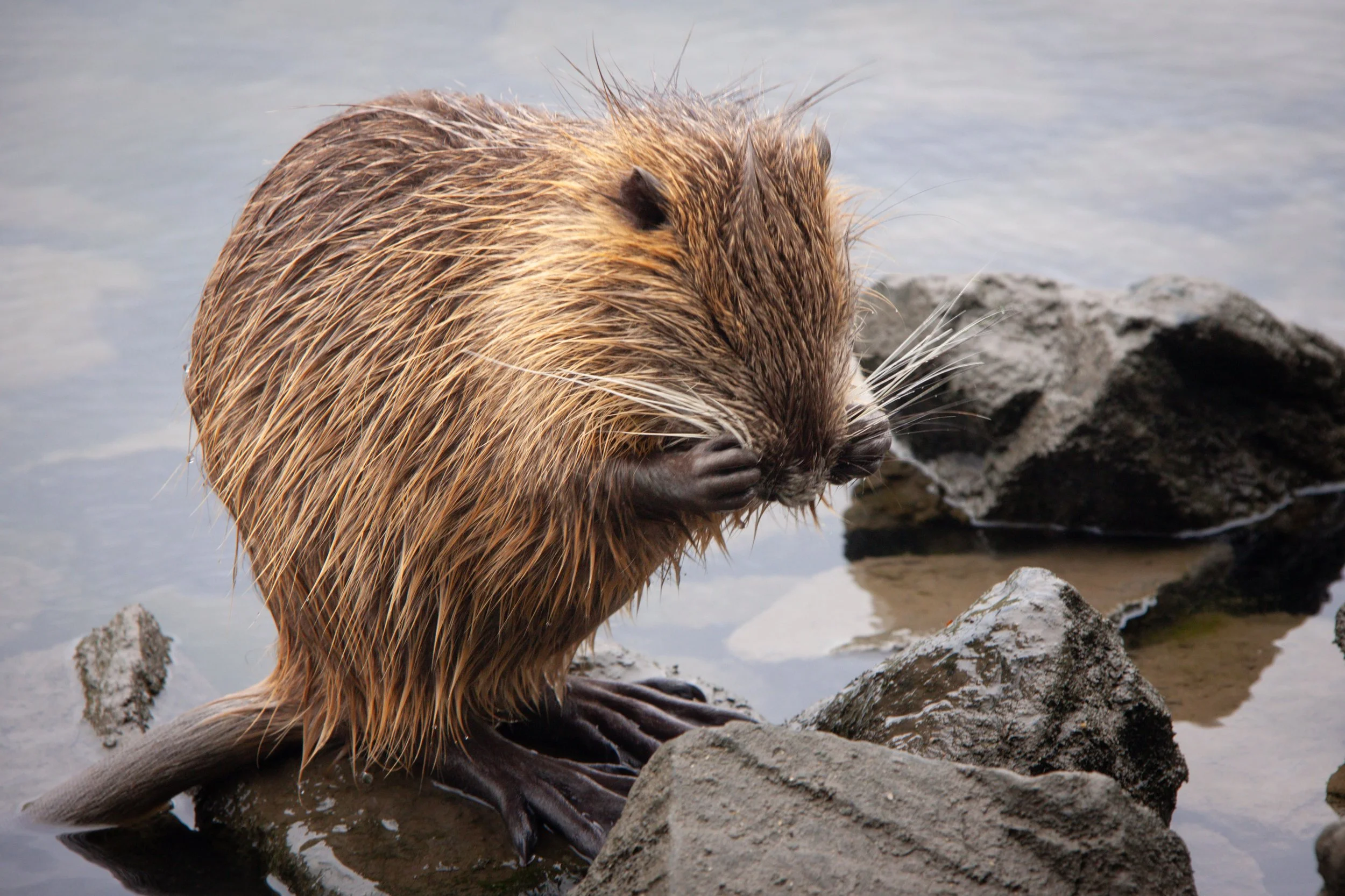
The coypu has webbed hind feet for swimming, and unwebbed fore feet for handling food: reeds, cattails, grasses, roots, and aquatic plants. A coypu can dive for up to 10 minutes at a time and is most active at night. It constructs platforms on water, digs burrows in riversides, and makes runways through riverside grasses.
It is a social creature, living in groups ranging from 2 to 13 individuals, composed of related adult females, their young, and one big male.
The coypu reaches sexual maturity at six months old and produces litters of 3 to 6 (and up to 13) pups at a time, irrespective of season.
Pups are born fully-furred and with eyes open, and are cared for by their mother alone.
Native to south-central South America, the nutria has become invasive across much of the world (North America, Europe, East Asia, and the Middle East) due to export for the fur trade.
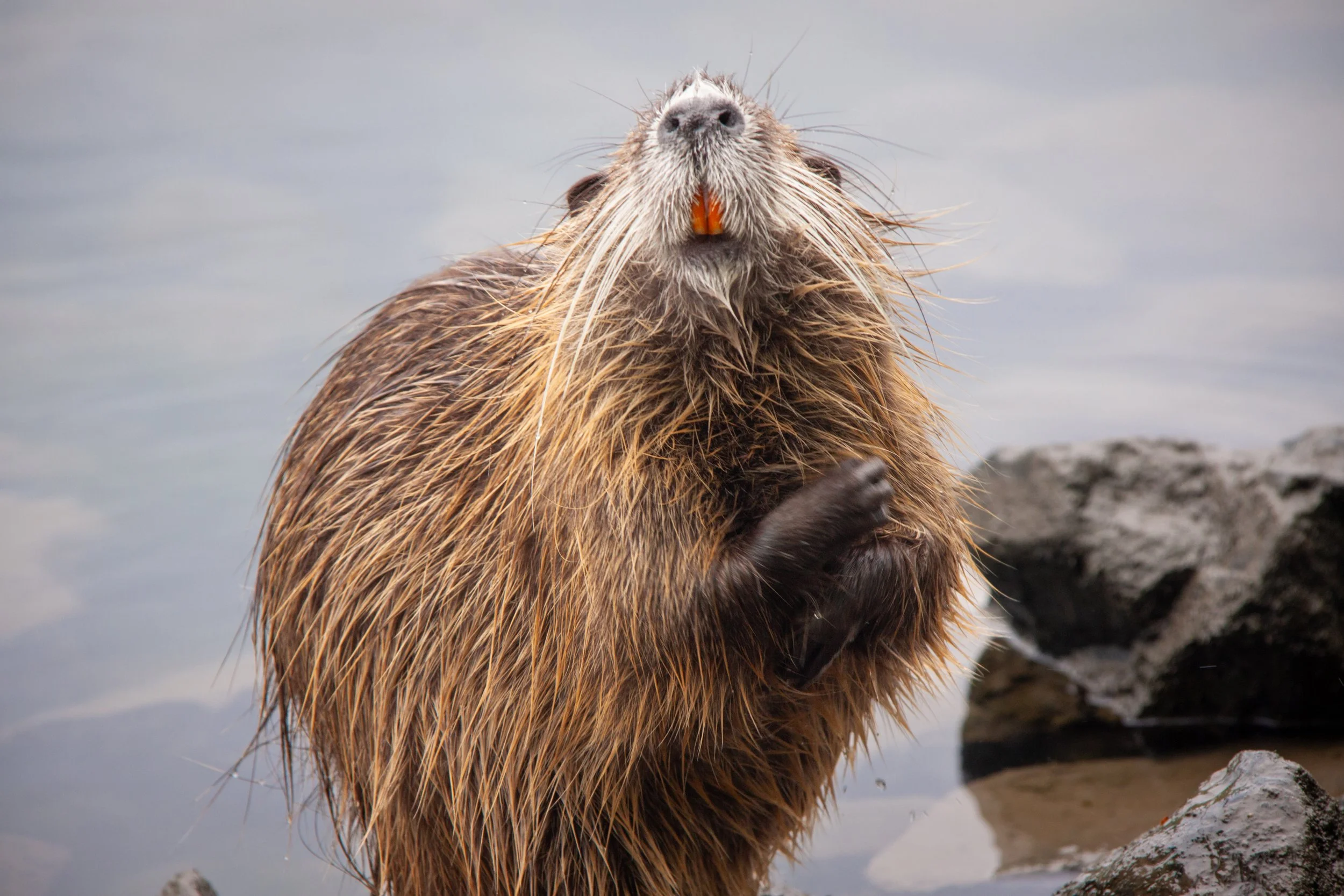
Its distinctive orange incisors get their colour from iron-rich enamel.
The coypu’s dense undercoat is known as the “nutria” — this is also the name for the entire animal in North America.
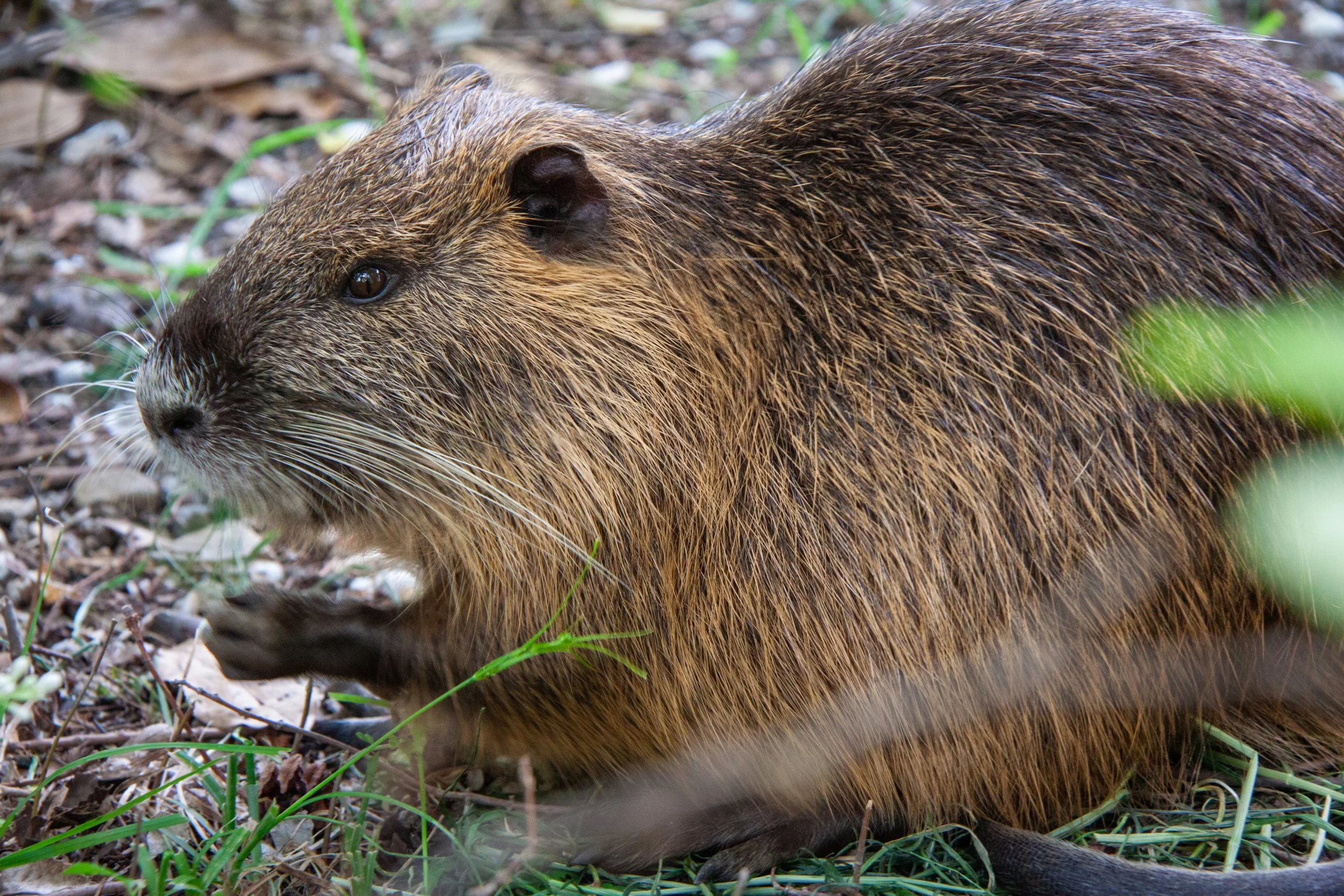
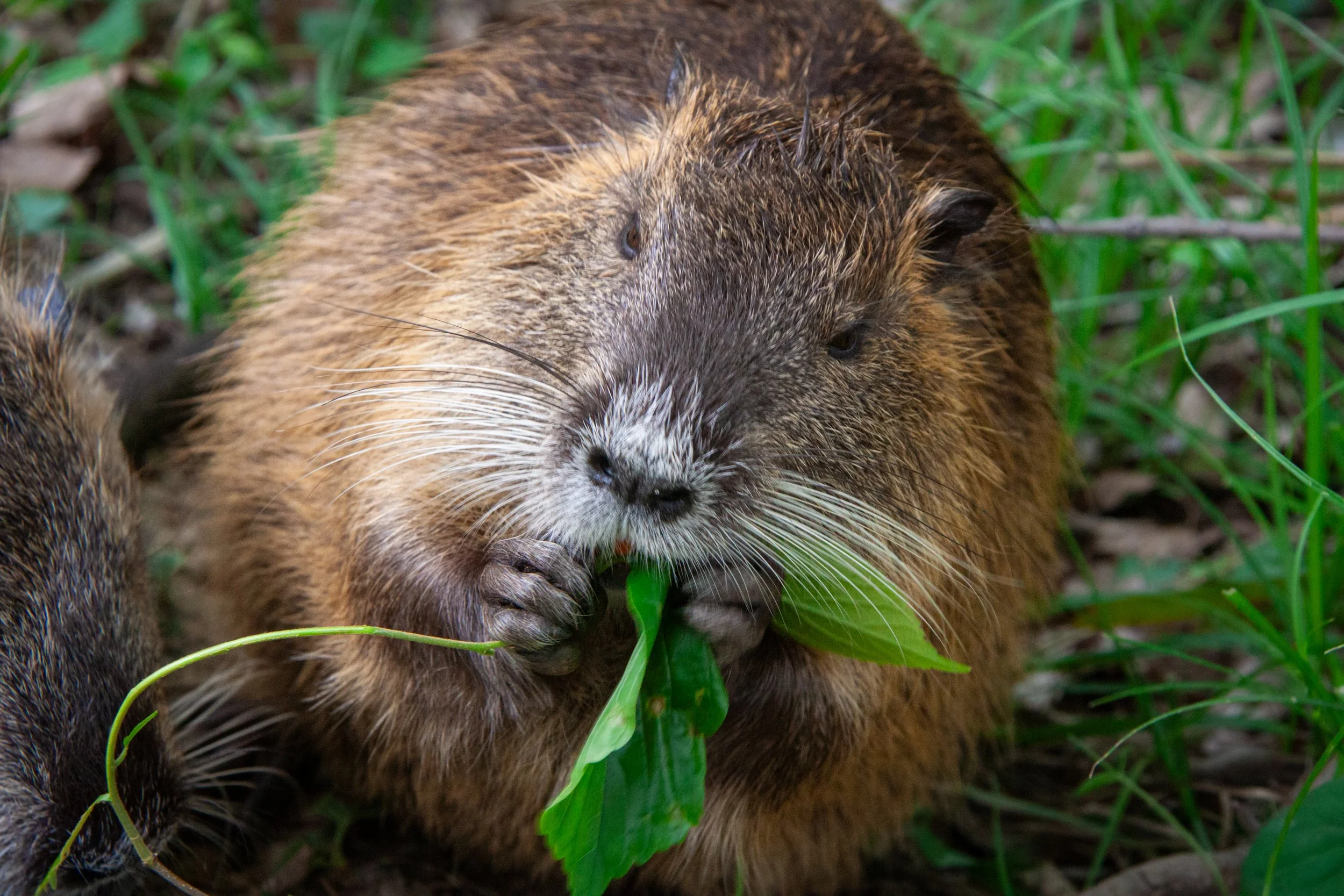
-
-
All photos by me; taken in Osaka, Japan.