The stones, lying three metres below the ocean’s surface and carpeted in red algae, appear unremarkable. But each is a little world, its surfaces and crevices harbouring ecosystems of minuscule animals.
“The diversity can be astonishing,” says marine biologist Aitor Ugena. “On a single algal-covered stone measuring around 25 centimetres across, we have found more than 65 species of cryptic benthic invertebrates belonging to more than 13 animal phyla.”
In September 2024, Ugena was snorkelling at the entrance to the old harbour of Puerto de la Cruz, on Tenerife’s northern coast. He was investigating the small invertebrate communities associated with different algal habitats around the island as part of his master’s research, collecting algal-covered stones by hand.
“We enclosed each stone in a sealed bag while still underwater, then transported it to the laboratory with its associated fauna contained inside,” says Ugena.
The stones were placed in shallow seawater trays and gently rinsed to dislodge the tiny creatures clinging to them. Under a stereomicroscope, the researchers scrutinised the rinsings using ultra-fine forceps, fine-tipped paintbrushes, and micropipettes, picking out a variety of tiny marine animals: crustaceans, molluscs, segmented worms, flatworms, ribbon worms, and xenacoelomorphs.
Among this assortment they found another worm-like creature. About the size of a rice grain, its body was soft and slender, translucent orange-pink, and covered in little bumps. At one end, it had ten short tentacles.
Ugena’s colleague, marine biologist Dr. Jorge Núñez, found more of these tiny translucent creatures at two deeper sites across the Canary Islands — in southwestern Tenerife and eastern Gran Canaria.
But what were they, exactly? Had Ugena and Dr. Núñez discovered something new, or just something they couldn’t yet recognise?
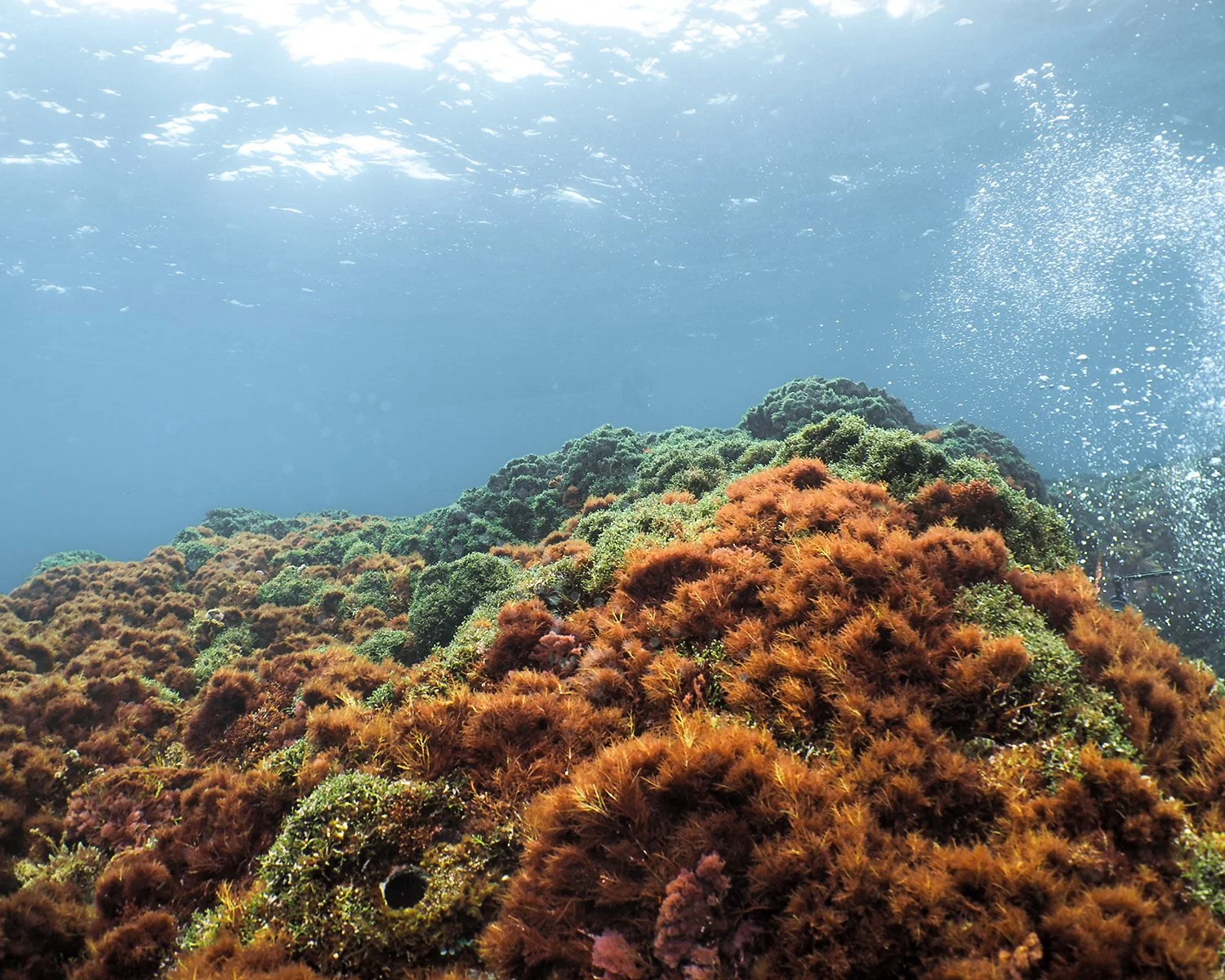
Red-algae-covered stones at the collection sight of Puerto de la Cruz, northern Tenerife, Canary Islands.
———
“When we first found the animal in a sample from Puerto de la Cruz, we recognised that it was something unfamiliar to us,” says Ugena. “We identified it as an apodous sea cucumber, but it differed from the species we normally encounter in the Canary Islands.”
Apodida, meaning “without feet,” is an order of some 270 sea cucumber species, all of which lack the tube-feet (or podia) that many other sea cucumbers use to crawl across the sea floor. They range from some of the longest species in the world — such as the snake sea cucumber, which can grow to a length of 3 metres — to the smallest of sea cucumber species.
Barely five millimetres long, translucent and vermiform, the new Canary specimens look almost larvae-like. But beneath their soft, simple surface is a surprisingly complex geometry.
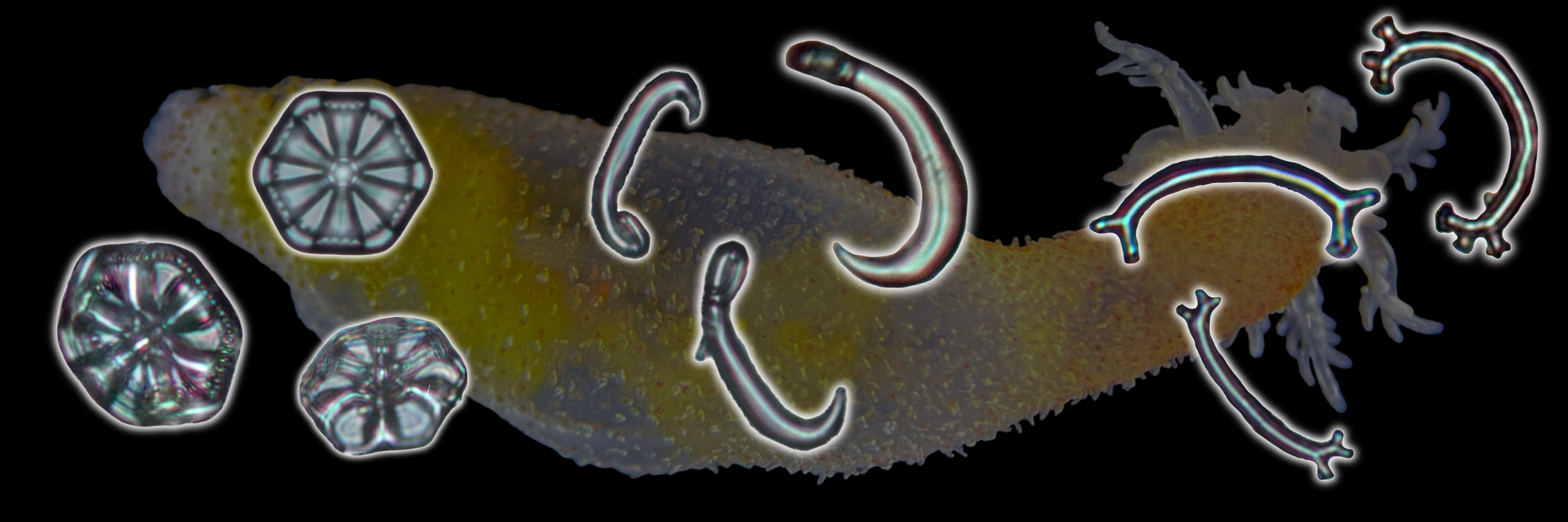
With his colleagues at MarShiftLab, Ugena placed pieces of the specimens into bleach baths. As the soft tissues dissolved, they left behind an assortment of wheels, hooks and rods.
Known as ossicles, these hard microscopic shapes are embedded throughout the sea cucumber’s body wall and tentacles. They are composed of calcium carbonate — the same hard, chalky material that forms seashells and sea urchin spines. But rather than forming a continuous structure, thousands of these separate ossicles create a kind of flexible, fragmented skeleton.
The wheels in these Canary specimens are almost hexagonal, featuring six central spokes that narrow toward a shallow hub, surrounded by a continuous inner rim of microscopic teeth.
The hooks are completely smooth, fishhook-like structures embedded throughout the body wall.
The rods are slender and slightly arched bars located inside the sea cucumber’s ten feeding tentacles, terminating in short, branching tips like “finger bones.”
Ossicles of Canary sea cucumber specimen observed under light microscopy.
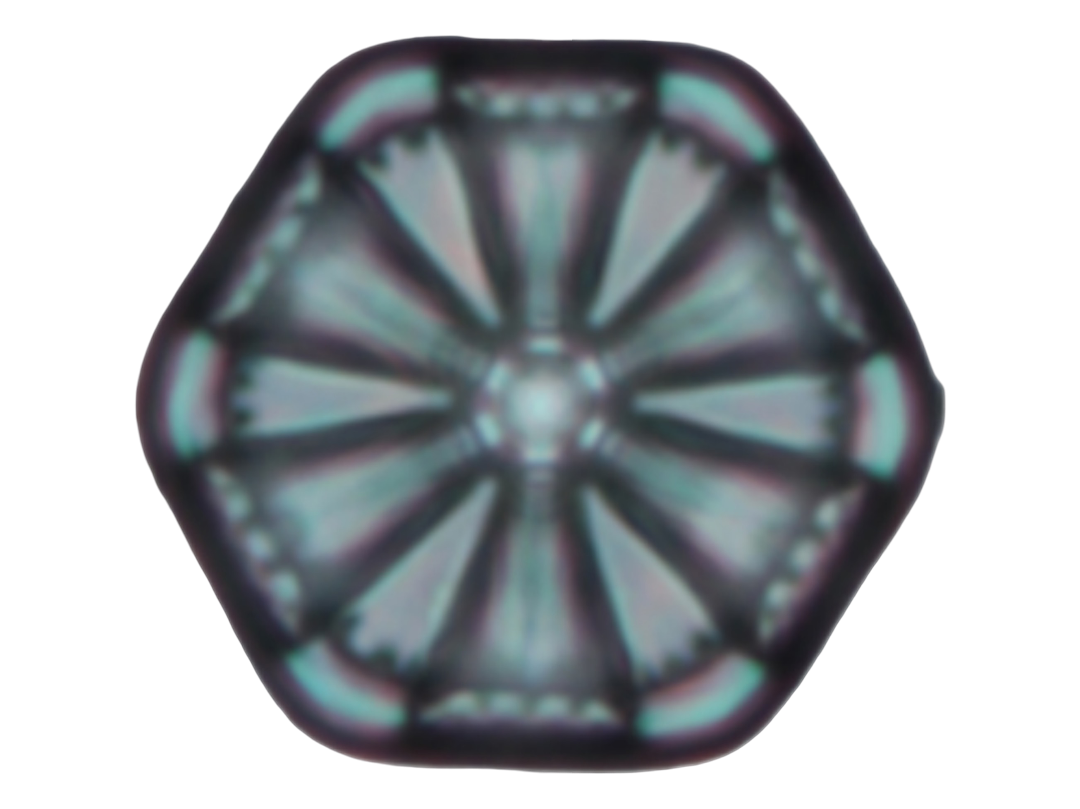
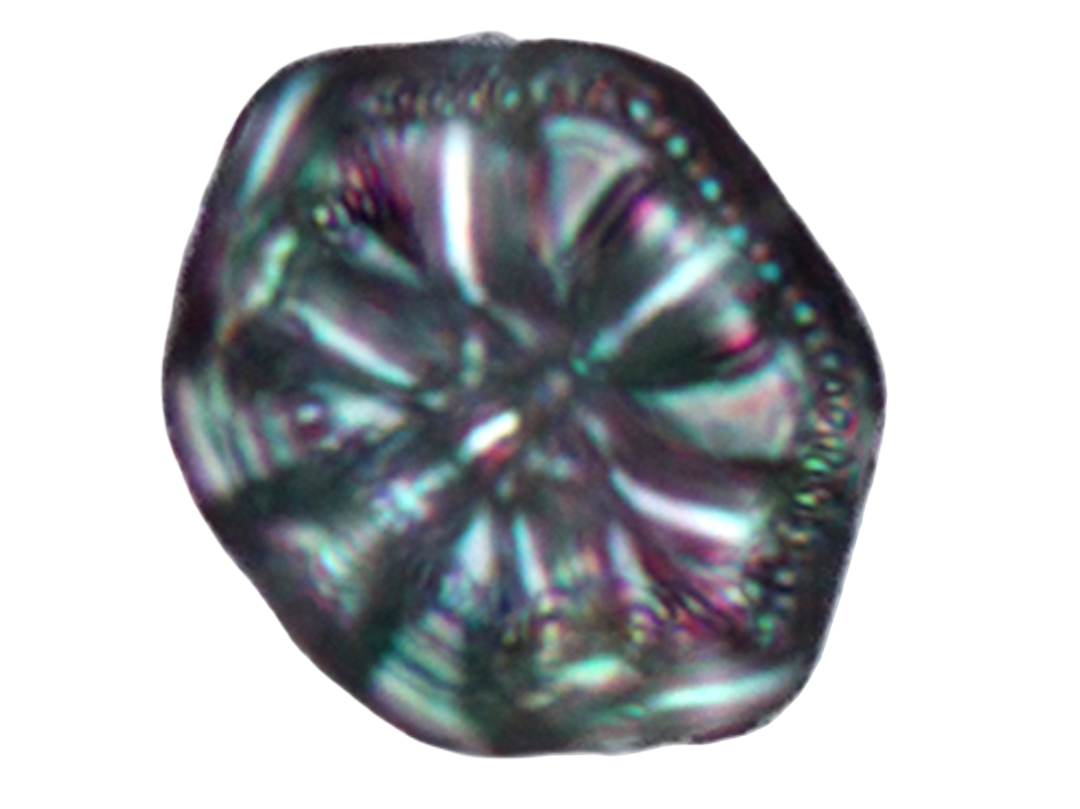
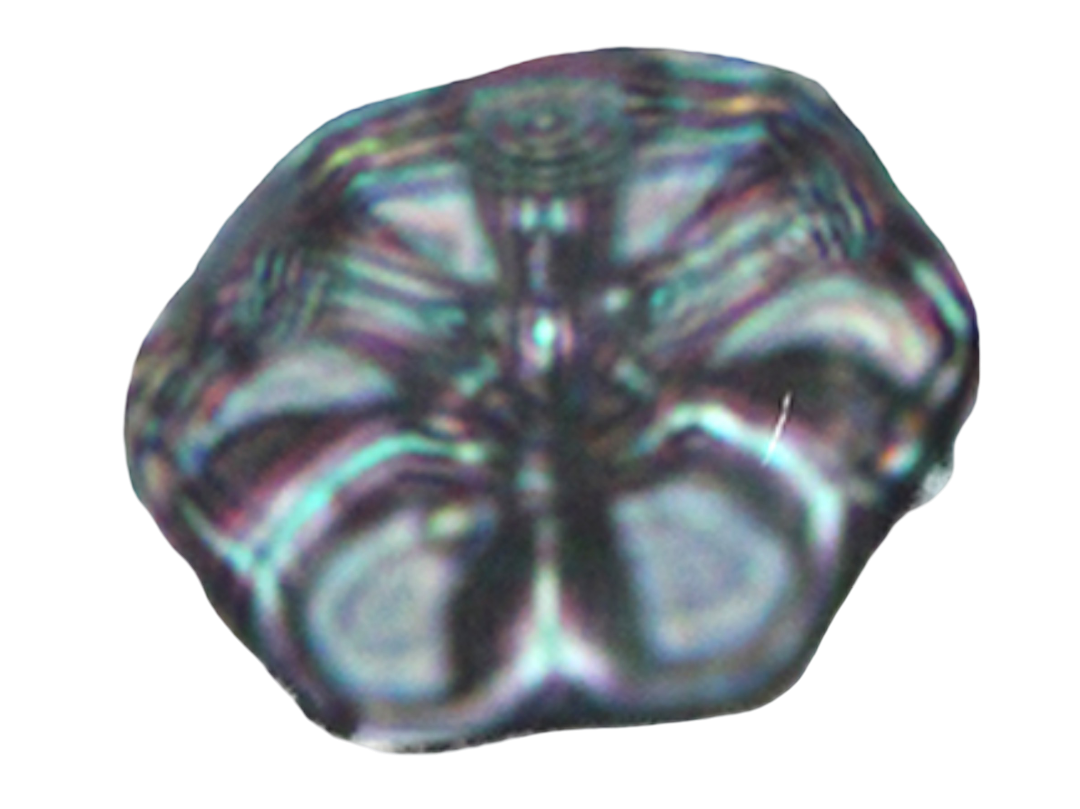
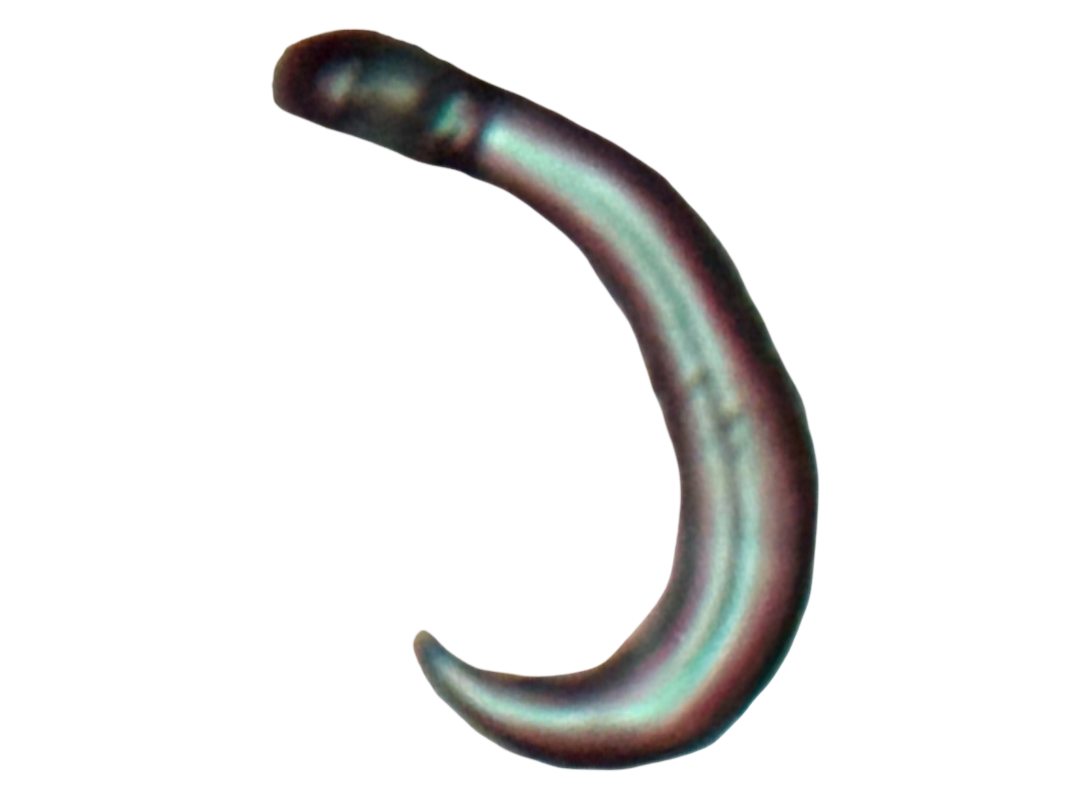
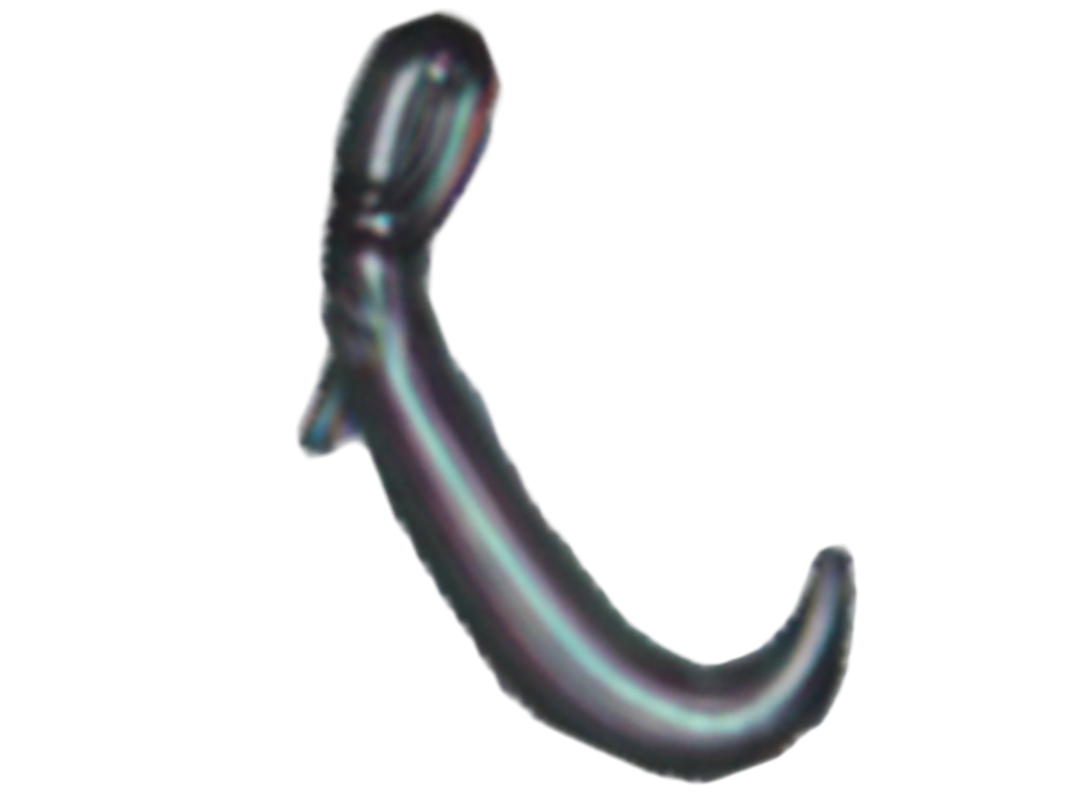
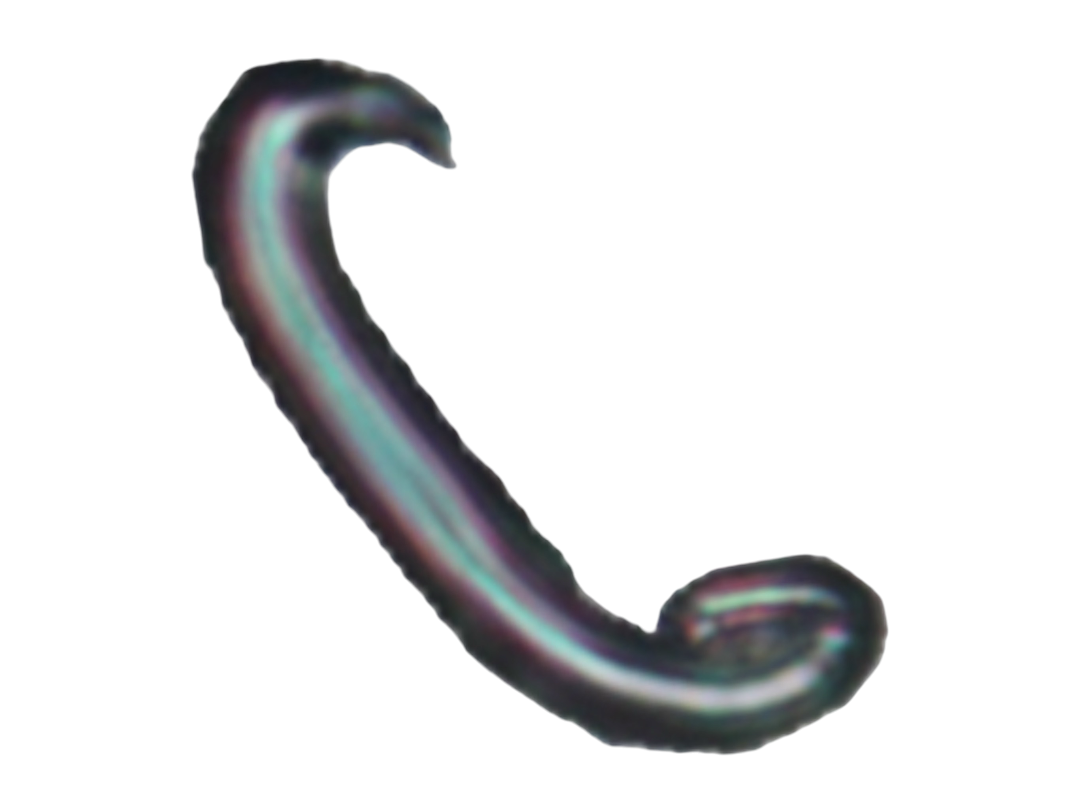
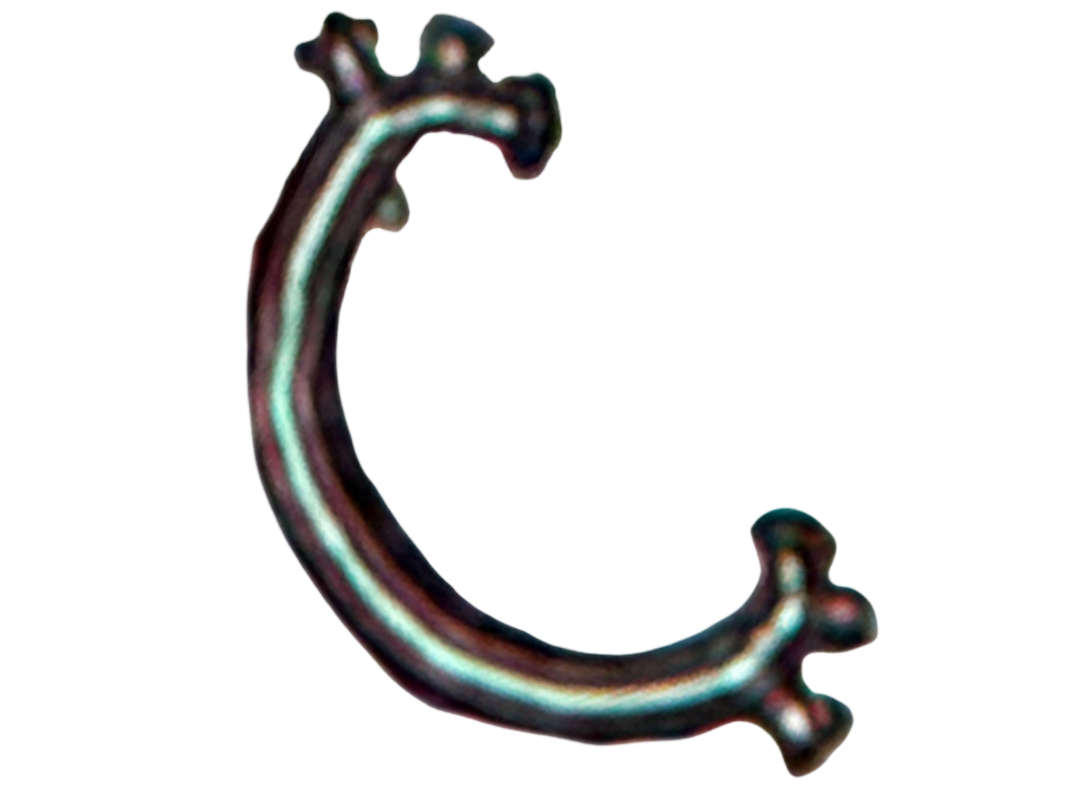
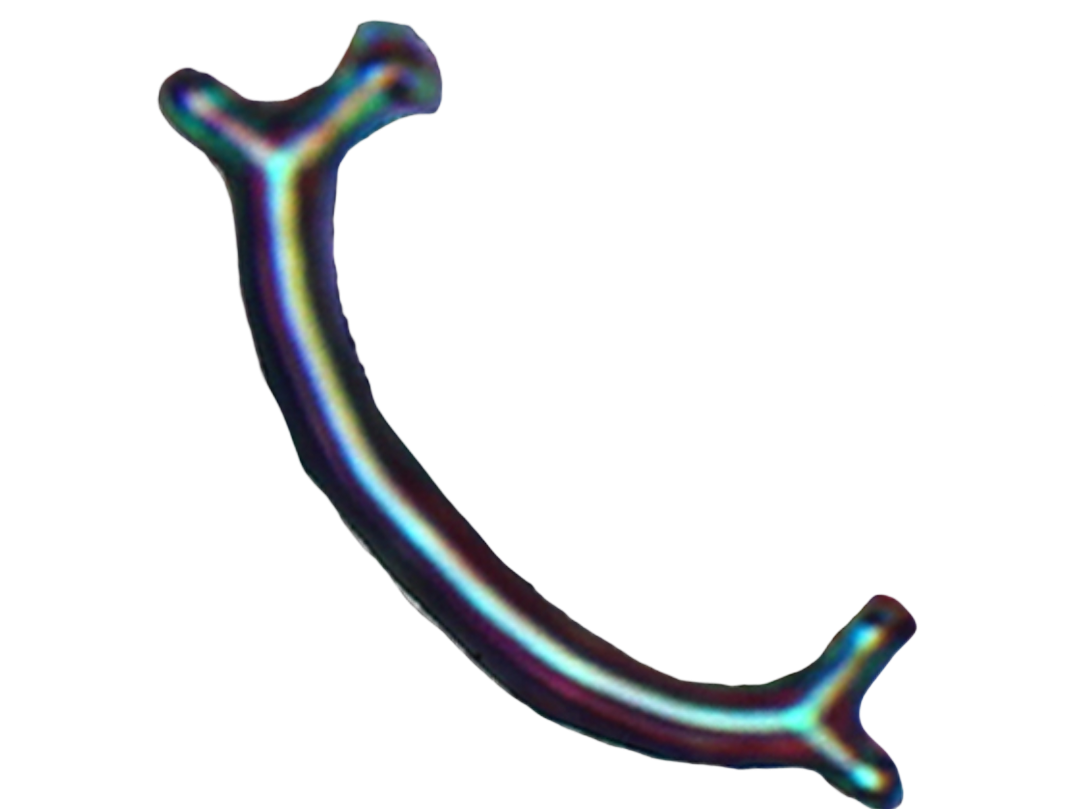
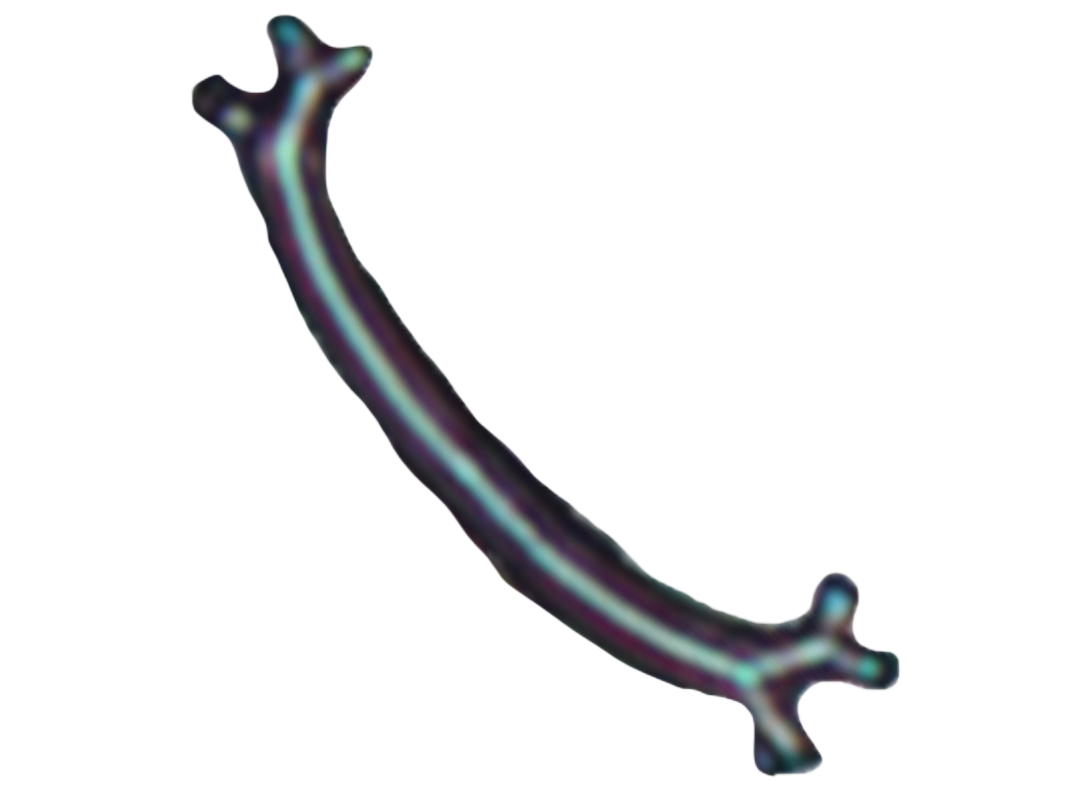
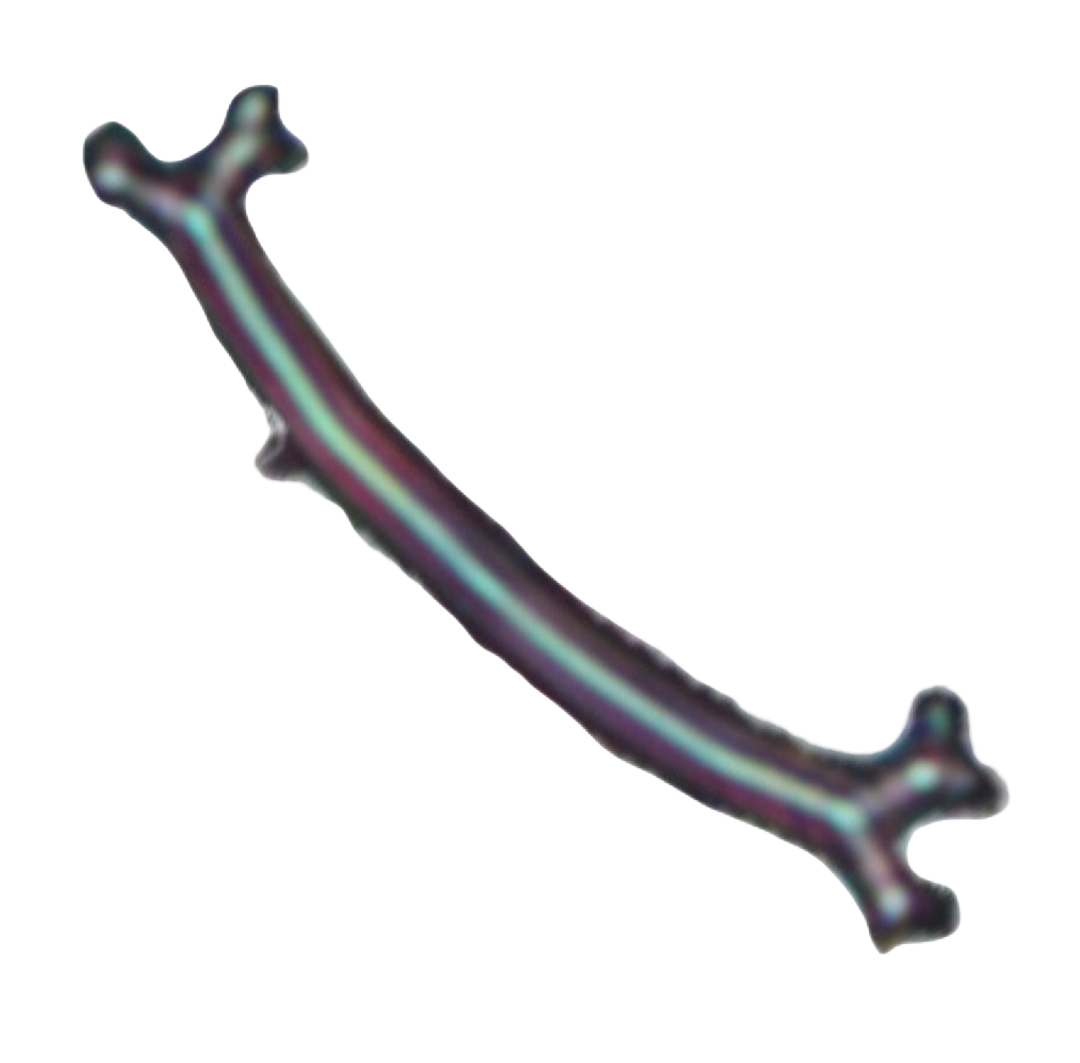
“An animal that appears soft and simple from the outside therefore contains a remarkably elaborate set of microscopic skeletal structures,” says Ugena.
Ugena and his colleagues now knew what their new specimens looked like, inside and out. Yet that alone couldn’t tell them exactly what they were.
“Recognising something unfamiliar was the beginning,” says Ugena. “Establishing what it represented required months of observation, reading, comparison and discussion.”
The new specimens resembled already described species in the genus Taeniogyrus. Two of them — T. furcipraeditus and T. venustus — are even known from the Mediterranean.
How could they determine whether these Canary specimens belonged to an already known species or represented something entirely novel? How does one prove that a species is new?
———
Genetic analysis is increasingly being used to help describe novel species.
Ugena and his colleagues extracted DNA from the muscle tissue of their specimens and sequenced a fragment of the COI gene — a widely used DNA barcode for identifying animal species. They then compared their sequence against an array of other COI gene sequences stored in online databases like GenBank and BOLD.
The closest matches showed only 80–83% sequence identity — a gap far too wide for close relatives, much less the same species.
Did this mean their specimens were indeed something new?
“Importantly, the absence of a close match does not, by itself, demonstrate that a specimen belongs to a new species,” Ugena notes. “It may simply mean that an already described species has never been sequenced.”
“DNA-based identification depends on having reliable references against which an unknown specimen can be compared,” explains Ugena. And the genetic library for the genus Taeniogyrus turned out to be surprisingly sparse. In fact, for the species most closely resembling the Canary specimens, including the two Mediterranean species, not a single DNA sequence existed in public databases. The points of reference were simply not there.
“Consequently, the sequence could not provide an independent genetic test of the distinction between our specimens and those particular species,” says Ugena. “The description therefore rests primarily on detailed morphological comparisons.”
———
The precise functions of this sea cucumber’s ossicles — the wheels, hooks, and rods — remain an open question. But while we may not fully understand how these ossicles are useful to the animal itself, they are nonetheless useful to us.
“Their taxonomic importance is much clearer,” says Ugena. “Closely similar sea cucumbers can differ in the types of ossicles present, their distribution, dimensions, branching patterns, curvature or ornamentation. These details provide characters that are difficult or impossible to recognise by looking at the whole animal.”
There are currently more than 27 known species in the genus Taeniogyrus. To determine whether their Canary specimens represented a new species, the team detailed the exact characteristics of their ossicles — alongside other anatomical features such as tentacle morphology. “It is the overall combination that makes the identification convincing,” says Ugena.
They then compared the specimens with already described members of the genus, beginning with the geographically closest species, from the Mediterranean.
T. furcipraeditus is small, like the Canary specimens. But its feeding tentacles are noticeably simpler, with far fewer digits. Looking at the ossicles, they also found the wheels of T. furcipraeditus have less developed teeth compared to the new specimens.
The other Mediterranean species, T. venustus, has a smooth body wall, lacking the outer bumps of the Canary specimens. Its ossicles also differ, with larger wheels and more robust hooks.
One by one, the species were compared and ruled out: the two Mediterranean species, another two species from the Atlantic.
But when Ugena and his colleagues searched global records for closely matching morphologies, they found the closest resemblance to their Canary specimens was not another Mediterranean sea cucumber, but Taeniogyrus maculatus — a species described from the Murray Islands of Northeast Australia.
“The resemblance was striking,” says Ugena, “particularly given the enormous geographical distance. Nevertheless, geography alone could not settle the identification. We had to examine the diagnostic characters carefully and consider the possibility that the known distribution of a species might be incomplete.”
Was it possible that T. maculatus actually had a far wider range than anyone realised, stretching from northeast Australia to the Canary Islands?
The Australian species and the Canary specimens share many features: ten feeding tentacles, six-spoked wheels, S-shaped hooks, and branched tentacular rods.
But they differ in two traits: one obvious and one obscure.
The Australian T. maculatus can measure up to 26 millimetres long — more than five times as long as the largest Canary specimen. But size alone is often a poor basis for distinguishing species, particularly when only a small number of specimens are available. “Size requires caution because it can vary with age, contraction and preservation,” explains
No, it was the microscopic details that made the real difference.
The Australian T. maculatus has distinct spines along the outer curve of its hook ossicles. The new Canary specimens, on the other hand, have completely smooth hooks.
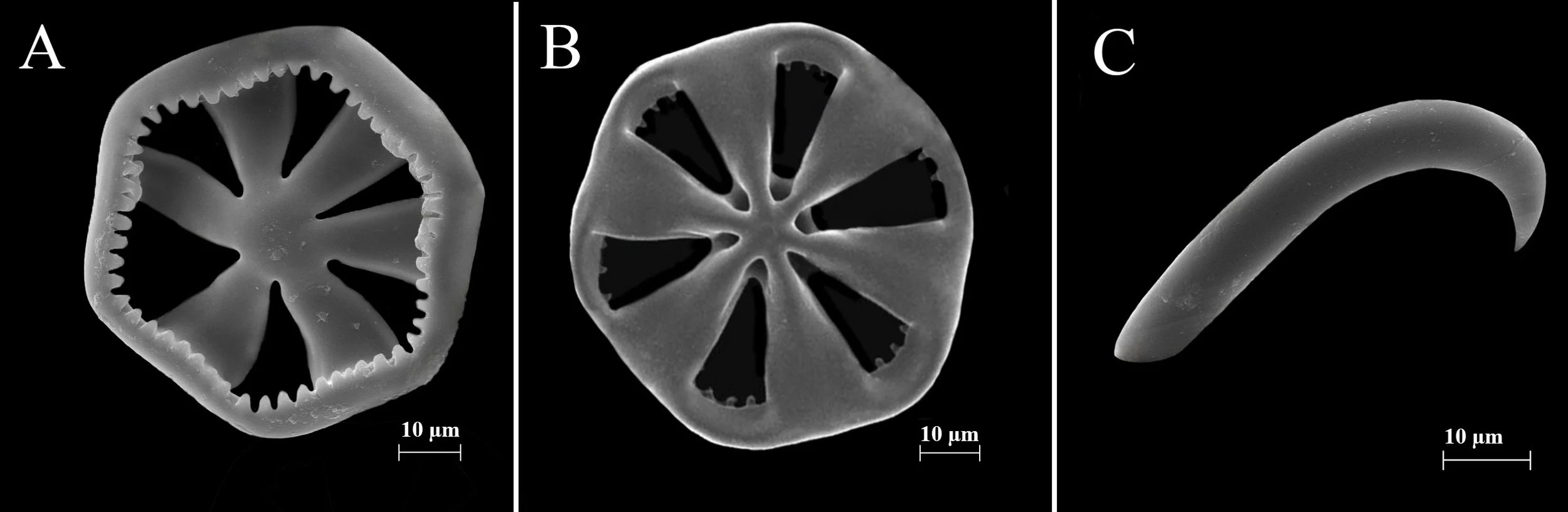
Ossicles of Canary island specimen observed with scanning electron microscopy (SEM).
(A, B) Body-wall wheels showing six spokes and a continuous internal series of teeth. (C) Sigmoid body-wall hooks.
“I discussed these comparisons with my co-authors, and additional specimens brought into the study through Jorge’s work elsewhere in the Canary Islands helped broaden our assessment,” says Ugena. “Together, we concluded that the combination of characters did not match any described species of the genus.”
So the authors described these Canary sea cucumbers as a new species: Taeniogyrus portuensis.
“The name portuensis refers to Puerto de la Cruz, where the discovery began,” explains Ugena. “It keeps that connection to the place within the species’ name.”
The physical specimens were deposited in Tenerife’s Museo de Naturaleza y Arqueología and the ECOMAR research collection at the University of La Laguna, while the species’ partial COI sequence was added to GenBank under accession number PZ177839.
“Researchers obtaining comparable COI sequences from newly collected specimens will now have another documented point of comparison,” says Ugena.
Today’s description becomes tomorrow’s reference. The next time scientists find a Taeniogyrus specimen, they’ll have the genetic and morphological data of this Canary cucumber to compare it against.
“Looking at the whole animal, you see a small, soft-bodied creature only a few millimetres long,” says Ugena. “Looking inside its tissues, you encounter wheels with tiny teeth, curved hooks and branched rods. Those minute structures provided the evidence we needed to understand what we had found.”
Through the complex within the simple, they uncovered the unknown hidden within the familiar. And what they found, in turn, may make the next unfamiliar specimen a little easier to understand.