

Species
*Sources for information and photos (unless they were taken by me) can be found at the bottom of each species profile or in photo captions.
A collection of animal species from around the world.

Kauaʻi Cave Wolf Spider
The Kauaʻi cave wolf spider has adapted to the lightless caverns of southern Kauaʻi by losing its eyes entirely. It creeps slowly — consuming ~40% as much oxygen as surface-dwelling wolf spiders — pursuing its primary prey: the Kauaʻi cave amphipod, a blind crustacean endemic to the same caves.

Japanese Pygmy Squid
The Japanese pygmy squid — one of the world’s smallest cephalopods with a mantle length of just 16 mm (0.6 in) — hunts crustaceans up to twice its size. It paralyses them, then slips its mouthparts inside their exoskeletons to slurp out their insides, leaving their shells intact.

Pacific Blackdragon
A female Pacific blackdragon is ~60 cm (2 ft) long and uses a bioluminescent lure on her chin to attract prey. Her skin is 'ultra-black', among the darkest in nature, and her teeth are anti-reflective, so as not to reflect light from her lure and alert her prey. The male is only ~8 cm (3 in) long.

Coconut Octopus
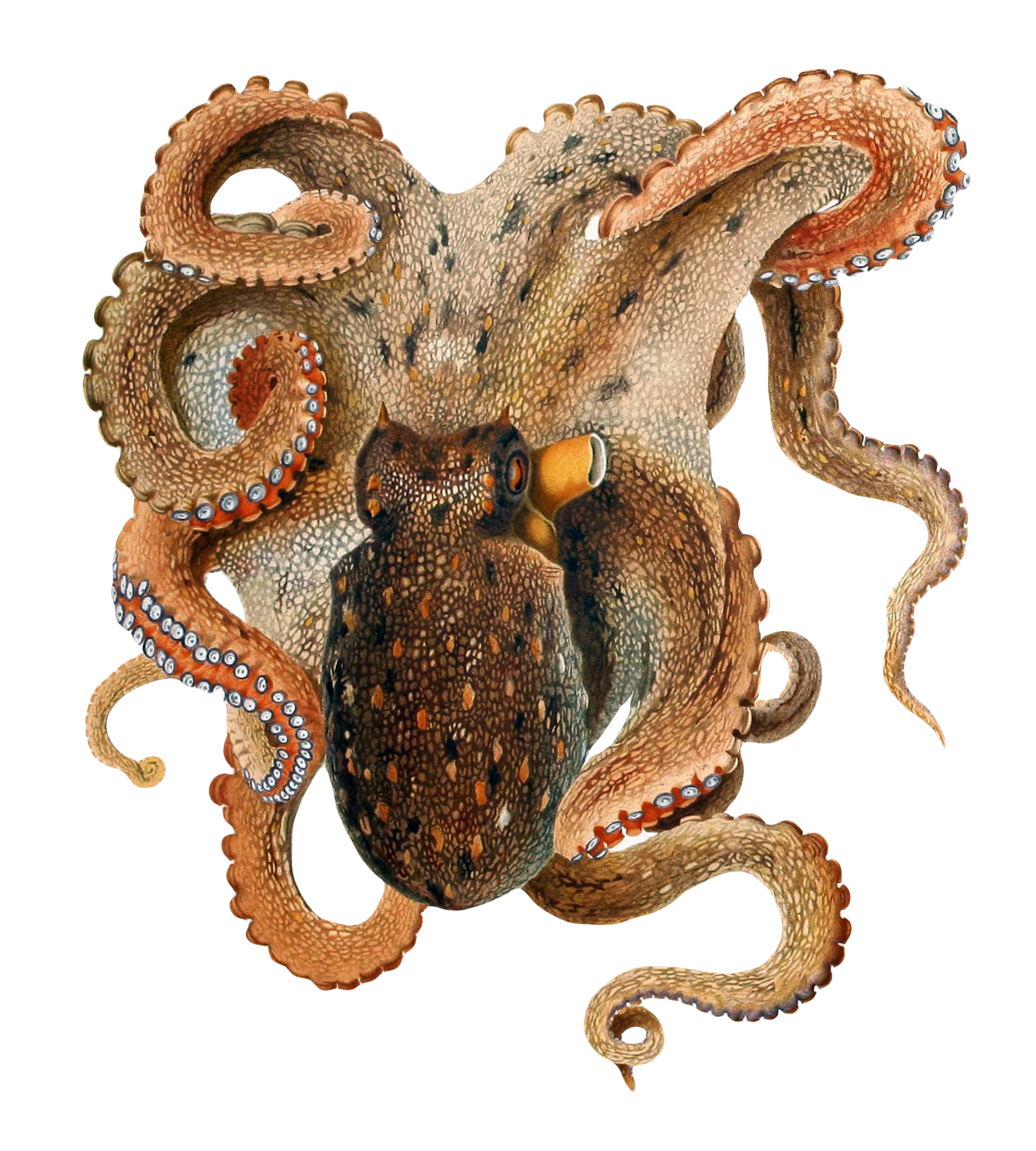
The coconut octopus carries seashells or coconut shells beneath its arms as it travels — using a few of its arms to hold the shells and the others to walk awkwardly along the sea floor. If this octopus encounters danger, it assembles the shells around itself, forming a kind of armour.
